
When raising a flock of adorable ducklings, it’s essential to provide them with the best possible care. One crucial aspect of their development is access to fresh, clean drinking water. Water plays a vital role in their growth and well-being, impacting not only their physical health but also their behavior and adaptability. As duckling owners, we want our feathered friends to thrive, but did you know that proper hydration can make all the difference? In this article, we’ll delve into the importance of drinking water for young ducklings, exploring how it affects their development from birth to maturity. We’ll also offer expert tips on providing optimal hydration for a healthy and happy flock, ensuring your ducklings grow strong and resilient.
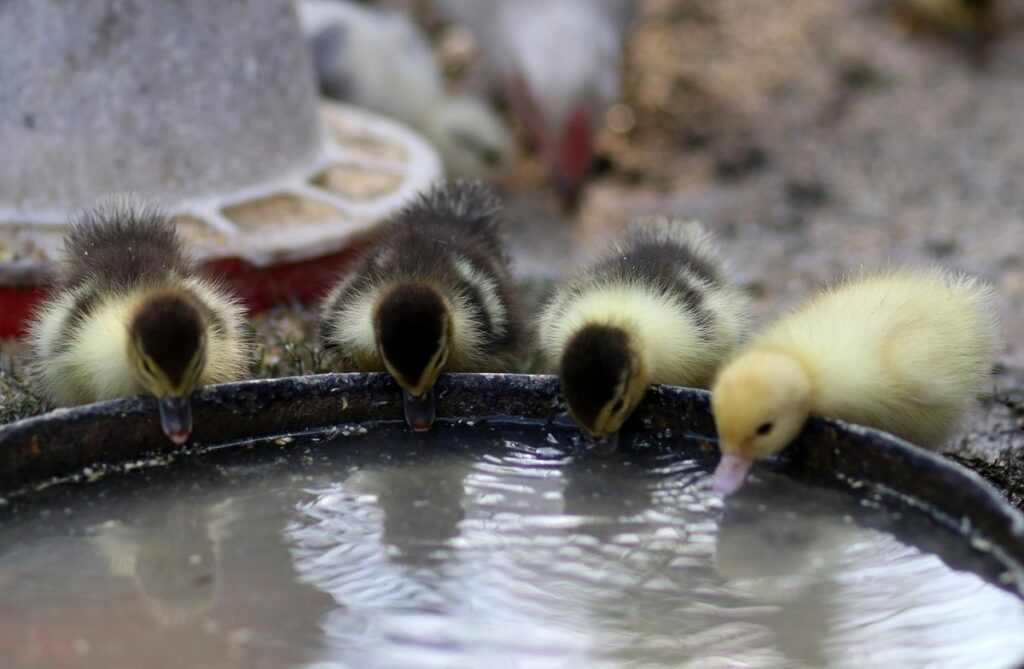
The Importance of Hydration in Young Ducks
Staying hydrated is crucial for ducklings as they grow and develop, and it’s essential to provide them with fresh, clean water at all times to ensure their health. Proper hydration also helps prevent common issues like respiratory problems.
Physical Development and Growth
Proper hydration is essential for ducklings to reach their full physical potential. Drinking enough water affects not only their weight but also their height and feather development. For instance, a study found that ducklings who received adequate water intake grew 15% faster than those who didn’t.
As they grow, you’ll notice the increase in your duckling’s weight due to proper hydration. This is because water plays a crucial role in digestion, allowing nutrients from their food to be absorbed efficiently. On average, a healthy duckling gains about 10-12 grams per day, but this can vary depending on breed and individual factors.
Feather development is another significant area where hydration impacts growth. Adequate water intake helps keep the skin healthy, promoting faster feather growth and minimizing the risk of molting issues later in life. Make sure to provide your ducklings with fresh, clean water at all times to support their physical development and overall well-being.
Brain Development and Functionality
As ducklings grow and develop, their brains are also maturing at an incredible rate. Proper hydration plays a crucial role in this process, influencing not only their physical health but also their cognitive abilities and memory formation.
Hydration affects the brain’s development in several ways: it supports the growth of neurons, facilitates communication between them, and enables the proper functioning of neurotransmitters. Without adequate water intake, ducklings may experience difficulties with learning and problem-solving, which can impact their ability to navigate their surroundings and interact with others.
To put this into perspective, research suggests that even mild dehydration can impair cognitive performance in young animals by up to 20%. This is why ensuring your ducklings have access to clean, fresh water at all times is essential for optimal brain development. Make sure the water source is easily accessible and the temperature is comfortable for them to drink from.
By prioritizing hydration, you’ll be supporting your duckling’s cognitive growth and setting them up for a lifetime of learning and exploration.
Metabolic Processes and Energy Efficiency
When you think about hydration for ducklings, it’s easy to focus on the obvious benefits – healthy feathers, shiny eyes, and a happy quack. But there’s more going on beneath the surface when it comes to drinking water. Did you know that water intake has a significant impact on your duckling’s metabolic processes?
In other words, how much (or little) water your duckling drinks affects its energy efficiency, temperature regulation, and digestive system. Let me break it down for you:
* Energy Efficiency: Water is essential for the breakdown of nutrients from food into usable energy. If your duckling isn’t getting enough water, it may not be able to extract the nutrients it needs, leading to a decrease in energy levels.
* Temperature Regulation: Ducks are ectothermic, which means they regulate their body temperature using external sources – like water or sunlight. If your duckling is dehydrated, it may have trouble regulating its internal temperature, making it more susceptible to heat stress.
* Digestive System: Water helps to break down food in the digestive system and absorb nutrients. Without enough water, your duckling’s digestive system can become clogged, leading to problems like constipation.
To keep your ducklings hydrated and thriving, ensure that their drinking water is fresh, clean, and easily accessible at all times. You should also monitor their water intake by observing how often they visit the waterer and how much they drink each day.
Water Intake and Behavioral Adaptations
As ducklings grow, they face unique challenges when it comes to drinking water, and their behavioral adaptations play a crucial role in helping them overcome these obstacles. Let’s explore how they do it.
Drinking Behavior and Techniques
When it comes to drinking water, ducklings have developed some fascinating behaviors that set them apart from other animals. One of the most notable aspects is their stance while consuming water. Young ducklings typically drink by placing their beaks partially submerged in the water, often with a slight angle to the surface. This stance allows them to efficiently suck up water and reduce splashing.
As they grow, ducklings develop more refined drinking techniques. They begin to tip their heads slightly, creating a gentle slope between their beak and body. This subtle adjustment enables them to control the flow of water, minimizing spills and reducing evaporation losses.
It’s also worth noting that ducklings often drink in short bursts, pausing briefly between sips to catch their breath and regulate their hydration levels. Observing these behaviors can provide valuable insights into understanding how ducklings adapt to their environment and make the most of available resources.
Social Learning and Environmental Factors
Social interactions play a significant role in shaping a duckling’s drinking behavior. For example, when ducklings observe their mother feeding and drinking water, they learn vital skills that help them survive on their own. This process is called social learning, where young ducks pick up behaviors by watching others, much like human children do.
In fact, studies have shown that ducklings as young as a few days old will follow their mother to the water’s edge and watch her drink. They may even imitate her actions, which helps them develop crucial motor skills and coordination. This observational learning is essential for ducklings, as it allows them to adapt to their environment and learn from their peers.
Another environmental factor that influences drinking behavior in ducklings is availability of water sources. Ducklings are more likely to drink from a source where they see other ducks doing so. For instance, if there’s a pond with many adult ducks, the young ones will be encouraged to join them in drinking. This highlights the importance of providing accessible and safe water sources for ducklings to thrive.
Adaptations for Optimal Water Consumption
When it comes to drinking water, ducklings have several physical adaptations that enable them to efficiently consume liquid. One of the most notable features is their beak structure, which is specifically designed for sipping and gulping water. Unlike adult ducks, whose broad, flat beaks are ideal for filtering small plants and algae from the water, ducklings have a slender, pointed beak that allows them to scoop up water easily.
Their tongue movement also plays a crucial role in drinking water efficiently. Ducklings have an extremely flexible tongue that can extend far into their mouth, enabling them to draw in large amounts of water without spilling a single drop. This adaptation is especially useful when they’re drinking from shallow pools or containers.
The anatomy of their throat is another key factor in efficient drinking. The esophagus and trachea are closely spaced in ducklings, allowing them to drink while simultaneously breathing air into their lungs. This unique arrangement helps them to breathe while consuming water without having to pause between gulps, ensuring that they can stay hydrated even when foraging for food or escaping predators.
Nutritional Content and Types of Water
When it comes to ducklings, their drinking water is just as important as what they eat, so let’s dive into the types of water they can thrive on. We’ll explore the nutritional value of different water sources for your feathered friends.
Essential Nutrients and Electrolytes
Drinking water for ducklings is not just about hydration; it’s also about providing essential nutrients and electrolytes that support their growth and development. Calcium, phosphorus, and potassium are among the most critical nutrients found in drinking water for ducklings.
Calcium, in particular, is vital for developing strong bones and beaks. A deficiency in calcium can lead to softening of the bones, making it difficult for your duckling to walk or stand. Aim to provide a source of calcium-rich water, such as crushed oyster shells or cuttlebone, which can be added directly to their drinking water.
Potassium is another essential electrolyte that helps regulate muscle function and maintain proper fluid balance in ducklings. A diet lacking potassium can lead to muscle weakness and fatigue. Consider mixing a small amount of potassium-rich mineral supplements into your duckling’s drinking water for optimal benefits.
A balanced nutrient profile will also include phosphorus, which supports the growth and development of teeth and bones. Ensure that your duckling has access to an adequate source of phosphorus in their diet through high-quality commercial feed or by supplementing with calcium-phosphorus-rich foods like alfalfa meal.
Remember to consult with a veterinarian for personalized advice on providing the best drinking water for your ducklings. By ensuring they have access to essential nutrients and electrolytes, you’ll be giving them the best chance at thriving and reaching their full potential.
pH Levels and Water Quality
Maintaining optimal pH levels in duckling drinking water is crucial for their overall health and well-being. A slightly alkaline pH range between 7.2 and 8.5 is recommended for ducklings, as this allows them to absorb nutrients efficiently. However, it’s essential to note that the ideal pH level may vary depending on the specific dietary requirements of your duckling.
The water quality also plays a significant role in determining the health of your duckling. Chlorine, heavy metals, and bacteria can contaminate water sources, posing serious threats to their health. For instance, even low levels of chlorine can cause respiratory issues and damage their digestive system. Regularly testing the pH level and checking for contaminants is crucial to ensure the water meets the ducklings’ needs.
To maintain optimal water quality, consider using a water filter specifically designed for poultry or changing the water frequently to prevent bacterial growth. Additionally, providing fresh water daily will help keep your duckling’s drinking area clean and free from potential health risks. By prioritizing pH levels and water quality, you’ll be taking significant steps towards creating a healthy environment for your ducklings to thrive.
Sources of Drinking Water for Ducklings
When it comes to providing your ducklings with fresh drinking water, you’ll want to consider various sources. One option is pond water, but it’s essential to ensure the water quality is suitable for consumption. If your pond water contains high levels of bacteria or contaminants, it may not be a reliable source.
Another option is well water, which can be a great choice if you have access to a clean and maintained well. However, you’ll need to test the pH level regularly to ensure it’s within the acceptable range for ducklings (around 6.5-7.5). You should also consider using a filter or purification system to remove any potential contaminants.
Commercial duckling feed often comes with its own built-in water source, which can be convenient but may not always provide the best quality. To ensure your ducklings receive the best drinking water possible, it’s recommended to supplement their commercial feed with fresh, clean water from one of these sources.
Environmental Factors Affecting Hydration
When it comes to keeping your ducklings healthy, understanding how environmental factors impact their hydration is crucial. Let’s explore the conditions that can affect how much water they drink.
Temperature and Humidity
When it comes to a duckling’s hydration levels, temperature and humidity play a crucial role. In their natural habitat, ducklings are exposed to varying environmental conditions, which can significantly impact their water intake.
In warmer temperatures, ducklings tend to drink more water to compensate for the increased loss of fluids through evaporation. This is especially true when the mercury rises above 80°F (27°C). Conversely, in cooler temperatures, they may drink less due to reduced metabolic activity and lower energy needs.
Humidity also affects a duckling’s hydration levels. In humid environments, their water intake decreases as their bodies adapt to conserve fluids. However, if the humidity is extremely high, they may experience respiratory issues, which can lead to dehydration.
To ensure optimal hydration for your ducklings, provide them with a clean and accessible water source at all times. Monitor their behavior and adjust their water availability accordingly based on temperature and humidity levels in their environment.
Air Quality and Respiratory Health
As duckling owners, it’s essential to consider not only their drinking water quality but also the air they breathe. Poor air quality can have a significant impact on young ducks’ respiratory health. Pollution and dust exposure are two significant contributors to this issue.
Pollution from human activities such as agriculture, industrial operations, or urban runoff can lead to high levels of particulate matter in the air. These tiny particles can be inhaled deep into ducklings’ lungs, causing inflammation and potentially leading to respiratory problems. For instance, a study found that exposure to fine particulate matter (PM2.5) was associated with increased mortality rates among ducklings.
Dust exposure is also a significant concern for ducklings. Prolonged inhalation of dust can cause chronic bronchitis or even lung disease in young ducks. To mitigate these risks, ensure your duckling’s enclosure is well-ventilated and free from pollutants. Regularly cleaning the coop and providing plenty of fresh air can make a big difference.
Disease Prevention and Treatment
Ducklings are susceptible to various diseases that can compromise their hydration levels. Bacterial infections such as colibacillosis and E. coli septicemia are common causes of illness in young ducklings. These infections can lead to symptoms like lethargy, loss of appetite, and bloody droppings. On the other hand, parasites like coccidiosis and giardiasis can cause weight loss, diarrhea, and stunted growth.
To prevent such diseases, maintain a clean and hygienic environment for your ducklings. Ensure their living area is free from feces and contaminated water. Regularly disinfect feeders and waterers with a 1:10 solution of bleach to water. Additionally, provide probiotics in the water to support gut health.
In case you notice any signs of illness, consult a veterinarian immediately. Meanwhile, offer the affected ducklings an electrolyte-rich drink mix specifically designed for waterfowl to help replace lost fluids and salts. Administering antibiotics under veterinary guidance is also crucial if bacterial infections are suspected.
Caregiver Guidance: Providing Optimal Drinking Water
As a duckling caregiver, providing optimal drinking water is crucial for your feathered friend’s growth and development. In this next part of our guide, we’ll share expert advice on how to deliver the best hydration possible.
Breeder Responsibilities and Best Practices
As a duck breeder, you play a crucial role in ensuring the health and well-being of your feathered friends. Providing optimal drinking water is just one aspect of responsible breeding practices. It’s essential to understand that ducklings have different hydration needs at various stages of their development.
From birth to around 4-5 weeks old, ducklings require access to clean, shallow water for bathing and drinking. The water should be free from contamination and maintained at a temperature between 90°F to 100°F (32°C to 38°C) to prevent bacterial growth. A good rule of thumb is to provide at least one gallon of water per bird, changing it daily to maintain cleanliness.
As ducklings grow, their drinking needs change. Around 6-8 weeks old, they can start using a waterer with a small lip or a shallow dish. Ensure the water level is not too high, as this can make them more susceptible to drowning. Provide multiple watering stations to avoid overcrowding and competition for resources.
Remember, a clean and well-maintained environment is vital for raising healthy ducklings. Regularly check water quality, change it frequently, and provide a balanced diet to support their growth. By following these best practices, you’ll be well on your way to raising happy and thriving ducklings.
Monitoring and Maintaining Water Quality
As you work to provide optimal drinking water for your ducklings, monitoring and maintaining the quality of their water is crucial. This ensures they stay healthy and thrive throughout their development. Start by testing their water regularly for pH levels, bacterial contamination, and other factors that can affect their well-being.
You can use a home water test kit or send samples to a laboratory for analysis. These tests will help you identify any potential issues with the water quality. For example, if the pH level is too high or low, it may cause problems with your ducklings’ digestion or overall health.
Some common contaminants to look out for include bacteria like E. coli and Salmonella, as well as algae growth and other microorganisms. To maintain good water quality, make sure to change their water regularly, ideally every 2-3 days, especially if you notice any changes in color or odor. This will prevent bacterial growth and keep the water fresh for your ducklings.
It’s also essential to store their drinking water in a clean and well-maintained container to prevent contamination. Regularly cleaning and disinfecting their feeder and waterer is also recommended. By staying on top of water quality, you can ensure your ducklings stay healthy and happy throughout their lives.
Providing Alternative Drinking Sources
When it comes to providing alternative drinking sources for ducklings, there are several options you can consider. One great idea is to use shallow dishes specifically designed for ducklings or small pools that allow them to easily access water without having to stretch their necks too far. This is particularly important during the first few weeks of life when they’re still learning how to swim and may struggle with deeper waters.
You can also experiment with different types of containers, such as saucers or shallow plastic tubs, to see what works best for your ducklings. Remember to change the water frequently to keep it clean and fresh. When introducing new drinking sources, do so gradually and under close supervision to ensure the ducklings don’t get overwhelmed.
Some caregivers even opt for a ‘water station’ setup with multiple dishes or pools at different heights to cater to individual preferences. This can be especially helpful in large broods where some ducklings may prefer shallower water while others prefer deeper areas. By providing these alternatives, you’re not only meeting their basic needs but also promoting exploration and comfort within their enclosure.
Conclusion: The Significance of Hydration in Duckling Development
In conclusion, providing ducklings with access to clean drinking water is crucial for their development. As we’ve explored throughout this article, proper hydration plays a vital role in maintaining the health and well-being of young ducks. By ensuring that your ducklings have fresh water at all times, you’re giving them the best possible start in life.
Whether it’s helping to regulate body temperature or supporting rapid growth and development, hydration is key. For example, did you know that ducklings can drink up to 10% of their body weight in water per day? This highlights just how essential proper hydration is for these little ones.
By prioritizing your ducklings’ drinking water needs, you’ll be rewarded with happy, healthy birds that thrive and grow into magnificent adult ducks.
Frequently Asked Questions
How do I ensure my ducklings are getting enough water to prevent respiratory problems?
Yes, by providing fresh water at all times and ensuring the water is clean and free from debris or contaminants. You can also check the water quality regularly to maintain optimal pH levels between 6.5 and 7.5.
What’s the best way to introduce new drinking sources for my growing ducklings?
When introducing a new drinking source, ensure it’s easily accessible and has a shallow lip to prevent accidents. Gradually transition your ducklings from one water source to another to minimize stress. Monitor their behavior and adjust as needed to maintain optimal hydration.
How often should I change the water in my ducklings’ drinking containers?
Change the water daily or whenever you notice it becoming cloudy or contaminated. Clean the containers thoroughly with mild soap and warm water, rinsing them well before refilling with fresh water to prevent bacterial growth.
Can I use tap water for my ducklings, or should I opt for filtered or spring water instead?
Yes, if your tap water is safe and free from chemicals, it can be used. However, consider filtering the water to remove impurities or using a water conditioner to minimize chlorine levels. If possible, provide a natural source like a pond or a shallow dish filled with fresh water.
What are some signs that my ducklings are not getting enough essential nutrients through their drinking water?
Look for signs of malnutrition, such as dull feathers, weight loss, or lethargy. Monitor their droppings and note any changes in color or consistency. Consider adding supplements to the water under the guidance of a veterinarian or poultry expert to ensure your ducklings receive optimal nutrition.