
Are you ready to crack open the incredible world of nutrition? Duck egg yolks have long been touted as a superfood, but do they really live up to the hype? As it turns out, these tiny golden nuggets pack an impressive punch of nutrients and potential health benefits. Not only are duck egg yolks rich in protein, vitamins A and D, and minerals like iron and zinc, but they also boast unique properties that set them apart from their chicken counterparts.
In this comprehensive guide, we’ll delve into the diverse culinary uses of duck egg yolks, exploring how they can elevate dishes from savory sauces to decadent desserts. We’ll also examine the potential health benefits of incorporating duck egg yolks into your diet, from improved heart health to enhanced cognitive function. Whether you’re a seasoned chef or a curious cook, this article will provide you with everything you need to know about harnessing the power of duck egg yolks in the kitchen and beyond.
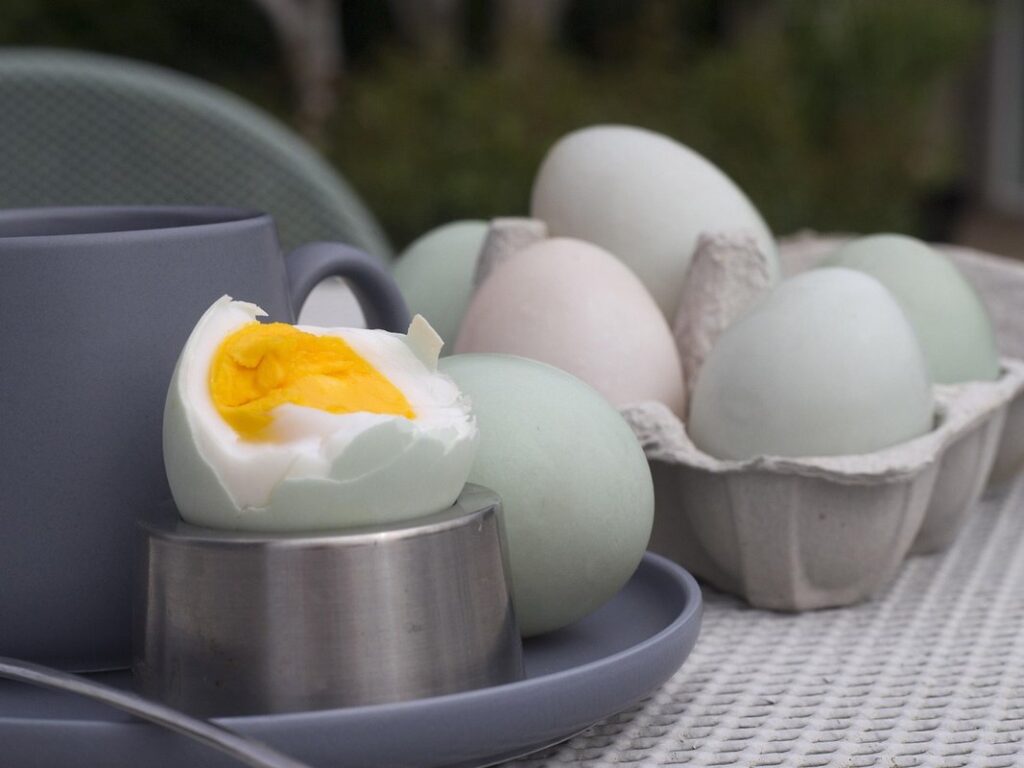
Benefits of Duck Egg Yolk
Duck egg yolks are a treasure trove of nutrients, and we’re excited to dive into some of the key benefits you can expect from incorporating them into your diet. Let’s explore how they can supercharge your health.
Nutritional Value
Duck egg yolks are often overlooked as a nutrient-rich food source, but they’re actually a powerhouse of nutrition. One large duck egg yolk contains around 140 calories, yet it packs an impressive punch when it comes to essential vitamins and minerals.
Let’s start with the vitamins: one duck egg yolk is a rich source of vitamins A, D, E, and K. Vitamin A is crucial for healthy vision, immune function, and skin health. Vitamin D is vital for bone health and calcium absorption, while vitamin E acts as an antioxidant to protect cells from damage. Lastly, vitamin K plays a critical role in blood clotting and bone health.
In addition to these vitamins, duck egg yolks are also an excellent source of minerals like iron and zinc. Iron is essential for healthy red blood cells, while zinc supports immune function and wound healing. What’s more, duck egg yolks contain other beneficial nutrients like choline, which is converted into acetylcholine in the brain to support cognitive function.
When choosing duck egg yolks, look for those from pasture-raised ducks or hens. These birds will have been fed a diet rich in omega-3 fatty acids and antioxidants, making their egg yolks even more nutritious. Consider incorporating duck egg yolks into your breakfast routine by making an omelette or scrambled eggs – your body (and taste buds) will thank you!
Cooking and Preparation Methods
Duck egg yolks are incredibly versatile, and their rich, creamy texture can be elevated with various cooking methods. When it comes to incorporating duck egg yolks into your recipes, you have several options for cooking and preparation.
One popular method is to poach them gently, which helps preserve their delicate flavor and nutrients. To do this, bring a pot of water to a simmer, crack an egg yolk into a small bowl or ramekin, and then carefully slide it into the water using a spoon. Cook for 3-5 minutes, until the whites are set but still slightly runny.
You can also use duck egg yolks in baked goods like cakes and cookies. For instance, when making a rich chocolate cake, separate the egg yolk from the white and whisk the yolk with sugar before adding it to the dry ingredients. This technique helps create a moist and tender crumb.
Additionally, you can make mayonnaise or hollandaise sauce using duck egg yolks as a base. Simply whip the yolks with oil or butter until thickened, then season with lemon juice or other flavorings. These creamy sauces are perfect for dressing up grilled meats or vegetables.
Potential Health Benefits
Consuming duck egg yolks has been linked to several potential health benefits, making them an increasingly popular choice among health enthusiasts. One of the most significant advantages is their high content of omega-3 fatty acids, which play a crucial role in maintaining healthy vision and reducing the risk of age-related macular degeneration. Rich in lutein and zeaxanthin, duck egg yolks can help protect your eyes from damage caused by blue light exposure and improve overall eye health.
In addition to its benefits for the eyes, consuming duck egg yolks can also boost your immune system. The high levels of vitamins A, D, E, and K in duck eggs make them an excellent source of antioxidants that can fight off free radicals and reduce inflammation. Furthermore, the presence of choline in duck egg yolks supports brain function and may even help improve memory and cognitive skills.
Incorporating duck egg yolks into your diet is a relatively simple process. Try adding them to salads or omelets for an extra dose of nutrition. With their rich flavor and versatility, it’s easy to make the switch from traditional chicken eggs to duck egg yolks and reap the potential health benefits they have to offer.
History and Cultural Significance of Duck Egg Yolk
Let’s take a journey through time as we explore how duck egg yolk has been revered for centuries in various cultures around the world, especially in Asia. From traditional medicine to culinary delights.
Origins and Traditional Uses
Duck egg yolk has been a prized ingredient for centuries, with its rich nutritional profile and versatility making it a staple in many traditional cuisines. In Asia, duck egg yolk is a key component of the popular Filipino dish “Balut,” where it’s boiled and eaten from the shell. In China, duck eggs are often preserved in salt or brine to create a fermented yolk that’s used in soups and sauces.
In Europe, particularly in France and Italy, duck egg yolks are highly valued for their high fat content, which makes them ideal for enriching pasta dishes and sauces. In Africa, where ducks are often raised in small-scale farms, duck eggs are a common ingredient in local cuisine, with the yolk being used to add moisture and flavor to stews and curries.
In many cultures, duck egg yolks are also believed to have medicinal properties, with some using them to treat skin conditions and improve eye health. Whether you’re cooking up a storm in your kitchen or exploring traditional recipes from around the world, incorporating duck egg yolk into your dishes can add depth, richness, and a touch of authenticity.
Iconic Recipes Featuring Duck Egg Yolks
When it comes to showcasing the versatility and richness of duck egg yolks, few ingredients can match their starring roles in iconic sauces from around the world. Take Hollandaise sauce, for instance – a classic French condiment that’s nothing short of a masterpiece when made with duck egg yolks. This indulgent emulsion is often served alongside eggs Benedict or asparagus, and its luscious texture and deep flavor are all thanks to the rich properties of duck egg yolks.
In Japan, mayonnaise-based sauces are also given an exciting twist by incorporating duck egg yolks. Yuzu mayonnaise, a condiment that’s popular in modern Japanese cuisine, uses duck egg yolks to create a creamy, slightly sweet sauce with a tangy kick. This is often served as a dip for tempura or used as a topping for sashimi.
What makes duck egg yolks so ideal for these recipes? It all comes down to their unique properties: rich, buttery flavor and a silky texture that’s perfect for emulsions. When working with duck egg yolks in your cooking, remember to temper them slowly and gently to prevent scrambling – and don’t be afraid to experiment with different flavor combinations to unlock the full potential of these incredible ingredients!
Using Duck Egg Yolk in Baking and Cooking
When it comes to using duck egg yolk, its rich flavor and versatility make it a game-changer in both sweet and savory dishes. In this section, we’ll explore how to incorporate it into your favorite recipes.
Substitution Ratios and Tips for Successful Integration
When substituting duck egg yolk into recipes, it’s essential to understand that they have a higher fat content than chicken egg yolks. A general rule of thumb is to use one duck egg yolk as a replacement for 1-2 chicken egg yolks, depending on the specific recipe and desired richness level.
To successfully integrate duck egg yolk into baked goods, consider the following tips:
* Start with small substitutions (10-20%) to gauge the effects on texture and flavor.
* Adjust sugar content accordingly, as duck egg yolk adds natural sweetness.
* Be mindful of leavening agents, as duck egg yolk can enhance browning reactions, potentially leading to over-leavened products.
* Consider adding a pinch of salt to balance flavors and richness.
* When using high-fat recipes, such as cakes or custards, reduce the added fat content by 10-20% to avoid overpowering the dish.
By following these guidelines and understanding the unique properties of duck egg yolk, you can unlock new flavor dimensions in your baked goods. Experiment with different ratios and combinations to discover the perfect balance for your recipes.
Applications in Desserts, Sauces, and Marinades
Duck egg yolks bring an unparalleled richness to desserts, sauces, and marinades. One of the most famous uses for duck egg yolk is in crème brûlée, where it adds a deep, velvety texture and a subtle sheen to the custard base. To make a show-stopping crème brûlée, use 2-3 duck egg yolks per cup of cream, sugar, and flavorings.
Duck egg yolk also shines in Béarnaise sauce, where its emulsifying properties help to stabilize the mixture of butter, egg yolks, and herbs. Try using a combination of 2 duck egg yolks and 1 large chicken egg yolk for the perfect balance of richness and stability.
As a marinade, duck egg yolks can add an incredible depth of flavor to meats like lamb or beef. Whisk together duck egg yolks with olive oil, garlic, and herbs like thyme or rosemary, then brush the mixture onto your protein of choice before grilling or roasting. The result is a tender, caramelized crust with a depth of flavor that’s simply unmatched.
Remember to temper your duck egg yolk carefully when adding it to sauces or marinades, as this will help prevent scrambling and ensure a smooth, even texture.
Food Safety and Handling of Duck Egg Yolks
When handling duck egg yolks, it’s essential to prioritize food safety to avoid contamination and ensure your final product is both safe and delicious. We’ll walk you through best practices for storing and preparing these nutritious gems.
Best Practices for Storage and Handling
When storing duck egg yolks, it’s essential to follow best practices to prevent contamination and spoilage. First, make sure you handle the yolks gently to avoid cracking, which can lead to bacterial entry. Wash your hands thoroughly before and after handling the eggs. Store them in a sealed container or plastic bag with airtight seals to maintain humidity and prevent moisture buildup.
Label the storage container with the date of collection to track their age. Keep the storage area clean, cool, and dry – ideally between 38°F (3°C) and 45°F (7°C). A refrigerator is ideal for storing duck egg yolks; if you don’t have one, a cool pantry or cupboard will suffice.
To prevent spoilage, check on the yolks regularly. If you notice any off odors, slimy texture, or mold, discard them immediately. For longer storage periods, consider freezing. Crack the yolk into an airtight container or freezer bag and label it with the date. Frozen duck egg yolks can be stored for up to 6 months. When you’re ready to use them, thaw the desired amount in cold water.
Risk Factors Associated with Raw or Undercooked Egg Yolk Consumption
Consuming raw or undercooked egg yolk can pose serious health risks, particularly due to the potential for salmonella poisoning. According to the Centers for Disease Control and Prevention (CDC), approximately 1 in 20,000 eggs produced in the United States contains Salmonella bacteria.
When handling duck egg yolks, it’s crucial to prioritize food safety to avoid contamination. Raw or undercooked egg yolk can carry a strain of Salmonella Enteritidis, which can lead to severe symptoms such as fever, abdominal cramps, and diarrhea. High-risk groups like the elderly, pregnant women, and young children are more susceptible to complications from salmonella poisoning.
To minimize risks when consuming duck egg yolks, it’s essential to cook them thoroughly until the yolk reaches an internal temperature of at least 160°F (71°C). You can also take additional precautions by purchasing eggs from reputable suppliers that follow strict cleanliness standards and testing procedures. Always store eggs in a clean, dry area, away from direct sunlight and heat sources.
If you’re unsure about the safety of your egg yolk or experience symptoms after consumption, seek medical attention immediately.
Comparison of Duck Egg Yolk vs. Chicken Egg Yolk
When it comes to choosing between duck and chicken eggs, one key difference lies in their yolks – let’s dive into a comparison of these two rich sources of nutrition.
Key Differences in Nutritional Content and Taste Profile
When it comes to nutritional content, duck egg yolks and chicken egg yolks have some notable differences. For instance, duck egg yolks generally contain more fat than chicken egg yolks, which makes them a richer source of energy. According to the United States Department of Agriculture (USDA), one large duck egg yolk contains approximately 5 grams of fat, whereas its chicken counterpart contains around 4.5 grams.
In terms of taste profile, many consider duck egg yolks to have a more pronounced, buttery flavor compared to chicken egg yolks. This can be attributed to the higher levels of omega-3 fatty acids and antioxidants present in duck egg yolks. When cooking with duck eggs, chefs often recommend using them for dishes that require a deeper, more complex flavor profile.
In practical terms, this means using duck eggs as a substitute for chicken eggs will significantly alter the taste of your final product. If you’re looking to add richness and depth to a dish, duck eggs are an excellent choice. However, if you prefer a milder flavor, sticking with chicken eggs might be more suitable.
Culinary Applications Based on these Differences
When it comes to cooking with duck egg yolk versus chicken egg yolk, the differences we’ve discussed can significantly impact your approach. The higher fat content and richer flavor of duck eggs make them a game-changer for certain recipes.
For instance, if you’re looking to make a rich and creamy sauce, duck egg yolks are an excellent choice. Their high fat content will give your sauce a luxurious texture and a deep, buttery flavor that’s simply unbeatable. On the other hand, chicken egg yolks would be better suited for lighter, more delicate sauces.
When substituting duck eggs for chicken eggs in baked goods, keep in mind that you may need to adjust the liquid content due to the higher fat content of duck eggs. This is especially true when making meringues or souffles, where a delicate balance between fat and liquid is crucial.
In savory dishes like omelets or frittatas, the robust flavor of duck egg yolks pairs perfectly with ingredients like truffles, mushrooms, and smoked meats. Experimenting with these differences will unlock new possibilities in your cooking repertoire.
Frequently Asked Questions
Can I use duck egg yolks as a direct substitute for chicken egg yolks in recipes?
Yes, you can use duck egg yolks as a direct substitute in most recipes, but keep in mind that they have a higher fat content and richer flavor profile. This might affect the texture and taste of your final product.
How do I store duck egg yolks to maintain their nutritional value and freshness?
Store duck egg yolks in an airtight container in the refrigerator at a temperature below 40°F (4°C). Use them within a week or freeze for up to three months. Always check for any visible signs of spoilage before consumption.
Are duck egg yolks safe to consume raw, especially for vulnerable populations like pregnant women?
While duck egg yolks are generally considered safe, it’s essential to handle and store them properly to minimize the risk of salmonella contamination. Pregnant women or individuals with weakened immune systems should exercise extra caution when consuming raw or undercooked egg products.
Can I use duck egg yolks in baking recipes that require large quantities of eggs?
Yes, you can use duck egg yolks as a replacement for chicken egg yolks in most baked goods. However, consider the higher fat content and adjust your recipe accordingly to achieve the desired texture and consistency.
How do I incorporate duck egg yolks into my diet if I’m lactose intolerant or have dairy allergies?
You can use duck egg yolks as a direct substitute for egg yolks in recipes that don’t involve dairy products. Additionally, consider using them in sauces, marinades, or dressings where you wouldn’t typically encounter dairy ingredients.