
If you’re considering raising ducks for their eggs, one of the first things you’ll want to know is about duck egg size. Unlike chicken eggs, which are relatively uniform in size, duck eggs come in a range of sizes depending on the breed. Understanding these differences is crucial if you’re looking to collect eggs from your backyard flock or start a small-scale egg production business.
In this article, we’ll delve into the factors that affect duck egg size and explore how different breeds compare. We’ll also discuss the nutritional differences between duck and chicken eggs, as some may prefer the richer yolk of a duck egg. By the end of this guide, you should be well-equipped to choose the right breed for your needs and make informed decisions about raising ducks for their eggs.
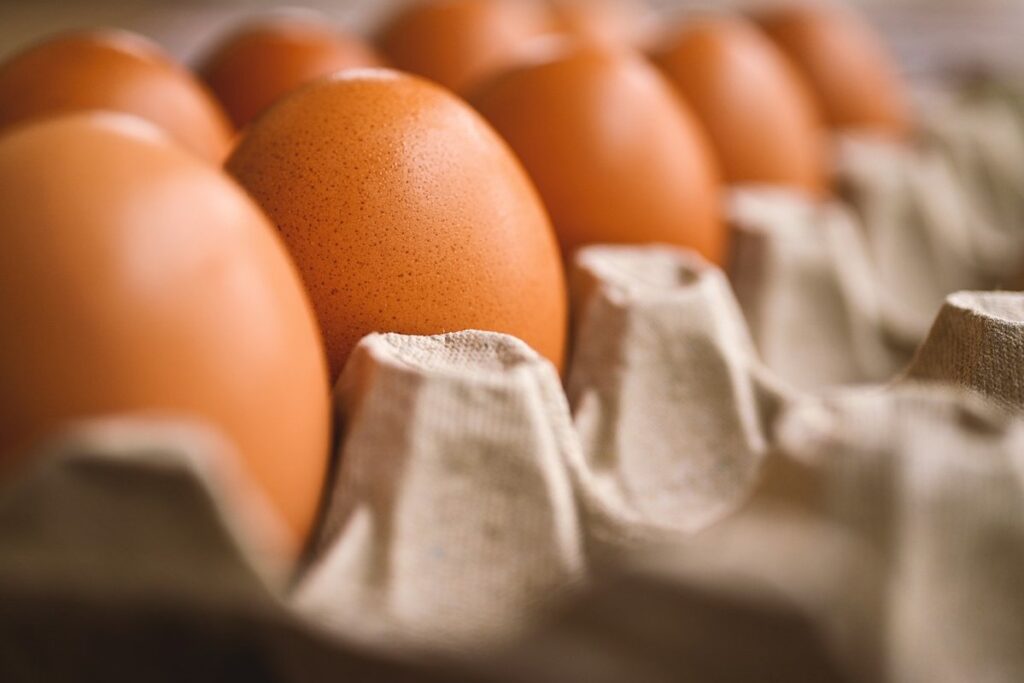
What Are Duck Eggs?
Let’s start by understanding what duck eggs are and how they compare to chicken eggs, which is essential for grasping size variations. You might be surprised at some of their key differences.
Characteristics of Duck Eggs
Duck eggs are distinct from chicken eggs in several key ways. One of the most notable differences is their larger size. On average, duck eggs can be up to 50% bigger than chicken eggs, with some breeds producing eggs that can weigh over 2 ounces each. This increased size translates into a higher volume of egg white and yolk, making duck eggs more filling and richer in nutrients.
Another characteristic of duck eggs is their shell thickness. Duck eggs have a thicker, harder shell than chicken eggs, which makes them less prone to cracking and breakage. This can be beneficial for cooks who want to store their eggs without worrying about damage. The shell’s increased thickness also contributes to the egg’s overall density, making it more substantial in hand.
In terms of composition, duck eggs have a higher yolk-to-white ratio than chicken eggs. This means that the yolk takes up a greater proportion of the egg’s volume, giving duck eggs their distinctive rich and creamy texture.
Nutritional Comparison to Chicken Eggs
When it comes to nutritional content, duck eggs are often compared to their more popular counterpart, chicken eggs. But do you know what sets them apart? Let’s take a closer look at the protein content, fat levels, and other key nutrients.
One of the most notable differences is in the yolk size and composition. Duck egg yolks have a higher fat content than chicken eggs, which makes them richer in omega-3 fatty acids and vitamins A, D, and E. In fact, duck eggs have been shown to contain up to 10% more protein than chicken eggs, making them an excellent choice for those looking to boost their protein intake.
In terms of macronutrients, a large duck egg contains around 14g of fat compared to the 9g found in a large chicken egg. While this may seem like a significant difference, it’s worth noting that much of this extra fat is in the form of healthy, unsaturated fats that are beneficial for heart health.
If you’re looking to incorporate more duck eggs into your diet, here are a few tips: always choose duck eggs from reputable sources and store them in the refrigerator to prevent spoilage. When cooking with duck eggs, keep in mind their richer flavor profile and adjust seasoning accordingly.
Factors Affecting Duck Egg Size
So, you’re wondering what can influence the size of your duck eggs? Well, let’s dive into some key factors that can affect their size.
Breed-Related Variations
When it comes to duck egg size, one of the most significant factors is the breed of the duck. Different breeds have been selectively bred for various characteristics, including egg-laying capacity and egg size. As a result, some breeds produce larger eggs while others lay smaller ones.
For example, Muscovy ducks are known for laying medium to large-sized eggs, often weighing around 60-70 grams. On the other hand, Khaki Campbell ducks are prolific layers that can produce up to 300 large white eggs per year, with each egg weighing approximately 55-65 grams.
Some breeds also have a tendency to produce larger or smaller eggs due to their genetic makeup. For instance, the Aylesbury breed is known for laying larger eggs, while the Call ducks are prolific layers of small eggs.
It’s essential to consider the breed when selecting duck eggs as it can significantly impact the size and quality of the eggs produced. By understanding the breed-related variations in egg size, you’ll be better equipped to manage your flock’s egg production and make informed decisions about breeding programs or choosing the right ducks for your needs.
Age and Health of the Mother Duck
The age and health of the mother duck play a crucial role in determining the size of her eggs. As ducks mature, their egg-laying abilities peak between 1 to 3 years of age. At this stage, they tend to produce larger eggs due to increased yolk production. However, if a duck is too young or old, her egg size may suffer.
Nutrition also affects egg production and size. A well-balanced diet rich in calcium, protein, and other essential nutrients ensures that the mother duck’s body can support healthy egg growth. On the other hand, deficiencies in these nutrients can lead to smaller eggs.
The overall health of the mother duck is equally important. Stress, illness, or injury can cause her to lay smaller eggs or even cease production altogether. Regular veterinary check-ups and a clean, safe living environment can help maintain her health and support optimal egg production. By prioritizing your ducks’ nutrition and health, you’ll be on your way to raising happy, healthy hens that produce high-quality eggs.
The Role of Nutrition in Egg Size
Now that we’ve explored the factors affecting egg size, let’s dive into how nutrition plays a crucial role in determining the size and quality of your duck eggs.
Impact of Diet on Egg Production
A well-balanced diet is crucial for optimal egg production, and it’s no different when it comes to duck eggs. The nutrients available to ducks can significantly impact the size of their eggs. Protein-rich feed, for instance, encourages larger yolk growth, while calcium supplements support stronger shells.
Ducks require a diverse range of minerals and vitamins to produce healthy eggs. Phosphorus, in particular, plays a critical role in eggshell formation. A lack of phosphorus can lead to weakened shells, resulting in smaller or misshapen eggs. Conversely, an adequate intake promotes stronger, more robust eggs.
The type of feed also influences egg size. Ducks fed on pasture-rich diets tend to produce larger eggs than those confined to grain-based feed. This is due to the higher nutrient content found in foraged foods, which often include fruits, vegetables, and insects.
In addition to a varied diet, maintaining optimal feeding practices is equally important. It’s recommended that ducks receive around 80-100% of their nutritional requirements through feed alone, with fresh water always available. By providing a balanced diet and ensuring access to clean drinking water, duck farmers can significantly enhance the size of their eggs.
Effects of Feed Composition on Egg Yolk and White
When it comes to duck egg size, feed composition plays a crucial role in determining the quality and quantity of nutrients present in the yolk and white. The protein levels in the feed are particularly important, as they directly impact the size of the eggs. Ducks require a diet rich in protein to produce large eggs, so farmers often supplement their feed with additional sources of protein such as soybean meal or fishmeal.
The fat content in the feed is also essential for egg production. A balanced ratio of fat to protein ensures that ducks are getting all the necessary nutrients to produce healthy eggs. Too little fat can lead to smaller eggs, while too much can result in a decrease in egg quality.
Other key nutritional factors affecting egg size include calcium and phosphorus levels. Adequate amounts of these minerals are necessary for strong eggshell production. A diet deficient in calcium or phosphorus can lead to weak or deformed eggs, which can be detrimental to the duck’s overall health.
Measuring Duck Egg Size: What You Need to Know
When measuring duck egg size, it’s essential to understand that different breeds can produce varying sizes of eggs, which can impact their weight and nutritional value. This section will guide you through the process of accurately measuring and comparing duck egg sizes.
Using Egg Scales for Accurate Measurement
When it comes to measuring duck egg size accurately, having the right tools and methods is crucial. One such tool that’s essential for any serious duck breeder or enthusiast is an egg scale.
An egg scale measures the weight of eggs precisely, allowing you to track changes over time and make informed decisions about breeding stock. This method is particularly useful when working with large flocks, as it saves time compared to manually measuring circumference. To use an egg scale effectively:
* Calibrate your scale regularly to ensure accuracy
* Record weights in pounds or grams for easy tracking
* Note any unusual patterns or fluctuations that may indicate health issues
Another option for accurate measurement is using a digital egg gauge, which measures both weight and circumference. These tools are often used in commercial settings but can also be beneficial for backyard breeders.
Regardless of the method you choose, remember to take multiple readings from each egg and record them consistently. This ensures accuracy and allows you to identify any trends or anomalies over time.
Understanding Weight vs Circumference Measurements
When measuring duck egg size, you’ll often come across two common methods: weight and circumference measurements. Both have their advantages and disadvantages, which are essential to understand before determining the accuracy of your measurements.
Using weight measurements can provide an accurate indication of egg size, as it takes into account the overall volume of the egg. This method is particularly useful when working with large numbers of eggs or in commercial settings where consistency is crucial. However, factors such as moisture content and shell thickness can affect the weight measurement, potentially leading to inaccuracies.
Circumference measurements, on the other hand, measure the egg’s diameter at its widest point. While this method is quick and easy to perform, it may not provide an entirely accurate representation of the egg’s overall size due to variations in shape and orientation. Furthermore, the accuracy of circumference measurements can be compromised by factors like egg alignment or measurement technique.
To achieve reliable results, consider combining both weight and circumference measurements for a more comprehensive understanding of your duck eggs’ size. This dual approach will help you account for any potential inaccuracies associated with each method individually.
The Economic Impact of Duck Egg Size
Let’s explore how varying duck egg sizes can impact farmers’ profits, from feed costs to market value, making it a crucial factor in their business decisions.
Market Demand for Large vs Small Eggs
The market demand for duck eggs is heavily influenced by their size. Larger eggs, often considered to be of higher quality, typically fetch a premium price in the market. In contrast, smaller eggs may not command as high a price due to concerns about eggshell thickness and the potential for breakage during transportation.
However, it’s worth noting that consumer preferences are shifting towards larger duck eggs, particularly among chefs and restaurateurs who value their richer flavor and firmer texture. As a result, farmers who specialize in producing large duck eggs may be able to command higher prices in specialty markets or through direct-to-consumer sales.
Ultimately, the profitability of duck egg farming will depend on factors such as feed costs, production volume, and market demand. Farmers should consider their target market and pricing strategy when deciding which size of egg to produce. By understanding the nuances of market demand for different sizes of duck eggs, farmers can make informed decisions that optimize their operations and maximize their profits.
Effects on Feed Costs and Farm Efficiency
The size of eggs also has a significant impact on feed costs and farm efficiency. When it comes to duck egg production, larger eggs require more feed to produce, which can be costly for farmers. According to industry estimates, increasing egg size by just 1% can lead to a 2-3% increase in feed costs. This may not seem like a lot, but it can add up quickly, especially on large-scale farms.
To put this into perspective, consider that a single layer hen may eat around 120-140 grams of feed per day to produce an average-sized egg. However, if the farmer is aiming for larger eggs, they may need to provide an additional 10-20% more feed, which can result in higher production costs.
As farmers strive to balance profitability with consumer demand for large eggs, it’s essential to optimize feed allocation and monitor farm efficiency closely. This might involve implementing feeding strategies that prioritize egg size, adjusting the type or quantity of feed used, or exploring alternative methods for enhancing egg growth without increasing feed intake. By making informed decisions about feed costs and efficiency, farmers can navigate the complex relationship between duck egg size and profitability.
How to Choose the Right Duck Breed for Your Needs
When it comes to raising ducks, selecting a breed that fits your lifestyle and needs is crucial. Here’s how to choose the right duck breed for your needs.
Factors to Consider When Selecting a Breed
When selecting a duck breed, it’s essential to consider their purpose and how they’ll fit into your farm or backyard setup. If you’re looking for a reliable egg producer, some breeds are bred specifically for this trait. For instance, Khaki Campbells and Indian Runners are known for laying an average of 300 eggs per year, making them ideal for families or small-scale farmers.
On the other hand, if you’re interested in raising ducks for meat, breeds like Muscovy and Wood Ducks are better suited due to their rapid growth rate and tender flesh. Other factors to consider include climate adaptability, noise level, and feather maintenance. For example, some duck breeds shed heavily during molting season, which may not be suitable for urban or noise-conscious areas.
Ultimately, research the specific needs of your chosen breed to ensure they align with your resources and goals.
Popular Breeds and Their Characteristics
When it comes to choosing the right duck breed for egg-laying and other desirable traits, several popular breeds stand out from the rest. One of these is the Khaki Campbell, a favorite among backyard farmers due to its exceptional laying ability. These ducks can produce up to 300 eggs per year, making them an ideal choice for families or individuals looking to collect eggs regularly.
Another notable breed is the Indian Runner, known for its high egg production and energetic nature. On average, these ducks lay around 250-280 eggs annually, with some reporting as many as 320. Their compact size also makes them suitable for smaller spaces.
Other breeds worth considering are the Golden 300 Hybrid and the Muscovy. The Golden 300 Hybrid is prized for its ability to adapt to different climates and environments, producing an average of 275-300 eggs per year. Meanwhile, the Muscovy is valued for its high egg production, laying around 200-220 eggs annually.
These breeds have proven themselves in various environments and can be a great starting point for new duck owners.
Frequently Asked Questions About Duck Egg Size
You might have some burning questions about duck egg size, and we’re here to help you get answers. Below, we’ll address some of the most common queries.
Common Misconceptions About Large vs Small Eggs
When it comes to duck eggs, many people assume that larger eggs are superior in every way. However, this is not entirely true. One common misconception is that large eggs have more protein and better nutritional content than smaller ones. While it’s true that larger eggs may contain slightly more calories and fat, the difference is relatively minor.
In fact, studies have shown that egg size has little to no effect on nutritional value. For example, a study published in the Journal of Agricultural and Food Chemistry found that there was no significant difference in protein content between large and small duck eggs.
Another misconception is that larger eggs cook faster than smaller ones due to their larger size. However, cooking time actually depends more on egg density rather than size. Smaller eggs can be just as cooked-through as larger ones if cooked for the right amount of time. To avoid overcooking or undercooking your duck eggs, use a thermometer to check for doneness.
When choosing between large and small duck eggs, consider what you plan to use them for. If you’re looking for a versatile egg that can be used in baking, boiling, or frying, the size may not matter as much. But if you’re planning a specific recipe, such as making caviar or omelets, smaller eggs might be the better choice due to their more delicate flavor and texture.
Tips for Consumers Buying Duck Eggs
When buying duck eggs, it’s essential to know what to look for to ensure you’re getting high-quality eggs that meet your needs. Start by checking the egg size label, which should indicate the weight and volume of the egg. A larger egg doesn’t always mean better quality, so consider factors like freshness, appearance, and handling.
Check for cracks or visible damage on the shell, as these can compromise the egg’s safety and quality. Look for eggs with clean, smooth shells that are free from dirt, stains, or other contaminants. The egg white should be clear and firm, while the yolk should be bright yellow and free of blood spots.
If you’re concerned about allergies or dietary restrictions, consider duck eggs labeled as “allergy-friendly” or “free-range.” Always check with the seller or supplier for information on how the ducks are raised and fed. Lastly, remember that duck eggs can be more expensive than chicken eggs, so set a budget and plan accordingly to make the most of your purchase.
Some buyers also look for additional certifications like “organic” or “pasture-raised,” which may indicate higher standards of animal welfare and farming practices. By taking these factors into consideration, you’ll be well-equipped to select high-quality duck eggs that meet your needs and preferences.
Frequently Asked Questions
Can I use duck eggs as a substitute for chicken eggs in baking, or are there any specific considerations to keep in mind?
Yes, you can use duck eggs as a substitute for chicken eggs in baking, but you may need to adjust the recipe and consider the differences in egg size and richness. Due to their larger size and thicker shells, duck eggs can be more suitable for rich and moist baked goods.
How do I handle duck eggs that are slightly smaller or larger than average? Can they still be sold as premium products?
Smaller or larger duck eggs can still be used and sold as premium products if properly handled and marketed. Consider factors such as egg weight, circumference, and the desired market demand for larger or smaller eggs to maximize profitability.
What’s the best way to store duck eggs to maintain their freshness and quality?
Store duck eggs in a cool, dry place, away from direct sunlight, with the large end up. Keep them pointed end down to prevent moisture from entering the egg through the air cell. This will help maintain freshness and quality for several weeks.
Can I breed ducks specifically for their egg-laying capabilities, or is it better to prioritize other characteristics?
Yes, you can breed ducks specifically for their egg-laying capabilities by selecting breeds known for high egg production, such as Khaki Campbells or Indian Runners. However, consider factors like feed costs, farm efficiency, and market demand before making a final decision.
How do I measure duck eggs accurately to ensure accurate pricing and marketing?
Use a digital egg scale that can accurately weigh eggs up to 2 ounces or more. Consider using circumference measurements as well to account for irregularities in egg shape. This will help you provide accurate information to customers about the size and quality of your duck eggs.