
When it comes to raising healthy and thriving ducks, understanding their growth rate is crucial for success. As a duck breeder or owner, you want to ensure that your feathered friends are developing optimally, whether it’s for egg production, meat, or companionship. Genetics, nutrition, environment, and health considerations all play significant roles in shaping a duckling’s growth trajectory. In this comprehensive guide, we’ll delve into the intricacies of duckling development, providing you with valuable insights to optimize their growth rates. We’ll explore the impact of genetics on growth patterns, discuss the essential nutrients for rapid development, examine how environment influences growth, and offer expert advice on maintaining optimal health. By the end of this article, you’ll be equipped with the knowledge necessary to raise robust and thriving flocks, ensuring your ducklings reach their full potential.
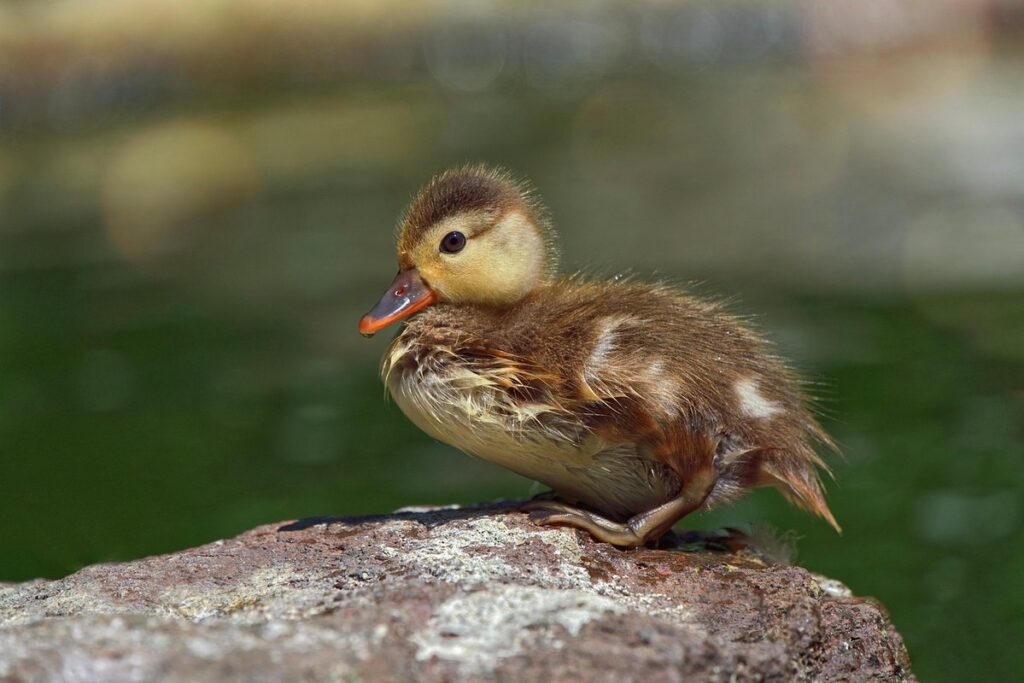
Factors Influencing Duckling Growth Rate
Several factors influence the growth rate of ducklings, including nutrition, temperature, and breed characteristics. Understanding these influences is crucial for raising healthy ducks.
Genetically Determined Growth Potential
When it comes to duckling growth rates, genetics play a significant role. The breed of your ducks can greatly impact their growth potential, with some breeds growing faster and larger than others. For instance, Pekin ducks are known for their rapid growth rate, reaching maturity in as little as 10-12 weeks, whereas Muscovy ducks take around 16-18 weeks.
One key factor affecting genetic growth potential is egg size. Larger eggs tend to produce bigger ducklings, which can grow faster and reach maturity sooner. However, this also means that larger eggs may have lower hatchability rates due to their increased size. On the other hand, smaller eggs result in smaller ducklings with slower growth rates.
Understanding embryonic development is crucial as well. The genetics of your duck breed determine how quickly and efficiently nutrients are transferred from the egg yolk to the developing embryo. This process directly impacts the duckling’s growth rate and overall health. By choosing breeds with a strong genetic foundation, you can optimize your ducklings’ growth potential and ensure they reach their full size and maturity at an optimal rate.
Nutritional Requirements for Optimal Growth
As ducklings grow and develop at an incredible rate, proper nutrition plays a vital role in supporting their optimal growth. During the critical stages of development, brood starter feed composition becomes crucial in providing the necessary nutrients for rapid growth.
A high-quality brood starter feed should contain a balanced mix of protein (18-20%), energy (12-14% crude protein and 3,000-3,500 kcal/kg), vitamins, and minerals. These essential nutrients promote healthy development, including feather growth, muscle formation, and immune system function. A common mistake many duck farmers make is overfeeding their ducklings, which can lead to malnutrition and slowed growth rates.
To avoid this issue, it’s essential to follow a structured feeding schedule. For the first four weeks, ducklings should be fed starter feed ad libitum (free-choice), gradually introducing pellets or mash as they grow. Ensure fresh water is always available for drinking. Nutrient deficiencies can occur if ducklings are not provided with adequate calcium and phosphorus levels in their diet.
Environmental Factors Affecting Growth
Environmental conditions play a vital role in shaping duckling growth rates. Temperature and humidity levels significantly impact the development of young ducks. For instance, optimal temperatures for ducklings range between 85°F to 90°F (29°C to 32°C), while extreme heat above 95°F (35°C) can slow down their growth rate. Conversely, cold temperatures below 65°F (18°C) can lead to reduced feeding efficiency and increased mortality rates.
Humidity levels also need attention; a relative humidity of 50-60% is ideal for ducklings. Inadequate or excessive moisture can cause respiratory issues, stress, and decreased appetite. Adequate ventilation is essential in maintaining optimal living conditions, which should be around 1 square foot (0.09 sq m) per duckling.
To create an optimal environment, ensure proper ventilation, temperature control, and maintain humidity levels between 50-60%. Monitor the health and growth of your ducklings regularly to make necessary adjustments. By providing a suitable environment, you can promote healthy growth rates in your young ducks. Consider investing in climate-controlled brooders or ensuring adequate space for your flock to roam and exercise.
Embryonic Development and Hatching
As you watch your ducklings grow, it’s fascinating to learn how they develop inside their eggs before breaking free. Let’s take a closer look at the embryonic stages that ultimately lead to hatching.
Stages of Embryonic Development
Embryonic development is a complex and fascinating process that lays the foundation for a duckling’s post-hatch growth. It begins with fertilization, where a sperm cell fuses with an egg cell to form a zygote. This single cell then undergoes rapid division, forming a blastoderm – a flat disc of cells – which adheres to the shell membrane.
As the embryo develops, it progresses through several critical stages: gastrulation, where the germ layers (ectoderm, endoderm, and mesoderm) begin to form; organogenesis, where these layers differentiate into specific organs and tissues; and morphogenesis, where the embryo’s shape and structure take form. During this period, around 12-14 days of incubation, vital systems like the circulatory, respiratory, and nervous systems start to develop.
By day 21-22 of incubation, the duckling has developed enough to begin responding to external stimuli, such as peeping and moving its beak. Its internal organs are also maturing, preparing it for life outside the egg. This stage is crucial in determining post-hatch growth rates, as any disruptions or irregularities can impact a duckling’s overall development.
Factors Influencing Hatchability Rates
When it comes to successfully hatching ducklings, several factors can influence hatchability rates. One crucial aspect is egg quality. Fresh and clean eggs are essential for a healthy start. Ensure that the eggs are collected from a reputable breeder or farm, and check for any visible cracks or damage before incubation.
Another critical factor is incubation temperature. Most duck breeds require an incubator temperature between 99.5°F to 100.5°F (37.7°C to 38°C). Maintain consistent temperatures throughout the incubation period to prevent embryo development issues.
Humidity levels also play a significant role in hatchability rates. Aim for a humidity level of around 50-60% during the first 24 hours and gradually increase it to 70-80% until hatching. Proper ventilation is vital, as high humidity can lead to mold growth and decreased hatch success.
To improve hatch success, ensure your incubator is calibrated correctly and regularly clean and disinfect it to prevent bacterial contamination. Monitor temperature and humidity levels closely throughout the incubation period, making adjustments as necessary. By controlling these factors, you can significantly increase the chances of healthy ducklings hatching successfully.
Post-Hatch Growth Patterns
Now that you understand how ducklings develop, let’s dive into their growth patterns after hatching. This crucial phase sets the stage for their overall development and health.
Weight Gain and Body Composition
Monitoring duckling weight gain and body composition during the first few weeks post-hatch is crucial for ensuring optimal growth and development. Between 0-3 days old, ducklings rely on yolk sac reserves for sustenance, but as they transition to solid feed around 4-6 days of age, it’s essential to introduce a balanced diet that supports rapid growth.
Aim to provide ducklings with 20-25% protein and 1-2% calcium content in their starter feed. You can achieve this by mixing a commercial duckling starter with crushed oyster shells or eggshells as a calcium supplement. For example, if you’re feeding 10 ducklings 100 grams of starter per day, add about 5 grams of crushed oyster shells to the mix.
Regular weigh-ins are also vital for monitoring weight gain and adjusting feed accordingly. Aim for an average daily weight gain of around 20-25 grams during this period. By focusing on optimal feeding strategies and closely monitoring duckling development, you can set your brood up for a healthy and robust growth phase.
Feather Development and Molting
As ducklings grow and develop, they undergo a critical process of feather development and molting. This complex physiological transformation requires precise nutritional support and environmental conditions to ensure healthy growth.
Feather development is essential for insulation, protection from the elements, and aerodynamics during flight. Nutritional deficiencies can lead to stunted or deformed feathers, compromising the duckling’s overall health and performance. A balanced diet rich in protein, calcium, and other essential micronutrients is crucial to support feather growth. As a general rule of thumb, provide your ducklings with 18-20% crude protein content in their starter feed for optimal feather development.
In addition to nutrition, environmental considerations also play a vital role in supporting healthy feather growth. Provide a clean, dry, and well-ventilated brooder or enclosure to prevent ammonia buildup and bacterial infections that can lead to feather damage. Ensure adequate light exposure to promote overall health and growth. By paying attention to these essential factors, you’ll be able to support your ducklings’ rapid growth rate and help them thrive into robust adult ducks.
Health Considerations and Growth Rate
When it comes to raising ducklings, understanding health considerations is crucial to prevent illnesses and ensure their overall well-being. This section covers essential factors that affect growth rate.
Common Duckling Diseases Affecting Growth
As ducklings grow and develop, they can be susceptible to various diseases that may impact their growth rate. Two of the most common bacterial infections affecting ducklings are Pasteurellosis and Erysipelas. These conditions can lead to lethargy, weight loss, and respiratory problems in young ducks.
Viral infections like Duck Plague (also known as Anserina) and Avian Influenza can also compromise growth rates. Outbreaks of these viruses can be devastating for duck farmers, causing high mortality rates among the flock.
Preventing disease outbreaks requires attention to hygiene practices such as regular cleaning and disinfecting of equipment, enclosures, and feeders. Providing a balanced diet rich in nutrients and ensuring access to clean water are also crucial for maintaining healthy ducklings.
It’s essential to monitor your ducklings regularly for signs of illness and seek veterinary care promptly if you notice any unusual symptoms or a decline in their growth rate. Vaccination programs can also be implemented to protect against specific diseases, but it’s vital to consult with a veterinarian before starting such programs to ensure they are effective for your flock.
Nutritional Deficiencies and Toxicities
Nutritional deficiencies and toxicities can significantly impact duckling growth rate. A diet lacking essential nutrients can lead to stunted growth, weakened immune systems, and increased susceptibility to diseases. For instance, a deficiency in vitamin D3 can cause softening of the beak and bones, while inadequate protein intake can result in poor feather growth.
Symptoms of nutritional deficiencies may include lethargy, ruffled feathers, weight loss, and digestive issues. If you suspect your ducklings are not thriving due to dietary shortcomings, consult a veterinarian for guidance on diagnosis and treatment. Regular health checks and monitoring of feed quality can help prevent such issues.
Common culprits behind toxicities in duckling diets include moldy feed, contaminated water sources, and exposure to pesticides or heavy metals. Avoid placing feeding troughs near areas where predators may contaminate the food, and keep a watchful eye on your ducklings’ access to the surrounding environment. Regularly inspect the water for signs of contamination, such as algae growth or unusual odors.
Managing Duckling Growth in Small-Scale Flocks
As you care for your small-scale flock, managing duckling growth requires attention to their feeding habits, housing conditions, and social interaction. Proper management helps ensure healthy development during this critical stage.
Feeding Strategies for Small Flock Management
When managing small-scale duck flocks, feeding strategies play a crucial role in supporting the rapid growth and development of ducklings. One effective approach is batch feeding, where ducklings are fed together in groups at set times to encourage uniform growth rates and minimize waste.
To implement batch feeding successfully, start by dividing your flock into smaller groups based on age and weight. Feed each group separately, using a scale or measuring cups to ensure accurate portioning. This method also helps reduce competition for food and minimizes the risk of overeating.
Consider supplementing with high-quality feed additives that enhance nutrient absorption and promote healthy digestion. For example, probiotics can support gut health, while omega-3 fatty acid supplements can boost skin and feather development. Regularly monitoring waste levels is also essential to prevent overfeeding and maintain a clean environment.
When selecting a feeding schedule, remember to balance quantity with quality: ducklings require 10-15% of their body weight in feed daily during the first few weeks after hatching.
Monitoring Growth Rates in Small Flocks
When managing small-scale flocks, it’s essential to closely monitor duckling growth rates to ensure they reach their full potential. To track progress accurately, you’ll need a reliable system for collecting data and maintaining records.
Start by establishing a regular weighing schedule, ideally weekly or biweekly, depending on the age of the ducklings. This frequency allows you to catch any deviations from normal growth patterns early on. Invest in a high-quality digital scale specifically designed for poultry, as these will provide precise readings and make record-keeping easier.
In addition to weighing, keep accurate records of feed consumption, water intake, and overall health. Consider implementing a mobile app or spreadsheet to track this information, making it simple to identify trends and areas for improvement. For example, you can use apps like ‘Poultry Keeper’ or ‘Farm Notebooks’ to digitize your record-keeping process.
Developing a comprehensive growth chart will help you visualize the progress of individual ducklings or the entire flock. This visual representation enables you to quickly spot any issues or deviations from average growth rates. By staying vigilant and making adjustments as needed, you’ll be able to optimize nutrition, health care, and overall management strategies for your small-scale flock.
Conclusion: Optimizing Duckling Growth
Now that you’ve learned how ducklings develop, let’s explore practical tips for optimizing their growth to ensure healthy and robust waterfowl. We’ll discuss key strategies for a thriving flock.
Recap of Key Factors Influencing Growth Rate
To recap, we’ve established that duckling growth rates are influenced by several key factors. Genetics play a significant role, with some breeds growing faster than others due to selective breeding programs. For instance, Muscovy ducks tend to grow at a slower rate compared to Pekin ducks.
Environmental conditions also have an impact on duckling growth. Nutrition and access to clean water are crucial for optimal development. A diet rich in nutrients and protein is essential for supporting rapid growth during the first few weeks of life. Additionally, maintaining a temperature range between 90°F to 100°F (32°C to 38°C) can promote healthy development.
Health status and disease management also come into play. Ducklings exposed to diseases like avian influenza or bacterial infections may experience stunted growth or even mortality. Regular health checks and proper biosecurity measures are vital for preventing disease outbreaks and maintaining optimal growth rates.
Overall, it’s essential to consider these factors when evaluating duckling growth rates. By understanding the interplay between genetics, environment, and health status, you can make informed decisions about how to optimize growth in your flock.
Recommendations for Breeders to Optimize Growth Rates
If you’re a small-scale breeder looking to optimize duckling growth rates, here are some tailored recommendations to help you achieve this goal. Firstly, it’s essential to develop a feeding plan that caters to the specific nutritional needs of your ducklings at different stages of their development.
A common mistake breeders make is overfeeding their young birds, which can lead to poor growth rates and increased susceptibility to disease. To avoid this, provide starter feed with a balanced mix of protein, energy, and other essential nutrients from day one. Gradually introduce more complex feeds as your ducklings grow, ensuring they have access to fresh water at all times.
Monitor your ducklings’ weight gain regularly, adjusting their feeding schedule accordingly. Aim for a growth rate of around 10-15% per week for the first few weeks after hatching. Regularly check on the health and cleanliness of your duckling environment, removing any dead or weak birds to prevent disease spread.
By following these tailored feeding strategies and careful monitoring, you can optimize duckling growth rates and set them up for a healthy and successful life.
Frequently Asked Questions
What are some signs of nutrient deficiencies that I should be looking out for in my ducklings?
Nutrient deficiencies can manifest as lethargy, feather loss, or stunted growth. Regularly inspect your ducklings’ droppings and feathers to identify potential issues. Ensure they have access to a balanced diet rich in protein, calcium, and vitamins. Consult with a veterinarian if you suspect nutrient deficiencies.
How often should I weigh my ducklings, and what are the ideal weight ranges for different breeds?
Weighing your ducklings regularly helps monitor their growth rate. Ideal weights vary by breed; for example, Pekin ducks typically reach 2-3 pounds (1-1.5 kg) within six weeks of age. Record your ducklings’ weights to track progress and adjust feeding strategies accordingly.
Can I raise ducklings in a small flock, or is it better to keep them in larger groups?
Both options have pros and cons. Small flocks require more individual attention but can be beneficial for breeders who need to monitor growth rates closely. Larger groups can be more manageable but may increase the risk of disease transmission.
How do I ensure my ducklings are getting enough light exposure, particularly during winter months or in low-light environments?
Natural light is essential for duckling development. Provide supplemental lighting if necessary, aiming for 14-16 hours of light per day. Consider using LED grow lights specifically designed for poultry, as they emit a spectrum tailored to promote healthy growth.
Can I use store-bought feed mixtures for my ducklings, or do I need to create custom feeds?
Store-bought feed mixes can be convenient but may not meet your ducklings’ specific nutritional needs. Consider creating custom feeds using locally sourced ingredients and consulting with a veterinarian or poultry expert to ensure optimal nutrient balance.