
Duck egg hatch day 28 is finally here, and you’re probably eager to know if your eggs will crack open to reveal adorable ducklings. As a breeder or enthusiast, you’ve likely spent hours incubating these precious eggs, carefully monitoring their progress from Day 1 to this critical milestone.
On Day 28, the embryo positioning inside the egg is crucial for successful hatching. You’ll want to check if the duckling has moved into position for pipping, which means breaking through the shell. This can be an anxious time, but knowing what to expect can ease your worries. In this article, we’ll take you through the steps of post-hatching care and provide troubleshooting tips to address any issues that may arise.
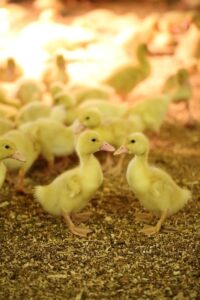
Understanding the Timeline
Now that we’ve reached day 28, let’s explore what you can expect from your duck eggs and when to anticipate hatch day.
Importance of Monitoring Incubation Days
Monitoring incubation days is a critical aspect of ensuring successful hatching on day 28. It’s essential to track and record each passing day to identify potential issues before they become major problems. On day 28, you should be looking for signs of pipping, where the duckling starts breaking out of its shell.
As you approach this milestone, pay close attention to any unusual behaviors or sounds from the eggs. You may notice a slight increase in temperature or humidity fluctuations, which can impact hatching success. Keep your incubator’s temperature between 99°F and 100°F (37°C to 38°C) and maintain a consistent humidity level.
On day 28, you should also be prepared for some of the ducklings to hatch prematurely due to their individual development pace. Make sure you have a plan in place to safely handle these early hatchers, providing them with essential care until all eggs hatch.
Common Issues on Day 28
On day 28, many duck egg hatches are nearing completion, but some issues may still arise. One common problem is pip formation delays or failures. This can be caused by the embryo not breaking through the shell membrane correctly, leading to respiratory distress and eventually death.
Another issue that may occur around this time is delayed embryo development. This can be due to various factors such as inadequate temperature control, poor egg quality, or infection within the brooder. As a result, the chick may fail to pip on schedule, causing undue stress on the developing embryo.
To mitigate these risks, it’s essential to maintain optimal incubation conditions and closely monitor your duck eggs daily for any signs of distress or delay. A slight drop in temperature can significantly slow down the hatching process. If you suspect issues, carefully inspect the eggs under a light source for visible cracks or pip holes.
Duck Egg Development on Day 28
On day 28 of incubation, duck eggs are fully formed and preparing for hatching, with embryos getting ready to pip their beaks through the shell. You’ll want to ensure everything is in place for a successful hatch.
Embryo Positioning and Movement
At day 28 of incubation, you can expect significant changes in embryo positioning and movement within the duck egg. The embryos are now actively moving and adjusting their position to prepare for hatching. One notable change is the shift from a more centralized position towards the yolk sac to a location closer to the air cell.
As the embryos move around, you might notice them changing direction or even performing somersaults within the egg. This movement is crucial in preparing the ducklings’ respiratory and circulatory systems for the demands of hatching. The increased movement also helps strengthen their joints and prepare their muscles for the break-out from the shell.
It’s essential to monitor the eggs closely during this period, as excessive or uncontrolled movement can be a sign of potential issues. Check for any visible signs of egg disturbance or unusual movement patterns, which may indicate problems with embryo development. If you notice anything unusual, consult your incubation manual or contact an experienced breeder for guidance.
Keep in mind that every duck egg is unique, and some embryos might develop at slightly different rates. Regular checks will help you identify any potential issues early on, allowing for prompt intervention if needed.
Shell Membrane and Air Sac Development
On day 28 of duck egg development, two crucial structures begin to take shape: the shell membrane and air sac. These components play a vital role in the hatching process and are essential for the chick’s survival outside the egg.
The shell membrane is a thin layer of tissue that separates the shell from the inner membranes of the egg. It helps to regulate gas exchange, keeping the egg atmosphere rich in oxygen while preventing excessive moisture loss. As the embryo grows, the shell membrane becomes more prominent, and its role in maintaining a stable internal environment becomes critical.
The air sac, on the other hand, is a cavity filled with air that provides buoyancy to the chick as it develops. By day 28, the air sac has expanded significantly, taking up about one-third of the egg’s volume. This expansion allows for increased gas exchange and helps to reduce pressure within the egg.
Both structures are critical for hatching success. A properly developed shell membrane ensures that the embryo receives adequate oxygen while preventing excessive moisture loss, while a sufficiently large air sac provides buoyancy and facilitates gas exchange. As an egg sitter, it’s essential to monitor the development of these structures closely, ensuring that they are adequately formed by day 28 for a successful hatch.
Pre-Hatching Cues on Day 28
On day 28 of incubation, it’s essential to pay attention to subtle cues that indicate your duck eggs are preparing to hatch. Look for signs like increased pip rates and stronger egg movement.
Pipping Process
As you approach day 28 of incubation, one of the most exciting and critical stages is the pipping process. This is when your duckling starts to break out of its shell, a signal that hatching is just around the corner. The pipping process usually begins with a series of faint scratching sounds coming from inside the egg. You may also notice the egg turning slightly as the duckling moves and tries to position itself for escape.
As the pipping becomes more intense, you’ll start hearing a soft, scratchy noise, often accompanied by a slight rocking motion of the egg. This is your cue to gently turn the egg every 2-3 hours to ensure even development and prevent the duckling from getting stuck in one spot. The scratching sounds may be quite loud at this stage, but reassure yourself that it’s all part of the normal hatching process.
Pay close attention to the visual cues as well – a small hole will start to form on the top of the egg, followed by the emergence of the duckling’s beak and head. This is your signal to prepare for hatching within the next 24-48 hours.
Shell Breaking and Emergence
As you approach day 28 of incubation, the excitement builds up as you anticipate the imminent hatching of your duck eggs. The final stages of hatching are a critical period where the embryo undergoes a series of dramatic changes to break free from its shell. One of the most crucial signs of impending hatching is the breaking of the air sac, also known as pipping.
The air sac, which has been expanding over the past few days, will begin to crack and eventually break open, allowing the duckling to breathe and start making its way out of the shell. This process can be a bit intense, but rest assured that it’s a natural part of the hatching process. To confirm pipping, gently rock the egg or use a candling light to observe the air sac.
As pipping progresses, you’ll notice the duckling starting to emerge from its shell, first with its beak and then its head. This is an incredibly exciting moment, but it’s essential to handle the eggs carefully during this time to avoid causing any harm to the developing duckling. Be patient and observe your eggs closely as they go through this final stage of development.
Care Instructions on Day 28
As we approach day 28, it’s crucial to review your ducklings’ care requirements carefully, making sure their enclosure is clean and free from drafts.
Environmental Considerations
When day-old ducklings emerge from their shells on hatch day 28, they require an ideal environment to thrive. The temperature is a crucial factor, and it’s essential to maintain a consistent range between 90°F to 95°F (32°C to 35°C) for the first few weeks. You can use a heat lamp or ceramic heat emitters to ensure this temperature.
Humidity levels also play a vital role in keeping your ducklings healthy. Aim for a relative humidity of around 50-60% by placing a humidifier near their brooder. However, be cautious not to overdo it, as high humidity can lead to respiratory issues. Lighting is another critical aspect; provide a photoperiod of 24 hours of light to simulate day and night cycles.
Keep in mind that ducklings need darkness to rest and sleep. To balance this, you can use a timer to switch the lights on and off. It’s also essential to ensure good ventilation in their brooder to prevent ammonia buildup from droppings.
Nutrition and Hydration
As we approach day 28 of incubation, it’s essential to provide your newly hatched ducklings with a nutritious and safe environment. When it comes to feeding and watering, you’ll want to set up a brooder that meets their specific needs.
A brooder is an enclosed space where you can safely raise your ducklings until they’re old enough to join the rest of the flock. For day 28 hatchlings, aim for a brooder temperature range of around 90-95°F (32-35°C) with a humidity level between 50-60%. You’ll also need to provide adequate ventilation to prevent respiratory issues.
When it comes to feeding, you can start introducing duckling starter feed from day 1. Make sure the feed is rich in protein and calcium for optimal growth. A good rule of thumb is to offer around 10-15% protein content in their diet. Fresh water should be available at all times, with a shallow dish or waterer specifically designed for young ducklings.
Remember to monitor your ducklings’ intake closely and adjust the feed amount as needed to prevent overfeeding or underfeeding.
Troubleshooting Common Issues
As you’re nearing the 28th day of incubation, issues may arise, so let’s tackle some common problems and their potential solutions to ensure a successful hatch. This section addresses frequent concerns that can impact your duck egg hatching process.
Delayed Hatching or Failure to Hatch
Delayed hatching or failure to hatch is a common concern for duck breeders on day 28 of incubation. If you haven’t already observed pipping (the chick breaking out of its shell), and the egg remains stationary, it’s time to investigate.
Potential causes include inadequate temperature, humidity fluctuations, or contamination. Incorrect thermostat settings can lead to an under- or over-heated environment. Monitor your thermometer closely; a deviation of even 1-2°F from optimal temperatures (99-100°F) can be detrimental.
Another possible cause is moisture imbalance, which affects embryonic development. Check for any leaks in the incubator and maintain consistent humidity levels between 50-60%. Inadequate or excessive ventilation can also impact hatch rates.
If you suspect contamination, carefully inspect each egg for visible signs of mold, fungus, or bacteria growth. If you find an infected egg, it’s best to discard it immediately to prevent spreading disease among other eggs.
To address delayed hatching, gently rotate the incubator every 6-8 hours to ensure even temperature distribution and prevent embryonic development issues.
Post-Hatching Care Mistakes
Caring for ducklings after they’ve hatched can be overwhelming, especially if you’re new to breeding. However, making a few common mistakes can have serious consequences on their health and well-being. One of the most critical errors is improper ventilation in the brooder. New breeders often underestimate the importance of airflow, thinking that it’s not essential until the ducklings are older.
Proper ventilation is crucial to prevent respiratory problems, ammonia buildup, and even death. A general rule of thumb is to provide 20-30 square inches of space per duckling outside of a brooder. To achieve this, you can use a combination of windows, vents, or fans to maintain a steady airflow. Remember, it’s better to err on the side of caution and have slightly more ventilation than not enough.
Another critical aspect is feeding. New breeders often feed their ducklings too much or too little food, leading to malnutrition or obesity. Aim for 20-25% protein in their diet, and provide a balanced starter crumble as the primary food source. Also, be mindful of the water-to-food ratio – aim for 1:10 (water:food) to prevent dehydration. With attention to these details, you can ensure your ducklings get off to a healthy start.
Frequently Asked Questions
How can I confirm if my ducklings have successfully pipped on Day 28?
Carefully inspect the egg for a small hole or crack, indicating that the duckling has started to break out of its shell. This is usually accompanied by a slight increase in temperature and humidity fluctuations.
What should I do if I notice an unusual smell from the eggs around hatch day?
An unusual smell can indicate bacterial growth or contamination. Immediately check for signs of mold or fungal growth on the egg, and take corrective action to maintain proper incubation conditions, ensuring optimal hatching success.
How often should I monitor the temperature and humidity levels during this critical period?
Maintain a strict monitoring schedule to ensure precise temperature (99°F – 100°F) and humidity control. This is crucial for successful embryo development and pipping on Day 28. Regular checks will help you catch any deviations promptly, preventing potential issues.
What are some common signs of delayed hatching or failure to hatch?
Delayed hatching may be indicated by the absence of pipping or no movement from the duckling after 72 hours past expected hatch day. Failure to hatch often results in an egg with a dead embryo and a sealed shell. In both cases, it’s essential to inspect the egg for any cracks or damage.
Can I handle the ducklings immediately after they’ve hatched, or is there a waiting period?
Yes, you can gently handle the ducklings about 2-3 hours after emergence from their shells. However, be cautious not to startle them. Proper handling will help them adjust quickly and promote healthy development.