
If you’re a poultry farmer or breeder, you’re probably no stranger to the challenges of keeping your ducklings healthy. But have you ever heard of niacin deficiency in ducklings? It’s more common than you think, and if left untreated, it can lead to serious health issues and even death. Niacin is an essential nutrient that plays a crucial role in metabolism, energy production, and maintaining healthy skin and feathers. In ducklings, a lack of niacin can cause symptoms like poor growth rate, lethargy, and changes in feather texture. But don’t worry – with the right information and knowledge, you can prevent and treat niacin deficiency in your ducklings effectively. In this article, we’ll explore the causes, symptoms, diagnosis, treatment options, and prevention strategies for niacin deficiency in ducklings, so you can provide the best possible care for these adorable and crucial members of your farm or breeding program.
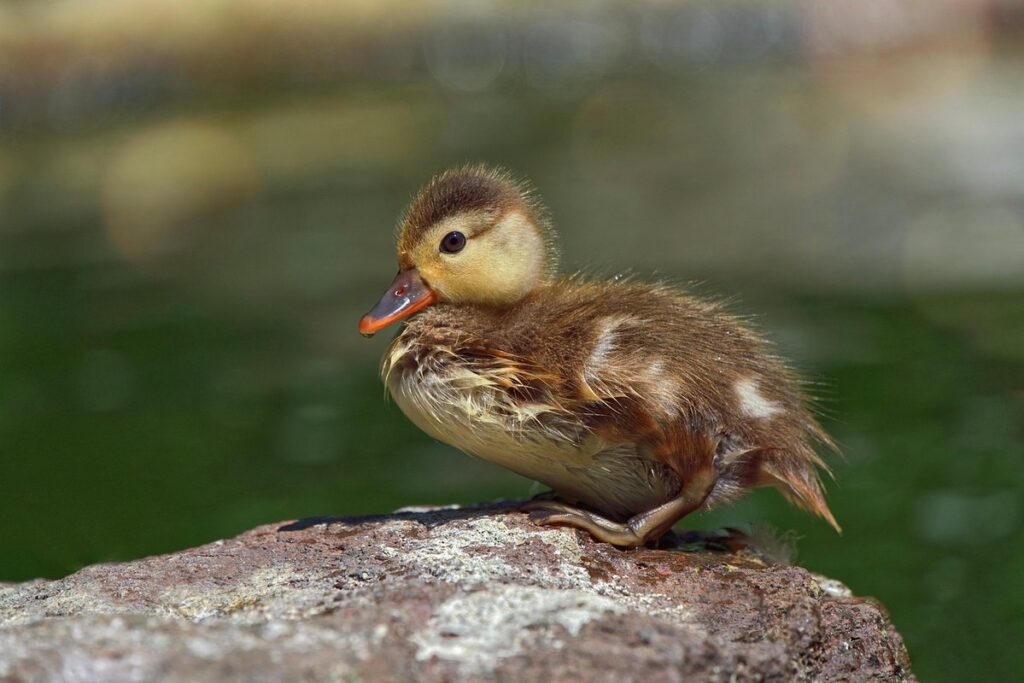
Understanding Niacin Deficiency in Ducklings
Niacin deficiency is a serious issue for young ducklings, and it’s essential to understand its causes and symptoms so you can provide proper care. Let’s dive into what contributes to this condition in ducklings.
What is Niacin?
Niacin plays a vital role in supporting ducklings’ growth and development. As an essential nutrient, it is crucial for energy production, DNA synthesis, and maintaining healthy skin and mucous membranes. In the context of animal health, niacin is classified as one of the B vitamins.
Animal feed manufacturers often fortify commercial duckling feed with added B vitamins to prevent deficiencies. However, ducklings require a balanced diet that includes adequate amounts of these essential nutrients from their mothers’ eggs or during the early stages of development in the hatchery. For instance, hens laying fertile eggs for breeding purposes must be fed high-quality commercial layer feeds rich in B vitamins.
It’s worth noting that the availability and bioavailability of niacin can affect duckling growth rates and overall health. If you’re involved in a backyard flock or poultry farm, choosing a commercial feed with guaranteed added nutrients is recommended to prevent deficiencies.
Importance of Niacin in Duckling Development
Niacin plays a vital role in the development of ducklings. As an essential nutrient, it’s involved in various metabolic processes that are crucial for their growth and overall health. For instance, niacin helps convert carbohydrates into energy, which is necessary to fuel their rapid growth during the early stages of life.
When ducklings receive adequate niacin, they can efficiently produce ATP (adenosine triphosphate), the primary source of energy in cells. This process enables them to thrive and reach their full potential. Without sufficient niacin, however, ducklings may experience fatigue, lethargy, and other health problems that can hinder their development.
In particular, niacin is essential for ducklings’ skin and feather growth. It helps maintain the integrity of their skin and promotes the healthy development of feathers, which are crucial for insulation and protection against the elements. A deficiency in niacin can lead to a range of issues, including impaired feather growth, skin lesions, and other dermatological problems.
If you’re concerned about your ducklings’ niacin levels, make sure to provide them with a balanced diet rich in niacin-rich ingredients such as brewer’s yeast or whole grains. Regular monitoring of their health and adjustment of their diet accordingly can also help prevent niacin deficiency.
Causes of Niacin Deficiency in Ducklings
Niacin deficiency in ducklings can be caused by a variety of factors, including inadequate nutrition and poor husbandry practices. Understanding these causes is crucial for providing optimal care.
Dietary Factors Contributing to Deficiency
When it comes to duckling niacin deficiency, dietary factors play a significant role. A diet that is inadequate or of poor quality can lead to a niacin deficiency in ducklings. This is often the case when duck breeders use low-cost feed that may contain fillers and by-products instead of nutrient-rich ingredients.
A restricted nutritional access is another common cause of niacin deficiency in ducklings. If ducklings are not provided with sufficient space or foraging opportunities, they may not get enough nutrients from their food. For example, if ducklings are raised on a small farm without adequate grazing areas, their diet may be limited to commercial feed alone.
To avoid niacin deficiency, it’s essential to provide ducklings with a balanced and nutrient-rich diet. This can be achieved by offering a high-quality commercial feed as the main staple, supplemented with fresh vegetables and fruits. It’s also crucial to ensure that ducklings have access to clean water and adequate space for exercise and foraging.
Environmental Factors Affecting Niacin Availability
Environmental factors can significantly impact niacin availability in duckling feed. For instance, drought conditions can lead to reduced crop yields and lower nutritional quality, including decreased niacin levels. Crop diseases like aflatoxins can also contaminate grains, making them unusable for ducklings. Pesticide contamination is another concern, as these chemicals can bind to niacin in the feed, rendering it unavailable to ducklings.
It’s essential to monitor and manage environmental factors that may affect niacin availability. Farmers can consider using drought-resistant crops or rotating crops to maintain soil health. Regular testing of feed for aflatoxin and pesticide contamination is crucial. Moreover, farmers should ensure proper storage and handling practices to prevent contamination during the harvest and processing stages.
To mitigate these risks, farmers can implement integrated pest management (IPM) strategies that use a combination of techniques such as crop rotation, biological control, and cultural controls. This approach can help reduce reliance on pesticides and minimize the risk of contamination. By being aware of environmental factors that impact niacin availability, duckling farmers can take proactive steps to ensure their flocks receive adequate nutrition.
Symptoms and Signs of Niacin Deficiency in Ducklings
As a duck breeder, it’s crucial to recognize the warning signs of niacin deficiency in your young ducklings, which can be subtle but lead to serious health issues if left untreated. Look out for these telltale symptoms in your birds’ behavior and physical condition.
Early Warning Signs of Deficiency
As a duck breeder or owner, it’s essential to recognize the early warning signs of niacin deficiency in ducklings. Niacin, also known as vitamin B3, is crucial for duckling growth and development. A deficiency can lead to severe health issues if left untreated.
Initially, you may notice changes in your ducklings’ appetite. They might seem less interested in their feed or show a reduced interest in water. As the condition progresses, they may become lethargic, struggling to move around or engage in normal activities. Skin lesions and digestive issues are also common symptoms of niacin deficiency.
Keep an eye out for changes in your ducklings’ droppings. Diarrhea or constipation can be indicative of a niacin deficiency. Monitor their skin health closely, as the condition may cause dryness, redness, or lesions on their feathers and skin. If you notice any of these signs, consult with a veterinarian immediately.
Early detection is key to preventing severe complications. Regular monitoring of your ducklings’ behavior, appetite, and physical condition can help you catch niacin deficiency early on.
Advanced Stages of Deficiency
If left untreated, niacin deficiency in ducklings can progress to advanced stages, leading to severe and debilitating health issues. At this stage, ducklings may exhibit severe skin problems such as thickening of the skin, lesions, and even cracks that expose underlying tissues to infection. Weight loss is another common symptom, resulting from poor appetite and inefficient metabolism.
Poor feather growth is also a hallmark of advanced niacin deficiency in ducklings. The development of feathers is crucial for maintaining body temperature and protecting against the elements, so impaired feather growth can have serious consequences. Additionally, an impaired immune system makes ducklings more susceptible to infections, which can be life-threatening if left untreated.
In severe cases, ducklings may experience diarrhea, vomiting, and even seizures due to the depletion of niacin-dependent enzymes in the brain. It’s essential for duck farmers and breeders to recognize these symptoms early on and take prompt action to prevent further progression of the deficiency.
Diagnosis and Treatment Options for Niacin Deficiency
If you suspect your duckling has a niacin deficiency, it’s essential to understand the diagnosis process and available treatment options to ensure proper care and recovery. A correct diagnosis is key to effective treatment.
Laboratory Tests for Diagnosing Deficiency
Diagnosing niacin deficiency in ducklings requires accurate laboratory tests to determine the extent of the condition. Veterinarians typically use blood work or tissue samples to diagnose the deficiency. A complete blood count (CBC) is often the first step, as it can reveal anemia, a common symptom of niacin deficiency. Additionally, liver and kidney function tests may be conducted to assess the overall health of these vital organs.
Other laboratory tests used to diagnose niacin deficiency include serum folate and vitamin B12 levels. These vitamins are closely related to niacin in the metabolic pathway, and their deficiencies can mimic or exacerbate symptoms of niacin deficiency. A veterinarian may also perform a urinalysis to check for the presence of hippuric acid, a compound that is typically reduced in cases of niacin deficiency.
Tissue samples from ducklings with suspected niacin deficiency may be analyzed for histopathological changes, such as fatty liver degeneration or muscular atrophy. These findings can confirm the diagnosis and help determine the severity of the condition.
Dietary Supplements and Remedies
If you suspect that your ducklings have niacin deficiency, it’s essential to seek veterinary attention for proper diagnosis and treatment. One of the primary treatment options is addressing the underlying cause through dietary supplements or nutritional support.
In some cases, adding specific nutrients or supplements to their diet can help alleviate symptoms. For instance, vitamin B complex supplements often contain a sufficient amount of niacin to meet the duckling’s needs. However, it’s crucial to note that these supplements should only be administered under the guidance of a veterinarian. They can recommend a suitable supplement and dosage based on the severity of the deficiency.
Some specialized feed formulas are also available for poultry, specifically designed to provide essential nutrients. These feeds may contain added niacin or other B vitamins to support overall health and prevent deficiencies. Always follow the manufacturer’s instructions when introducing new feeds to your ducklings’ diet, as over-supplementation can lead to adverse effects.
Nutritional support through dietary changes is a vital component of treating niacin deficiency in ducklings. Providing a balanced and complete diet that meets their nutritional requirements will help alleviate symptoms and promote overall health.
Preventing Niacin Deficiency in Duckling Flocks
To ensure your duckling flock stays healthy, understanding how to prevent niacin deficiency is crucial and can be achieved through dietary adjustments and a balanced nutritional plan. Proper care and nutrition will keep your ducks thriving.
Nutritional Guidelines for Healthy Flock Management
Maintaining a balanced diet is crucial for a healthy flock. When it comes to preventing niacin deficiency, nutrient-rich feeds and supplements play a vital role. A well-balanced diet should provide the necessary amount of tryptophan, an essential amino acid that the body uses to produce niacin.
To achieve this balance, you can consider mixing different feed types, such as grains, proteins, and vegetables. For example, feeding your ducklings 15-20% protein-rich starter feed will ensure they receive adequate tryptophan. Additionally, offering fresh fruits and vegetables daily provides essential vitamins and minerals that support overall health.
Supplements like B vitamins can also be added to the diet to prevent deficiencies. However, it’s crucial to follow the manufacturer’s instructions for dosage and mix with the correct proportion of feed. A recommended supplement ratio is 1:4 (one part supplement to four parts feed). Regular monitoring of your ducklings’ health and adjusting their diet as needed will help maintain a healthy flock and reduce the risk of niacin deficiency.
Monitoring and Maintenance Practices
Regular monitoring and maintenance practices are crucial to preventing niacin deficiency in duckling flocks. One essential practice is to monitor feed quality regularly. Check the feed’s nutritional content, particularly the niacin level, to ensure it meets the ducklings’ requirements. You can also consider having your feed supplier analyze the feed for nutrient levels.
In addition to monitoring feed quality, observe your flock’s overall health closely. Keep an eye out for signs of niacin deficiency such as lethargy, weakness, or weight loss. Perform routine check-ups on your ducklings to detect any potential issues early. These regular checks can also help you identify other health problems that may be related to niacin deficiency.
It’s also essential to establish a relationship with a veterinarian who specializes in poultry care. They can provide guidance on preventative measures and offer expert advice on maintaining a healthy flock. Regular veterinary check-ups can also help detect any potential issues before they become severe, reducing the risk of niacin deficiency and other health problems.
Conclusion and Future Considerations
Now that we’ve explored the causes, symptoms, and treatment options for duckling niacin deficiency, let’s discuss what to expect next and how you can help prevent this condition in your flock.
Recap of Key Takeaways
In reviewing our discussion on duckling niacin deficiency, several key points have emerged that are crucial for maintaining the health and well-being of these birds. Firstly, it’s essential to recognize the causes of this condition, which include a lack of niacin-rich feed, inadequate husbandry practices, and genetic predispositions.
Symptoms of duckling niacin deficiency range from mild to severe and can manifest as skin lesions, diarrhea, lethargy, and even death if left untreated. Accurate diagnosis relies on identifying these symptoms in conjunction with laboratory tests that measure niacin levels.
Fortunately, treatment options are available for affected ducklings, including dietary adjustments and the administration of vitamin B3 supplements. Prevention strategies include providing a balanced diet rich in essential nutrients, maintaining optimal husbandry practices, and monitoring for signs of deficiency.
To prevent duckling niacin deficiency, farmers and breeders must be proactive in their management techniques, ensuring that all ducks have access to a well-balanced feed and regular veterinary check-ups. By taking these steps, you can minimize the risk of this condition affecting your flock.
Recommendations for Future Research and Studies
To further understand and address niacin deficiency in ducklings, several research directions are worth exploring. One such area is investigating the genetic predisposition of certain breeds to this condition. This could involve conducting genome-wide association studies (GWAS) to identify specific genes linked to niacin metabolism. By pinpointing these genetic markers, breeders can make informed decisions when selecting breeding stock.
Another crucial aspect is improving diagnostic methods for detecting niacin deficiency in ducklings. Currently, blood tests and clinical examinations are the primary means of diagnosis. However, developing more accurate and cost-effective techniques, such as ELISA or PCR-based methods, could streamline the diagnostic process and enable early intervention. Furthermore, exploring new nutritional therapies that complement or replace traditional niacin supplementation is also warranted.
For instance, researchers could investigate the efficacy of plant-based sources of niacin, such as tryptophan-rich feed supplements. By expanding our understanding of niacin metabolism in ducklings and developing more effective diagnostic tools, we can better support the health and well-being of these vulnerable birds.
Frequently Asked Questions
Can I diagnose niacin deficiency in ducklings without professional help?
While it’s possible to observe symptoms of niacin deficiency, such as lethargy or feather changes, a definitive diagnosis typically requires laboratory testing or consultation with a veterinarian. If you suspect your ducklings are experiencing issues related to niacin deficiency, seek guidance from a qualified expert to ensure accurate diagnosis and effective treatment.
How can I prevent niacin deficiency in my flock if they’re raised on pasture?
Preventing niacin deficiency involves ensuring your ducklings have access to adequate nutrition. Consider supplementing their diet with natural sources of niacin-rich foods, such as brewer’s yeast or wheat bran. Additionally, maintain a diverse and nutrient-dense feed formulation that includes essential B vitamins. Regular monitoring of your flock’s health and adjusting their diet accordingly can also help prevent deficiency.
What are some common mistakes breeders make when trying to treat niacin deficiency?
Common mistakes include failing to address underlying causes, such as inadequate nutrition or poor living conditions. It’s also crucial not to over-supplement with niacin-rich foods without professional guidance. Overcorrection can lead to an imbalance in the ducklings’ overall nutrient intake and potentially exacerbate health issues.
Can I use store-bought supplements for treating niacin deficiency?
While store-bought supplements can be helpful, ensure that they’re specifically formulated for avian species and contain the correct balance of nutrients. Some commercial products might not provide the necessary amounts or ratios of B vitamins required by ducklings. Consult with a veterinarian to choose a suitable supplement and follow their guidance on proper dosing.
What should I do if I’m already experiencing issues related to niacin deficiency?
If you’ve noticed symptoms of niacin deficiency in your flock, prioritize immediate action. Isolate affected ducklings to prevent further spread, and consult with a veterinarian for professional advice on diagnosis and treatment. Work closely with your veterinarian to develop a customized plan addressing the specific needs of your flock.