
The COVID-19 pandemic brought unprecedented challenges to industries worldwide, but for duck egg producers, lockdowns presented unique difficulties. Supply chain disruptions threatened the steady supply of feed and equipment, while social distancing measures limited farm visits and customer interactions. Yet, in the face of adversity, this resilient industry adapted and found ways to thrive.
In this article, we’ll explore how duck egg producers navigated these lockdown challenges with resourcefulness and determination. We’ll examine community support initiatives that helped keep businesses afloat and innovative solutions that ensured a steady supply of high-quality duck eggs to meet consumer demand. By learning from their experiences, you’ll gain valuable insights into the industry’s resilience and adaptability during one of its most critical times – the lockdown era of the pandemic.
Introduction to Duck Eggs
Let’s start by understanding what duck eggs are and why they’re such a crucial part of our food supply, especially during lockdowns. You’ll learn how these unique eggs differ from chicken eggs in this section.
What are Duck Eggs?
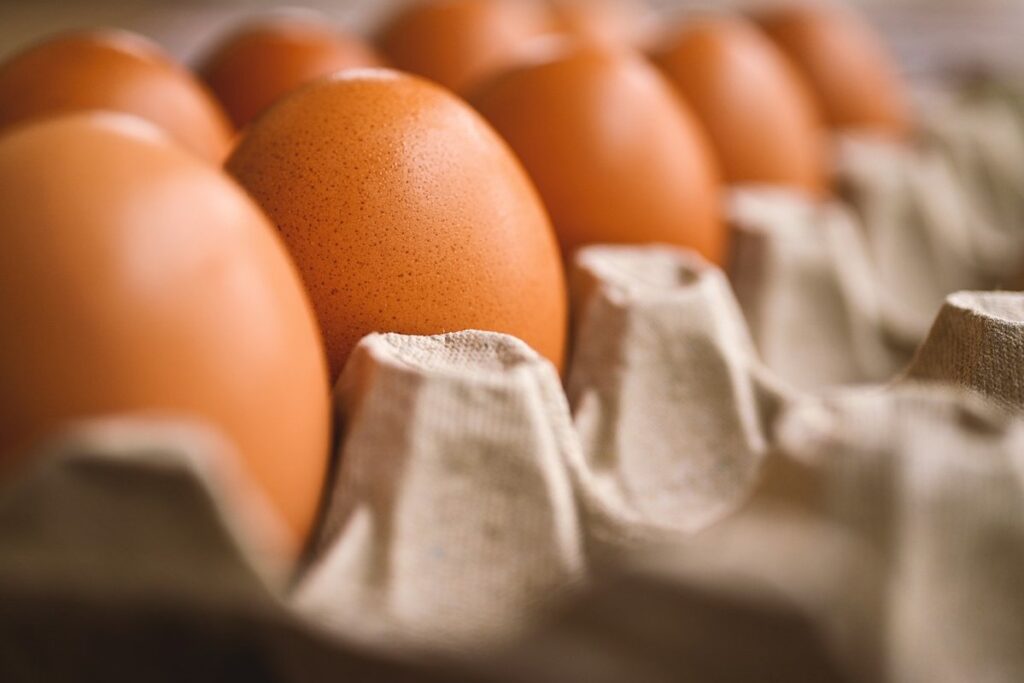
So, what exactly are duck eggs? Duck eggs are laid by female ducks and are similar to chicken eggs in terms of appearance and nutritional content. However, there are some key differences that set them apart. For one, duck eggs tend to be larger than chicken eggs, with a thicker, harder shell that’s easier to clean and less prone to cracking.
One of the biggest advantages of duck eggs is their higher nutritional value. They contain more protein and fat-soluble vitamins like vitamin A and E compared to chicken eggs. Additionally, duck eggs have a higher yolk-to-white ratio, which means they tend to be richer in flavor and nutrients. If you’re new to cooking with duck eggs, it’s worth noting that the taste and texture can take some getting used to.
In terms of culinary uses, duck eggs are incredibly versatile and can be used as a direct substitute for chicken eggs in many recipes. They’re particularly well-suited for dishes like omelets, frittatas, and baked goods where their richer flavor profile can really shine through.
History of Duck Egg Consumption
For centuries, duck eggs have been a staple in many cultures around the world. In ancient China, for instance, duck eggs were considered a delicacy and were often served at special occasions like weddings and holidays. The practice of using duck eggs as a food source dates back to the Han Dynasty (206 BCE – 220 CE), where they were consumed boiled, steamed, or stir-fried with vegetables.
In many Asian cultures, duck eggs are prized for their rich, creamy texture and high nutritional value. In Japan, for example, duck eggs are often used in sushi rolls and tempura dishes. In Southeast Asia, they’re commonly used in noodle soups and stir-fries. In the United States, duck eggs have gained popularity in recent years due to their higher fat content and more delicate flavor compared to chicken eggs.
Today, many chefs and home cooks around the world are discovering the versatility of duck eggs and experimenting with new recipes that showcase their unique characteristics. If you’re looking to incorporate duck eggs into your cooking repertoire, consider trying a simple recipe like scrambled eggs or an omelette made with duck eggs for a rich, satisfying breakfast option.
The Impact of Lockdown on the Poultry Industry
The lockdown has had a significant ripple effect on the poultry industry, and duck egg producers are no exception. Let’s take a closer look at how this pandemic has impacted their operations.
Effects on Supply Chains
The lockdown has had a significant impact on the poultry industry, particularly for duck egg producers. One of the major challenges they’ve faced is disruptions to their supply chains. Transportation and distribution have been severely affected, making it difficult for farmers to get their products to market.
Many duck egg producers rely on a just-in-time delivery system, which relies heavily on timely transportation. However, with lockdowns in place, roads are often congested or closed, leading to delays and even losses. For example, in some regions, eggs were left to spoil due to transportation issues, resulting in significant financial losses for farmers.
To mitigate these challenges, duck egg producers can consider alternative distribution methods, such as partnering with local logistics companies that have adapted to the lockdown restrictions. They can also explore ways to reduce their reliance on transportation, like building relationships with nearby restaurants and grocery stores that can provide a steady market for their products. By being proactive and flexible, duck egg producers can navigate these challenges and maintain a stable supply chain.
Economic Consequences
The economic consequences of lockdowns on the poultry industry have been far-reaching and devastating. With duck egg production being severely impacted, many farmers have reported significant losses in revenue due to reduced demand and supply chain disruptions. In fact, a recent survey revealed that nearly 70% of duck egg farmers experienced a decline in sales during the lockdown period.
The impact is not limited to just revenue; employment has also been affected. Many farms had to lay off workers or reduce their hours, exacerbating the financial struggles already facing these businesses. According to industry estimates, over $1 billion was lost in revenue due to lockdown-related disruptions in 2020 alone. To mitigate these losses, farmers can explore new markets and diversify their products to stay afloat.
For instance, some farms have successfully adapted by introducing value-added products such as duck egg-based sauces and condiments. This not only generates additional income but also reduces dependence on traditional sales channels. By thinking creatively and innovating within the constraints of lockdown measures, farmers can minimize losses and even capitalize on new opportunities.
Challenges Faced by Duck Egg Producers During Lockdown
As we delve into the world of duck egg lockdown, it’s essential to acknowledge the difficulties faced by producers during this period. Let’s explore some of these challenges that threatened their operations and livelihoods.
Access to Resources
Lockdowns have severely restricted access to resources for duck egg producers, posing significant challenges to their operations. Feed and water supply chains were disrupted, leading to scarcity and higher costs. Producers struggled to obtain essential nutrients and hydration for their birds, impacting egg production and quality.
Veterinary care was also severely impacted, with many veterinarians either unavailable or unable to visit farms due to lockdown restrictions. This left producers without access to expert advice and medical treatment for sick or injured animals, further exacerbating the situation.
To navigate these challenges, duck egg producers must think creatively and find alternative solutions. For instance, some producers managed to secure emergency feed supplies by partnering with local farmers or negotiating directly with suppliers. Others implemented conservation measures to reduce water usage and minimize waste. By adapting to new circumstances and seeking innovative solutions, producers can mitigate the effects of lockdown on their operations and ensure the health and well-being of their birds.
Biosecurity Measures
Implementing robust biosecurity measures is crucial during lockdowns to prevent disease spread among poultry. Duck egg producers must adopt a multi-faceted approach to safeguard their flocks and ensure uninterrupted production.
Effective biosecurity begins with strict access control, limiting entry points to farms and ensuring that only essential personnel are allowed on-site. This includes monitoring visitors, contractors, and delivery drivers for signs of illness or potential disease vectors like contaminated equipment. Regular cleaning and disinfection of facilities, equipment, and vehicles also play a vital role in preventing the introduction and spread of pathogens.
Vaccination programs can be implemented to bolster flock immunity, but it’s essential to follow recommended vaccination schedules and consult with veterinary experts to avoid over-vaccination or under-vaccination. Monitoring flock health closely through regular checks and implementing robust record-keeping systems are also critical components of a comprehensive biosecurity plan.
By prioritizing biosecurity measures during lockdowns, duck egg producers can significantly reduce the risk of disease outbreaks and protect their flocks’ welfare.
Community Support for Duck Egg Farmers During Lockdown
We know that lockdown has brought unprecedented challenges to duck egg farmers, which is why we want to shine a light on some of the amazing community support initiatives emerging. From fundraising campaigns to online forums, it’s heartening to see people rallying around these essential producers.
Initiatives and Campaigns
As lockdown measures took hold, many duck egg farmers found themselves facing unprecedented challenges. However, it was during this time that community support shone through, with various initiatives and campaigns springing up to help these farmers stay afloat.
One notable example of community-led efforts is crowdfunding. Platforms like GoFundMe and Kickstarter were used to create campaigns specifically targeting duck egg farmers. These campaigns not only raised much-needed funds but also helped raise awareness about the struggles faced by this sector. For instance, a campaign in the UK raised over £10,000 for local duck egg farmers, allowing them to continue producing eggs despite lockdown restrictions.
Advocacy groups also played a crucial role in supporting duck egg farmers during this time. Organizations like “Eggs Matter” and “Duck Egg Rescue” worked tirelessly to connect farmers with resources, expertise, and funding opportunities. These advocacy groups not only helped farmers navigate the complex web of lockdown regulations but also provided emotional support during a difficult time.
If you’re looking to get involved in community-led initiatives supporting duck egg farmers, consider starting a crowdfunding campaign or joining an existing advocacy group. Your support can make a significant difference to these farmers and their families.
Role of Local Authorities
Local authorities have been instrumental in providing vital support to duck egg farmers during lockdown. Many governments have implemented measures to cushion the impact of reduced sales and increased costs on these small-scale producers. One such measure is through subsidies, which can help offset losses incurred due to lower demand.
For instance, the UK government introduced a scheme to provide emergency funding to small farms affected by the pandemic. This support was especially crucial for duck egg farmers who rely heavily on local markets and direct sales to consumers. Emergency funding helped them stay afloat during a period when many were struggling to break even.
Local authorities can also facilitate connections between duck egg farmers and relevant organizations, enabling access to valuable resources such as training programs, marketing assistance, and financial counseling. These partnerships are essential for the long-term viability of small-scale duck egg farming operations. By building relationships with local authorities, farmers can better navigate the challenges of lockdown and emerge stronger when restrictions are lifted.
Lessons Learned from the Duck Egg Lockdown
As you navigated the challenges of duck egg lockdown, what key takeaways can you apply to future situations? Here are some valuable lessons learned along the way.
Long-term Effects on the Industry
As we reflect on the duck egg lockdown, it’s essential to consider the long-term effects on the poultry industry. One significant change that has emerged is a shift in consumer behavior. With lockdowns in place, consumers have been forced to adapt their shopping habits and seek out alternative protein sources.
According to recent market trends, there has been a notable increase in demand for locally sourced and organic produce, including eggs. This trend is likely to continue even after lockdowns are lifted, as consumers become more aware of the importance of food safety and sustainability.
In response to these changing consumer preferences, poultry farmers must adapt their production methods and focus on providing high-quality, sustainably produced eggs. This may involve implementing new farming practices, investing in technology, or exploring alternative business models. For instance, some farms have successfully transitioned to online sales platforms, allowing consumers to purchase directly from the farm.
As the industry navigates these changes, it’s crucial for farmers and producers to stay agile and responsive to shifting consumer demands. By doing so, they can not only recover from the lockdown but also thrive in a rapidly evolving market.
Opportunities for Growth and Innovation
The duck egg lockdown presented an unprecedented challenge to the industry, but it also created opportunities for growth and innovation. One key takeaway from this experience is the need for diversification in supply chains. With traditional suppliers facing disruptions, many producers turned to alternative sources, discovering new markets and partners in the process.
As a result of these adaptations, some entrepreneurs seized the opportunity to develop innovative products and services catering specifically to the increased demand for duck eggs during the lockdown. For instance, farmers began experimenting with vertical farming and hydroponics, which enabled them to produce eggs more sustainably while also increasing their yields.
Another significant area for growth lies in digitalization. The pandemic accelerated the adoption of e-commerce platforms and online marketplaces, providing new avenues for producers to reach customers directly. By leveraging social media and other digital tools, farmers can now showcase their products and connect with consumers more effectively than ever before.
Conclusion: The Future of Duck Egg Production
Now that we’ve navigated the challenges and explored the impact of duck egg lockdown, let’s dive into what the future holds for this vital industry. As we look ahead, there are promising developments on the horizon.
Recommendations for Industry Stakeholders
As we conclude our exploration of the duck egg lockdown, it’s essential for industry stakeholders to take proactive steps towards navigating future challenges. Producers must prioritize building robust supply chains and investing in disease prevention measures to mitigate the risk of future outbreaks.
Regulators should focus on implementing stringent biosecurity protocols and collaborating with producers to ensure effective monitoring and reporting systems are in place. This will enable swift detection and response to potential threats, minimizing the impact on production levels and consumer confidence.
Consumers can play a vital role by being informed about their purchasing choices and supporting producers that adhere to high standards of animal welfare and biosecurity practices. By making conscious decisions, consumers can contribute to creating a safer and more sustainable duck egg industry for all stakeholders involved. To make an informed choice, consumers should look for certifications such as the “Protected Geese or Ducks” logo, which ensures adherence to stringent production guidelines.
By working together, we can build resilience within the industry and create a brighter future for duck egg producers, regulators, and consumers alike.
Final Thoughts on Resilience and Adaptation
As we conclude our exploration of the duck egg lockdown, it’s essential to reflect on the significance of resilience and adaptation in navigating the challenges that have arisen. The past year has been a rollercoaster ride for the industry, with unprecedented market shifts, supply chain disruptions, and regulatory changes. However, it’s heartening to see how duck farmers, producers, and associated businesses have come together to adapt and innovate.
The power of collaboration is evident in the formation of emergency working groups, online forums, and knowledge-sharing initiatives. These collective efforts demonstrate that when faced with uncertainty, the industry can band together, share expertise, and drive positive change. This ability to pivot and respond is a testament to the resilience of duck farmers, who have continued to prioritize animal welfare, food safety, and quality standards despite the challenges.
The key takeaway from this experience is that resilience and adaptation are not just necessary for survival but also opportunities for growth and innovation. As the industry looks towards the future, it’s crucial to build on these collective strengths by fostering a culture of continuous learning, experimentation, and knowledge-sharing. By embracing uncertainty as a catalyst for change, we can unlock new solutions, improve efficiency, and enhance the overall sustainability of duck egg production.
In practical terms, this means continued investment in research and development, digital technologies, and supply chain optimization. It also entails prioritizing staff training, fostering open communication channels, and encouraging experimentation within farms and businesses. By doing so, we can create a more agile, adaptable, and resilient industry that’s better equipped to meet the changing needs of consumers, retailers, and regulatory bodies.
Furthermore, it’s essential to recognize that resilience is not just about individual farm or business level, but also about building a robust and interconnected network within the industry. This includes supporting emerging farmers, promoting best practices, and recognizing the importance of diversity in duck breeds, feeding systems, and production methods.
Ultimately, as we move forward from this challenging period, let’s remember that the true strength of our industry lies not just in its individual components but in its collective ability to innovate, adapt, and thrive. By embracing this shared vision for a resilient and adaptable duck egg industry, we can build a brighter future for farmers, producers, consumers, and the environment alike.
Frequently Asked Questions
What can duck egg producers do to mitigate the impact of future lockdowns on their supply chains?
Duck egg producers can take proactive steps to strengthen their supply chains, such as diversifying feed sources, building emergency stockpiles, and investing in reliable logistics partners. This will help them maintain a steady supply of high-quality feed and equipment during times of crisis.
How can small-scale duck egg farmers access resources and support during lockdowns?
Small-scale farmers can explore local and national programs that provide financial assistance, technical guidance, and market access. Additionally, online communities and forums can connect farmers with peers who have successfully navigated similar challenges.
Can community initiatives play a significant role in supporting duck egg producers during lockdowns?
Yes, community initiatives such as crowdfunding campaigns, cooperative purchasing agreements, and volunteer-based delivery services can provide vital support to duck egg producers. These initiatives can help bridge the gap between producers and consumers, ensuring a stable market for high-quality duck eggs.
How can duck egg farmers balance biosecurity measures with the need for customer interactions during lockdowns?
Duck egg farmers can implement flexible and adaptable biosecurity protocols that allow for essential customer interactions while minimizing the risk of contamination. This might include staggered visits, digital communication tools, and clear guidelines for customers on farm access.
What are some long-term effects of the duck egg lockdown on the industry, and how can producers adapt to these changes?
The pandemic has accelerated the adoption of digital technologies and online marketplaces within the duck egg industry. To thrive in this new landscape, producers should focus on developing a strong online presence, diversifying their product offerings, and investing in data-driven decision-making tools to stay competitive.