
Are you thinking of bringing home adorable ducklings but unsure how to care for them? Raising healthy ducklings from hatching to adulthood can be a rewarding experience, but it requires attention to detail and a solid understanding of their needs. With so many variables to consider, it’s easy to get overwhelmed by the process.
In this comprehensive guide, we’ll walk you through the essential steps of caring for your new feathered friends. From nutrition and health considerations to providing a safe and stimulating environment, we’ve got you covered. Our expert advice will help you navigate the challenges of raising ducklings and give them the best possible start in life. Whether you’re an experienced poultry owner or just starting out, this guide is designed to be your go-to resource for all things duckling care.
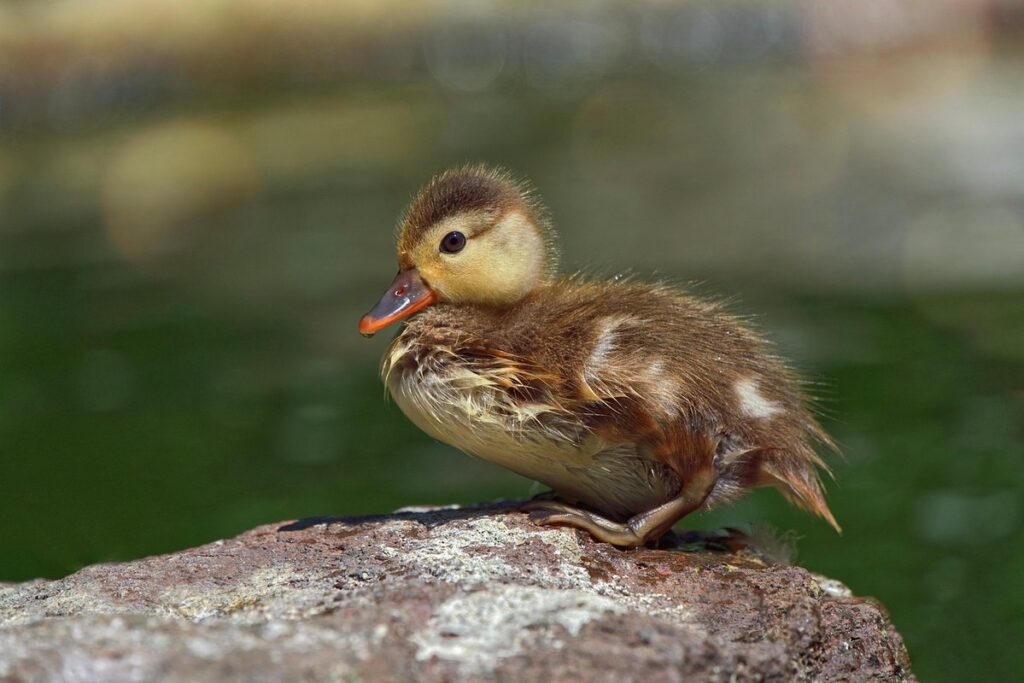
Introduction to Raising Ducklings
Welcome to the world of duck raising, where you’ll learn how to provide a safe and happy home for your new feathered friends from day one. We’ll start by covering the basics of caring for adorable ducklings.
Choosing the Right Breed
When it comes to choosing the right breed for raising ducklings, there are several factors to consider. First and foremost, think about what you want to use your ducks for: will they be pets, or will you be relying on them for eggs? Some popular breeds suitable for both purposes include Khaki Campbells, Golden 300s, and Silver Appleyards.
If you’re looking for a hardy breed that can withstand the elements, consider the Muscovy duck. These birds are native to South America and are known for their robust health and resistance to disease. Another consideration is temperament: if you have young children or other pets in the household, you may want to choose a breed known for its docility, such as the Embden.
Space requirements are also an important factor to consider when choosing a duck breed. For example, the Mallard duck requires a significant amount of space to roam and exercise, whereas the Wood Duck is more compact and can thrive in smaller spaces. Noise level is another consideration: if you live in a residential area or have noise restrictions, you may want to choose a breed that is known for being relatively quiet, such as the Rouen.
Ultimately, the right breed for you will depend on your specific needs and circumstances. Research different breeds thoroughly and consider factors such as temperament, space requirements, and noise level before making your decision.
Setting Up a Suitable Environment
When setting up an environment for raising ducklings, it’s essential to prioritize their safety and well-being. A safe enclosure is crucial to prevent escape attempts and potential harm from predators. You’ll want to create a sturdy coop or pen with secure fencing that’s at least 3 feet high to keep your feathered friends contained.
A suitable feeding system is also vital for the health and growth of your ducklings. This can be as simple as a shallow dish for water and a separate feeder for food, such as starter crumbles or pellets specifically formulated for young ducks. It’s essential to place these in an easy-to-reach location to encourage your ducklings to eat regularly.
In addition to adequate feeding, you’ll also need to ensure proper ventilation and temperature control within the enclosure. This can be achieved by incorporating windows or vents that allow fresh air to circulate while keeping pests out. A thermometer is a must-have to monitor temperatures, which should range between 80°F to 90°F for ducklings.
Protecting your ducklings from predators is also crucial. You’ll want to cover any gaps in the fencing with hardware cloth or chicken wire and install a secure roof to prevent birds of prey from swooping in.
Preparing the Duckling’s First Weeks
Get ready to provide your new ducklings with a safe and nurturing environment during their first few weeks of life, a crucial time for growth and development. This section will walk you through essential preparation steps.
Hatching to One Week Old
As you carefully monitor the eggs for signs of hatching, it’s essential to understand what happens during this critical process. The first sign of hatching is usually a faint pip, followed by rapid pecking at the shell. Once the duckling has cracked its way out, keep a close eye on it as it will be vulnerable to dehydration and hypothermia.
During the initial days after hatching, feeding is crucial. Ducklings need access to food and water within hours of emerging from their shells. Provide starter feed in shallow containers to prevent drowning, and place waterers nearby for easy access. For the first week, ensure the ducklings’ living quarters are spotlessly clean to avoid any health risks.
Watch for common issues such as wet butts (indicating a possible bacterial infection), lethargy, or labored breathing. Monitor temperature closely, aiming for around 90°F to 95°F (32°C to 35°C) in the brooder to prevent hypothermia. Regularly check water and feed levels, replacing them as needed to maintain cleanliness and prevent spoilage.
Maintain hygiene by cleaning the brooder daily and changing bedding frequently. Ensure proper ventilation and lighting to promote healthy growth.
Two to Four Weeks Old: Growth Spurt
At two to four weeks old, ducklings experience an incredible growth spurt. They can nearly double their weight during this period, making it essential for you as a caretaker to provide the right environment and nutrition to support their rapid development.
Firstly, dietary changes are crucial at this stage. You’ll need to transition your ducklings from their initial starter feed to a more substantial grower feed that contains about 18-20% protein. This increase in nutrient content will help meet their increasing energy demands. However, be cautious not to overfeed, as too much food can lead to digestive issues.
In terms of environmental adjustments, you’ll want to ensure the ducklings have enough space to move around comfortably. A minimum of four square feet per bird is recommended at this age. Also, keep an eye on temperature fluctuations; ducklings are sensitive to extreme temperatures and humidity levels.
Monitoring their development closely will also help you catch any potential issues early. Check for signs of illness, such as labored breathing or lethargy, and be prepared to intervene if necessary. Keep a close eye on their weight gain too – a steady increase is a good indicator that they’re thriving.
Nutrition and Feeding Habits
When it comes to raising happy, healthy ducklings, proper nutrition is essential. In this next section, we’ll dive into what foods your feathered friends need and when.
Essential Nutrients for Ducklings
Ducklings have unique nutritional requirements that are crucial for their growth and development. A balanced diet provides them with essential nutrients, including protein sources, vitamins, and minerals. Commercial duck feed is a convenient option, but it may not always meet the duckling’s specific needs.
In addition to commercial feed, live insects like mealworms and crickets can be a nutritious supplement. These high-protein foods are easily digestible and provide essential amino acids for growth. For example, you can offer 1-2 teaspoons of live insects per pound of body weight daily. Vitamin supplements are also important, especially vitamin A, which is crucial for vision and immune system development.
Potential nutrient deficiencies in ducklings can lead to stunted growth, weakened immunity, and even mortality. Deficiencies in protein, vitamin D3, and calcium can be particularly problematic. It’s essential to monitor your ducklings’ diet and ensure they have access to clean water at all times. Consider consulting with a veterinarian or experienced breeder for personalized advice on providing optimal nutrition for your ducklings.
To minimize the risk of nutrient deficiencies, provide a varied diet that includes a mix of commercial feed, live insects, and fresh vegetables like leafy greens.
Sample Meal Plans and Dietary Tips
When it comes to feeding your duckling brood, establishing a consistent meal plan is essential for their growth and development. A basic outline might look like this: start with 15-20% protein feed at one week old, gradually increasing the percentage as they grow until you reach 25% by three weeks. Supplement with fresh vegetables, fruits, and whole grains.
A typical feeding schedule might include:
• One to two cups of starter feed per duckling per day for the first week
• Gradually increase feed to two to three cups per duckling per day by three weeks
Keep in mind that these are just rough guidelines – be sure to monitor your ducklings’ growth and adjust accordingly. It’s also crucial to recognize signs of malnutrition, such as lethargy, ruffled feathers, or a decline in egg production (if you have hens).
For example, if you notice your ducklings’ energy levels plummeting after switching to a new feed brand, it may be worth reverting back to the previous supplier. Be prepared to adapt and fine-tune their diet as they mature – every brood is different!
Health and Safety Considerations
When raising ducklings, it’s crucial to consider their health and safety needs from the start, as small mistakes can have big consequences for these tiny birds. This is especially true when introducing them to new environments.
Common Diseases in Ducklings
As a duckling raiser, it’s essential to be aware of the common diseases that can affect your feathered friends. Ducklings are prone to bacterial infections such as Pasteurella multocida and E. coli, which can cause respiratory problems, lethargy, and even death if left untreated.
Another prevalent issue is respiratory disease, often caused by viral or bacterial agents. Symptoms include labored breathing, sneezing, and a runny nose. To prevent the spread of these diseases, maintain excellent cleanliness practices in your duckling’s enclosure, including regular disinfection of food and water dishes, as well as removal of soiled bedding.
Parasites such as mites, lice, and internal worms can also cause problems for ducklings. Monitor your birds regularly for signs of infestation, such as excessive scratching or weight loss. Implement a vaccination program, if recommended by your veterinarian, to protect against diseases specific to your area.
Managing Stress and Fear
When it comes to raising ducklings, managing stress and fear is crucial for their overall health and well-being. As you handle, transport, or introduce them to new environments, it’s essential to minimize their stress levels.
To reduce stress during handling, make sure to move calmly and quietly around your ducklings. Avoid sudden movements or loud noises that can startle them. When picking up a duckling, support its body and lift gently to avoid any discomfort or injury. Wash your hands before and after handling the ducklings to prevent any bacteria transfer.
When transporting your ducklings, use secure and escape-proof containers with adequate ventilation. Keep them in a stable environment, away from extreme temperatures and humidity fluctuations. Provide regular breaks for exercise and stretching to reduce stress and fatigue.
Introducing ducklings to new environments can be challenging. Gradual introductions to their surroundings, including other animals and humans, will help minimize fear and stress.
Training and Socialization
Training and socializing your ducklings is a crucial part of their development, helping them grow into confident and friendly adult ducks. Let’s dive into some essential tips for training and socializing your new feathered friends!
Handling Ducklings Correctly
Handling ducklings correctly is crucial for their emotional and physical development. When picking up ducklings, make sure to support their body and wings carefully to avoid injury. Hold them firmly but gently, with one hand supporting the breast and the other under their belly. Avoid lifting them by their legs or tail as this can cause harm.
It’s also essential to establish a bond with your ducklings from an early age. Start by letting them come to you, rather than picking them up immediately. Let them get used to your presence, voice, and scent before handling them. You can do this by placing food near your hands or feet for the ducklings to associate with.
As they become more confident, you can begin handling them regularly, but always be gentle and respectful of their space. By following these steps, you’ll create a trusting relationship between yourself and your feathered friends, making future interactions smoother and less stressful for both you and the ducklings. Remember, patience is key when it comes to building trust with your ducklings.
Training for Egg-Laying and Other Life Skills
Training is an essential part of raising ducklings, and it’s crucial to teach them essential life skills to ensure they grow into healthy, happy adult ducks. One of the most critical skills you’ll need to train your ducklings is egg-laying habits.
To encourage egg-laying, provide a suitable nesting box in their enclosure. The box should be at least 2-3 times larger than the number of hens you have, and it should be placed in a quiet area where they can feel safe. Make sure the entrance to the nest is large enough for them to enter comfortably.
It’s also essential to teach your ducklings about droppings management. Ducks are messy birds, and their droppings can quickly create unsanitary conditions in their enclosure. To manage this issue, provide a designated area for them to drop their waste. You can do this by creating a “dropping zone” near the feeding area or by placing a layer of bedding material like straw or sand under their nesting box.
When introducing your ducklings to their permanent enclosure, make sure it’s large enough to accommodate all your ducks comfortably. A good rule of thumb is to provide at least 2-4 square feet of space per bird inside and outside the coop. You’ll also want to ensure that their living area has adequate ventilation to prevent ammonia buildup from their waste.
As you introduce your ducklings to their new home, supervise them closely to make sure they’re comfortable with their surroundings. Encourage them to explore their new environment by placing treats or toys in different areas of the enclosure.
Long-Term Care and Integration
As you help your ducklings grow into confident, healthy adults, it’s essential to think ahead to their long-term care needs and how they’ll integrate into your family’s life. This section covers strategies for ensuring a smooth transition.
Transitioning Ducklings into Adult Housing
As ducklings grow and mature, it’s essential to transition them from their starter facility or brooder into adult housing. This process can be a bit daunting, but with careful planning, you’ll ensure a smooth transition for both the ducklings and your existing flock.
First, consider scaling up living space to accommodate the growing ducklings’ needs. A general rule of thumb is to provide at least 2-3 square feet per bird in the adult housing area. This will give them enough room to move around comfortably and engage in natural behaviors like foraging and exercise.
When introducing ducklings to your existing flock, it’s crucial to prioritize socialization. To do this, start by keeping them separate but allowing visual contact between the groups. Once they appear comfortable with each other’s presence, you can begin supervised interactions under close supervision.
It’s also vital to maintain cleanliness and hygiene during the transition process. Ensure that all areas of the adult housing are well-ventilated and easily accessible for cleaning.
By following these steps, you’ll set your ducklings up for success in their new environment and help them integrate seamlessly into your existing flock.
Maintaining Healthy Adults
As your ducklings grow into healthy adults, it’s essential to maintain their overall well-being through regular health checks and preventative care. Schedule annual check-ups with a veterinarian experienced in caring for waterfowl, who can assess the birds’ overall health and detect any potential issues early on.
In addition to routine check-ups, keep your ducks up-to-date on vaccinations against common diseases such as avian cholera and duck plague. These vaccinations will help protect your flock from serious illnesses that can have devastating consequences if left untreated.
Minimizing stress in mature birds is also crucial for maintaining their health. Provide a safe and enriching environment by ensuring adequate space, exercise opportunities, and access to fresh water and nutritious food. A happy and healthy duck is less likely to develop behavioral problems or become prone to disease, making it easier to manage your flock over the long-term.
By prioritizing preventative care and creating a stress-free environment, you’ll be well on your way to raising a thriving and healthy group of adult ducks.
Frequently Asked Questions and Additional Resources
As you embark on raising your own ducklings, it’s natural to have questions. One common query is how often to feed them. A general rule of thumb is to provide food every 2-3 hours, but this can vary depending on the age of the duckling and its individual needs. You should also ensure they always have access to fresh water.
Another important consideration is where to keep your ducklings safe from predators. A secure enclosure with netting or fencing can be an effective solution, but it’s essential to research local regulations regarding backyard poultry keeping. For additional advice, consult reputable sources such as the American Poultry Association or a veterinarian specializing in avian care.
Frequently Asked Questions
How often should I clean the ducklings’ enclosure?
It’s essential to maintain a clean environment for your ducklings to prevent health issues. Clean their enclosure daily by removing soiled bedding, disinfecting food and water dishes, and replacing any worn-out materials. For larger enclosures, consider dividing them into sections or using automatic cleaning systems.
Can I mix ducklings with other types of poultry?
While it’s possible to integrate ducklings with chickens or geese, do so gradually and under close supervision. Start by keeping the birds separated and allow them to get accustomed to each other’s presence before introducing direct contact. Monitor their behavior and adjust your approach as needed.
What are some common mistakes to avoid when providing essential nutrients for ducklings?
Some common mistakes include over-supplementing with calcium, leading to kidney damage or deformities, and neglecting to provide sufficient vitamin D3. Research a balanced diet that meets the specific needs of your breed, and consult with a veterinarian if you’re unsure about nutrient levels.
How can I ensure my ducklings receive adequate ventilation in their enclosure?
Adequate ventilation is crucial for healthy growth. Ensure good airflow by providing windows or vents, using a fan to circulate air, and maintaining a clean environment. Regularly inspect your ducklings’ behavior and adjust the ventilation system as needed to prevent heat stress.
What should I do if my duckling becomes injured or ill?
Keep a list of local veterinarians experienced in poultry care and contact them immediately if you notice any signs of illness or injury, such as lethargy, labored breathing, or changes in droppings. Follow their advice on treatment and medication to ensure your ducklings receive the best possible care.