
Raising ducklings can be a delightful experience, but ensuring their proper care is crucial for their health and development. One often overlooked aspect of duckling care is maintaining the right temperature in their brooder. A comfortable temperature range is vital to prevent stress, promote growth, and reduce the risk of respiratory problems. But what’s the ideal brooder temperature for your feathered friends? How can you safely heat their environment without overheating them? In this comprehensive guide, we’ll walk you through the essential considerations for duckling temperature care, including optimal heating equipment and health precautions to take. By following our expert advice, you’ll be well-equipped to provide a safe and nurturing environment for your adorable ducklings to thrive in.
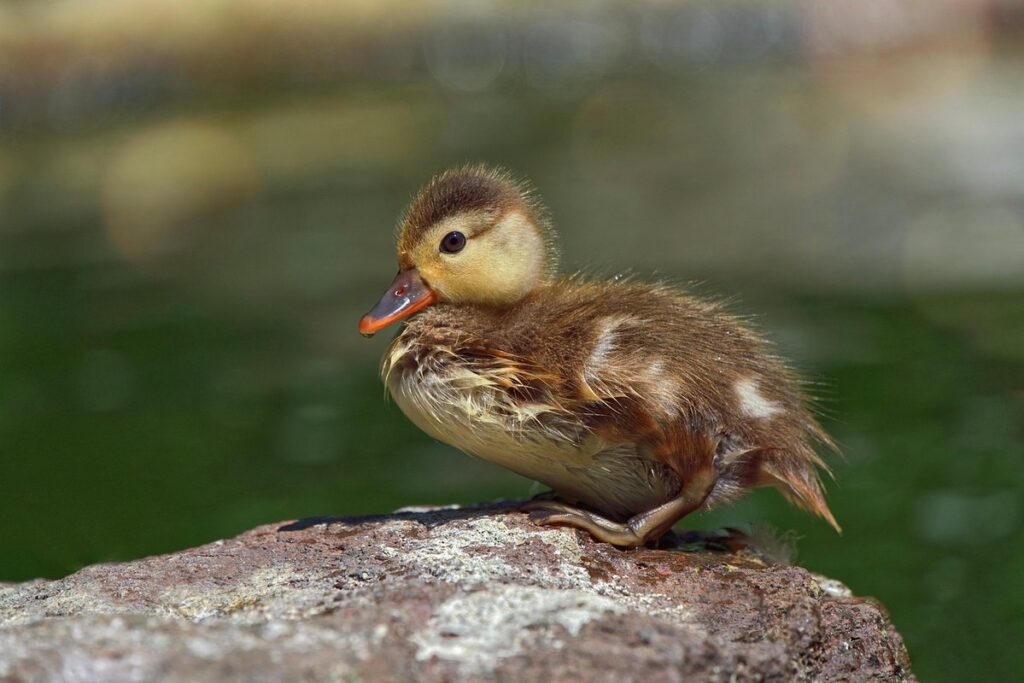
Understanding Duckling Temperature Requirements
To raise healthy and happy ducklings, it’s essential you understand their specific temperature requirements from hatching to maturity. We’ll break down these needs in detail below.
Importance of Temperature Control
Maintaining a proper temperature is crucial for ducklings’ growth, health, and survival. When temperatures are inconsistent or too extreme, it can lead to stunted growth, weakened immune systems, and even death. This is particularly true during the first few weeks of life when ducklings rely heavily on their mother’s warmth and protection.
In the wild, mother ducks will often balance the temperature by adjusting her brood size, moving to sheltered areas, or even abandoning a weakling to prevent it from pulling down the entire clutch. As backyard farmers, we need to replicate this environment as closely as possible to ensure our ducklings develop properly. This means keeping the coop at a consistent temperature between 90°F and 95°F (32°C to 35°C) during the first few weeks.
If temperatures drop below 85°F (29°C), your ducklings may begin to grow slowly, or if they’re exposed to prolonged cold stress, it can even lead to feather loss, respiratory issues, and other health problems. By keeping a close eye on temperature fluctuations and taking corrective measures as needed, you’ll be providing your ducklings with the best possible chance at a healthy, thriving life.
Ideal Brooder Temperature Ranges
When it comes to raising healthy ducklings, maintaining the right temperature is crucial for their growth and development. As they grow, so do their temperature requirements. According to scientific research and industry standards, we recommend different brooder temperatures based on age groups.
For 0-4 week old ducklings, maintain a consistent temperature between 90°F (32°C) and 95°F (35°C). This allows them to stay comfortable and focus on eating and growing without feeling too hot or cold. It’s essential to ensure the heat source is not too close to their food and water to avoid dehydration.
As they grow into 4-8 week olds, you can gradually lower the temperature to between 80°F (27°C) and 90°F (32°C). This allows them to adapt to the changing temperatures in their surroundings. However, always keep an eye on your ducklings’ behavior; if they seem uncomfortable or stressed, adjust the temperature accordingly.
Remember, it’s not just about setting a specific temperature range but also ensuring proper ventilation in the brooder area to prevent overheating and maintain air quality. Monitor your ducklings closely during these transitional periods to ensure their comfort and optimal growth.
Factors Affecting Temperature in Duckling Brooders
When it comes to maintaining optimal temperature levels in duckling brooders, several factors come into play. Humidity, for instance, has a significant impact on ducklings’ comfort and overall health. If the air is too dry, ducklings may experience skin irritations and discomfort, while excessively humid conditions can lead to respiratory issues.
Air circulation also plays a crucial role in regulating temperature levels. Proper ventilation ensures that hot air escapes and fresh air enters the brooder, maintaining a stable temperature range. A well-ventilated brooder typically has one square inch of vent space for every 1,000 cubic inches of interior space.
The size of the brooder is another critical factor to consider. A larger brooder may require additional heating or cooling measures to maintain optimal temperatures, while a smaller space can lead to temperature fluctuations and reduced air circulation. It’s essential to monitor temperature levels regularly and adjust the brooder accordingly to ensure ducklings stay comfortable and healthy throughout their development.
Setting Up a Suitable Brooding Environment
When it comes to raising healthy ducklings, setting up a suitable brooding environment is crucial for their development and growth. Let’s dive into creating an optimal space for your new feathered friends.
Designing the Perfect Brooder Space
When designing the perfect brooder space for your ducklings, it’s essential to consider their initial needs. A general rule of thumb is to provide a minimum floor area of 2-3 square feet per duckling. This allows them enough space to move around comfortably and reduces stress.
Ventilation is also crucial in a brooder. Make sure the area has adequate airflow by placing the brooder near an open window or using a fan to circulate air. Aim for at least one ventilation hole per 2-3 square feet of floor space. This will help regulate temperature and prevent ammonia buildup from their waste.
Proper lighting is also vital in a brooder. Use heat lamps or ceramic heat emitters, but avoid direct sunlight, which can cause overheating. Position the light source about 12-18 inches above the ducklings to maintain a comfortable temperature range without causing burns. This will help your ducklings grow and develop healthily, setting them up for a strong start in life.
Choosing the Right Heating Equipment
When it comes to brooding ducklings, choosing the right heating equipment is crucial for their development and survival. You have several options available, each with its pros and cons.
Heat lamps are a popular choice due to their efficiency and ability to warm up quickly. However, they can be hazardous if not placed correctly, as the radiant heat can cause burns or ignite flammable materials. Ceramic heat emitters, on the other hand, are safer and more energy-efficient but may take longer to warm up.
For the first few days (0-4 days), you’ll need a reliable heat source that maintains a consistent temperature of around 90-95°F (32-35°C). A heat lamp or ceramic emitter with a thermostatic control is ideal for this stage. As the ducklings grow older, you can gradually reduce the heat output and switch to a less intense heating method.
Remember to consider factors like ventilation, air circulation, and moisture when selecting your heating equipment.
Ensuring a Comfortable Temperature Gradient
Creating a temperature gradient within the brooder is crucial to prevent overheating or chilling of ducklings. A temperature gradient allows the young birds to move towards their optimal comfort zone, which is typically between 90°F and 100°F (32°C to 38°C). To achieve this, you can place heat sources such as heat lamps or ceramic heat emitters at one end of the brooder, while keeping a cooler area near the ventilation system.
As a general rule, the temperature should decrease by about 5-10°F (3-6°C) from the hot end to the cool end. For example, if you have a heat lamp at one end with a temperature of 100°F (38°C), the opposite end should be around 90°F (32°C). This allows the ducklings to regulate their body temperature and move freely within the brooder.
Remember to monitor the temperature closely and adjust as needed. A simple way to do this is by using a thermometer placed near the heat source and another at the cool end of the brooder.
Monitoring and Maintaining Optimal Temperatures
To keep your ducklings healthy, it’s crucial to monitor and maintain optimal temperatures in their environment, which can be a challenge for new duck parents.
Thermometer Options and Placement
When it comes to monitoring the temperature for your ducklings, having an accurate thermometer is crucial. There are two primary types of thermometers: digital and analog.
Digital thermometers are generally more accurate than their analog counterparts, as they can provide readings down to a single degree. Some popular options include infrared thermometers that quickly measure the temperature without coming into contact with the brooder or nesting box. Analog thermometers, on the other hand, require manual calibration and may not be as precise.
Regardless of which type you choose, proper placement is essential for accurate readings. A good rule of thumb is to place the thermometer at least three inches away from any heat source. You should also position it in a draft-free area where it won’t be influenced by air currents. This might mean placing it on the opposite side of the brooder or using a shield to protect it from direct airflow. By following these guidelines, you can ensure your ducklings receive the optimal temperature for growth and development.
Developing a Temperature Monitoring Schedule
To develop an effective temperature monitoring schedule for your ducklings, it’s essential to consider their unique temperature requirements. As a general rule, ducklings need a slightly warmer environment than chicken hatchlings, with optimal temperatures ranging from 90°F to 95°F (32°C to 35°C) during the first week.
Here are some practical tips for checking temperatures at different times of day:
* Check the temperature in the morning after feeding, as this is when ducklings tend to be most active.
* Monitor the temperature again around mid-day, when the brooder may have warmed up due to direct sunlight or heat lamps.
* Finally, check the temperature in the evening before turning off any heat sources. This helps ensure that your ducklings will stay warm throughout the night.
It’s also crucial to adjust the temperature as necessary based on your observations and the specific needs of your flock. For example, if you notice your ducklings shivering or struggling to get comfortable, it may be time to adjust the heat level downward.
Troubleshooting Common Temperature Issues
If you’ve noticed that your ducklings are experiencing temperature-related problems, it’s essential to identify and correct the issue promptly. Overheating is a common problem that can be caused by inadequate ventilation or improper brooding equipment. Signs of overheating include panting, lethargy, and disorientation. To prevent this, ensure that your brooder has adequate airflow and maintain a temperature range between 90-95°F (32-35°C) for the first few weeks.
On the other hand, underheating can be caused by inadequate insulation or a malfunctioning heat source. Ducklings may exhibit shivering, huddling together, or difficulty staying warm. To correct this issue, increase the temperature by 1-2°F (0.5-1°C) and ensure that the brooder is well-insulated.
Regular monitoring of your ducklings’ behavior and environment will help you identify potential temperature-related problems early on. Keep an eye out for signs of stress or discomfort, such as excessive noise or feather loss. By staying vigilant and making adjustments as needed, you can provide a safe and healthy environment for your ducklings to thrive.
Tips for Raising Ducklings in Different Climates
When raising ducklings, climate plays a significant role in their health and development. This section shares essential tips for adapting to varying temperatures and conditions.
Hot Weather Considerations
When temperatures soar, it’s essential to provide your ducklings with a cool and comfortable environment. Extreme heat can lead to dehydration, stress, and even death. To prevent this, ensure proper ventilation in their enclosure by installing windows or vents that allow for cross-ventilation.
Provide adequate shade using tarps, umbrellas, or canopies to block direct sunlight from hitting the ducklings. You can also use a misting system or sprinklers to keep them cool. For example, you can set up a shallow pool of water and add ice packs to lower the temperature. Additionally, consider installing a cooling pad or a fan to circulate air and create a breeze.
When choosing a cooling system, prioritize ones that don’t involve chemicals or moisture, which can attract pests. Some effective options include evaporative coolers or fans with adjustable speed settings. Be sure to monitor your ducklings’ temperature closely and take action if it exceeds 80°F (27°C).
Cold Weather Preparations
As winter sets in, it’s essential to prepare for cold snaps that can be detrimental to ducklings. A chilly environment can lead to stress, illness, and even death. To ensure the comfort and development of your feathered friends, you’ll need to prioritize insulation, heating, and supplemental lighting.
Insulation is key during cold weather. Line the brooder with thermal materials like straw or shredded paper to retain warmth. You can also use a heat lamp or ceramic heat emitter to maintain a consistent temperature. Aim for a temperature range of 90-95°F (32-35°C) in the first few weeks, gradually decreasing it as they grow.
Supplemental lighting is another crucial aspect during winter months. Artificial light helps ducklings develop their vision and maintains their circadian rhythms. Install a heat lamp with a UVB light or use a specialized duckling light to mimic natural daylight. This will ensure your ducklings receive the necessary 14 hours of light per day.
A word of caution: never leave heating sources unattended, and always monitor the temperature to avoid overheating. By taking these precautions, you’ll create a cozy environment for your ducklings to thrive in, even during the coldest winter months.
Nutritional Needs and Temperature’s Impact on Growth
As we delve into the crucial factors influencing your duckling’s growth, let’s explore how temperature affects their nutritional needs to ensure optimal development. Proper nutrition is vital at this stage.
The Role of Nutrition in Duckling Development
Nutrition plays a crucial role in duckling development, affecting their growth rate, health, and ability to regulate body temperature. A balanced feed that meets their energy needs is essential for ensuring proper care and development.
Ducklings require a diet rich in protein, vitamins, and minerals to support rapid growth and feathering. Starter feeds specifically formulated for ducklings typically contain around 18-20% protein, which helps them build strong muscles, bones, and immune systems. A lack of adequate nutrition can lead to stunted growth, weakened immunity, and increased susceptibility to disease.
To provide the best possible nutrition for your ducklings, choose a high-quality starter feed that is rich in essential nutrients. Ensure fresh water is always available, and consider supplementing their diet with fruits and vegetables like leafy greens, carrots, and sweet potatoes. Keep in mind that over-supplementation can be detrimental, so it’s crucial to follow the manufacturer’s guidelines.
A nutritious diet also helps ducklings regulate their body temperature more efficiently. This is particularly important during cold weather or when temperatures fluctuate significantly. By ensuring your ducklings receive a balanced feed, you’ll not only support their growth and development but also help them stay healthy and thrive in various environmental conditions.
How Temperature Affects Feed Intake and Utilization
When it comes to ducklings, proper temperature control is crucial for optimal growth and development. But did you know that temperatures can also affect their feed intake and utilization? When temperatures rise above or drop below the ideal range, ducklings may experience a decrease in feed consumption and nutritional efficiency.
For instance, research has shown that temperatures above 85°F (29°C) can lead to reduced feed intake by up to 20%. This is because high temperatures cause stress, leading to decreased appetite. Conversely, temperatures below 40°F (4°C) can also impede growth, as ducklings may experience a drop in feed consumption due to discomfort and lethargy.
To ensure your ducklings stay healthy and thrive, it’s essential to maintain optimal temperature levels between 90-95°F (32-35°C) for the first week, gradually decreasing by 5°F (3°C) each subsequent week. Monitor their behavior and adjust feeding times accordingly. If you notice a decline in feed intake or overall health, reassess your environment and make necessary adjustments to prevent nutritional deficiencies and stunted growth.
Common Health Issues Related to Duckling Temperatures
If you’re concerned about the health of your ducklings, it’s essential to be aware of common temperature-related issues that can arise during their critical development stages. This section addresses potential problems that may occur if temperatures are not within safe limits.
Overheating-Related Problems
Overheating can be detrimental to ducklings, leading to serious health issues that can have long-lasting effects. Respiratory problems are a common issue when ducklings overheat, as their bodies struggle to regulate their temperature and oxygen levels. This can manifest as labored breathing, wheezing, or even complete respiratory failure.
Heat stress is another critical concern, particularly in extreme temperatures. Ducklings may display symptoms such as lethargy, loss of appetite, or excessive panting. In severe cases, heat stress can cause ducklings to become comatose or even die.
Preventing overheating-related problems requires attention to temperature control and duckling care. Ensure that your brooder has adequate ventilation and is placed in a shaded area. Monitor the temperature closely, aiming for 90-95°F (32-35°C) during the first week of life. Keep an eye on your ducklings’ behavior and watch for signs of overheating.
If you suspect that your ducklings are experiencing heat stress or respiratory problems due to overheating, seek veterinary attention immediately. Treatment may involve administering cool water, providing oxygen therapy, or even hospitalization in a climate-controlled environment.
Underheating and Its Consequences
When it comes to maintaining a comfortable temperature for ducklings, underheating is one of the most common mistakes that can have serious consequences. Prolonged exposure to cold temperatures can lead to lethargy, reduced growth rates, and even more severe health issues.
Ducklings require a consistent temperature between 90°F to 95°F (32°C to 35°C) during their first few weeks of life. If the temperature drops below this range, they may become sluggish, stop growing, or even develop respiratory problems. For instance, a study on duckling rearing found that temperatures below 80°F (27°C) resulted in reduced weight gain and increased mortality rates.
To prevent underheating, it’s essential to provide a warm and draft-free environment for your ducklings. You can achieve this by using heat lamps or ceramic heat emitters, which are specifically designed for poultry care. Place these heat sources at least 2-3 feet away from the waterer and food dish to avoid overheating and ensure proper ventilation.
Conclusion: A Comprehensive Approach to Duckling Temperature Management
Now that you’ve learned how to keep your ducklings warm and healthy, it’s time to put it all together with a comprehensive approach to temperature management. Let’s summarize the key takeaways.
Recap of Key Takeaways
Proper temperature management is crucial for healthy duckling development. Throughout this guide, we’ve covered the essential aspects of caring for your ducklings and providing them with a suitable environment.
Firstly, it’s vital to understand that ducklings require a specific range of temperatures to grow and thrive. A temperature range of 90°F to 95°F (32°C to 35°C) is ideal for the first few weeks after hatching. As they mature, you can gradually decrease the temperature by 5-10°F (3-6°C) every week.
In addition to maintaining a comfortable temperature, it’s equally important to provide adequate ventilation in your brooder or enclosure. This will help prevent the buildup of ammonia from their droppings and maintain air quality. Make sure to place the brooder in a well-ventilated area or use a ventilation system specifically designed for poultry.
We also discussed the importance of monitoring temperature fluctuations and maintaining a consistent environment. Sudden changes can be stressful for ducklings, which may lead to health issues. To prevent this, ensure your brooder is located away from drafty areas, radiators, or air conditioning units that could cause temperature variations.
Remember, every degree above or below the optimal temperature range can significantly impact your ducklings’ growth and overall health. Keep a close eye on their behavior, appetite, and stool quality to detect any potential issues related to temperature management.
By following these guidelines and maintaining a stable environment, you’ll be providing your ducklings with the best possible start in life.
Frequently Asked Questions
What are some common mistakes to avoid when monitoring duckling temperatures?
When setting up a brooder, it’s easy to overlook essential details that can affect the temperature gradient. Avoid placing heating elements too close to the walls or corners of the enclosure, as this can create hot spots and cold pockets. Also, ensure you have multiple thermometers placed throughout the brooder to get an accurate reading of the temperature.
How often should I check the temperature in my duckling’s brooder?
Regular monitoring is crucial when it comes to maintaining optimal temperatures for your ducklings. Check the temperature at least twice a day, once in the morning and again in the evening, to ensure that the brooder is within the recommended range (around 90-100°F for the first week). Be prepared to adjust the heating equipment accordingly.
What if I notice my ducklings are not adapting well to their environment?
If you notice your ducklings seem stressed or uncomfortable in their brooder, it’s essential to investigate the cause. First, check that the temperature is within the recommended range and ensure there is adequate ventilation. Also, consider the lighting levels; too much light can cause overheating.
Can I use a space heater for my duckling brooder?
Using a space heater can be an effective way to maintain optimal temperatures in your duckling’s brooder, but it requires careful consideration. Be sure to choose a heater specifically designed for small animals or poultry, and always follow the manufacturer’s instructions for safe operation.
What should I do if I encounter issues with my thermometer?
Malfunctioning thermometers can lead to inaccurate temperature readings, which can have serious consequences for your ducklings’ health. If you suspect your thermometer is faulty, replace it immediately with a new one, ensuring that it’s calibrated correctly before use.