
If you’re like many duck enthusiasts, you want to give your feathered friends the best possible care. But with so many options available, it can be hard to know what foods are safe and healthy for them to eat. Unfortunately, some common foods that we think of as treats can actually be toxic to ducks. From sugary snacks to certain vegetables, there are plenty of culprits to watch out for. In this article, we’ll explore the top toxic foods for ducks and provide tips on how to create a balanced diet that keeps your waterfowl friends healthy and happy. We’ll also share some simple swaps you can make to ensure your duck’s meals are both nutritious and safe to eat, giving you peace of mind and a happy, thriving flock.
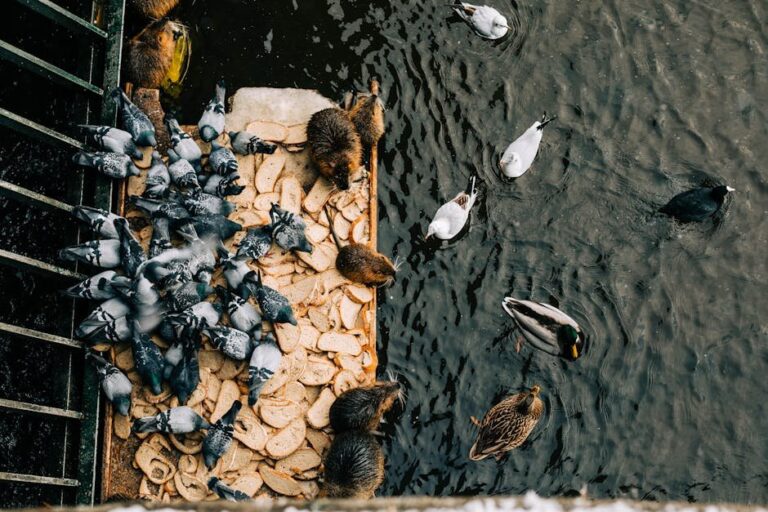
Understanding Duck Nutrition Basics
To raise happy and healthy ducks, it’s essential to understand their nutritional needs and what foods are safe for them to eat. Let’s dive into the basics of duck nutrition.
Importance of a Balanced Diet
When it comes to keeping your ducks healthy and happy, providing them with a balanced diet is crucial. Ducks have specific nutritional needs that must be met through their diet, and feeding them the right foods can make all the difference.
A duck’s ideal diet consists of a mix of proteins, carbohydrates, fats, vitamins, and minerals. You’ll want to focus on providing your ducks with plenty of fresh vegetables, fruits, and whole grains like oats, barley, and wheat. These foods are rich in fiber, which helps keep their digestive system running smoothly.
In addition to these staple foods, you should also supplement your duck’s diet with a high-quality commercial feed specifically formulated for waterfowl. This type of feed will provide them with all the essential nutrients they need, including protein, calcium, and vitamins A and D. By feeding your ducks a balanced diet that includes a mix of fresh foods and commercial feed, you’ll be well on your way to keeping them happy and healthy.
Some examples of nutrient-dense foods for ducks include leafy greens like kale and spinach, as well as fruits like berries and apples.
Common Mistakes in Duck Feeding
One of the most common mistakes duck owners make is feeding their pets table scraps and human leftovers. While it might seem harmless to give them what you’re eating for dinner, many foods can be toxic or even fatal to ducks. For example, onions and garlic belong to the Allium family, which contains compounds that can cause anemia in birds. If you’ve been sneaking bits of onion into their feed, stop immediately – it’s not worth the risk.
Another mistake is over-supplementing with foods high in sugar or salt. Ducks have different nutritional needs than humans, and excessive sugar consumption can lead to obesity, insulin resistance, and other health problems. Similarly, too much salt can cause electrolyte imbalances and dehydration.
Avoid feeding ducks foods that are high in fat content, such as avocado, chocolate, or bread. These can cause digestive issues, fatty liver disease, or even respiratory failure. By being mindful of what you feed your ducks, you can help keep them healthy and happy.
Foods That Are Toxic to Ducks
When it comes to keeping your feathered friends safe, knowing what foods to avoid is crucial. We’ll cover some common culprits that are toxic to ducks and should never be fed.
Avocado
If you’re an avid gardener and love sharing your harvest with your feathered friends, be cautious not to offer them avocados as a treat. While avocados are nutritious for humans and some animals, they contain a toxin called persin that can be fatal to ducks if ingested in large amounts.
The concentration of persin varies depending on the avocado variety, but even small amounts can cause serious health issues in ducks. If your duck accidentally eats a slice of avocado or two, it might not show immediate symptoms. However, eating a larger quantity or consuming avocado regularly over time can lead to vomiting, diarrhea, and lethargy.
To keep your ducks safe, avoid feeding them avocados altogether. Instead, offer them nutrient-rich foods like leafy greens, fruits, and commercial duck pellets specifically formulated for their dietary needs. If you suspect your duck has ingested an avocado or is showing symptoms of persin toxicity, contact a veterinarian immediately to prevent further complications.
Onions, Garlic, and Chives
When it comes to adding flavor and nutrients to your duck’s diet, you may be tempted to feed them onions, garlic, and chives. However, these Allium family plants contain compounds that can wreak havoc on a duck’s health. The problem lies in the fact that these foods contain thiosulfates, which can damage red blood cells and lead to anemia.
As a responsible duck owner, it’s essential to recognize the signs of anemia in your feathered friends, such as pale gums, lethargy, and labored breathing. If you suspect that your duck has ingested onions, garlic, or chives, monitor their behavior closely and seek veterinary attention if symptoms persist.
To avoid any potential harm, keep these toxic plants out of reach of your ducks altogether. Instead, offer them a balanced diet rich in fruits, vegetables, grains, and protein sources like mealworms or crickets. If you’re looking for an onion-like flavor, consider using garlic-free seasoning alternatives or cooking methods that don’t involve raw onions.
By making informed choices about what to feed your ducks, you can keep them healthy and happy for years to come.
Raw or Green Potatoes
When it comes to feeding your ducks, many owners make the mistake of offering them raw or unripe potatoes. While they might seem like a tasty treat, these potatoes contain high levels of solanine, a toxic compound that can cause serious harm to your feathered friends.
Solanine is naturally present in all parts of the potato plant, including the tubers, leaves, and stems. When potatoes are exposed to light or grow in hot conditions, the concentration of solanine increases. This means that even if you’re feeding your ducks raw potatoes from your garden, they could still be toxic.
Ingesting solanine can cause a range of symptoms in ducks, including vomiting, diarrhea, lethargy, and even respiratory problems. In severe cases, it can lead to seizures and even death. So how do you avoid this risk? Simple: stick to cooked potatoes only! Boiling or baking potatoes breaks down the solanine, making them safe for your ducks to eat.
When in doubt, remember that it’s always better to err on the side of caution when feeding your ducks new foods. Opt for plain, boiled, or mashed potatoes as a treat instead of trying to introduce raw or unripe ones into their diet.
Foods That Can Cause Digestive Issues
Some common foods can wreak havoc on your ducks’ digestive systems, causing uncomfortable symptoms and potentially serious health issues if not addressed. In this case, let’s explore some of these problematic foods.
Bread and Other Starchy Treats
Feeding bread and other starchy treats to ducks might seem harmless, but it can lead to digestive issues. The high starch content in these foods can cause problems for ducks’ sensitive stomachs. White bread, in particular, is a culprit because it lacks fiber and nutrients that would normally help with digestion.
When you feed your ducks white bread or other starchy treats like crackers or cookies, they might seem initially happy to eat them. However, over time, these foods can lead to discomfort, bloating, and even diarrhea. This is especially concerning if fed in large quantities or regularly.
It’s essential to note that ducks are not designed to digest high amounts of starches like humans do. Their digestive system requires a balanced diet rich in fiber and nutrients found in whole foods such as fruits, vegetables, and grains. To avoid digestive issues, consider replacing bread with healthier alternatives like oats, barley, or quinoa, which can be soaked overnight and then fed to your ducks.
High-Fat Foods
When it comes to feeding your ducks, there are certain high-fat foods that should be avoided at all costs. Foods like chocolate and fatty meats may seem harmless, but they can lead to a serious health issue in ducks known as pancreatitis.
Pancreatitis is a painful condition where the pancreas becomes inflamed due to excessive fat consumption. This can cause your duck’s digestive system to shut down, leading to vomiting, diarrhea, and abdominal pain. In severe cases, it can even be life-threatening.
If you’re wondering how much fat is too much for your ducks, consider this: a single serving of chocolate chips contains about 10 grams of fat. That may not seem like a lot, but when fed regularly or in large quantities, it can add up quickly. Similarly, fatty meats like bacon and sausage are also high-risk foods for your feathered friends.
To keep your ducks healthy and happy, stick to their regular diet and avoid sneaking them treats that can do more harm than good. Instead, try offering fresh fruits and vegetables as an occasional snack – they’ll love the change of pace!
Other Potential Hazards
When it comes to keeping your feathered friends safe, there are several other toxic foods you should be aware of beyond the most obvious culprits. Some common offenders may surprise you.
Grapes and Raisins
When it comes to toxic foods for ducks, grapes and raisins are often overlooked but just as hazardous. Similar to onions, these fruits contain compounds that can cause kidney damage in ducks. This is due to a unique combination of sugars and acids found in the skin and seeds of grapes, which can crystallize in the kidneys of birds.
If you’ve ever wondered why your duck might seem lethargic or show signs of abdominal pain after snacking on raisins or grapes, it’s likely because of this toxic reaction. In severe cases, kidney damage can even lead to seizures and death. So, what should you do? For one, always keep grapes and raisins out of reach of your ducks’ favorite feeding spots.
If you suspect your duck has ingested these toxic treats, monitor its behavior closely for signs of illness. If symptoms persist or worsen, consult a veterinarian immediately. To prevent this hazard altogether, consider replacing grapes with healthier alternatives like berries, apples, or leafy greens in your duck’s diet. By being aware of the potential dangers lurking in seemingly harmless foods, you can keep your feathered friends safe and healthy.
Apple Seeds
When feeding your ducks fresh fruits, it’s easy to overlook one crucial step: removing seeds. While apples are a nutritious and tasty treat for your feathered friends, the seeds can be deadly if ingested in large quantities. Apple seeds contain a compound called amygdalin, which releases cyanide when broken down in the digestive system.
Cyanide is a potent toxin that can cause serious health problems for ducks, including respiratory failure, neurological damage, and even death. The amount of cyanide released from an apple seed may seem negligible to you, but it’s still a risk your ducks shouldn’t take. For example, just 1-2 apple seeds contain enough amygdalin to potentially harm a duck.
To keep your flock safe, make it a habit to thoroughly clean and prepare fruits before feeding them to your ducks. Remove all seeds, pits, and stems from apples, pears, cherries, and apricots. You can also consider buying seedless varieties or purchasing pre-washed fruits that are free of seeds and other potential hazards. By taking this extra step, you’ll be able to enjoy sharing healthy treats with your ducks while minimizing the risks associated with certain foods.
Managing Your Duck’s Diet Effectively
When it comes to keeping your feathered friends healthy, a well-balanced diet is crucial. In this next part, we’ll explore ways to manage your duck’s diet effectively.
Creating a Balanced Feeding Schedule
Creating a balanced feeding schedule is crucial for ensuring your duck receives all the necessary nutrients. When designing an eating plan for your feathered friend, it’s essential to consider their age, size, and breed, as well as the available space and climate. A good starting point is to divide daily food intake into four to six meals. This allows for consistent energy levels throughout the day and helps prevent overeating.
A balanced diet should include a mix of grains, vegetables, fruits, and proteins. For example, you can offer 70-80% of their daily calories from high-quality duck pellets or commercial feed, supplemented with fresh vegetables like leafy greens, carrots, and sweet potatoes. Limit the amount of treats like bread, as they lack essential nutrients and can lead to digestive issues.
When planning your feeding schedule, consider the following tips:
* Provide at least two cups of fresh water daily.
* Rotate vegetables every few days to ensure variety and prevent nutrient deficiencies.
* Allow 1/4 cup of fruits per duck daily for a burst of flavor and fiber.
Supplementing with Healthy Options
When it comes to providing your ducks with the best possible nutrition, supplementing their diet with healthy options can be a great way to ensure they’re getting all the essential nutrients they need. As we’ve discussed earlier, there are certain foods that are toxic to ducks and should be avoided at all costs. However, by incorporating nutrient-rich supplements into their diet, you can help bridge any nutritional gaps.
Consider adding duck pellets or crumbles that are high in protein and fortified with vitamins and minerals. You can also provide your ducks with treats like mealworms, which are rich in iron and other essential nutrients. Another great option is to offer fresh fruits and vegetables, such as leafy greens, carrots, and apples. When choosing supplements, make sure to select options that are specifically formulated for waterfowl or poultry.
Remember to introduce new supplements gradually to prevent digestive upset, and provide plenty of fresh water at all times to help your ducks digest their food properly. By doing so, you can give your feathered friends the nutrition they need to thrive.
Conclusion
Now that you’ve learned which foods to avoid, let’s summarize what we’ve covered so far and provide a few final tips for keeping your feathered friends safe.
Recap of Toxic Foods to Avoid
As we conclude our discussion on toxic foods for ducks, it’s essential to review the key takeaways from this article. To keep your feathered friends safe and healthy, remember these crucial points:
Don’t feed your ducks avocado, as its pit, skin, and leaves contain a toxic compound called persin. Also, avoid giving them onions and garlic, which belong to the Allium family and can cause anemia in waterfowl.
Onions and their relatives are not the only culprits – mushrooms are also off-limits for ducks. Some species of mushrooms, like the Destroying Angel, can be toxic even to humans, let alone our birds. Don’t assume wild mushrooms are safe; always err on the side of caution.
Foods high in sugar, salt, and fat should also be avoided, as they can lead to health issues in ducks. These include table scraps, processed foods, and snacks like crackers or chips.
Lastly, certain types of beans, such as red kidney beans and black beans, contain phytohemagglutinin (PHA), which is toxic to waterfowl. So, be sure to keep these foods out of your duck’s diet.
By following this list, you’ll be well on your way to creating a safe and healthy environment for your ducks.
Final Tips for Responsible Duck Ownership
As you’ve learned about the toxic foods to avoid feeding your ducks, it’s essential to remember that responsible duck ownership goes beyond just diet. A healthy relationship between you and your feathered friend relies on creating a safe and nurturing environment.
Make time for regular exercise and playtime with your ducks. This could be as simple as letting them free-range in a securely fenced area or setting up a kiddie pool for hot summer days. Remember, ducks need mental stimulation just as much as physical activity. Try hiding treats around the enclosure to encourage problem-solving and exploration.
Also, don’t forget about social interaction! Ducks are social animals that thrive on companionship. If you have multiple ducks, ensure they have enough space and resources to coexist peacefully. If not, consider adopting another duck or even a friendly chicken as a companion.
Lastly, always keep an eye out for signs of stress or illness in your feathered friends, such as changes in appetite, droppings, or behavior. Regular veterinary check-ups will help you stay on top of their health and address any issues promptly. By prioritizing these essential aspects of duck care, you’ll create a loving home where both you and your ducks can enjoy each other’s company for years to come.
Frequently Asked Questions
What are some common symptoms to look out for if my duck has ingested a toxic food?
If you suspect your duck has eaten something toxic, monitor them closely for signs of illness such as lethargy, loss of appetite, vomiting, diarrhea, or seizures. It’s essential to take immediate action and consult with a veterinarian if you notice any of these symptoms.
Can I still feed my ducks some treats if I’m aware of the toxic foods?
Yes, it’s possible to provide healthy treats for your ducks while avoiding toxic foods. Focus on whole grains like oats, barley, or wheat, and fresh vegetables like leafy greens, carrots, or sweet potatoes. Limit starchy or high-fat foods as they can lead to digestive issues.
How often should I rotate my duck’s diet to ensure they get all the necessary nutrients?
Rotating your duck’s diet every 7-10 days can help prevent nutritional deficiencies and keep them interested in their food. Introduce new vegetables, fruits, or grains gradually to avoid upsetting their digestive system.
What if I accidentally feed my ducks a toxic food? Should I panic?
No need to panic! If you’ve accidentally fed your duck something toxic, contact a veterinarian immediately for guidance on the best course of action. They may recommend inducing vomiting or administering activated charcoal to help remove the toxin from your duck’s system.
Can I grow my own food for my ducks instead of buying store-bought options?
Yes, growing your own food can be a great way to provide fresh and nutritious options for your ducks! Consider planting leafy greens like kale or spinach in your backyard, or even raising whole grains like oats or barley. This will not only save you money but also ensure the quality and freshness of the food.