
As a new parent to adorable ducklings, you’re probably eager to see your little ones take their first dips in water. But when is the perfect time to introduce them to swimming? Recognizing the optimal environment and understanding the signs of readiness are crucial for healthy development from hatching to swimming maturity.
Unfortunately, many inexperienced duck breeders make mistakes that can hinder this critical phase. By learning how to create an ideal setting and identify the telltale signs of swimming readiness, you’ll be able to ensure your ducklings grow strong and confident in their aquatic abilities. In this article, we’ll guide you through the essential tips for creating a conducive environment and spotting when your ducklings are ready to take the plunge.
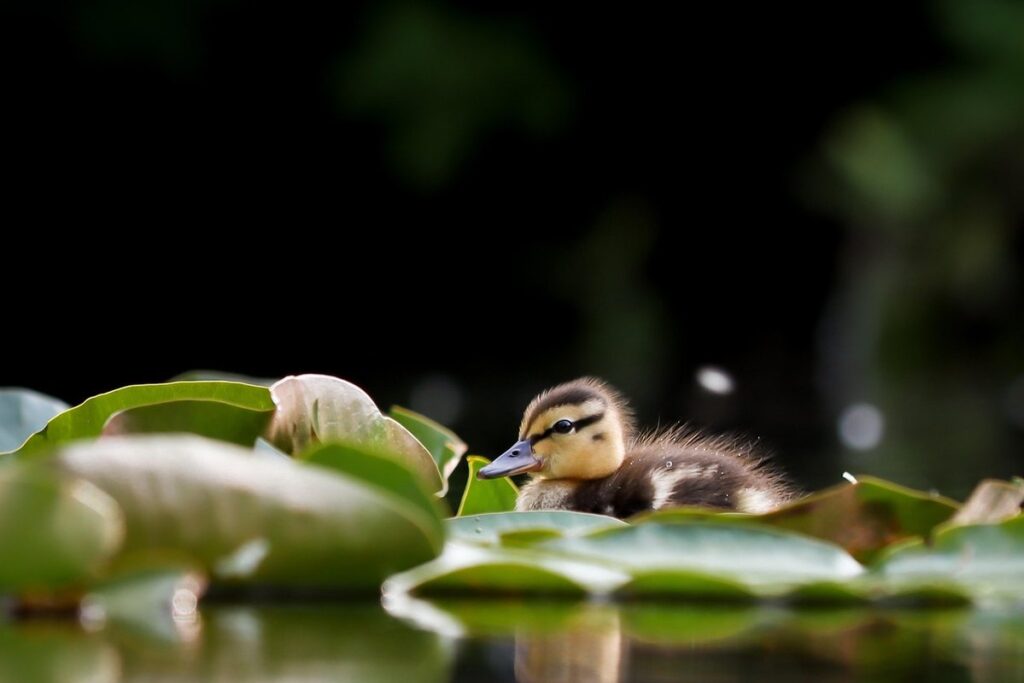
Introduction to Duckling Swim Time
Welcome to the world of ducklings! In this crucial stage, learning when and how they should swim is essential for their development, growth, and survival.
What is Normal Swim Time for Ducklings?
When it comes to ducklings learning to swim, one of the most common questions from new owners is: “How long will it take for my ducklings to become independent swimmers?” The answer varies depending on several factors, but a general guideline is that ducklings typically begin swimming and diving within 24-48 hours after hatching. However, their ability to swim efficiently and confidently can take anywhere from 7-14 days.
Factors such as breed, nutrition, and environmental conditions can influence the speed of this process. For example, Muscovy ducklings tend to be slower swimmers than Pekin or Khaki Campbell ducklings. A well-balanced diet that includes a mix of commercial starter feed and fresh vegetables will help support their growth and development.
To gauge your ducklings’ swimming progress, look for signs such as paddling with both wings, diving below the water’s surface, and retrieving food from underwater.
Factors Affecting Duckling Swim Time
When it comes to duckling swim time, several factors can influence their speed of learning. One significant factor is genetics. Some breeds are naturally more adept at swimming due to selective breeding over the years. For instance, Muscovy ducks are known for their impressive swimming abilities, while other breeds like Khaki Campbells and Golden 300 Hybrid may take longer to get comfortable in the water.
Environmental factors also play a crucial role in duckling swim time. A safe and encouraging environment can help them learn faster. Provide a shallow pool of water with gentle slopes or steps for easy entry and exit, as well as access to floating devices such as rafts or tubes if needed. Ensure the water is clean, calm, and at a comfortable temperature for the ducklings.
Nutrition also impacts their development and swimming abilities. A balanced diet that includes essential vitamins and minerals will support healthy growth and development of muscles, which in turn affects their ability to swim efficiently. Monitor your duckling’s intake closely during this critical period, providing high-quality starter feed specifically formulated for young waterfowl.
Stages of Development: From Hatching to Swimming
As you prepare your ducklings for swim time, it’s essential to understand their development stages, from wobbly hatching to confident swimming. Let’s dive into the key milestones they’ll reach along the way.
Stage 1: Immediately After Hatching (0-24 hours)
When a duckling hatches, it’s immediately vulnerable to predators. In the first 24 hours, its main concern is drying out and getting comfortable. Newborn ducklings are covered in a layer of down feathers that can keep them warm, but they still need access to water for drinking and moisture.
During this critical period, it’s essential to provide your duckling with a safe environment. Make sure the brooder or incubator is clean and at a suitable temperature (around 90-100°F). Ensure there are shallow dishes of fresh water within reach, as ducklings can easily drown if submerged in deep water too soon.
Keep an eye on your duckling’s behavior; they’ll often seek out water to drink. Be cautious not to overhandle them, as this can cause stress and increase the risk of disease. Keep the brooder draft-free and maintain a consistent temperature to prevent chilling or overheating issues. By providing a safe space for your duckling to develop during these initial hours, you set it up for success in its journey towards swimming.
Stage 2: First Days and Weeks (24-72 hours)
In the first 24-72 hours after hatching, ducklings undergo rapid development and learning. As their eyes open and they begin to explore their surroundings, they also start acquiring essential survival skills like swimming. At this stage, it’s crucial for you as a caregiver to ensure your ducklings have access to a safe and shallow water area where they can practice paddling and getting comfortable with the water.
Initially, ducklings will likely just paddle around at the surface, flapping their wings and legs wildly as they try to stay afloat. Be patient and encouraging – it’s normal for them to be clumsy at first! To facilitate learning, provide a shallow pool or container filled with warm water (around 90-100°F). You can also gently guide your ducklings into the water using a soft-bristled brush or a cup.
As they become more confident, gradually increase the depth and let them explore on their own. With time, you’ll notice improvements in their swimming abilities – remember to reward progress with treats!
Environmental Factors Influencing Swim Time
When it comes to duckling swim time, environmental factors play a crucial role in their development and growth. Let’s dive into how water temperature, pH levels, and more can impact their swimming ability.
Water Temperature and Quality
When it comes to duckling swim time, water temperature and quality play a crucial role in their development. A duckling’s ability to swim is directly affected by the temperature of the water they are swimming in. If the water is too cold or too warm, it can hinder their progress.
Optimal water temperature for ducklings ranges between 70°F to 80°F (21°C to 27°C). Within this range, ducklings can learn to swim and develop their muscles effectively. However, if the water is too cold (below 50°F/10°C), ducklings may have difficulty swimming due to muscle stiffness, and if it’s too warm (above 90°F/32°C), they may tire easily.
Water quality also affects duckling swim time. Ducklings need access to clean, clear water for swimming. Any contaminants or debris in the water can hinder their ability to swim and develop their feathers. Aim to keep the water clean by changing it frequently and ensuring there are no sharp objects or heavy particles that could harm them.
Maintaining optimal water temperature and quality is essential for a duckling’s development and overall well-being.
Availability of Food and Shelter
When it comes to duckling swim time, providing adequate food and shelter is crucial for their learning process. Food availability plays a significant role in facilitating the development of young ducks. A balanced diet that includes essential nutrients will enable them to grow strong and healthy, which in turn supports their physical and mental well-being.
In the wild, mother ducks lead their ducklings to suitable feeding grounds where they can graze on aquatic plants and insects. You can replicate this by offering a mix of commercial duck pellets and fresh vegetables, such as kale or spinach, to your ducklings. Make sure to provide access to clean water at all times to prevent dehydration.
Suitable shelter is also vital for young ducks as it protects them from harsh weather conditions, predators, and other dangers. A safe enclosure with adequate ventilation will ensure that your ducklings stay healthy and happy. Consider setting up a sheltered area with some shade, grass, or sand for your ducklings to roam around comfortably.
Providing a suitable environment with plenty of food and shelter will enable your ducklings to develop the skills they need to swim efficiently. As you work on improving their overall well-being, pay close attention to any signs of stress or discomfort in your ducklings and adjust their living conditions accordingly.
Recognizing When Ducklings Are Ready to Swim
Knowing when to introduce your ducklings to water can be a daunting task, but understanding their developmental stages is key. Let’s explore some signs that indicate they’re ready for swimming lessons.
Physical Signs Indicating Readiness
As you observe your ducklings growing, it’s essential to note their physical development to determine when they’re ready for open water swimming. One significant indicator is feather growth. At around 3-4 weeks old, you’ll start noticing down feathers transitioning into more substantial, fluffy feathers. This change in plumage will help insulate them from cold water temperatures and protect against wind and weather conditions.
Pay attention to the color of their feathers as well – while they’re still young, ducklings have a predominantly grayish-brown coat that gradually gives way to adult colors around 5-6 weeks old. Their body shape will also start to resemble that of an adult duck, with longer legs and a more defined tail.
Noticeably, their webbed feet become more prominent, allowing them to paddle efficiently in the water. When you observe these physical changes, it’s usually a sign that they’re ready for swimming lessons or can be safely introduced to open water under close supervision.
Behavioral Changes Suggesting Maturity
As you observe your ducklings grow, you’ll start to notice behavioral changes that indicate they’re maturing and ready to swim independently. One key sign is when they begin to reduce their dependence on the mother. At around 3-4 weeks old, ducklings typically become more confident in their surroundings and start to venture away from the mother’s protective presence.
Another significant change is when they stop relying on the mother for food and water. You might notice them pecking at the surface of the water or exploring the edges of the pool as if trying to figure out how to access the water. This curiosity and independence are crucial indicators that they’re ready to take the plunge (literally!).
If you’ve noticed your ducklings exhibiting these behaviors, it’s time to start introducing them to swimming gradually. Begin by providing a shallow area with water where they can splash around and get accustomed to the sensation. Gradually increase the depth as they become more confident and comfortable in the water. Remember to supervise closely during this process to ensure their safety and well-being.
Tips for Encouraging Healthy Swim Development
As you help your ducklings become confident swimmers, it’s essential to encourage healthy development and avoid potentially harmful habits. Here are some tips to get you started.
How to Provide an Optimal Environment
When creating an environment that fosters healthy swim development in ducklings, it’s essential to consider their physical and emotional needs. A safe and conducive space allows them to learn and grow without undue risk.
First, ensure the water temperature is optimal for young ducks. The ideal range is between 85°F and 90°F (30°C to 32°C), as this promotes comfort and prevents overheating or chilling. You can achieve this by using a thermometer to monitor the water temperature regularly.
Next, provide a gentle slope or ramp leading into the water, allowing ducklings to ease into swimming gradually. This is crucial for preventing accidents and giving them confidence in their abilities. A shallow area with gradual depth increases will also enable them to exercise and explore without feeling overwhelmed.
Keep in mind that overcrowding can be detrimental to healthy development. Ensure there’s enough space for each duckling to move around comfortably, reducing stress and competition for resources.
Managing Health Risks Associated with Swimming
As you begin to encourage healthy swim development in your ducklings, it’s essential to be aware of potential health risks associated with swimming. Ducklings can quickly develop respiratory problems if they’re exposed to contaminated water or swim in conditions that make them susceptible to illness.
Be on the lookout for signs of distress or illness, such as labored breathing, lethargy, and decreased appetite. If you notice any of these symptoms, immediately remove your ducklings from the water and provide a safe and dry environment for them to recover. Monitor their health closely over the next 24-48 hours.
To minimize risks, maintain clean and well-oxygenated water conditions in your swimming area. Regularly test the water quality and adjust as necessary. Keep the pool or pond shallow enough to allow ducklings to easily exit if needed. Ensure that there’s adequate space for them to swim without overcrowding, which can contribute to stress and health issues.
Keep an eye on temperature fluctuations and provide shade or shelter from extreme weather conditions.
Conclusion: Understanding the Importance of Swim Time in Duckling Development
In conclusion, duckling swim time is an essential aspect of their development that cannot be overlooked. By providing your ducklings with adequate swimming opportunities from a young age, you are setting them up for a healthy and happy life. Remember to introduce them to water gradually, starting with shallow pools or containers, to avoid overwhelming them. This gradual introduction will help them build confidence and eventually become strong swimmers.
As they grow and mature, their swim time needs will change, so be sure to adjust your approach accordingly. For example, as ducklings enter the adolescent stage (around 4-6 weeks), you can increase the water depth or introduce them to more challenging swimming conditions. By doing so, you’ll help them develop essential skills for survival in the wild, such as finding food and avoiding predators.
Frequently Asked Questions
Can I introduce ducklings to water if they’re not yet 24 hours old?
Yes, but it’s essential to ensure the water is warm enough (around 90°F) and gently introduce them to the surface using a shallow pool or container. Start with short sessions (10-15 minutes) to help them acclimate to their new environment.
How often should I monitor ducklings for physical signs of swimming readiness?
You should inspect your ducklings every few hours, looking for signs like flapping their wings, paddling with their feet, and attempting to dive or swim. This frequent observation will help you identify the optimal time for introducing them to deeper water.
Can I mix ducklings from different breeds when creating an optimal environment?
While it’s possible to raise ducklings from various breeds together, ensure that their specific needs and requirements are met. Different breeds may have varying water temperature tolerances or dietary needs, so research and cater specifically to the breed with the most sensitive demands.
What if I notice my ducklings are hesitant or stressed when introduced to swimming?
If you observe hesitation or stress during the initial swim sessions, try reducing the water depth or slowing down your introduction process. Ensure a gradual transition by providing shallow areas for them to explore and get accustomed to their aquatic surroundings.
Are there any specific health risks I should be aware of during this stage?
Yes, ducklings are susceptible to hypothermia if exposed to cold temperatures too early. Monitor the water temperature closely and ensure it’s warm enough (around 80°F) for them to swim safely. Also, keep an eye out for signs of respiratory infections or other health issues that may be exacerbated by swimming.