
As a duck farm owner or enthusiast, you’re probably aware of the importance of maintaining a healthy flock. But have you ever stopped to think about the role biosecurity plays in safeguarding your ducks? Effective biosecurity measures can mean the difference between a thriving and thriving duck farm, and one that’s constantly battling disease outbreaks. In this article, we’ll take a closer look at what it means to prioritize duck biosecurity, including essential cleaning protocols, personal protective equipment, and record-keeping strategies. We’ll explore how these simple yet crucial measures can help prevent the spread of diseases and ensure the well-being of your feathered friends. By the end of this article, you’ll have a solid understanding of how to implement effective biosecurity practices on your duck farm.
Understanding Duck Biosecurity Risks
Duck biosecurity risks are often overlooked, but understanding them is crucial for protecting your flock and preventing costly disease outbreaks. Let’s dive into the key factors to consider.
Introduction to Duck Biosecurity
Duck biosecurity is a crucial aspect of poultry production that ensures the health and well-being of ducks on farms. Biosecurity refers to the measures taken to prevent the introduction and spread of diseases within a duck population. This includes controlling access to the farm, proper cleaning and disinfection procedures, and regular monitoring for signs of illness.
Effective duck biosecurity is vital for several reasons. Firstly, it protects the health of the ducks themselves, reducing the risk of disease outbreaks that can lead to significant losses in terms of productivity and even mortality. Secondly, biosecurity measures also safeguard human health by minimizing the transmission of zoonotic diseases from animals to people.
Poor biosecurity practices can have severe consequences, including reduced egg production, decreased water quality, and an increased risk of disease spread. In extreme cases, inadequate biosecurity can lead to the loss of entire duck flocks, resulting in substantial economic losses for farmers. To maintain a secure and healthy duck population, it is essential that farmers prioritize biosecurity measures from the outset.
Common Pathogens Affecting Ducks
Ducks are susceptible to various pathogens that can have devastating consequences on poultry production. One of the most critical biosecurity risks is avian influenza (AI), a highly contagious and deadly virus that affects ducks and other birds. AI can spread through direct contact with infected birds, contaminated water, or airborne transmission.
Another significant threat to duck biosecurity is Salmonella, which can cause severe illness in both ducks and humans who handle them. This pathogen can contaminate feed, water, and the environment, making it essential to maintain a clean and hygienic living space for your ducks.
E. coli is another common pathogen that affects ducks, often causing diarrhea, respiratory issues, and even death. It can be transmitted through contaminated feces, feed, or contact with infected birds. To mitigate these risks, it’s crucial to implement strict biosecurity measures, including regular cleaning and disinfection of enclosures, proper storage of feed and water, and prompt veterinary attention for any signs of illness.
To protect your duck flock, ensure that you’re using clean equipment, wearing protective clothing, and implementing good hygiene practices when handling birds.
Implementing Effective Duck Biosecurity Measures
To minimize the risk of disease outbreaks, it’s crucial you understand how to implement effective duck biosecurity measures on your farm, from cleaning and disinfection to staff training.
Cleaning and Disinfection Protocols
Cleaning and disinfection protocols are crucial components of duck biosecurity. These procedures help prevent the spread of diseases among ducks by removing pathogens from surfaces and reducing bacterial loads. Effective cleaning and disinfection can be achieved through a combination of proper techniques, sanitizers, and disinfectants.
When it comes to selecting sanitizers and disinfectants, look for products that are specifically labeled as effective against avian influenza viruses and other common duck diseases. Make sure to follow the product instructions carefully, as improper use can lead to reduced effectiveness or even harm to your ducks.
In addition to using the right products, proper cleaning techniques are also essential. This includes scrubbing all surfaces with a brush, rinsing thoroughly, and allowing surfaces to air dry before disinfecting. It’s also crucial to remove any debris, manure, or other organic matter that can harbor pathogens.
Regularly testing your water supply for bacterial contamination is another vital aspect of cleaning and disinfection protocols. This ensures that the water provided to your ducks is safe and free from harmful bacteria. By implementing these measures, you’ll be taking significant steps towards protecting the health and well-being of your flock.
Personal Protective Equipment (PPE) for Farm Staff
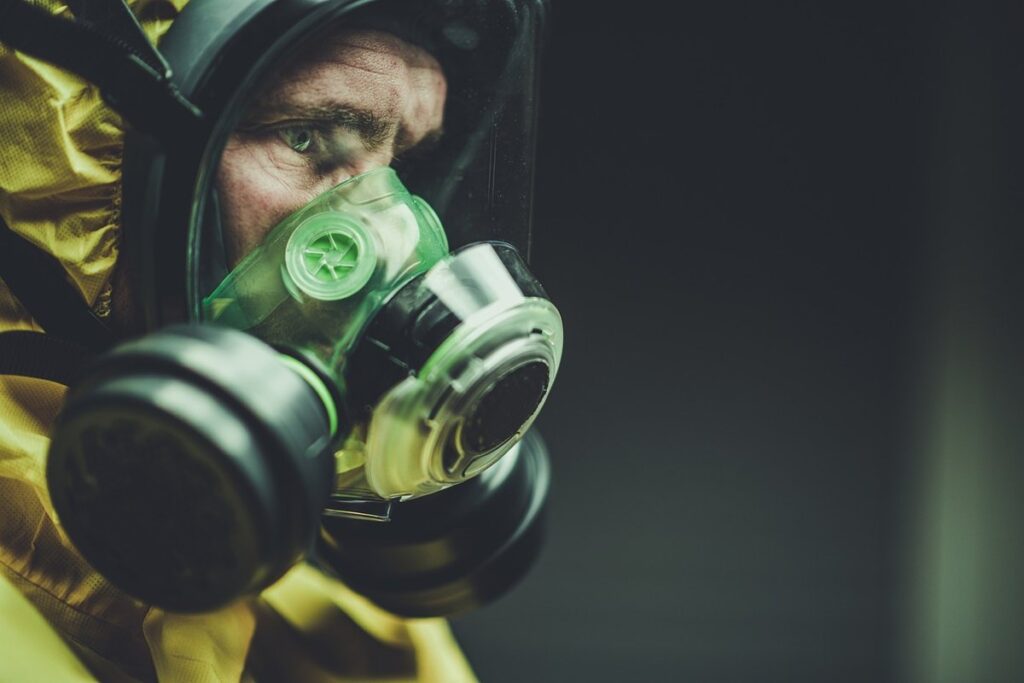
When it comes to preventing the spread of diseases among ducks and farm staff, Personal Protective Equipment (PPE) plays a crucial role. Wearing the right PPE can significantly reduce the risk of disease transmission.
Let’s start with gloves. Gloves are essential for protecting hands from coming into contact with potentially contaminated surfaces or animals. Choose disposable gloves made of nitrile or latex, which provide excellent barrier protection against bacteria and viruses. Change gloves frequently throughout your shift to minimize cross-contamination risks.
Masks also play a vital role in duck biosecurity. Surgical masks or respirators can help prevent the spread of airborne diseases. Opt for masks that filter at least 95% of particles as small as 0.3 microns. Always wear a mask when entering enclosed areas where ducks are housed, and consider wearing one even when outdoors to reduce respiratory droplet transmission.
Don’t forget about eye protection! Chemical splash goggles or safety glasses can safeguard your eyes from potential hazards like disinfectant sprays or bird mites. When selecting PPE, remember that it’s not just about the individual items; it’s also about combining them correctly to ensure comprehensive protection.
Biosecurity Measures for New Duck Farms
When setting up a new duck farm, ensuring robust biosecurity measures is crucial to prevent disease outbreaks and maintain healthy flock conditions. Here, we’ll explore essential guidelines for duck farmers.
Designing a Secure Duck Farm Layout
When designing a secure duck farm layout, it’s essential to consider the biosecurity measures that will protect your flock from disease and other external threats. One of the primary considerations is the creation of secure access points. These should be limited in number and carefully controlled to prevent unauthorized personnel or animals from entering the farm.
It’s also crucial to separate your duck farm from neighboring farms, especially those with similar poultry operations. This can be achieved through the use of physical barriers such as fences, walls, or other forms of dividers. For example, a 3-foot high fence around the perimeter of the farm can effectively prevent contact between your ducks and neighboring birds.
In addition to physical separation, it’s also important to consider the flow of people and goods on and off the farm. Designate separate areas for vehicle access, personnel entry, and waste removal to minimize opportunities for contamination. Regularly review and update your design to ensure it remains effective in preventing disease introduction. By incorporating these biosecurity measures into your duck farm layout, you can create a safe and healthy environment for your flock.
Implementing Regular Training Programs
Implementing regular training programs is crucial to ensure farm staff understand and follow proper biosecurity protocols. This is not a one-time task, but an ongoing process that requires consistent reinforcement.
At the beginning of each season, conduct thorough training sessions for all employees on duck farm biosecurity measures. This should cover topics such as sanitation, cleaning, and disinfection techniques, as well as personal hygiene practices and visitor management. Use visual aids like videos or diagrams to help illustrate key concepts and make them easier to remember.
It’s also essential to provide refresher courses throughout the year to reinforce previously learned material and address any new issues that may arise. Consider inviting external experts to lead these training sessions, especially if they have experience with duck farming or biosecurity measures in poultry production.
To maximize the effectiveness of your training program, make sure it is interactive, engaging, and relevant to your farm’s specific needs.
Managing Bird Movement and Visitor Control
When it comes to duck biosecurity, controlling movement and visitor access is crucial to preventing disease outbreaks. This section will explore effective strategies for managing bird movement and regulating visitors on your farm.
Monitoring Bird Movements
Monitoring bird movements is crucial to maintaining effective duck biosecurity on poultry farms. One way to achieve this is by implementing tracking systems that allow farm managers to monitor the movements of ducks within the facility. This can be done using RFID or GPS tracking devices, which provide real-time data on the location and movement patterns of individual birds.
Biosecurity checks are also essential for monitoring bird movements. These should be conducted regularly, ideally at least twice a day, to identify any unusual behavior or unauthorized access to areas that may compromise biosecurity. For example, if a duck is found in an area where it shouldn’t be, such as the processing room, it’s essential to investigate and take corrective action to prevent future breaches.
To make tracking more efficient, consider implementing a color-coded system for different areas of the farm. This can help quickly identify any anomalies or potential biosecurity risks. For instance, using green tags for healthy birds, red for those showing signs of illness, and yellow for those that have been in close proximity to an infected bird.
It’s also essential to educate staff on the importance of monitoring bird movements and how to identify potential biosecurity breaches. This can be done through regular training sessions or workshops that emphasize the consequences of failing to maintain strict biosecurity protocols. By doing so, you can minimize the risk of disease introduction and protect your flock from infection.
Controlling Visitor Access
Controlling visitor access is a critical aspect of duck biosecurity. Visitors can introduce new pathogens to the farm, compromising the health and productivity of your ducks. To prevent this, establish protocols for visitors, contractors, and delivery personnel.
For visitors, require them to sign in at the entrance and wear clean clothes and footwear. Ensure they wash their hands thoroughly with soap and water before entering areas where ducks are housed. Designate specific routes for visitors to follow to minimize contact with ducks and their living environments.
Contractors and delivery personnel also need protocols in place. This may include requiring them to shower or change into clean clothing upon arrival, as well as adhering to strict hand hygiene practices. It’s essential to provide clear instructions on what is expected of these individuals to ensure they understand the importance of biosecurity.
By implementing these measures, you can significantly reduce the risk of introducing new pathogens to your farm and maintain a safe environment for your ducks. Remember, duck biosecurity is an ongoing process that requires constant vigilance and adherence to established protocols.
Recording and Reviewing Biosecurity Data
To maintain a robust biosecurity program, you’ll need to efficiently record and review data related to your duck flock’s health, behavior, and environmental factors. This helps identify potential risks early on.
Keeping Accurate Records
Maintaining accurate records is a critical aspect of duck biosecurity. It allows you to track bird movements, monitor the effectiveness of implemented measures, and identify potential areas for improvement. This information can also be used to make informed decisions about vaccination programs and disease management strategies.
To maintain accurate records, it’s essential to establish a system that includes details such as:
• Date and time of all farm activities, including vaccinations and treatments
• Bird movements in and out of the facility, including origin and destination
• Incidents that occur on the farm, such as escapes or equipment malfunctions
Regular review of these records can help identify potential biosecurity risks. For example, if you notice a high number of birds leaving the farm with specific health issues, it may indicate a problem with your vaccination program or housing conditions.
By keeping accurate and up-to-date records, you’ll be better equipped to respond quickly in the event of an outbreak and minimize the risk of disease spread within the facility.
Regular Review and Improvement
Regular review and improvement are crucial components of effective duck biosecurity. Just like any other system, your protocols need to be dynamic and adaptable to changing circumstances. This means regularly analyzing data from various sources, including farm records, incident reports, and surveillance systems.
Reviewing data will help you identify areas where your current protocols may be inadequate or even contributing to biosecurity breaches. For instance, if your water quality monitoring system indicates frequent contamination incidents near the duck ponds, it’s likely that the source of the issue lies in your cleaning and disinfection procedures. By analyzing this data, you can pinpoint the problem area and make targeted improvements.
Incident reports also play a significant role in informing your review process. Documenting all incidents – no matter how minor they may seem – will help you understand the nature and frequency of biosecurity threats on your farm. This information will enable you to refine your protocols and allocate resources more effectively, ultimately reducing the risk of disease outbreaks. To make the most of this data, ensure that you have a standardized reporting system in place, making it easier to track trends and identify areas for improvement.
Integrating Biosecurity with Other Farm Practices
As you integrate biosecurity measures into your duck farm, it’s essential to consider how they align with existing practices such as feed management and manure disposal. This section explores those key connections in more detail.
Aligning Biosecurity with Animal Welfare
Aligning biosecurity with animal welfare is crucial for maintaining healthy and happy ducks on your farm. As we discussed earlier, implementing effective biosecurity measures can be challenging, but it’s also essential to prioritize the well-being of your feathered friends. When integrating biosecurity practices with animal welfare programs, you can create a harmonious environment that benefits both.
One way to do this is by incorporating enrichment activities into your duck’s daily routine. Enrichment activities stimulate mental and physical growth, reducing stress and boredom. For example, providing ducks with a variety of toys and objects to peck at or scratch on can keep them engaged for hours. You can also create a “foraging area” where ducks can search for food, mimicking their natural behavior.
Stress reduction strategies are also vital in maintaining good animal welfare. This can be achieved by ensuring proper ventilation, temperature control, and adequate space per bird. Regular cleaning and disinfection of enclosures, as well as monitoring duck health, can also help reduce stress levels. By aligning biosecurity with animal welfare, you can create a safe and happy environment for your ducks to thrive in.
Maintaining Compliance with Regulations
Maintaining compliance with regulations is crucial for duck farming operations to ensure the health and well-being of both birds and humans. Start by reviewing relevant guidelines and regulations from organizations such as the US Department of Agriculture’s Animal and Plant Health Inspection Service (APHIS) or the World Organisation for Animal Health (OIE).
Conduct regular audits and assessments to identify areas where your farm may be out of compliance. This can include reviewing records of vaccinations, medications, and biosecurity measures in place. For example, the APHIS guidelines recommend that duck farms implement strict sanitation practices, including regular cleaning and disinfection of facilities, equipment, and vehicles.
Regular inspections also help you stay ahead of potential issues before they become major problems. Identify gaps in your current protocols and make adjustments as needed to maintain compliance. Remember, maintaining a compliant biosecurity program not only reduces the risk of disease outbreaks but also helps ensure that your farm remains eligible for federal and state subsidies and other benefits.
Frequently Asked Questions
What if I’m a small-scale duck farm owner with limited resources, how can I implement effective biosecurity measures?
You don’t need to break the bank to prioritize duck biosecurity. Start by focusing on high-risk areas like cleaning and disinfection protocols, personal protective equipment (PPE), and record-keeping strategies. Invest in basic PPE for farm staff and establish a routine for cleaning and disinfecting equipment and facilities. Keep accurate records of biosecurity measures taken and review them regularly to ensure you’re staying on track.
Can I implement duck biosecurity measures even if my farm is located near other farms or residential areas?
Yes, maintaining effective biosecurity on your duck farm is essential regardless of its location. If your farm is situated near other farms or residential areas, it’s crucial to control visitor access and manage bird movement carefully. Implement biosecurity measures like controlling visitor access, managing bird movement, and keeping accurate records to prevent the spread of diseases.
How often should I review and update my biosecurity protocols to ensure they remain effective?
Regular review and improvement of your biosecurity protocols is essential for maintaining a healthy duck flock. Set aside time each quarter to review your protocols, identify areas for improvement, and make necessary adjustments. This will help you stay ahead of potential disease outbreaks and ensure the well-being of your ducks.
What happens if I notice signs of illness in my ducks despite implementing biosecurity measures?
No matter how thorough your biosecurity measures are, diseases can still occur. If you notice signs of illness in your ducks, isolate them immediately and seek veterinary attention. Review your biosecurity protocols to identify potential weaknesses that may have contributed to the outbreak.
Can I use DIY cleaning solutions instead of commercial disinfectants for my duck farm’s biosecurity needs?
While some DIY cleaning solutions can be effective, using commercial disinfectants specifically designed for poultry production is generally recommended. These products are formulated to kill a wide range of pathogens and provide long-lasting protection against disease outbreaks. Consult with your veterinarian or a poultry expert to determine the best cleaning solution for your duck farm’s specific needs.