
As a chicken owner, you want to create a safe and healthy environment for your flock. However, many common garden plants can be toxic to chickens if ingested. Identifying these poisonous plants is crucial to preventing illness and even death in your feathered friends. In this article, we’ll provide a comprehensive guide on poisonous plant identification, prevention strategies, and treatment options to help you keep your chickens safe.
We’ll cover the most common poisonous plants that grow in gardens and yards, including those found in edible landscaping and ornamental plants. You’ll learn how to recognize these toxic plants, understand their potential effects on your chickens’ health, and discover effective ways to prevent poisoning. By the end of this article, you’ll be equipped with the knowledge necessary to create a poison-free zone for your flock and ensure they stay healthy and happy.
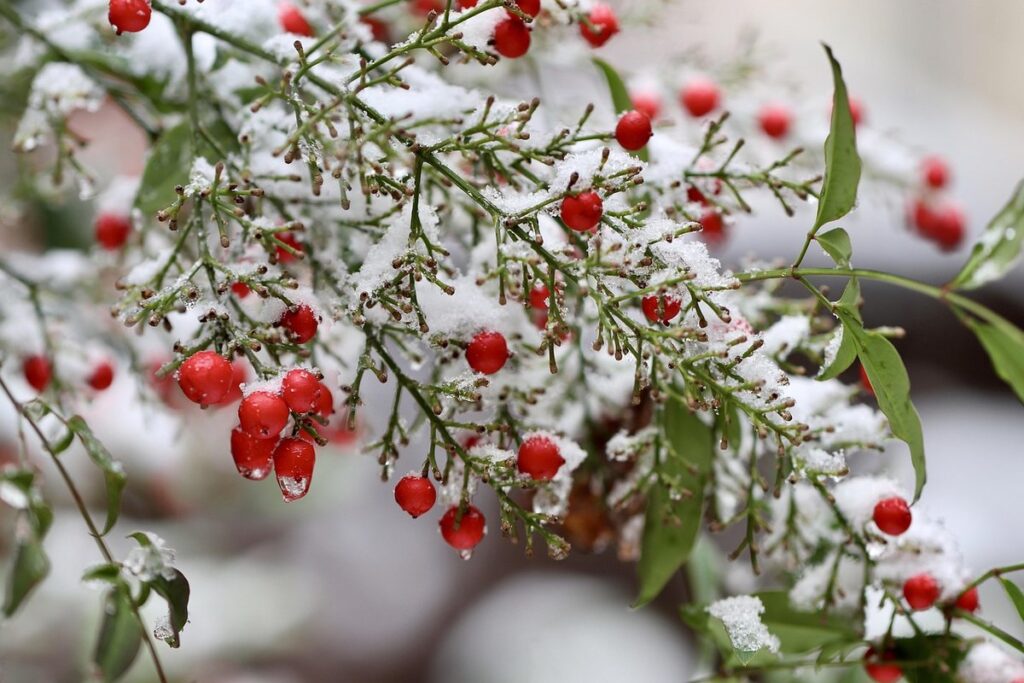
Common Toxic Plants Found in Gardens and Backyards
As you tend to your garden, it’s easy to overlook some poisonous plants that can be lurking among the flowers and greenery. We’ll take a closer look at the most common toxic plants found in gardens and backyards.
Identification of Commonly Confused Plants
When it comes to keeping chickens in your backyard, it’s essential to be aware of the plants that resemble edible ones but are actually toxic to them. These plants can be especially sneaky, making it crucial for you to know what to look out for.
Take foxglove (Digitalis purpurea) as an example. This beautiful flower is often used in floral arrangements and has large, showy blooms. However, its tubular flowers are highly toxic to chickens, causing cardiac problems if ingested. Lily of the valley (Convallaria majalis) is another plant that’s commonly mistaken for a harmless edible. Its white flowers have a sweet fragrance and can be irresistible to your flock, but they contain convallatoxin, which can cause tremors, seizures, and even death.
Another plant to watch out for is the castor bean (Ricinus communis). While its seeds are highly toxic, even in small amounts, chickens may mistake the leaves or stems for edible greens. It’s essential to educate yourself on these common impostors so you can protect your flock from potential harm.
The Importance of Plant Identification for Chicken Owners
As a chicken owner, you know that providing a safe and healthy environment for your feathered friends is crucial. However, did you know that many common plants found in gardens and backyards can be toxic to chickens? That’s right – even the most innocent-looking flowers and shrubs can pose a threat to your flock’s well-being.
This is where plant identification comes into play. Being aware of the plants growing in your yard or garden is essential for preventing poisoning. Take, for example, the oleander plant (Nerium oleander), which is commonly found in Mediterranean gardens but is highly toxic to chickens. If you have an oleander plant nearby and don’t take steps to protect your flock, it could be a recipe for disaster.
To ensure your chickens stay safe, make it a point to familiarize yourself with the plants growing in your yard or garden. Start by researching common poisonous plants found in your region. Next, inspect your property regularly to identify any potential threats. If you’re unsure about a particular plant’s toxicity, err on the side of caution and keep your chickens away from it.
Plants That Are Toxic to Chickens but Can Be Found Indoors
You might be surprised to learn that many common houseplants can be toxic to your feathered friends, even if they’re safely tucked away indoors. Let’s explore some of these sneaky culprits that could be lurking in your home.
Common Houseplants Toxic to Chickens
When it comes to common houseplants that are toxic to chickens, it’s essential to be aware of what’s lurking in your indoor spaces. Many popular plants can be found indoors, but they’re hazardous to your feathered friends.
The snake plant (Sansevieria Trifasciata) is one such example. Its beautiful leaves and low-maintenance nature make it a favorite among indoor plant enthusiasts. However, the plant contains toxic compounds called calcium oxalate crystals that can cause oral and gastrointestinal irritation in chickens if ingested. If you’re an avid snake plant collector, consider placing it out of reach or repotting it outside to avoid any potential harm.
Similarly, peace lilies (Spathiphyllum wallisii) are known to be toxic to chickens due to their insoluble calcium oxalate crystals. These plants can cause oral and gastrointestinal irritation, as well as kidney damage if ingested in large amounts. To avoid any risks, remove peace lily flowers and leaves before disposing of them to prevent your chickens from accessing the toxic parts.
Another household plant that’s toxic to chickens is aloe vera (Aloe barbadensis). While it may seem like a harmless succulent, its gel-like substance contains anthraquinones, which can cause gastrointestinal irritation, diarrhea, and even kidney damage in chickens. If you have an aloe vera plant indoors, be sure to keep it out of your chicken’s reach or remove the toxic gel before disposing of any trimmings.
Hidden Dangers: Plants in Potted Soil or Compost
When using potted soil or compost in gardens, it’s essential to be aware of the potential for poisonous plants to grow. These plants can be introduced through contaminated potting mixes or by planting seeds from infested soil. For example, the seeds of certain nightshade species, like eggplant and tomato, can harbor the root maggots that cause damage to chicken-friendly crops.
Contaminated compost can also spread toxic plant material throughout your garden. This can occur if you use store-bought potting mixes or bring home infested plant material from friends or gardening events. To mitigate this risk, always inspect new soil and compost thoroughly for signs of pests or disease.
Here are some practical steps to take:
* Inspect all potting mixes and composts carefully before using them in your garden.
* Avoid reusing contaminated potting mixes or compost.
* Wash seeds thoroughly before planting to remove any potential root maggots.
* Keep a clean workspace when handling potted plants, and avoid cross-contaminating healthy soil with infested materials.
Natural and Synthetic Fertilizers That Can Harm Chickens
When it comes to keeping your chicken coop safe, fertilizers can be a common culprit. Let’s explore some natural and synthetic options that are toxic to chickens.
Understanding the Risks of Composted Manure
Composted manure may seem like an eco-friendly option for fertilizing your chicken coop, but it’s not entirely harmless. The composting process can break down some toxic compounds, but others persist and can be problematic for your flock. For instance, pathogens such as E. coli and Salmonella are often present in raw manure, which can survive the composting process if conditions aren’t favorable.
Even if the composted manure appears to meet regulations, it may still contain levels of toxins that can harm chickens. A study found that composted poultry manure can contain residues of antimicrobials, heavy metals like lead and mercury, and other pollutants. These contaminants can accumulate in chicken tissues and organs over time.
To minimize risks, consider using alternative fertilizers or taking steps to reduce exposure. If you do choose to use composted manure, ensure it’s been adequately pasteurized through heat treatment or solarization. Also, monitor your flock closely for signs of illness after introducing new fertilizer sources. Regular testing of the compost and coop environment can help identify potential problems before they become serious issues.
Organic vs. Synthetic Fertilizers: Safety Considerations
When it comes to fertilizing your garden while keeping your chickens safe, you’re faced with a decision: organic or synthetic fertilizers. While both types have their benefits and drawbacks, safety considerations around chicken coops should take priority.
Synthetic fertilizers contain harsh chemicals like ammonium nitrate, potassium chloride, and urea, which can be toxic to chickens if ingested. For example, excessive nitrogen in synthetic fertilizers can lead to kidney damage or even death in your flock. On the other hand, organic fertilizers, such as manure tea or compost, are generally safer for use around chicken coops.
However, not all organic fertilizers are created equal. Some may contain heavy metals like copper or zinc, which can still be hazardous to your chickens. Always choose an organic fertilizer that’s specifically labeled as “chicken-safe” and follow the manufacturer’s instructions carefully. It’s also essential to ensure the fertilizer is applied at least 3-4 feet away from your chicken coop to prevent any potential risks.
When in doubt, consider making your own fertilizer using natural ingredients like worm castings or banana peels. This way, you can control what goes into your fertilizer and keep it safe for both your garden and your flock.
Prevention Strategies to Keep Your Chickens Safe
To keep your feathered friends safe, it’s essential to identify and avoid the poisonous plants that can thrive in your chicken coop. Learn how to recognize these toxic plants today!
Secure Your Garden: Creating Barriers Around Plants
When it comes to preventing your chickens from accessing toxic plants, creating barriers around plants is an effective strategy. This involves physically separating your birds from potential threats, thereby reducing the risk of poisoning. To create a barrier, start by identifying areas where poisonous plants are most likely to grow, such as near feeders or water sources.
Use physical barriers like fencing or chicken wire to surround these areas. You can also employ plant covers made from breathable materials that allow for airflow and sunlight penetration while keeping birds out. When choosing materials, consider durability and maintenance requirements to ensure the barrier remains effective over time. For example, you might use durable plastic or metal mesh around sensitive plants.
In addition to creating barriers, remember to regularly inspect your garden for any new plant growth that may pose a threat. This way, you can take swift action if needed. Consider also educating yourself on which common weeds and plants are toxic to chickens, so you can avoid them altogether.
Educating Children About Plant Safety
When it comes to keeping your chickens safe from poisonous plants, educating children about plant safety is just as crucial as securing your coop. Children are naturally curious and often love exploring the outdoors, which means they may accidentally ingest a toxic plant or disturb one near the coop.
It’s essential to teach kids what to look out for when it comes to poisonous plants. Show them pictures of common culprits like hemlock, foxglove, and oleander, and explain why these plants are particularly hazardous to chickens. Make sure they understand that even if a plant looks or smells harmless, it can still be toxic.
If you suspect a chicken has ingested a poisonous plant, act quickly! Keep an eye out for symptoms like drooling, vomiting, or lethargy, and consult with a veterinarian immediately. In the meantime, try to identify the plant and remove any remaining foliage from the coop. Remind your kids that it’s always better to err on the side of caution when it comes to poisonous plants, and if in doubt, they should tell an adult right away.
Symptoms, Treatment, and Prevention for Poisoning
If your chicken accidentally ingests a poisonous plant, it’s essential to know the signs of poisoning and how to treat them promptly. We’ll cover common symptoms and provide guidance on prevention in this section.
Recognizing Signs of Plant Poisoning in Chickens
If you suspect that your chickens have ingested a toxic plant, it’s essential to recognize the common signs of plant poisoning. Chickens poisoned by plants may exhibit varying symptoms depending on the specific plant and its concentration. However, some universal signs include lethargy or depression, loss of appetite, vomiting, diarrhea, and drooping wings.
Keep in mind that mild cases of plant poisoning might not show these severe symptoms right away. In some instances, you might notice changes in your chicken’s behavior, such as hiding or avoiding food and water. Other warning signs include labored breathing, pale combs, and unusual vocalizations like squawking or clucking.
If left untreated, plant poisoning can quickly escalate to more critical health issues. Monitor your flock closely, especially after introducing new plants into their living space. Regularly inspect the coop for any poisonous plants and remove them immediately if found. If you suspect poisoning, isolate the affected chicken and contact a veterinarian or poultry expert for advice on treatment and next steps.
Immediate Care and First Aid When Suspecting Poisoning
When you suspect your chicken has ingested something toxic, every minute counts. The first thing to do is remain calm and act quickly. If you’re not sure what plant or substance caused the poisoning, don’t try to identify it yourself – call a vet or a poison control hotline for guidance.
If your chicken is showing symptoms of poisoning such as vomiting, diarrhea, lethargy, or labored breathing, provide immediate care by keeping them calm and hydrated. Give them small amounts of water every few minutes until the vet arrives. Do not induce vomiting unless advised to do so by a veterinarian.
Keep an eye on the amount of time that’s passed since ingestion – if it’s within 2 hours, there’s a higher chance of effective treatment. If you suspect your chicken has ingested something toxic, get them to the nearest vet as soon as possible. If in doubt about what plant is poisonous or how to treat poisoning, it’s always best to err on the side of caution and seek professional help.
Preventing Future Incidents: Regular Coop Cleaning and Monitoring
Regular coop cleaning and monitoring are crucial steps in preventing future incidents of poisoning in your chicken flock. It’s essential to establish a routine for regularly inspecting the coop and run areas for signs of poisonous plants, as well as removing any weeds or debris that may have accumulated.
Create a schedule for daily inspections, checking for any new growth or changes in plant species. Take note of any plants you identify as potentially hazardous and remove them immediately. Consider implementing a rotation system for your flock’s access to the run areas, allowing each section to be cleaned and cleared of potential hazards before reintroducing the chickens.
Keep a record of the plants found and their locations within the coop or run, as this information will come in handy when planning future cleaning and maintenance efforts. Moreover, educate yourself and any other caregivers about the common poisonous plants that can harm your flock, so everyone is aware of what to look for during inspections.
Conclusion: Prioritizing Chicken Safety Around Plants
Now that you know which plants to avoid, let’s discuss how to create a safe and healthy environment for your flock by prioritizing chicken safety around these toxic plants.
Recap of Key Points for Safe Plant Management
As we conclude our discussion on poisonous plants that could harm your backyard chickens, it’s essential to recap the key points that will help you maintain a safe environment for your feathered friends. Let’s summarize the main takeaways from this article:
When introducing new plants into your chicken coop or surrounding area, remember to research their toxicity level. Some plants, like castor bean and oleander, are highly toxic and can cause respiratory failure in chickens. Others, like rhododendron and azalea, contain toxins that can cause vomiting and diarrhea.
Make sure to keep a safe distance between your chicken coop and any poisonous plant species. A 10-foot radius is generally considered a good rule of thumb to avoid accidental ingestion. Also, ensure that your chickens have access to plenty of fresh water and nutritious food to help prevent them from searching for alternative sources in the surrounding area.
In addition to maintaining a safe physical environment, educate yourself on the signs of poisoning in chickens. Look out for symptoms like lethargy, lack of appetite, and changes in droppings or egg production. If you suspect your chicken has ingested something toxic, seek veterinary attention immediately.
To minimize the risk of accidental ingestion, keep a list of poisonous plants in your area and take steps to remove them from your property. Consider consulting with a local gardening expert or veterinarian for advice on safe plant selection. By taking these precautions, you can create a safe and healthy environment for your chickens to thrive.
Remember that it’s always better to err on the side of caution when it comes to your chicken’s safety. Regularly inspect your surroundings, and stay informed about any new plants that may be introduced into your area.
Frequently Asked Questions
What are some practical steps I can take to prevent accidental poisoning in my backyard garden?
After reading the article, it’s essential to implement the prevention strategies discussed. Secure your garden by creating barriers around plants that are toxic to chickens. Regularly inspect your yard and remove any potentially hazardous plants or debris. Educate children about plant safety and ensure they understand which areas are off-limits to your flock.
How do I know if my chicken has ingested a toxic plant?
If you suspect poisoning, it’s crucial to act quickly. Monitor your chickens’ behavior and watch for signs of illness, such as vomiting, diarrhea, or lethargy. If you notice any unusual symptoms, consult with a veterinarian immediately. Keep in mind that some toxic plants can cause delayed reactions, so continue monitoring your flock even after the initial poisoning incident.
Can I still use organic fertilizers if they’re made from composted manure?
Yes, but be cautious of potential risks associated with using composted manure as fertilizer. Some studies suggest that certain bacteria present in composted manure can cause health issues in chickens. Opt for high-quality, pathogen-free compost or consider alternative, chicken-safe fertilizers to avoid any potential harm.
How do I manage the risk of poisonous plants in potted soil or compost?
When using potted plants indoors, make sure to inspect the potting mix and remove any potentially hazardous materials. Compost can also harbor toxic substances; ensure it’s fully broken down and safe for your flock before incorporating it into their living space.
What are some additional steps I can take to keep my backyard safe for both humans and chickens?
In addition to removing poisonous plants, consider implementing secure coop designs that prevent escape or predators from entering. Regularly inspect your yard for any hazards, such as toxic substances or chemicals, and address them promptly.