
Are you looking to add some excitement to your backyard with a new flock? Or perhaps you’re searching for a breed that will provide you with the unique, dark-colored eggs you’ve always wanted? Look no further than the Marans chicken! Hailing from France, this popular breed has been a favorite among chicken enthusiasts for its stunning dark eggs and friendly, docile nature. With their striking appearance and charming personality, it’s easy to see why many farmers and backyard growers are falling in love with Marans chickens.
In this article, we’ll delve into the origins of Marans chickens, explore their characteristics, and provide you with essential care requirements for keeping these lovable birds happy and healthy. Whether you’re a seasoned chicken keeper or just starting out, our guide will give you everything you need to know about raising Marans chickens and enjoying the benefits they have to offer.
The Origins and History of Marans Chickens
The fascinating story of Marans chickens begins over a century ago, in the rural areas of France, where they were bred for their rich dark eggs. In this section, we’ll delve into their intriguing history.
Early Beginnings: Where Did Marars Come From?
The origins of Marans chickens date back to the 17th century when they were first bred in the Marans region of France. This breed was developed from the Langshan and Malay breeds, which were brought to Europe by French explorers. The early Marans were prized for their rich, dark eggs and their hardiness in harsh weather conditions.
As a result of their unique characteristics, Marans chickens quickly gained popularity among farmers and backyard enthusiasts alike. They were used extensively in egg production and were also valued for their meat, which was described as tender and flavorful. Over time, the breed continued to evolve, with selective breeding emphasizing desirable traits such as egg size, feather quality, and temperament.
By the mid-20th century, Marans chickens had become a staple in French poultry farming, with many breeders working to preserve the breed’s integrity. Today, Marans chickens are enjoyed by chicken keepers around the world for their rich eggs, attractive plumage, and friendly nature.
Breed Development: How Marans Became a Popular Choice
The development of Marans chickens is an intriguing story that spans centuries. Originating from France, specifically the town of Marans in the Poitou region, these birds were bred for their unique characteristics and exceptional egg-laying abilities. To create this popular breed, farmers and breeders selectively crossed various strains of ducks and chickens to produce a bird with rich, dark eggs and impressive size.
By the 19th century, Marans had become a staple in French poultry farms, prized for their plumage and ability to thrive in harsh weather conditions. As international trade expanded, the breed began to gain popularity worldwide among backyard chicken keepers. Breeders in other countries like England and the United States started importing Marans to further refine their characteristics.
To cultivate these exceptional birds, you’ll want to start with high-quality stock from reputable breeders. Research local breed clubs or attend poultry shows to find Marans enthusiasts who can provide you with expert advice on breeding and raising this remarkable bird. With patience and dedication, you too can successfully raise Marans chickens that bring forth those coveted dark eggs and become cherished additions to your flock.
Physical Characteristics and Appearance
Marans chickens are a stunning breed, known for their striking appearance and distinct physical characteristics that set them apart from other poultry. Let’s take a closer look at what makes these birds so beautiful.
Recognizing Marans Chickens: Key Physical Traits
Marans chickens are easily recognizable due to their unique physical characteristics. When it comes to size, Marans are considered a medium-sized breed, weighing between 8 and 12 pounds (3.6 to 5.4 kg). They have a sturdy build with a broad chest and well-sprung ribs.
One of the most distinctive features of Marars is their dark, glossy feathers. They come in a range of colors including black, blue, wheat, and splashed or barred varieties. The feathers are long and flowing, making them look rather majestic. Their beak shape is also notable – it’s relatively small and rounded at the tip.
Marans chickens have a moderate-length neck, but what sets them apart from other breeds is their eyes. They often have dark red to copper-colored irises that add to their mysterious appearance. Overall, Marans have an air of elegance and sophistication about them, making them a popular choice among backyard chicken enthusiasts. If you’re considering raising Marans chickens, be prepared for their distinctive look – they’re sure to turn heads in your flock!
Colors and Patterns: Understanding Marans’ Unique Looks
Marans chickens are renowned for their unique and striking appearance, which is one of the key reasons why many backyard chicken keepers fall in love with them. When it comes to colors and patterns, Marans exhibit a remarkable range of hues and combinations that set them apart from other breeds.
One of the most distinctive features of Marans is their deep, dark plumage, which can vary in shade from a rich chocolate brown to a velvety blue-black. You’ll also notice that many Marans have a subtle sheen to their feathers, giving them an almost iridescent appearance in certain lighting conditions.
In addition to their stunning plumage, some Marans are also known for laying blue eggs, which is a relatively rare trait among chicken breeds. This unique characteristic has made the breed particularly popular among chicken enthusiasts who want to add a touch of whimsy and individuality to their flock.
It’s worth noting that the blue egg trait is not exclusive to Marans, but it’s certainly more common in this breed than many others. However, if you’re interested in breeding Marans or selecting for this trait, be prepared for some trial and error – it can take several generations for the blue egg gene to become apparent.
In terms of pattern variety, Marans can exhibit a range of markings, from subtle speckling to bold, swirling patterns. Some breeders specialize in developing specific color varieties, such as the popular “Barnevelder” style, which features a distinctive white blaze on the face and neck.
Whether you’re looking for a show-stopping rooster or a beautiful laying hen, Marans are sure to impress with their striking colors and patterns. With their unique appearance and friendly demeanor, it’s no wonder why these birds have become so beloved by chicken enthusiasts around the world.
Temperament and Personality
When it comes to Marans temperament, you’ll likely find them to be friendly, docile, and curious birds that make great additions to any backyard flock. Their personality is just one of their many lovable qualities.
Friendliness and Docility: What Makes Marars Great Pets?
Marans chickens are renowned for their exceptionally friendly and docile nature, making them an excellent choice as pets for families or beginners. One of the key reasons why Marans excel as pets is that they are extremely social birds, thriving on interaction with humans. They will often follow you around the yard, eager to explore and play, which makes them a delight to have around.
Their friendly temperament also extends to other animals in your household, such as dogs, cats, and even other chickens. Marans are known to coexist harmoniously with their feathered and furry friends, creating a peaceful atmosphere on your farm or backyard.
If you’re considering bringing home a Marans chicken as a pet, remember that they do require regular interaction and attention. Spend time with them daily, letting them roam free in a secure area or providing them with activities to keep them engaged. With proper care and attention, your Marans chicken will reward you with affection, entertainment, and many years of companionship.
Hardiness and Adaptability: Can Marans Thrive in Your Backyard?
Marans chickens are renowned for their incredible hardiness and adaptability. They can thrive in a variety of climates and environments, making them an excellent choice for backyard chicken keepers with limited space or experience.
One of the most impressive aspects of Marans is their ability to tolerate extreme temperatures. They can withstand scorching heatwaves during the summer months, as well as freezing cold winters, without flinching. This hardiness is due in part to their robust constitutions and thick, insulating feathers.
In terms of adaptability, Marans are surprisingly resilient when it comes to handling different environments. Whether you live in a rural area with plenty of space or an urban apartment with limited square footage, these chickens can adjust seamlessly. They’re equally at home in confined spaces like coops and runs as they are roaming free-range.
To maximize your Marans’ hardiness and adaptability, make sure to provide them with adequate shelter from the elements and a balanced diet that includes fresh fruits, vegetables, and grains. Regular health checks and vaccinations will also help keep your flock strong and resilient against diseases and parasites.
Egg-Laying Ability and Characteristics
Marans chickens are renowned for their impressive egg-laying abilities, but what sets them apart from other breeds? Let’s take a closer look at their unique characteristics.
The Egg-Ceptional Marans: Blue Eggs and More
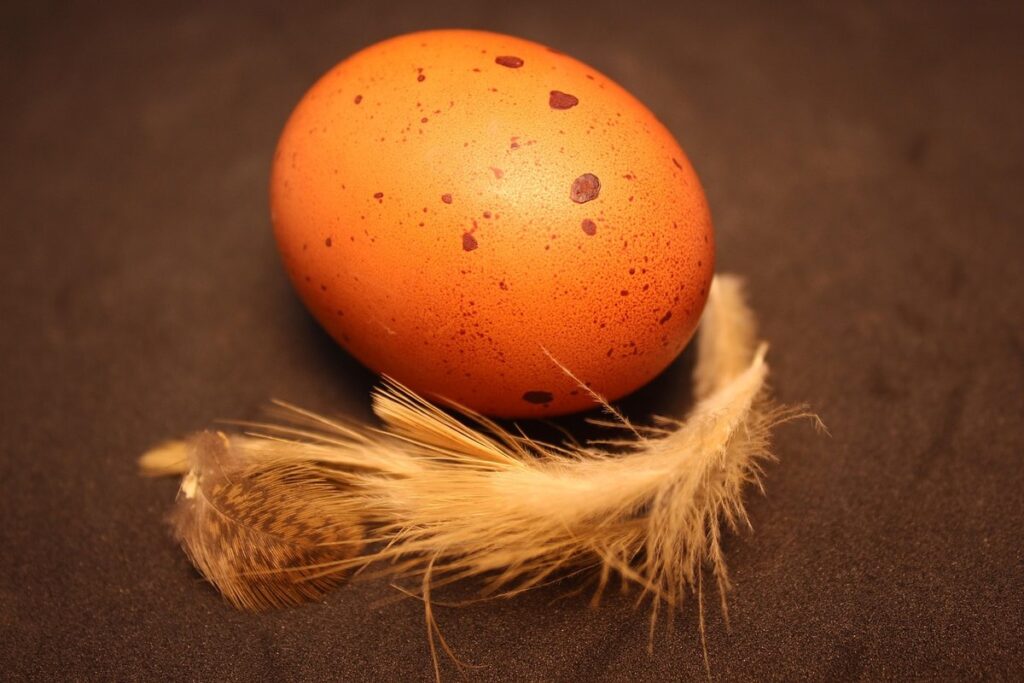
When it comes to egg-laying, Marans chickens are truly one-of-a-kind. One of their most distinctive characteristics is laying eggs with a beautiful blue-green sheen, often referred to as “dark chocolate” or “coffee-colored.” This unique trait is due to the presence of porphyrins, a pigment that’s responsible for the eggshell’s coloration.
But what makes Marans eggs truly exceptional? For one, they’re relatively large in size, with an average weight of 50-60 grams. What’s more, these birds are prolific layers, producing around 150-200 dark-colored eggs per year. This means that if you have a flock of three or four Marans hens, you can expect to collect around 600-800 eggs annually.
To encourage your Marans chickens to lay their best blue eggs, make sure they’re getting enough calcium and protein in their diet. Provide them with high-quality layer feed, supplemented with oyster shells or crushed eggshells for an extra calcium boost. With proper care and nutrition, you’ll be enjoying these stunning blue-green eggs in no time!
Average Production: How Many Eggs Can You Expect from Your Marans?
When it comes to egg-laying ability, Marans chickens are known for their moderate production. On average, a healthy Marans hen will lay around 150-160 brown eggs per year. However, this can vary depending on several factors such as nutrition, health, and breed quality.
Proper nutrition is essential for optimal egg production in Marans chickens. A balanced diet rich in protein, calcium, and other essential nutrients will help support their reproductive system. Additionally, access to fresh water and a clean living environment will also play a significant role in maintaining their overall health and egg-laying capacity.
It’s also worth noting that Marans hens tend to be more productive during their first two years of laying, with production gradually declining as they age. To maximize your flock’s potential, make sure to introduce them to a balanced diet at an early age and provide regular check-ups from a veterinarian.
With proper care and attention, you can expect your Marans hen to produce around 5-6 eggs per week.
Health Considerations and Care
When it comes to raising Marans chickens, their health is a top priority. Understanding potential health issues and providing proper care will help you keep your flock happy and thriving.
Common Health Issues in Marars: What to Watch Out for
Marans chickens are known for their stunning dark eggs and majestic appearance, but like all breeds, they can be prone to certain health issues. As a responsible Marans owner, it’s essential to be aware of these common problems so you can take preventative measures and provide the best possible care for your flock.
One of the most significant concerns in Marans chickens is parasite infestations. These pesky critters can cause anemia, weight loss, and even death if left unchecked. To prevent this, make sure to regularly inspect your birds’ droppings, keep their coop clean, and provide a balanced diet that includes plenty of protein.
Respiratory problems are another common issue in Marans chickens, particularly during the winter months when cold air can exacerbate existing conditions. Keep an eye out for labored breathing, wheezing, or coughing, and ensure your birds have access to fresh air and plenty of ventilation in their coop.
By being vigilant about these potential health issues and taking proactive steps to prevent them, you can help keep your Marans flock healthy and thriving. Regular vaccinations, a balanced diet, and proper coop maintenance are all crucial for maintaining optimal health in these magnificent birds.
Keeping Your Marars Healthy: Nutrition, Grooming, and More
When it comes to keeping your Marans chickens healthy and thriving, nutrition, grooming, and proper care are essential. A well-balanced diet is crucial for maintaining their overall health, so ensure you provide a mix of grains, proteins, and vegetables. For example, layer feed should be supplemented with fresh fruits and leafy greens like kale or spinach to provide vital nutrients.
Grooming is also an important aspect of caring for your Marans chickens. Their dark feathers can be prone to oiliness, which can cause matting and tangling. Regularly brushing their feathers will help keep them clean and prevent matted areas from forming. Additionally, trim any long or overgrown nails to prevent breakage.
Other key considerations include providing a dust bath area for your Marans chickens to help maintain the condition of their skin and feathers. You should also ensure they have access to fresh water at all times to stay hydrated. Regular health checks are vital to detecting any potential issues early on, so set aside time each week to inspect your flock’s overall health.
Breeding and Raising Marans Chickens
If you’re planning to raise Marans chickens, learning how to breed and raise them is crucial for a successful flock. This section will walk you through the process of successfully breeding and raising these beautiful birds.
Choosing the Right Breeder or Supplier
When purchasing Marans chickens, it’s crucial to choose a reputable breeder or supplier. The quality and health of your birds are at stake, and a responsible breeder will ensure that you receive healthy, well-socialized chickens.
Look for breeders who prioritize the welfare of their birds and provide detailed information about the flock’s ancestry, breeding history, and health clearances. A good breeder should also be willing to answer questions and provide guidance on caring for your Marans chickens.
Red flags include breeders who seem secretive or unwilling to share information, or those who prioritize profit over animal welfare. Be wary of online sellers who claim to offer “rare” or “high-quality” birds at suspiciously low prices – these may be scams or unscrupulous operations.
To ensure a positive experience, research potential breeders thoroughly and ask plenty of questions. Look for recommendations from other Marans owners or check with local poultry associations for reputable breeders in your area. With the right breeder on your side, you’ll be well on your way to raising happy, healthy Marans chickens.
Raising Baby Chicks: Tips for Successful Hatching and Rearing
Raising Baby Chicks: Tips for Successful Hatching and Rearing
When you finally hold those adorable baby Marans chicks in your hands, the excitement is palpable. However, it’s essential to remember that these tiny bundles of joy require careful attention and proper care to ensure a healthy start. Here are some valuable tips to help you successfully hatch and rear your Marans chicks.
First and foremost, nutrition plays a critical role in the growth and development of baby chicks. Ensure they have access to high-quality starter feed specifically formulated for young chickens. Provide fresh water at all times, and change it frequently to prevent bacterial growth. A balanced diet rich in protein, calcium, and vitamins is vital for their growth.
Perform regular health checks by inspecting your chicks daily for signs of illness or injury. Monitor their stool quality, appetite, and overall behavior. Isolate any ailing chick immediately to prevent the spread of disease.
A warm, draft-free brooder with adequate ventilation is crucial for a healthy environment. Maintain a temperature range of 90-100°F (32-38°C) during the first few weeks, gradually reducing it as they grow.
By following these guidelines and providing attentive care, you’ll be well on your way to raising robust and thriving baby Marans chicks that will become proud members of your flock.
Frequently Asked Questions
What’s the ideal living space for Marans chickens?
To ensure your Marans chickens thrive, provide a spacious coop with at least 2-3 square feet per bird. Consider adding a fenced run to give them exercise and fresh air. Make sure the enclosure is predator-proofed and well-ventilated to keep them safe and healthy.
Can I raise Marans chickens in colder climates?
Yes, Marans chickens are hardy birds that can adapt to various temperatures. However, if you live in an area with extremely cold winters, ensure their coop is insulated and protected from wind. Provide extra care during harsh weather conditions by adding a warm layer of bedding and keeping the feeding and watering areas accessible.
How long do Marans chickens take to mature?
Marans chickens typically take around 18-20 weeks to reach full maturity. During this time, they’ll start laying eggs at around 24-26 weeks old. Be patient and provide them with a balanced diet and adequate care for optimal growth and development.
Can I raise Marans chickens alongside other breeds?
Yes, Marans chickens are generally friendly and docile, making them an excellent addition to mixed flocks. However, ensure you introduce them slowly to prevent stress and establish a pecking order. Monitor their behavior closely, especially during the early stages of integration.
How often should I collect eggs from my Marans hens?
Egg collection depends on individual bird production rates. As a general rule, check for eggs daily or every other day, especially in the first few weeks after introducing new birds to your flock. This will help you track their laying habits and adjust your egg collection schedule accordingly.