
As a responsible goose owner, you want to ensure your feathered friends are happy and healthy. One crucial aspect of their well-being is access to clean drinking water. But did you know that geese have specific water requirements? Factors like water quality, quantity, and environmental conditions can significantly impact their health. If you’re not providing the right amount or type of water for your geese, they may suffer from dehydration, digestive issues, or even behavioral problems. In this comprehensive guide, we’ll walk you through everything you need to know about meeting your geese’s water needs, covering topics like recommended daily intake, safe water sources, and how to assess the quality of their drinking water.
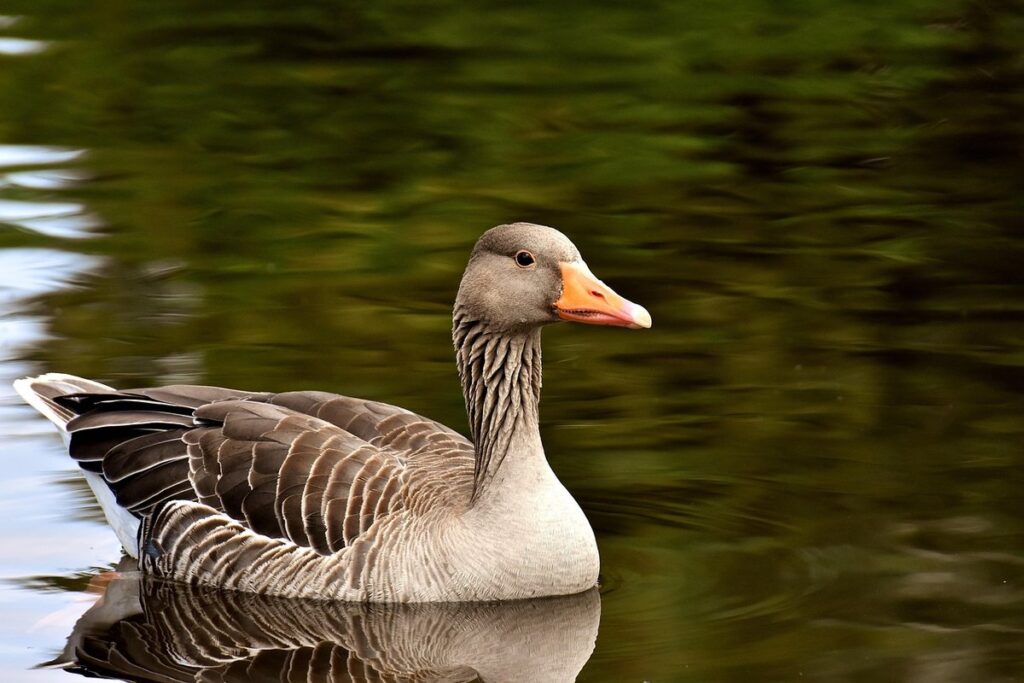
Understanding Goose Hydration Needs
When it comes to keeping your geese hydrated, understanding their specific water requirements is crucial for their health and well-being. Let’s dive into the specifics of goose hydration needs.
Factors Influencing Water Intake in Geese
When it comes to water intake in geese, several factors come into play. Climate is one of the most significant influencers, as geese living in hot and humid environments require more water to stay cool and hydrated. In contrast, those living in cold climates may need less water due to reduced evaporation rates.
Age also plays a crucial role in determining a goose’s water intake needs. Young goslings require more frequent access to water for proper growth and development, while older geese may be able to get by with less. Sex is another factor, as female geese tend to drink more than males due to their higher metabolic rate.
Breed can also impact a goose’s water requirements, with some breeds being more prone to dehydration than others. For example, Chinese Geese are known for their high water intake needs due to their large size and fast growth rates. Understanding these factors is essential in providing your geese with adequate hydration levels, which can help prevent health issues such as kidney stones and respiratory problems.
In a typical day, a healthy goose will drink around 1-2 liters of water per kilogram of body weight. To ensure your geese are getting enough water, make sure to provide them with access to clean, fresh water at all times.
Importance of Adequate Hydration for Geese
Maintaining proper hydration is crucial for geese to function optimally. Water makes up approximately 70% of a goose’s body weight, and it plays a vital role in regulating bodily functions, such as digestion, circulation, and respiration. When geese don’t have access to adequate water, their bodies can become compromised, leading to fatigue, decreased productivity, and reduced egg production.
In addition to supporting physical health, hydration also helps regulate body temperature. Geese, like many other birds, are sensitive to heat stress, which can be a significant threat during hot summer months. Adequate water intake allows geese to efficiently cool themselves through evaporation, preventing overheating and associated complications.
Maintaining a healthy immune system is another key function that hydration supports in geese. Water helps transport nutrients and antibodies throughout the body, facilitating proper immune response and reducing susceptibility to diseases.
Water Quality Requirements
When it comes to keeping your geese healthy, their water quality requirements are crucial. In this next part of our guide, we’ll dive into what’s acceptable and unacceptable for their aquatic environments.
Safe Drinking Water Standards for Geese
When it comes to providing safe drinking water for geese, understanding and meeting specific standards is crucial. The pH level of the water should be between 6.5 and 8.5, as levels outside this range can cause adverse effects on their digestive system. Turbidity, or cloudiness, should also be controlled to prevent bacterial growth and ensure visibility.
Bacterial contamination is a significant concern in goose water quality. Geese are susceptible to avian cholera, E. coli, and other diseases caused by poor water conditions. Regular monitoring of water samples can help identify potential issues before they become severe.
To maintain safe drinking water for geese, it’s essential to follow local regulations and guidelines. Implementing measures like regular cleaning and disinfection of the pond or water source, maintaining adequate aeration, and controlling nutrient levels can help prevent bacterial growth and contamination.
For instance, the US EPA recommends maintaining a turbidity level below 10 NTU (nephelometric turbidity units) to minimize bacterial risks. By keeping these parameters in check, you can ensure that your geese have access to clean drinking water at all times.
Best Practices for Maintaining Clean Water Sources
Regular cleaning and maintenance of water sources is crucial to ensure geese have access to safe drinking water. This includes regularly inspecting the source for signs of contamination, such as algae blooms, debris, or animal waste. It’s also essential to establish a schedule for cleaning and disinfecting the water source, ideally every 1-2 weeks.
Monitor water quality by testing for pH levels, bacteria, and other contaminants. You can purchase DIY test kits or hire a professional to conduct regular water quality assessments. Additionally, consider installing a filter system or ultraviolet (UV) treatment to remove impurities and prevent bacterial growth.
Another important aspect is to provide geese with multiple water sources, each serving a specific purpose. For example, one source for drinking and another for washing their beaks and feet. This helps maintain cleanliness and prevents the spread of diseases.
Goose Drinking Habits
When it comes to quenching their thirst, geese have some fascinating habits that are worth exploring. Let’s take a closer look at how they drink water in various situations.
Natural Drinking Behavior in Geese
When it comes to their natural drinking behavior, geese tend to favor shallow waters with gentle currents. In the wild, they can often be seen wading into ponds, lakes, and slow-moving streams to access water. This preference for shallow waters is likely due to their unique anatomy, which includes webbed feet and a streamlined body designed for swimming rather than diving.
In fact, studies have shown that geese are more likely to drink from waters with a depth of less than 12 inches (30 cm). When artificial sources are available, such as birdbaths or shallow dishes, geese will often adapt their drinking behavior to use these instead. This is particularly evident in urban areas where natural water sources may be scarce.
If you’re providing water for your geese, keep this preference in mind and offer a shallow dish or birdbath with fresh water at all times. Change the water frequently to ensure it remains clean and free of bacteria, which can be especially important during hot weather when geese are more susceptible to dehydration. By mimicking their natural behavior, you can help keep your geese healthy and hydrated.
Factors Affecting Water Intake in Different Environments
When it comes to meeting a goose’s water requirements, its drinking habits can be significantly influenced by its environment. Urban areas, for instance, often present unique challenges due to the availability and quality of water sources.
In cities, geese may have limited access to natural bodies of water, forcing them to rely on municipal supplies or smaller ponds and fountains that might not provide enough space for adequate drinking and swimming. This can lead to competition among geese for limited resources, potentially causing stress and altering their drinking patterns.
Conversely, rural landscapes often offer an abundance of water sources, but the quality and safety of these may vary greatly depending on factors such as agricultural runoff and natural contamination. In such areas, it’s crucial for goose owners or caretakers to ensure that available water sources are clean and free from pollutants to safeguard their health.
In environments with extreme temperatures or weather conditions, geese may also exhibit changes in drinking behavior. For example, they might consume more water during hot summer months or huddle together around a small water source during harsh winters.
Nutritional Requirements for Geese
When it comes to ensuring your geese stay healthy, you’ll also need to understand their nutritional requirements. Let’s explore what vitamins and minerals they need daily.
Importance of Minerals and Electrolytes in Goose Nutrition
Geese, like all birds, require essential minerals and electrolytes to maintain proper hydration and overall health. These nutrients play a crucial role in regulating various bodily functions, including nerve function, muscle contraction, and pH balance.
Sodium, for instance, is an essential mineral that helps regulate the balance of fluids within the body. It’s particularly important for geese as it enables them to manage water loss through urination and excretion. A deficiency in sodium can lead to dehydration and electrolyte imbalance, which can cause a range of health problems.
Potassium is another vital electrolyte that geese need to stay healthy. It helps regulate heart function and maintain proper muscle contraction, which is essential for activities such as flying and foraging. Chloride is also an important mineral that works alongside sodium to maintain fluid balance within the body.
A well-balanced diet that includes a mix of minerals and electrolytes can help ensure your geese stay hydrated and healthy. For example, providing a layer feed specifically formulated for waterfowl or supplementing with a high-quality electrolyte-rich additive can make all the difference in maintaining optimal health.
Balancing Water Intake with Nutritional Needs
When it comes to geese, balancing water intake with nutritional needs is crucial for their overall health. Geese need a balanced diet that provides all the necessary nutrients, including proteins, carbohydrates, and fats, as well as essential vitamins and minerals.
However, inadequate nutrition can lead to dehydration even if the goose has access to plenty of water. This is because malnourished geese may not be able to absorb water effectively, leading to a vicious cycle where they become dehydrated despite drinking enough water.
For instance, if a goose is fed a diet that is too high in carbohydrates but low in protein and fat, it can lead to a condition called “waterlogged” gut. This means the bird’s body becomes accustomed to processing large amounts of water-soluble nutrients, making it more susceptible to dehydration when faced with a lack of nutrient-dense food.
To avoid this risk, ensure your goose has access to a balanced diet that includes a mix of grains, fruits, vegetables, and protein-rich foods. Aim for at least 50% of their diet to consist of fresh, organic produce to maximize nutritional intake.
Environmental Factors Affecting Goose Hydration
When it comes to keeping geese hydrated, certain environmental factors can play a significant role in their water intake and overall health. Let’s explore these influences together.
Effects of Temperature on Goose Water Requirements
As temperature fluctuations significantly impact goose water requirements, it’s essential to understand how different temperatures affect their hydration levels. In hot environments, geese experience increased water loss due to evaporation through panting and respiration. This can lead to dehydration if they don’t have access to sufficient water.
In extreme heat, a goose can lose up to 10% of its body weight in just one hour, primarily through evaporation from the lungs and beak. To mitigate this, it’s crucial to provide geese with adequate water sources that are readily accessible and well-maintained. Geese also exhibit behavioral adaptations such as seeking shade and reducing activity during peak heat hours.
Conversely, cold temperatures can pose a different challenge for goose hydration. In extremely cold conditions, geese may develop hypothermia if they’re unable to find sufficient drinking water or if the water becomes icy, making it difficult to access. It’s crucial to ensure that geese have access to unfrozen water sources during cold weather and that their shelter provides adequate protection from wind chill.
Other Environmental Stressors Impacting Goose Hydration
Air pollution is another environmental stressor that can impact goose hydration. When geese breathe in polluted air, they may experience respiratory problems, leading to dehydration as their bodies try to compensate for the damage caused by pollutants. For example, studies have shown that exposure to particulate matter (PM) and ozone can reduce water intake in geese.
Wind is also a significant stressor that affects goose hydration. Strong winds can dry out vegetation, reducing the availability of lush plants that geese rely on for moisture. Geese may need to travel longer distances to find food, leading to increased energy expenditure and reduced access to water sources. In addition, wind can also cause evaporation from puddles and ponds, further limiting the available water.
Humidity levels are another environmental factor that affects goose hydration. While high humidity might seem beneficial for geese, it can actually lead to overheating and dehydration if not managed properly. In arid environments, high humidity can exacerbate the effects of drought, making it even more challenging for geese to find reliable sources of water.
To mitigate these stressors, consider providing geese with access to sheltered areas or windbreaks, which can help reduce their exposure to strong winds and air pollution. Also, ensure that your geese have a reliable source of clean drinking water that is protected from evaporation and contamination.
Health Implications of Inadequate Water Intake
When it comes to goose water requirements, failing to meet their hydration needs can have serious consequences for your bird’s health and wellbeing. In this section, we’ll explore the potential health risks of inadequate water intake.
Common Health Issues Caused by Dehydration in Geese
Dehydration can lead to a range of health issues in geese, with kidney stones being one of the most common problems. Geese are prone to developing kidney stones due to their tendency to eat high amounts of calcium-rich foods, which can concentrate minerals and increase the risk of stone formation. Dehydration exacerbates this issue by reducing the amount of urine produced, allowing minerals to build up in the kidneys.
Respiratory problems can also arise from dehydration in geese. When a goose is dehydrated, its body attempts to conserve water by reducing blood flow to the skin and extremities. However, this reduction in blood flow can lead to respiratory issues as the goose’s ability to regulate its temperature and humidity levels is impaired.
Reduced immune function is another consequence of dehydration in geese. When a goose is not receiving enough water, its body is less able to fight off infection and disease. This increased susceptibility makes dehydrated geese more likely to develop illnesses such as pneumonia and sinusitis.
Monitoring Goose Hydration Status for Optimal Health
Monitoring a goose’s hydration status is crucial to ensure optimal health and prevent water-related issues. A dehydrated goose can lead to weight loss, lethargy, and even organ damage if left unchecked.
Start by observing the goose’s overall appearance. Look for signs of dehydration such as sunken eyes, dry skin, and a decrease in egg production (in laying geese). Check the color and consistency of its droppings; if they’re hard, dark, or bloody, it may be a sign that your goose is dehydrated.
Urine analysis can also provide valuable insights into your goose’s hydration status. A healthy goose should produce urine that’s pale yellow to clear in color and has a moderate specific gravity (around 1.020-1.030). You can use a refractometer or a hydrometer to measure the specific gravity of your goose’s urine.
Another diagnostic tool is the “pinch test.” Gently pinch the skin on your goose’s neck or breast; if it takes longer than usual for the skin to return to its normal position, it may indicate dehydration. Regular monitoring and maintenance can help prevent water-related issues and ensure your geese stay healthy and hydrated.
Conclusion: Prioritizing Goose Water Requirements
Now that you’ve learned what your goose needs, it’s time to prioritize its water requirements and ensure you’re providing the best possible care for your feathered friend. Let’s discuss how to make informed decisions about their hydration needs.
Recap of Key Takeaways on Goose Hydration Needs
In conclusion to our comprehensive guide on goose water requirements, let’s recap the essential takeaways that will help you ensure your geese stay hydrated and thrive.
Firstly, it’s crucial to understand that geese require access to clean, fresh water at all times. They need about 1-2 gallons of water per day, depending on their size, age, and activity level. Providing a shallow dish or birdbath with moving water will encourage your geese to drink more and stay hydrated.
Another key point is that geese are sensitive to the quality of their drinking water. They can be affected by contaminants such as heavy metals, bacteria, and pesticides, which can lead to serious health issues. Therefore, it’s essential to change the water frequently, ideally 2-3 times a day, and use a water filter if possible.
In addition, the temperature and humidity levels of their environment also impact their hydration needs. In hot weather, geese may require more frequent access to cool water, while in cold climates, they may need to work harder to stay hydrated due to the dry air.
To ensure your geese get enough water, here are some practical tips:
* Provide multiple sources of water around their enclosure or habitat
* Change the water frequently and use a water filter if possible
* Monitor the temperature and humidity levels in their environment and adjust their water supply accordingly
* Make sure the water is easily accessible to your geese at all times
By following these guidelines, you’ll be able to provide your geese with optimal hydration, supporting their overall health and well-being. Remember, proper hydration is essential for their survival and happiness!
Frequently Asked Questions
What are some signs that my geese may not be getting enough water?
If your geese appear lethargic, show decreased appetite, or have loose stools, it could be a sign they’re dehydrated due to inadequate water intake. Monitor their behavior and watch for changes in their droppings or overall health.
How often should I change the water in my goose’s drinking source?
It’s recommended to change the water at least once a day to prevent bacterial growth and contamination. If you have multiple geese, consider changing it more frequently to ensure each bird has access to fresh water.
What can I do if my geese are drinking from a contaminated water source?
If your geese are exposed to contaminated water, stop providing that source immediately. Test the water quality using a home testing kit or consult with a local water quality expert. In the meantime, provide a safe and clean alternative for your birds.
Can geese drink saltwater if it’s readily available in their environment?
No, geese should not be exposed to saltwater as a regular drinking source. Salt can cause dehydration and electrolyte imbalances in geese. If you live near a coastal area, consider providing fresh water that’s free from salt contamination.
How do I balance my goose’s water intake with their nutritional needs?
Ensure your geese have access to both clean drinking water and high-quality feed. Monitor their overall health and adjust the amount of food provided based on their age, size, and activity level. A general rule is to provide 1/4 cup of water per pound of body weight daily.