
Raising guinea keets can be an exciting but daunting experience for new bird owners. A well-planned brooding process is crucial to ensure your little ones grow into healthy and thriving adults. But, where do you start? Choosing the right equipment, providing optimal nutrition, and monitoring their health are just a few of the key considerations when it comes to successful guinea keets rearing. In this comprehensive guide, we’ll walk you through everything you need to know about brooding guinea keets, from essential equipment and nutritional requirements to health considerations and valuable tips for a stress-free rearing process. Whether you’re a seasoned farmer or just starting out, our expert advice will help you raise happy and healthy guinea keets that bring joy to your family and farm.
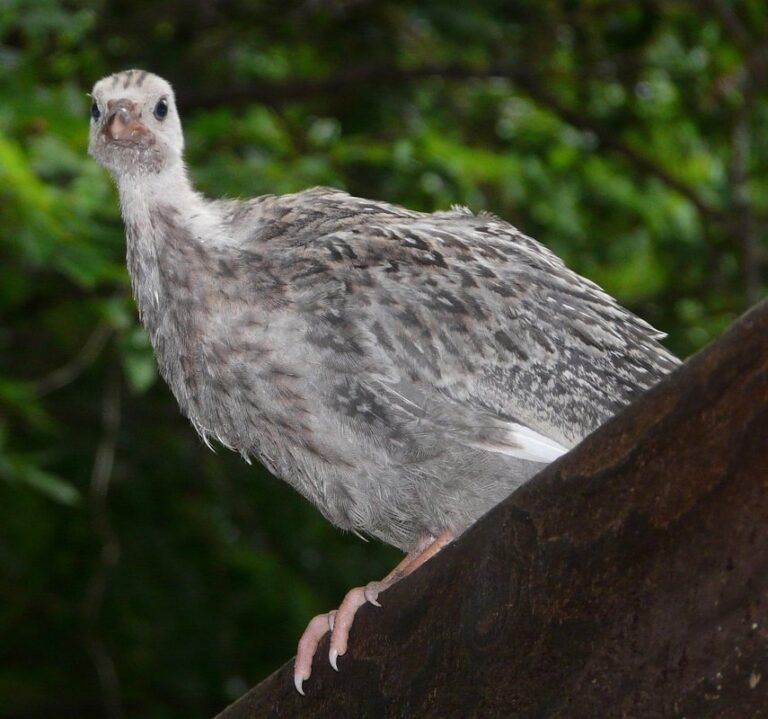
Understanding Guinea Keets and Their Needs
To raise healthy guinea keets, it’s essential to understand their unique needs and behaviors, which can vary greatly from those of other poultry. Let’s dive into what makes these little birds special.
Importance of Proper Brooding
Proper brooding is essential for guinea keets’ growth and development. It sets the stage for their overall health and well-being, and plays a critical role in determining their success as adults.
Incorrect or inadequate brooding can lead to stunted growth, weakened immune systems, and even death. Guinea keets require a specific environment to thrive during their most vulnerable phase. A poorly ventilated or too-hot brooder can be disastrous.
A well-planned brooder should provide a safe space for guinea keets to grow without stress or discomfort. It’s crucial that you maintain the right temperature, between 90-100°F (32-38°C), and ensure adequate ventilation to prevent ammonia buildup. Keep in mind that guinea keets are sensitive to drafts, so be sure to cover the vents at night.
Remember, a healthy brooder is not just about providing food and water; it’s also about creating an environment that fosters growth and development. By doing your research and taking the necessary precautions, you can give your guinea keets the best possible start in life. Proper brooding lays the foundation for raising strong, resilient birds that will thrive as adults.
Selecting the Right Equipment
When it comes to raising healthy guinea keets, selecting the right equipment is crucial for their growth and development. A suitable brooder is the first piece of essential equipment you’ll need. Look for a sturdy, well-ventilated enclosure that can accommodate at least 1 square foot of space per keet. You can opt for a traditional wooden or plastic brooder or consider a DIY setup using a large cardboard box.
A reliable heat source is also vital to maintain the optimal temperature range of 90°F to 95°F (32°C to 35°C) during the first week. Ceramic heat emitters, heat lamps, and infrared heaters are popular choices among guinea keet keepers. Ensure that you place the heat source safely out of reach to prevent burns.
Bedding material is another critical aspect of your brooder setup. Opt for a clean, dry bedding like pine shavings or straw, avoiding materials with strong odors or chemicals. Line the brooder floor with at least 2-3 inches (5-7.5 cm) of bedding to provide comfort and hygiene for your keets. Change the bedding regularly to maintain a healthy environment.
Setting Up an Ideal Brooding Environment
To create a safe and nurturing space for your guinea keets, let’s talk about setting up their brooder with all the essentials they need to thrive. This crucial step lays the foundation for healthy growth and development.
Creating a Safe Space for Keets
Creating a safe space for keets is crucial during the brooding period. Adequate ventilation is essential to prevent the buildup of ammonia from the guinea keets’ droppings. You can achieve this by placing the brooder in a well-ventilated area or adding vents on top and sides. However, be cautious not to overdo it, as strong drafts can stress the keets.
In addition to ventilation, proper lighting is also vital for your keets’ growth and development. Guinea keets need a photoperiod of 24 hours of light in the first week after hatching. You can use low-wattage red heat bulbs or LED lights specifically designed for poultry. These options provide warmth without producing harsh glare.
To maintain optimal conditions, ensure that the brooder is situated away from windows and direct sunlight. This will prevent overheating and reduce the risk of keets getting scorched. Regularly inspect the brooder to ensure it’s clean and dry, reducing the likelihood of respiratory issues in your guinea keets.
Maintaining Optimal Temperature
Maintaining optimal temperature is crucial for guinea keets during their early stages. Unlike chickens, guinea fowl require a slightly higher temperature to thrive. A good starting point is to maintain the brooder at around 90-95°F (32-35°C) for the first week after hatching. As they grow and develop feathers, you can gradually reduce the temperature by 5°F every few days.
It’s essential to ensure that the heat source is distributed evenly throughout the brooder. You can use heat lamps or ceramic heat emitters, but make sure they are at least 12-18 inches away from the keets’ nesting box. Avoid placing the heat source directly above the food and water dishes, as this can cause the birds to get too hot while eating.
A temperature range of 80-85°F (27-29°C) is usually suitable for guinea keets after they are about two weeks old. Monitor their behavior closely, as they will generally seek out areas that are at a comfortable temperature. If you notice any keets huddling together or panting excessively, it’s likely too hot in the brooder.
Nutrition and Hydration
When it comes to raising healthy guinea keets, nutrition and hydration play a crucial role in their growth and development. Here’s what you need to know about providing your keets with the best diet.
Providing High-Quality Feed
When it comes to providing high-quality feed for your guinea keets, selecting the right starter feed is crucial. Guinea keets have different nutritional needs compared to other poultry species, and their diet plays a significant role in their growth and development.
As a general rule of thumb, you’ll want to opt for a starter feed that contains around 20-22% protein content. This is essential for supporting the rapid growth and development of guinea keets during the first few weeks after hatching. However, be cautious not to overdo it – excessive protein can lead to health issues such as kidney damage.
It’s also vital to consider the calcium levels in your starter feed. Guinea keets require a significant amount of calcium for healthy bone growth, so ensure that the feed you choose contains adequate amounts (around 1-2% calcium). You may need to supplement their diet with crushed eggshells or oyster shells if necessary.
Some popular options include commercial guinea fowl starter feeds, which are specifically formulated to meet the nutritional needs of young guinea keets. Always read the label and look for products that have been certified by reputable organizations such as the National Research Council (NRC) or the Association of American Feed Control Officials (AAFCO).
Adequate Water Supply
When it comes to raising healthy guinea keets, providing an adequate water supply is crucial for their development and overall well-being. Keets need access to clean, fresh water at all times, especially during the critical early stages of growth.
A guinea keet’s digestive system is sensitive, and contaminated water can lead to dehydration, diarrhea, and other health issues. To ensure a steady supply of fresh water, consider installing a self-filling waterer or using a high-capacity water dispenser that allows for easy refills without disturbing the keets. You can also use a combination of automatic and manual watering systems to provide multiple sources of fresh water.
When filling waterers, always use lukewarm water to prevent shocking the keets’ sensitive digestive system. Make sure the waterer is placed at a comfortable height to encourage the keets to drink without straining their necks or backs. Change the water frequently to maintain quality and cleanliness, ideally once a day or more often if necessary.
As for water quality, test your brooder’s water regularly to ensure it meets your local health standards. If you’re unsure about the safety of your water source, consider consulting with a veterinarian or a poultry expert for guidance.
Health Considerations and Monitoring
As you care for your growing keets, it’s essential to keep a close eye on their health and watch for any signs of illness or stress that may require attention from a veterinarian. Regular monitoring will help prevent problems from arising in the first place.
Common Health Issues in Keets
Guinea keets are prone to certain health issues during the brooding phase, which can be prevented or addressed with proper care and monitoring. Respiratory problems are a common issue in young guineas, often caused by drafts, poor ventilation, or overcrowding in the brooder. Look out for signs such as labored breathing, coughing, or wheezing. To prevent respiratory issues, ensure your brooder is well-ventilated and keep it at a comfortable temperature between 90°F to 95°F (32°C to 35°C).
Parasites like mites, lice, and worms can also affect guinea keets during this period. Check for signs of infestation such as excessive scratching, feather loss, or visible parasites on the birds’ bodies. Use a fine-tooth comb to gently inspect your keets daily. To prevent parasite infestations, keep your brooder clean, provide fresh water and food daily, and administer a probiotic supplement to support their immune system.
Regular monitoring of your guinea keets is crucial to identifying potential health issues early on. Check for any changes in behavior, appetite, or droppings, and seek veterinary advice if you notice anything unusual.
Monitoring for Signs of Illness
Monitoring for signs of illness is crucial when raising guinea keets. Keets are most susceptible to illness during their first few weeks of life, so it’s essential to keep a close eye on their behavior and physical condition.
Start by observing the keets’ droppings. A healthy guinea keet will produce one to two droppings per hour, which should be small, dark brown or black in color, and have a slightly sweet smell. If you notice any changes in dropping frequency, size, color, or odor, it could indicate illness.
Also, watch for unusual behavior such as lethargy, loss of appetite, labored breathing, or unexplained changes in vocalizations. Keep an eye out for physical signs like ruffled feathers, discharge around the eyes or nostrils, or a dull, sunken appearance to the eyes.
If you notice any of these warning signs, isolate the affected keet immediately and consult with a veterinarian experienced in caring for waterfowl. With regular monitoring and prompt action, you can catch illness early and prevent it from spreading to other keets in your brooder.
Tips for Successful Brooding
Now that you’ve set up a safe and cozy brooder, it’s time to focus on giving your guinea keets the best start in life with these expert tips for successful brooding. Follow these simple guidelines to ensure a thriving flock!
Managing Stress and Noise Levels
Managing stress and noise levels is crucial for promoting healthy growth and development in guinea keets. A brooder can quickly become overwhelming with loud chirping, flapping wings, and the constant pecking at feed and water. To mitigate these effects, consider incorporating some simple strategies into your routine.
Firstly, ensure adequate ventilation to prevent overheating and ammonia buildup. Open windows or use a fan to maintain airflow, which will also help dissipate stress-inducing odors. Next, provide plenty of space for the keets to move around comfortably, reducing competition for resources and minimizing aggressive behavior.
Additionally, implement noise-reducing measures such as placing a towel over the brooder or using a sound-dampening cover. Keep in mind that excessive light can also contribute to stress; use LED lighting to maintain a comfortable temperature while minimizing harsh glare.
It’s essential to monitor your keets’ behavior and adjust these methods accordingly. By maintaining a calm environment, you’ll be helping your guinea keets develop into happy, healthy birds.
Handling Keets Safely
When handling guinea keets safely, it’s essential to prioritize their health and well-being. One crucial aspect is accurate weighing and measuring, which helps monitor growth and detect potential issues early on.
To weigh your keets accurately, use a digital scale specifically designed for small animals or poultry. Place the keet gently in the center of the scale, ensuring its feet are not touching any parts of the scale that could interfere with the reading. Record the weight immediately to avoid errors.
Measuring keets involves taking their length and wing span measurements. Use a flexible tape measure or ruler to carefully wrap it around the body, starting from the base of the neck and working your way down to the end of the tail. For wing span, hold the keet gently but firmly, with one hand supporting its body and the other measuring the width between the tips of its wings.
By following these steps, you’ll be able to monitor your guinea keets’ growth and health closely, allowing for prompt intervention if any issues arise. Remember to handle them gently and frequently to promote trust and reduce stress.
Conclusion: Creating a Thriving Flock
Now that you’ve learned how to care for your keets, it’s time to put everything into practice and create a thriving flock. Let’s walk through the final steps together.
Reviewing Key Takeaways
As you near the end of this guide on raising healthy guinea keets, take a moment to review the essential takeaways that will set you up for success. First and foremost, it’s crucial to remember that proper nutrition is key: guinea keets need high-quality starter feed from day one, supplemented with fresh veggies and fruits once they’re old enough.
When it comes to brooder management, don’t forget these critical details: maintain a safe temperature range between 90-100°F, ensure adequate ventilation, and keep an eye on humidity levels. Regularly clean the brooder to prevent disease and provide sufficient space for your keets to move around freely.
In terms of health checks, stay vigilant for signs of illness or distress – monitoring their droppings, energy levels, and overall behavior will help you catch any potential issues early on. With these key takeaways in mind, you’ll be well-equipped to create a thriving flock of happy, healthy guinea keets. By following the advice outlined in this guide, you’ll set yourself up for success and enjoy years of joy with your feathered friends.
Expanding Your Knowledge
As you’ve made it through the journey of raising healthy guinea keets, we’re confident that you’re now equipped with the essential knowledge to care for these adorable birds. However, there’s always more to learn, and continuous education is key to becoming a truly exceptional guinea fowl breeder. To take your skills to the next level, consider expanding your knowledge by diving into some of the best resources available.
Some highly recommended books on raising guinea keets include “Guinea Fowl: A Guide to Breeding and Management” and “Backyard Poultry Keeping for Dummies.” Online courses like those offered through online platforms such as Udemy and Coursera can also be invaluable. Don’t forget to seek expert advice from established breeders who have years of experience in raising guinea keets.
Some notable resources worth exploring include the American Bantam Association, the Guinea Fowl Breeders Association, and local poultry clubs. These organizations offer a wealth of knowledge, including tips on nutrition, health issues, and breeding best practices.
Frequently Asked Questions
What if I’m new to raising guinea keets and don’t know where to start with setting up a brooding environment?
If you’re new to raising guinea keets, it’s essential to start by researching the specific needs of these birds. Understand their growth rate, temperature requirements, and nutritional needs before setting up your brooder. You can also consult with experienced breeders or join online forums to get hands-on advice.
How often should I check on my guinea keets for signs of illness during the brooding period?
Monitoring your guinea keets’ health daily is crucial during the first few weeks after hatching. Keep an eye out for symptoms such as labored breathing, lethargy, or changes in droppings. Yes, this means checking their temperature, feeding them high-quality feed, and ensuring a safe water supply regularly.
Can I use a regular incubator for guinea keets, or do I need to invest in a specialized brooder?
While an incubator can provide the initial warmth required by guinea keets after hatching, it may not be suitable for their long-term needs. A dedicated brooder with proper ventilation and temperature control is more suitable for these birds as they grow and develop.
How do I introduce new guinea keets to my existing flock, especially if there are adult birds present?
Introducing new guinea keets to an existing flock requires careful planning. Start by isolating the new keets in a separate enclosure until they’re around 4-6 weeks old, allowing them to develop social skills and reducing aggression from adult birds.
What’s the ideal temperature range for guinea keets during the brooding period, and how can I maintain it?
The ideal temperature range for guinea keets is between 90°F (32°C) and 100°F (38°C). To maintain this temperature, use a thermometer to monitor your brooder, ensure adequate ventilation, and consider using heating or cooling systems as needed.