
Guinea fowl eggs can be a delight to work with, but their unique characteristics also make them a bit more challenging to incubate successfully. If you’re new to raising guinea fowl or looking to improve your hatch rates, understanding the intricacies of temperature control and humidity management is crucial.
Temperature fluctuations, for example, can significantly impact the viability of your eggs. Similarly, maintaining optimal humidity levels during brooding will help create a conducive environment for hatching. In this article, we’ll delve into the specifics of guinea fowl egg incubation, covering everything from proper temperature control to effective humidity management and optimal brooding conditions. Whether you’re an experienced breeder or just starting out, our comprehensive guide aims to equip you with the knowledge needed to achieve successful hatches.
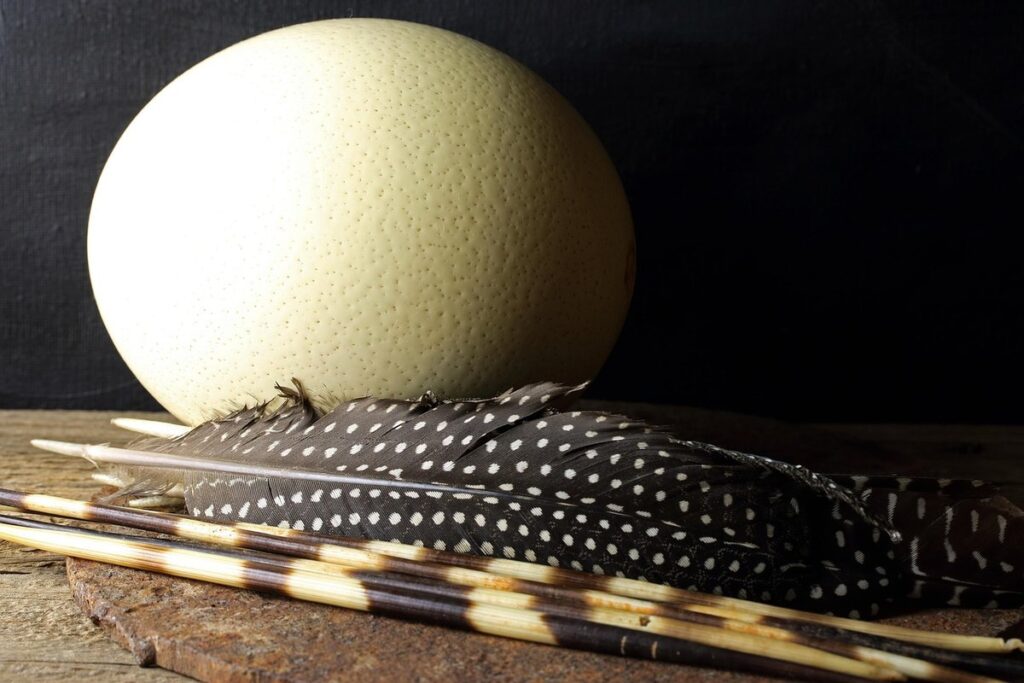
Understanding Guinea Fowl Egg Characteristics
To incubate guinea fowl eggs successfully, it’s essential to understand their unique characteristics, including size, shape, and shell thickness. Knowing these details will help you prepare for incubation.
Factors Influencing Embryonic Development
When it comes to guinea fowl egg incubation, several factors can significantly influence embryonic development. Temperature plays a crucial role, as it affects the rate of embryonic growth and development. A slight drop or rise in temperature can have devastating consequences on fertility rates.
Optimal temperature ranges between 99°F and 100°F for the first 24 days of incubation, after which it should be reduced to 98°F until hatching. Maintain a consistent temperature environment throughout the incubation period to minimize risks.
Humidity levels also impact embryonic development, with an optimal range of 50-60%. Maintaining adequate humidity ensures proper eggshell membrane function and prevents dehydration-related issues.
Eggshell quality is another critical factor affecting fertility rates. Cracks or damage can compromise embryonic development, making it essential to handle eggs gently and store them in a safe environment.
Inadequate humidity, extreme temperatures, or poor eggshell condition can severely impact embryonic development and fertility rates. By maintaining optimal incubation conditions, you’ll significantly increase the chances of successful hatching. Regularly monitor temperature and humidity levels to ensure ideal conditions for your guinea fowl eggs.
Recognizing Fresh and Fertile Eggs
When inspecting guinea fowl eggs for incubation, it’s crucial to recognize fresh and fertile eggs. A fresh egg will typically have a clean and dry appearance with no visible cracks or breaks. The shell should be smooth and free of any stains. To determine the freshness, gently hold the egg in one hand and tap the large end on a flat surface; if the sound is deep and resonant, it’s likely a fresh egg.
To assess fertility, use the weight method: fertile eggs are slightly heavier due to the developing embryo inside. Another approach is candling, which involves shining a bright light through the egg to observe any signs of development. The yolk should be centered, and the air sac should be about one-quarter of the way from the large end.
During candling, note the size and location of the embryo’s blood vessels; they should appear as dark spots or lines just below the yolk.
Preparing for Incubation: Equipment and Environment
When it comes to incubating guinea fowl eggs, creating a suitable environment is crucial. This section will walk you through the essential equipment and setup needed for a successful incubation period.
Setting Up a Proper Brooding Box
When it comes to setting up a proper brooding box for guinea fowl eggs, the right equipment is crucial. A sturdy and well-ventilated brooder box specifically designed for small birds is essential. The temperature control unit should be able to maintain temperatures between 99°F (37°C) and 100°F (38°C) for the first 24 days of incubation. This ensures that the embryo develops correctly.
A humidity gauge will also come in handy as it helps you monitor the level of moisture in the brooding box, typically maintained at around 50-60%. Too much or too little humidity can affect development negatively. For instance, if it’s too dry, eggs may not hatch properly due to underdeveloped lungs and membranes.
To set up your brooder box safely:
* Ensure good airflow by providing adequate space between the eggs and the top of the box
* Keep the brooder away from direct sunlight or windows with UV radiation as they can affect egg development
* Clean and disinfect the brooding box regularly to prevent contamination
Creating an Optimal Incubation Environment
Maintaining a stable temperature is crucial for guinea fowl egg incubation. The ideal range is between 99-100°F (37.2-37.8°C), which is slightly higher than the recommended temperature for chicken eggs. To achieve this, you can use an incubator specifically designed for poultry or create a DIY setup using a heating mat and thermometer.
Relative humidity levels should be kept between 50-60%, with a slight increase in the last week of incubation to aid in chick development. This can be achieved by placing the incubator in a humid environment or using a humidifier. It’s essential to monitor the temperature and humidity levels regularly, as fluctuations can lead to embryo mortality.
Egg-turning frequency is also vital for successful guinea fowl incubation. Aim for at least 5-6 turns per day, with each turn taking about 30 minutes. This ensures even development of the chick inside the egg. You can use an automated egg-turner or manually rotate the eggs to achieve this frequency.
To maintain a consistent environment throughout the incubation period, it’s crucial to monitor temperature and humidity levels regularly. Make adjustments as needed to ensure they stay within the ideal range. This will help prevent embryo mortality and increase your chances of hatching healthy guinea fowl chicks.
Fertilization and Egg Handling
When it comes to incubating guinea fowl eggs, proper fertilization and egg handling are crucial steps that can make all the difference in your success. Let’s dive into the specifics of both processes.
Understanding Guinea Fowl Reproductive Biology
When it comes to guinea fowl egg incubation, understanding their reproductive biology is crucial for success. Let’s start with the basics: the male guinea fowl has a unique feature called the cloacal protuberance, also known as the genital papilla. This is a small, fleshy protrusion located at the rear end of the bird, just below the vent (cloaca). It plays a vital role in fertilization.
On the other hand, female guinea fowls have a complex reproductive system consisting of two oviducts: the magnum and the isthmus. The magnum is responsible for adding albumen to the egg, while the isthmus contributes to the formation of the eggshell. When a male guinea fowl mates with a female, he deposits his sperm into the female’s cloaca through a process called cloacal mating.
Fertilization in guinea fowls occurs when a sperm fertilizes an ovum in the magnum, resulting in a zygote. The importance of proper fertilization cannot be overstated – it ensures that the egg has the best chance of hatching successfully. If fertilization doesn’t occur, the embryo may not develop properly or may fail to hatch altogether.
In guinea fowl breeding programs, breeders often check for fertile eggs by candling them under a light source. Candling helps identify any potential issues with the egg, such as thin or deformed shells. To ensure optimal fertility rates, keep your guinea fowl healthy and well-fed, provide adequate space and social interaction, and maintain clean living conditions.
Remember that even small factors can impact fertilization and embryo development. Factors like stress, poor nutrition, and overcrowding can all negatively affect the reproductive success of your guinea fowls. Monitor their overall health closely and take steps to address any issues you identify.
Proper Egg Handling Techniques
When collecting guinea fowl eggs from the coop, it’s essential to handle them gently to prevent damage and maintain their fertility. Crack a little of the egg on the clean surface before storing it to ensure there are no bacterial contaminants inside the egg. This simple step can help identify any potential issues with the egg.
Cleaning and storage are crucial steps in maintaining egg quality. Collect eggs at least twice a day, keeping them cool by providing shade or using an ice pack. Store eggs pointed end down on a wire rack or tray to prevent moisture buildup, and place them in a well-ventilated area to maintain airflow.
Transporting guinea fowl eggs requires extra care. Keep the eggs in a protective container and store them at room temperature (around 70-75°F) during transport. Never expose them to direct sunlight or extreme temperatures. Store them again once you arrive, following the same guidelines as mentioned above.
Maintaining cleanliness throughout this process is vital. Wash your hands before handling eggs and ensure all storage containers are clean and dry.
Incubation Period: Weeks 1-28
As you carefully transport your guinea fowl eggs back to their nesting boxes, it’s essential to understand what happens during the first 28 weeks of incubation. This crucial period requires precise attention and monitoring for optimal results.
Week 1-2: Blastoderm Formation and Cleavage
During the first two weeks of incubation, several critical developmental milestones take place within the guinea fowl embryo. The process begins with blastoderm formation, where the embryoblast starts to differentiate from the surrounding yolk and albumen. This is a crucial step as it sets the stage for further development.
Through candling, you can recognize the formation of the blastoderm as a white or translucent spot within the egg. As incubation progresses, this area will grow in size and begin to take on a more defined shape. The next significant event is cleavage, where the embryoblast undergoes multiple cell divisions without significant growth in size. This increases the number of cells but maintains their compact arrangement.
Keep an eye out for two clear spots or areas with distinct boundaries within the yolk during candling. These are indicative of morula formation, a critical stage in guinea fowl development. As you observe these milestones through candling, be sure to note any deviations from normal development, which can indicate potential issues with incubation.
Week 3-4: Gastrulation and Organogenesis
During weeks 3-4 of incubation, your guinea fowl embryos undergo two critical developmental stages: gastrulation and organogenesis. Gastrulation is the process by which the blastula transforms into a gastrula, with the formation of three primary germ layers – ectoderm, endoderm, and mesoderm. This stage is crucial as it lays the foundation for the development of various organs and body systems.
As you approach day 21-23 of incubation, look for signs of gastrulation, such as a slight thickening of the embryo’s surface and the formation of a primitive streak on the ventral side. Organogenesis begins around day 22-24, where the ectoderm, endoderm, and mesoderm start to differentiate into specific tissues and organs.
To maintain optimal incubation conditions during these stages, ensure that your incubator remains at a consistent temperature between 99°F and 100°F (37°C – 38°C) and humidity levels of 50-60%. Regularly monitor the embryo’s development by checking for any visible signs of abnormalities.
Troubleshooting Common Issues
Don’t worry, unexpected setbacks can happen during guinea fowl egg incubation – we’ve got you covered with solutions to common issues that might arise. We’ll walk through potential problems and their fixes together.
Addressing Temperature Fluctuations and Humidity Imbalances
Temperature fluctuations and humidity imbalances can have a significant impact on guinea fowl embryonic development. One common issue is temperature swings within the incubator. A rise in temperature above 100°F (38°C) can cause embryo mortality, while temperatures below 99°F (37.2°C) may lead to delayed development. Monitor your incubator’s temperature closely and ensure it remains consistent between 99-100°F (37.2-37.8°C).
Humidity levels are also crucial for guinea fowl eggs. High humidity can cause moisture buildup, leading to mold growth and potentially contaminating the eggs. Conversely, low humidity may cause the eggs to dry out, affecting embryonic development. Aim for a relative humidity of 50-60% during the first week, increasing it gradually to 70-80% by day 14.
Early warning signs of temperature fluctuations or humidity imbalances include uneven incubator temperatures, high mortality rates among embryos, and visible mold growth on the eggs. If you notice any of these symptoms, take corrective action immediately. Reduce the temperature setting if it’s above 100°F (38°C), or increase it if it’s below 99°F (37.2°C). Check for moisture buildup by gently tilting the incubator.
Managing Mortality Rates and Incubator Maintenance
High mortality rates during incubation can be attributed to several factors. Poor egg quality is often the primary reason, as guinea fowl eggs are more prone to breakage and contamination than chicken eggs. Inadequate ventilation within the incubator can also contribute to high mortality, leading to moisture buildup and creating an ideal environment for bacterial growth.
To reduce mortality rates, it’s essential to maintain a clean and well-maintained incubator. Regularly wipe down all surfaces with a disinfectant solution, paying particular attention to the turning and egg handling areas. Ensure proper ventilation by checking that air inlets are unobstructed and maintaining a consistent temperature within 0.5°F of the set point.
In addition to these steps, it’s crucial to closely monitor your incubator’s equipment for malfunctions or wear and tear. Check the hygrometer, thermometer, and fan regularly to ensure they’re functioning correctly. By addressing these potential issues, you can significantly reduce mortality rates and increase the chances of successful hatching.
Hatching and Aftercare
Now that you’ve successfully incubated your guinea fowl eggs, it’s time to prepare for hatching and provide proper aftercare for your new chicks. This is crucial for their survival and healthy development.
Recognizing Signs of Imminent Hatching
As you approach the end of the incubation period for your guinea fowl eggs, it’s essential to recognize the physical signs indicating imminent hatching. One of the most significant indicators is pipping, where the chick begins to break through the shell. You may notice a small crack or hole in the eggshell, which will gradually widen as the chick continues to peck its way out.
Beak emergence is another critical sign, where you’ll see the tip of the chick’s beak protruding from the shell. This usually occurs just before full hatching. Wing movement is also an important indicator, as the chick begins to stir and prepare for exit. If you notice any of these signs, it’s crucial to provide a supportive environment that allows the hatchling to emerge safely.
To assist with hatchling emergence, gently rotate the egg to encourage the chick to move towards the air cell. You can also carefully crack the shell near the air pocket to help the chick breathe and make its way out. Once hatched, keep the chicks in a warm, draft-free area, providing a heat source and adequate humidity to support their growth during the post-hatch period.
Post-Hatch Care: Nutrition, Hygiene, and Health Monitoring
When it’s time to welcome your newly hatched guinea fowl chicks into their brooder environment, proper nutrition, hygiene, and health monitoring become crucial for optimal growth and development. A balanced diet is essential for chick growth, so make sure you’re providing a starter feed specifically formulated for young waterfowl or game bird chicks.
A good quality commercial starter feed should contain around 20-24% protein to support rapid growth. Supplement with high-quality probiotics to promote healthy digestion and immune system development. Fresh water must be available at all times, and consider adding electrolytes to prevent dehydration.
Maintain a clean brooder environment by changing the bedding material (such as wood shavings or straw) daily, and ensure proper ventilation to prevent ammonia buildup from droppings. Monitor your chicks’ health indicators closely – watch for signs of illness such as lethargy, labored breathing, or changes in droppings.
Regularly inspect your chicks for any visible injuries, lice, or mites, and address potential health issues promptly by consulting a veterinarian experienced in avian care.
Frequently Asked Questions
What are the consequences of neglecting temperature control during guinea fowl egg incubation?
Temperature fluctuations can significantly impact fertility rates, leading to reduced hatch success and increased embryo mortality. Maintaining a stable temperature environment is crucial for successful hatching.
How do I troubleshoot issues with humidity levels in my brooding box?
To address humidity imbalances, monitor your incubator’s hygrometer regularly, ensure proper ventilation, and adjust the water level in the misting system as needed. This will help you maintain optimal humidity conditions for embryonic development.
Can I use a standard chicken egg incubator for guinea fowl eggs, or do I need a specialized one?
While some chicken egg incubators may work for guinea fowl eggs, it’s essential to choose an incubator specifically designed for large game bird eggs. This will provide the necessary space and climate control for successful hatching.
How often should I clean and maintain my incubation equipment during the 28-day incubation period?
Regular cleaning and maintenance are crucial for maintaining optimal conditions. Clean the incubator at least once a week, replacing any dirty components and ensuring proper airflow.
What steps can I take to prevent or address temperature fluctuations in my incubator?
To mitigate temperature fluctuations, ensure your incubator is placed away from direct sunlight, heat sources, and drafts. Use insulation to maintain stable temperatures, and consider investing in a temperature control system for added precision.