
If you’re thinking of adding some new feathered friends to your backyard flock, you might want to consider the Speckled Sussex chicken breed. These charming birds are not only friendly and easy-going, but they also happen to be prolific layers, making them an excellent choice for homesteaders and small-scale farmers alike. With their unique speckled plumage and gentle nature, it’s no wonder why many backyard flock owners swear by the Speckled Sussex.
In this article, we’ll delve into the characteristics, benefits, and care requirements of these wonderful birds. We’ll explore what makes them such great layers, how to incorporate them into your existing flock, and what you can expect from their temperament and behavior. Whether you’re a seasoned chicken keeper or just starting out, learning more about the Speckled Sussex breed could be just what you need to take your backyard flock to the next level.
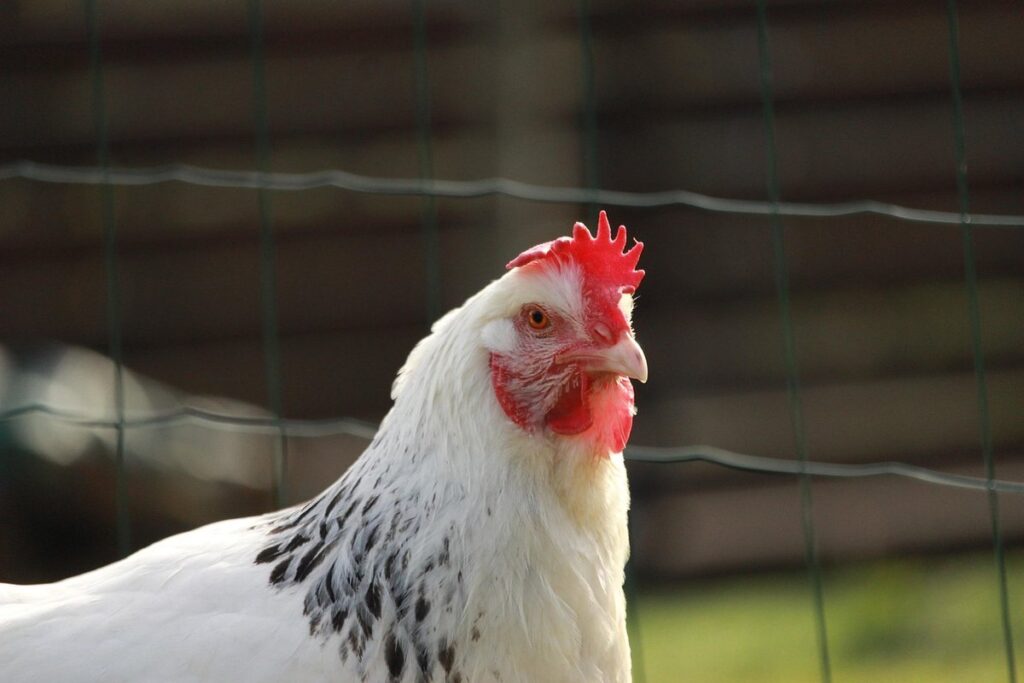
History and Origins of the Speckled Sussex
The Speckled Sussex has a rich history dating back to 19th-century England, where it was developed as a dual-purpose breed for both egg-laying and meat production. Let’s explore its fascinating origins.
Early Development and Purpose
The Speckled Sussex has its roots in England, where it was first bred in the 19th century. The initial purpose of this breed was to provide a reliable source of eggs and meat for British farmers. With its hardy constitution and ability to thrive on poor-quality feed, the Speckled Sussex quickly gained popularity among small-scale poultry keepers.
As time passed, the breed underwent significant changes in its development. Breeders selectively bred the birds to emphasize their egg-laying abilities, resulting in an impressive 200-220 brown eggs per year. The Speckled Sussex’s meat was also highly valued for its tenderness and rich flavor, making it a staple on many British dinner tables.
One of the key factors that contributed to the breed’s success was its adaptability to harsh weather conditions. With their robust build and water-resistant feathers, the Speckled Sussex could withstand the UK’s often unpredictable climate with ease. This resilience enabled them to thrive in areas where other breeds might struggle, making them a favorite among backyard chicken keepers looking for a low-maintenance but high-rewarding breed.
Key Characteristics Influencing Its Development
When developing the Speckled Sussex breed, specific characteristics were emphasized to create a versatile and hardy chicken. One of the primary focuses was on egg-laying ability, with the breed expected to produce around 200 brown eggs per year. This high egg production made the Speckled Sussex an attractive choice for small-scale farmers and backyard enthusiasts.
In addition to egg laying, meat production was also a significant consideration during the development process. The Speckled Sussex is known for its fast growth rate and well-muscled frame, making it suitable for both commercial and backyard meat producers. However, it’s worth noting that while the breed can be used for meat production, its primary purpose remains egg laying.
To maximize the potential of your Speckled Sussex flock, focus on providing a balanced diet and ensuring optimal living conditions. With proper care, you can expect to see high-quality eggs and potentially even raise the birds for meat when they reach maturity. Consider implementing integrated farming practices that combine both egg and meat production to create a more sustainable operation.
Physical Characteristics of the Speckled Sussex
When it comes to physical characteristics, the Speckled Sussex is easily recognizable, with its distinctive spotted plumage and striking appearance. This breed’s unique markings are just one of its standout features.
Appearance: Plumage, Size, and Weight
One of the most distinctive features of the Speckled Sussex breed is its striking appearance. This unique plumage pattern sets it apart from other breeds and makes it a favorite among backyard chicken enthusiasts. The Speckled Sussex has a beautiful mix of black and white feathers, with speckles or patches of color on the breast, wings, and tail. This distinctive patterning gives the breed a unique look that’s both handsome and eye-catching.
In terms of size, the Speckled Sussex is a medium-sized breed, with roosters weighing around 6-7 pounds (2.7-3.2 kg) and hens reaching about 5-6 pounds (2.3-2.7 kg). These birds are well-proportioned, with good muscle tone and a sturdy build that’s perfect for scratching and pecking at the ground.
As you consider adding Speckled Sussex chickens to your flock, keep in mind that their size and weight make them a great choice for smaller backyards or coops. Their moderate growth rate means they’ll reach maturity quickly, and their compact size ensures they won’t take up too much space in your yard.
Key Features: Comb, Beak, Legs, and Feathers
One of the most distinctive features of the Speckled Sussex breed is its physical characteristics. Let’s take a closer look at some key features that set this breed apart from others.
The comb shape of the Speckled Sussex is medium-sized, single-layered, and relatively broad. This means it’s not too big or too small, making it easier for them to regulate their body temperature in various climates. The beak type is medium-length, well-formed, and strong, ideal for pecking at seeds, grains, and other food sources.
Leg color varies among individuals, but most Speckled Sussex chickens have yellow or light-yellow legs. This characteristic can also indicate the overall health of your bird, as healthy birds tend to have vibrant leg colors. In terms of feather quality, the Speckled Sussex boasts a unique plumage with a beautiful speckled pattern on its body and wings. The feathers are medium-length, providing excellent insulation against cold temperatures while still allowing for good airflow.
When choosing a Speckled Sussex, it’s essential to inspect their comb, beak, legs, and feather quality to ensure you’re getting a healthy individual.
Temperament and Personality of the Speckled Sussex
When it comes to temperament, the Speckled Sussex is known for being friendly, docile, and easy-going, making them a great choice for families and beginners alike. They’re also surprisingly outgoing and curious.
Known Traits and Characteristics
One of the most endearing aspects of the Speckled Sussex breed is their temperament. Known for being extremely friendly and docile, these chickens are a joy to have around children. They’re incredibly patient and gentle, making them an excellent choice for families with little ones who want to learn about chickens.
When it comes to interacting with other chickens, Speckled Sussexes get along famously. They’re generally easy-going and won’t fight or compete aggressively with their flock members. This makes them a great addition to even the most established backyard flocks.
If you’re new to chicken-keeping, the Speckled Sussex’s friendly nature is a huge plus. They’ll often approach you for pets and treats, and they love human interaction just as much as they love scratching in the dirt. In fact, with proper care and attention, these chickens can become quite demanding of attention – but in a charming, affectionate way!
To ensure your Speckled Sussexes thrive, make sure to provide plenty of space for them to roam and exercise. With their friendly nature and docile personalities, they’ll quickly become the stars of your backyard flock.
Tips for Integrating Them into Your Flock
When integrating Speckled Sussex chickens into an existing flock, it’s essential to consider their unique personality traits and temperament. As a friendly and curious breed, they tend to get along well with other chickens, but some socialization is necessary to ensure a smooth transition.
Begin by introducing them to the rest of the flock in a neutral area where your birds feel comfortable and secure. Start with visual introductions, allowing them to see each other without direct contact. This will help prevent any initial stress or aggression. Once they seem relaxed around each other, it’s time for supervised interactions under close watch.
Some things to keep in mind: Speckled Sussex are naturally flock-oriented birds and thrive on social interaction. Avoid isolating them from the rest of the flock, as this can lead to boredom and behavioral problems. Also, be mindful that they can be a bit noisy, so if you live in close proximity to neighbors or have noise restrictions, consider this when deciding whether they’re the right fit for your backyard flock.
If you’re integrating multiple breeds, research compatibility beforehand. For example, Speckled Sussex get along well with Leghorns and Orpingtons, but may have issues with more aggressive breeds like Brahma or Cochin.
Health Considerations and Care
When it comes to owning Speckled Sussex chickens, understanding their specific health needs is crucial to ensure they thrive. We’ll cover essential tips for maintaining your flock’s overall well-being.
Common Issues and How to Manage Them
The Speckled Sussex is generally a hardy breed, but like all chicken breeds, it’s not immune to certain health issues. Respiratory problems can be a concern for this breed, particularly if they’re kept in damp or poorly ventilated coops. You may notice signs of respiratory distress such as labored breathing, wheezing, or coughing. To manage these issues, ensure good airflow in the coop by installing windows and using a fan to circulate air.
Beak problems are also common in Speckled Sussex chickens. Regular beak trimming can help prevent overgrowth, which can lead to discomfort, difficulty eating, and even infection. Keep an eye on your chicken’s beak length and trim it as needed. You should also ensure that your chickens have access to grit to wear down their beaks naturally.
Additionally, Speckled Sussex are susceptible to diseases such as Marek’s disease, a viral condition that can cause paralysis, blindness, and death. Vaccination is an effective way to prevent this disease, but it’s essential to follow the vaccination schedule recommended by your veterinarian.
To identify potential health issues early on, keep a close eye on your chickens’ behavior and appearance. Regularly inspect their droppings for signs of disease or parasites, and monitor their weight and overall condition. If you notice any unusual symptoms or changes in behavior, consult with a veterinarian as soon as possible.
Nutrition, Exercise, and Environmental Needs
When it comes to keeping your Speckled Sussex flock healthy and thriving, their nutrition, exercise, and environmental needs should be top priorities. These birds require a balanced diet that includes high-quality proteins, vitamins, and minerals, such as calcium and phosphorus for strong bone growth.
A commercial chicken feed specifically formulated for laying hens is an ideal choice. However, it’s essential to supplement with fresh fruits, vegetables, and grains to ensure they get the necessary nutrients. Provide fresh water at all times, and consider adding a probiotic supplement to support their digestive health. Exercise is also crucial; make sure your Speckled Sussex have enough space to roam and engage in physical activity.
Consider providing a dust bath for your birds to help maintain healthy feathers and skin. When it comes to environmental considerations, ensure that your coop provides adequate ventilation, protection from the elements, and sufficient space per bird (at least 3-4 square feet per hen). Regular cleaning of the coop is also essential to prevent disease and parasites.
Providing a balanced and varied diet will significantly contribute to their overall health. Keep an eye out for signs of nutritional deficiencies or diseases and adjust your care routine accordingly.
Egg-Laying Performance of the Speckled Sussex
When it comes to egg-laying performance, one of the most interesting aspects of the Speckled Sussex is their moderate to high production rate. They’ll typically lay around 200-220 large brown eggs per year.
Expected Numbers and Frequency
A key aspect of understanding the Speckled Sussex breed is its egg-laying performance. On average, a mature Speckled Sussex hen will lay around 200-220 eggs per year. This number can vary depending on factors such as nutrition, health, and living conditions.
In terms of frequency, you can expect to see your Speckled Sussex laying eggs at a consistent rate throughout the year, with a slight decrease in production during the winter months when daylight hours are shorter. However, this breed is known for its steady and reliable egg-laying pattern, making them an excellent choice for small-scale farmers or backyard chicken keepers.
It’s worth noting that some Speckled Sussex hens may start laying eggs at a younger age than others, with some starting as early as 18-20 weeks. Others may take a bit longer to mature and begin laying regularly. As a general rule, it’s best to wait until your hen is at least six months old before expecting consistent egg production.
Regular monitoring of your hens’ egg-laying performance will help you identify any potential issues with their health or nutrition. By keeping an eye on the frequency and quality of eggs being laid, you can take proactive steps to ensure your Speckled Sussex hens remain healthy and productive throughout their laying years.
Factors Affecting Egg Production
When it comes to maximizing egg-laying performance in Speckled Sussex chickens, several key factors come into play. Proper nutrition is one of the most critical elements. A balanced diet that includes essential vitamins and minerals such as calcium, phosphorus, and protein will support healthy egg production. For example, a layer feed specifically formulated for high-producing breeds like the Speckled Sussex should be provided.
Health issues can also significantly impact egg-laying performance. Regular health checks, vaccinations, and parasite control measures are vital to maintain optimal health in your flock. According to a study by the American Poultry Association, flocks with regular health checks tend to have higher egg production rates compared to those without such practices.
Living conditions also play a significant role in determining the breed’s egg-laying performance. Adequate space, ventilation, and lighting are essential for maintaining a stress-free environment that promotes optimal productivity. As a general rule of thumb, ensure your flock has at least 2-4 square feet per bird to roam around comfortably. This will not only boost their overall well-being but also contribute to better egg-laying performance.
Breeding and Raising the Speckled Sussex
When it comes to breeding and raising your own Speckled Sussex flock, understanding their unique characteristics is key. This section will walk you through the process of successfully breeding and raising these lovely birds.
Tips for Breeding Success
Breeding the Speckled Sussex requires careful consideration and planning to ensure successful hatching and healthy chicks. When selecting males for breeding, look for birds with excellent conformation, strong feathering, and vibrant plumage coloration. A suitable male should also exhibit good temperament and a strong, confident presence.
When choosing females for breeding, focus on those that are at least 18 months old, as they will have reached their full growth potential. Select females with excellent egg-laying ability, robust health, and attractive feathering. When selecting both males and females, consider their compatibility and genetic diversity to minimize the risk of inbreeding.
To increase your chances of successful breeding, it’s essential to breed birds that are free from inherited diseases or conditions common to this breed. Keep detailed records of your birds’ lineage, fertility, and any health issues that may arise. This will help you make informed decisions when selecting future breeding stock and ensure the long-term health and success of your flock.
When two healthy, genetically diverse birds are bred together, they can produce chicks with desirable traits such as improved egg-laying ability, increased hardiness, or enhanced feather quality. By following these guidelines and prioritizing genetic diversity, you’ll be well on your way to raising top-quality Speckled Sussex chickens.
Tips for Raising Chicks and Juveniles
Raising young Speckled Sussexes requires attention to their nutritional and social needs. Start by providing a high-quality starter feed that is rich in protein and calcium, as these nutrients are essential for growth and development. For the first 4-6 weeks, offer a starter crumble or mash that contains around 20% protein. As they grow, gradually introduce layer pellets to their diet.
Socialization is also crucial during this period. Introduce your chicks to a variety of environments, people, and other animals to help them become confident and calm adults. Begin by placing the brooder in a quiet area of your home or backyard, then gradually move it to a more open space as they grow. Handle the chicks gently but frequently, getting them used to human touch.
Be sure to provide enough space for the young birds to move around, around 2-3 square feet per chick. A clean, draft-free environment with adequate ventilation is also essential for their health and well-being. As you socialize your Speckled Sussexes, they will become friendly and outgoing birds that are a joy to keep in the backyard.
Conclusion: The Value of the Speckled Sussex as a Backyard Chicken Breed
Now that we’ve explored the history, characteristics, and benefits of the Speckled Sussex, let’s talk about why this breed is a great choice for backyard chicken keepers. You’ll see just how valuable they can be in your flock.
Recap of Key Points
In this comprehensive guide, we’ve explored the unique characteristics and benefits of the Speckled Sussex as a backyard chicken breed. Let’s recap some of the key points to help you make an informed decision about adding this breed to your flock.
The Speckled Sussex is known for its friendly and docile nature, making them an excellent choice for families with children or for beginners who want a stress-free experience raising chickens. They are also relatively small in size, requiring less space compared to other breeds. This compact size makes them ideal for smaller backyard flocks or urban gardens.
Their hardiness and adaptability to different climates make the Speckled Sussex a great choice for farmers and homesteaders who need a breed that can thrive in various conditions. They are also prolific layers, producing an average of 200-220 eggs per year, making them a valuable addition to any backyard chicken flock. Additionally, their unique appearance, with distinctive speckles on their feathers, adds a touch of charm to any farm or homestead.
By considering these characteristics and benefits, you can make an informed decision about whether the Speckled Sussex is right for your backyard chicken flock.
Why You Should Consider Keeping the Speckled Sussex
If you’re still on the fence about keeping the Speckled Sussex in your backyard flock, let us convince you of their unique benefits. One of the most attractive aspects of this breed is their gentle nature – making them an excellent choice for families with children or for those who want a low-maintenance pet.
Their docile temperament also makes them perfect for smaller backyard spaces, as they are less likely to fly over fences and get into trouble. In fact, many owners report that their Speckled Sussex chickens have become part of the family, following them around the yard and even snuggling up next to them on the porch.
The Speckled Sussex is also an excellent choice for those who want a breed that’s relatively low-maintenance when it comes to egg-laying. They’re not prolific layers by any means, but they’ll still provide you with around 200-220 eggs per year – a respectable amount considering their size and temperament.
Ultimately, the Speckled Sussex is an excellent addition to any backyard flock due to its unique combination of gentle nature, low-maintenance requirements, and moderate egg production. If you’re looking for a breed that’s easy to care for and will become a beloved member of your family, look no further than the Speckled Sussex.
Frequently Asked Questions
Can I keep Speckled Sussex chickens in colder climates?
Yes, the Speckled Sussex breed is known for its hardiness and ability to thrive in cold temperatures. With proper care and attention to their nutritional needs, they can adapt well to colder climates. Make sure to provide them with adequate shelter and protection from wind and extreme weather conditions.
How do I introduce new Speckled Sussex chickens to my existing flock?
Introducing new birds to your flock requires careful planning and execution. Start by isolating the new birds for a few days before integrating them into your main coop. Monitor their behavior closely, especially during feeding times, and ensure that they have separate space and resources until they adjust.
What are some common health issues I should be aware of in Speckled Sussex chickens?
As with any breed, Speckled Sussex chickens can be susceptible to certain health issues, such as mites, lice, and respiratory problems. Regular monitoring, proper ventilation, and maintaining a clean living environment can help prevent many of these issues. Consult with your veterinarian for specific advice on caring for your flock.
Can I raise Speckled Sussex chickens in a small backyard coop?
Yes, the Speckled Sussex breed is well-suited for small backyards and coops. They are relatively quiet, calm, and don’t require a lot of space to roam. However, ensure that you provide them with adequate shelter, nesting boxes, and access to fresh air and sunlight.
How do I know if my Speckled Sussex chicken is laying eggs regularly?
Egg-laying performance can vary depending on factors such as nutrition, health, and age. Monitor your flock’s egg production closely and take note of any changes or irregularities. Keep in mind that some chickens may not reach full production until they are around 18-24 months old.