
If you’re looking to add some charm and personality to your backyard flock, you might want to consider bringing home a Silkie Bantam hen. These adorable birds have been captivating chicken enthusiasts for centuries with their fluffy, soft plumage and gentle nature. But what makes them so special? In this article, we’ll delve into the fascinating history of Silkies, explore their unique characteristics, and provide expert advice on how to care for these lovable hens. We’ll also cover management and breeding practices, giving you everything you need to know to successfully integrate a Silkie Bantam into your flock. Whether you’re a seasoned chicken keeper or just starting out, our comprehensive guide will walk you through the joys of raising Silkies, from their quirks to their charms.
Introduction to Silkie Bantams
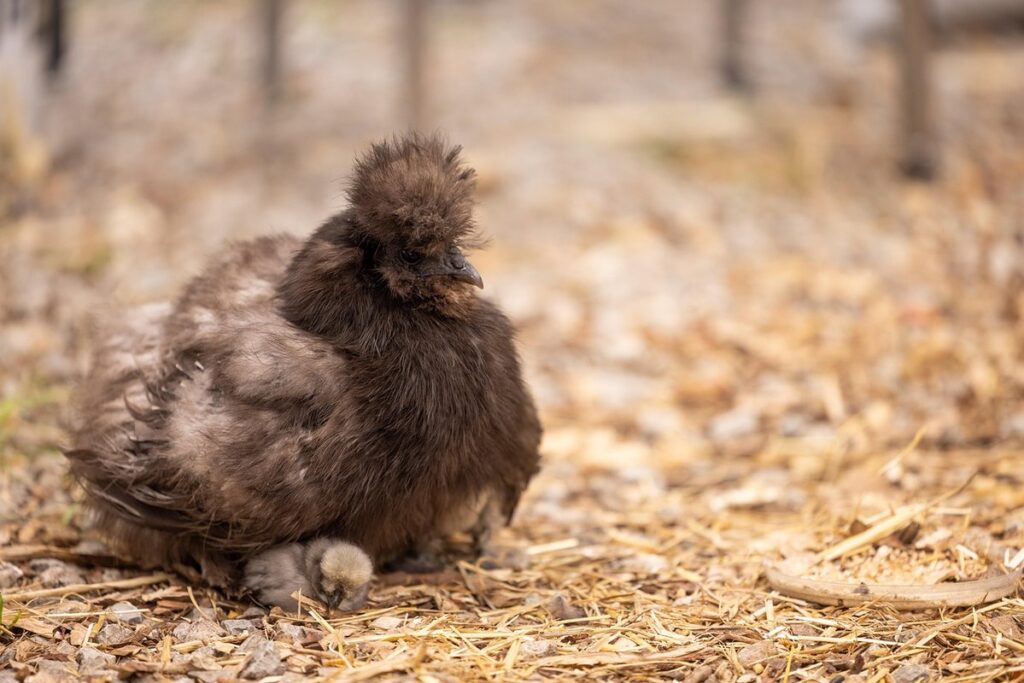
Silkie Bantam chickens are known for their fluffy, soft feathers and adorable appearance, but what makes them so unique? In this section, we’ll cover the basics of these lovable birds.
What are Silkie Bantam Chickens?
Silkies have been a beloved breed for centuries, and it’s easy to see why. Originating from Asia, specifically China, this adorable bird has made its way into the hearts of many backyard chicken keepers. With their fluffy, soft plumage and gentle nature, Silkies are more than just a pretty face – they also bring unique characteristics that set them apart from other breeds.
One reason for their popularity is their diminutive size. Silkie Bantam chickens weigh in at around 12-18 ounces (340-510 grams), making them the perfect choice for small backyards or even urban spaces. Their compact size, however, doesn’t compromise on personality – Silkies are known for their friendly and docile nature, making them an excellent addition to any flock.
Their distinctive appearance is another reason why Silkies have gained popularity. Their fluffy feathers, which give them a “powder puff” look, require regular grooming to prevent matting. But don’t worry, it’s worth the extra effort – those soft feathers are irresistible!
Benefits of Keeping Silkie Bantam Hens
Raising Silkie bantams as pets or for egg production comes with numerous benefits. For those looking to add some charm and personality to their backyard flock, Silkie hens make excellent companions. Their gentle nature and affectionate personalities make them a joy to be around, and they are often described as “lap chickens” due to their love of human interaction.
In addition to being wonderful pets, Silkie bantams are also reliable egg producers. They lay small to medium-sized eggs, but their eggs are rich in nutrients and have a beautiful dark brown color. With proper care and nutrition, a single Silkie hen can produce around 180-200 eggs per year, making them a great choice for small-scale backyard chicken keepers.
One of the most significant advantages of raising Silkie bantams is their low maintenance requirements. They are relatively quiet, easy to handle, and don’t require a lot of space or specialized care. This makes them an ideal choice for beginners or those with limited space in their backyard.
History and Origins of Silkie Bantams
The fascinating history of silkie bantam chickens dates back centuries, with roots in ancient civilizations where they were prized for their unique appearance. Let’s explore how these lovable birds came to be.
Ancient Origins: The Breed’s History in Asia
Silkies have an intriguing history that dates back to ancient Asia. Specifically, their origins are rooted in Southeast Asia, where they were highly prized for their unique features and temperament. In fact, Silkies were first bred in China over 1,000 years ago, during the Song Dynasty. They quickly gained popularity among the aristocracy due to their fluffy, soft feathers and gentle nature.
The Chinese called them “Wu Chang” or “Jing Jiang”, which roughly translates to “beauty chicken”. They were considered a luxury item and were often given as gifts to royalty and nobility. Silkies’ unique characteristics made them stand out from other breeds, and they quickly became sought after for their ornamental value.
When European traders and travelers arrived in Asia, they brought back with them these exotic birds, introducing the breed to new lands. Silkies soon found their way into European farms and were highly valued for their gentle disposition and attractive appearance.
Breeding and Selection: How Silkies Became a Popular Breed
Silkies were selectively bred for their unique characteristics, which has led to their popularity as a beloved breed. Breeders began by selecting birds with the most prominent facial features, such as large, fluffy cheeks and beards. These traits were enhanced through careful breeding over several generations.
To achieve the distinctive Silkie plumage, breeders selected birds with loose, soft feathers that give the appearance of being “fluffy” or “silk-like.” This was accomplished by cross-breeding Silkies with other breeds, such as Cochins and Campines. Breeders also looked for birds with a calm temperament, making them suitable for backyard flocks.
In the early 20th century, breed associations began to standardize Silkie characteristics. The American Poultry Association (APA) established breed standards for Silkie Bantams in 1914, which included specific guidelines for facial features, plumage, and weight. By adhering to these standards, breeders were able to consistently produce high-quality Silkies.
As a result of selective breeding, today’s Silkies possess the unique combination of characteristics that make them so endearing. By understanding how Silkies were bred and selected, enthusiasts can appreciate the effort that goes into creating this beloved breed.
Silkie Bantam Characteristics and Behavior
Silkies are known for their unique appearance, so let’s dive into what makes these charming hens stand out in terms of characteristics and behavior.
Unique Physical Features: The Silkie’s Appearance
Silkies are renowned for their endearing appearance, which sets them apart from other chicken breeds. One of their most distinctive features is their feathers, which come in a variety of colors including white, black, blue, and buff. These soft, fluffy plumage often give the impression that they’re wearing a skirt or cloak, earning them their name.
Their beak shape is also unique, being more rounded than other breeds. This helps Silkies navigate through tight spaces with ease. Their eyes are large and round, giving them an endearing appearance. Silkie hens typically weigh between 2-3 pounds (0.9-1.4 kg), while roosters weigh slightly more.
Their unusual physical features can make them more susceptible to health issues. For instance, their loose skin folds can trap moisture, leading to skin problems like wet dermatitis or frostbite in colder climates. Regular grooming is essential to prevent these issues. Additionally, Silkies’ beaks may need special care due to their unique shape, requiring regular trimming to maintain proper growth.
To ensure the overall health and well-being of your Silkie, prioritize regular check-ups with a veterinarian, along with maintaining good living conditions and practicing gentle handling techniques. This will help minimize potential issues related to their distinctive appearance.
Temperament and Personality: What Makes Silkies Special?
Silkies are renowned for their gentle and affectionate nature. This docile temperament makes them an excellent choice for families with children, as well as for experienced chicken keepers who want a low-maintenance yet loving companion. They are quick to form close bonds with their owners and can often be seen following them around the yard or even into the house.
Silkies’ friendly nature is also reflected in their playfulness. They love to frolic and engage in antics, making them a joy to watch. However, it’s essential to remember that Silkies are a bantam breed, and as such, they have a relatively small stature. This can make them more susceptible to injury if not handled carefully.
If you’re considering bringing a Silkie into your family, be prepared for plenty of snuggles and attention-seeking behavior. They thrive on interaction and will often vocalize their needs or wants. With patience, love, and proper care, Silkies can become loyal and loving pets that bring immense joy to any backyard flock.
Silkie Bantam Care and Management
Caring for your silkie bantam is crucial, so let’s dive into the specifics of their care and management to ensure they thrive in your flock. Proper attention will make a big difference in their overall health.
Housing and Environment: Providing a Suitable Home for Your Silkie
When it comes to providing a suitable home for your Silkie, their housing and environment play a crucial role in their overall health and happiness. Silkies are known to be sensitive birds that thrive in a comfortable and secure space.
When setting up their enclosure, consider the climate where you live. If you reside in an extremely hot or cold region, provide adequate shade or insulation for your Silkie’s coop. A well-ventilated run is also essential, as silkies can be prone to respiratory issues if their environment becomes too stagnant.
To create an optimal environment, incorporate some necessary modifications into the coop design. These may include:
* Providing a dust bath area where your silkie can relax and clean itself
* Adding some perches for them to climb and roost on
* Incorporating hiding places or nesting boxes to help reduce stress
Remember, silkies are social birds that require attention and interaction with their flock members. Ensure they have enough space to move around comfortably, and provide regular cleaning and maintenance of the coop to prevent health issues.
Nutrition and Health: Keeping Your Silkie Bantams Healthy and Happy
When it comes to keeping your Silkie Bantams healthy and happy, nutrition plays a crucial role. As a breed prone to obesity, it’s essential to monitor their food intake and ensure they’re getting the right balance of nutrients.
A good starting point is to provide high-quality layer pellets as the main staple of their diet, supplemented with fresh vegetables and fruits. However, due to their tendency to overeat, it’s vital to limit treats to no more than 10% of their daily calorie intake. You can also try adding some healthy options like mealworms or oats to mix things up.
Some potential health issues Silkie Bantams may face include respiratory problems, skin infections, and feather pecking disorders. To prevent these, ensure good ventilation in your coop, keep the birds clean and dry, and provide a balanced diet rich in calcium and protein.
It’s also crucial to regularly check for signs of illness or stress, such as changes in appetite, droopy wings, or unusual vocalizations. By being proactive and monitoring their health closely, you can help prevent common issues and ensure your Silkie Bantams live long, happy lives.
Egg Production and Fertility in Silkie Bantam Hens
When it comes to breeding Silkie Bantams, understanding their egg production and fertility is crucial for success. Let’s take a closer look at these vital aspects of your flock’s reproductive health.
Egg Laying Habits: What to Expect from a Silkie Hen
As you consider adding Silkies to your flock, it’s essential to understand their egg-laying habits and reproductive cycle. Silkie Bantam hens are known for their gentle nature and soft, fluffy feathers, but when it comes to egg production, they can be a bit more unpredictable than other breeds.
On average, a Silkie Bantam hen will lay around 100-120 eggs per year, which is relatively low compared to some other breeds. However, this doesn’t mean you won’t get any eggs at all! Many Silkie owners report that their girls start laying eggs around 18-24 weeks of age and may continue to do so for several years.
Fertility rates can also be a concern with Silkies, as they tend to have lower fertility than other breeds. This means that even if your hen is laying eggs regularly, not all of them will be fertile. According to some breeders, Silkie roosters have a relatively low sperm count, which contributes to the lower fertility rates.
So, how can you manage your flock to get the most out of your Silkie girls? Here are a few tips:
* Make sure to provide plenty of space and nutrients for your hens to thrive. A balanced diet and regular exercise can help support egg production and reproductive health.
* Consider pairing each Silkie hen with a rooster from a different breed, as this may improve fertility rates.
* Don’t be discouraged if you don’t get eggs right away – Silkies can take time to mature and start laying regularly.
* Be prepared for variations in egg size and quality, as Silkies tend to produce smaller, more irregularly-shaped eggs.
By understanding the unique characteristics of Silkie Bantam hens, you can better prepare yourself for their egg-laying habits and reproductive cycle. With proper management and care, your Silkie girls will reward you with plenty of love, companionship, and – of course – delicious eggs!
Breeding and Showing Silkies
When it comes to breeding Silkie bantams, understanding the process is crucial for developing top-quality birds. This guide will walk you through the essential steps of breeding and showing your prized Silkie hens.
Selecting the Right Stock for Breeding or Showing
When selecting high-quality breeding stock for Silkies, it’s essential to prioritize genetic diversity and lineage. This may seem daunting, but with a clear understanding of what you’re looking for, you can make informed decisions that will help preserve the integrity of this beloved breed.
To start, look for birds with documented lineages that showcase their connection to renowned breeding programs or champion bloodlines. This information is often available through registries like the American Bantam Association (ABA) or the Silkie Breeders Club (SBC). You can also attend poultry shows and networking events to connect with experienced breeders who can share their knowledge and recommend quality stock.
When evaluating individual birds, consider factors such as feather quality, symmetry, and type. A good breeding bird should have dense, soft feathers that are well-defined around the face, neck, and legs. The plumage should be even and balanced, with no signs of uneven growth or missing patches.
For show purposes, it’s crucial to familiarize yourself with the breed standard for Silkies. This will help you identify birds that meet the required criteria, such as the shape and size of the beak, earlobes, and wattles. You can consult the ABA’s breed standard or attend a poultry judging clinic to learn more.
In terms of specific requirements, show standards dictate that Silkies have:
* A black beak that is strong and curved
* White earlobes that are well-fleshed and without any marks
* Red, wattle skin on the face that is even and symmetrical
* Soft, fluffy feathers in a variety of colors, including white, black, blue, or buff
By prioritizing genetic diversity, lineages, and adherence to breed standards, you can find high-quality breeding stock for your Silkie flock. This attention to detail will not only help preserve the integrity of the breed but also ensure that your birds thrive and excel in both breeding and showing competitions.
Conclusion: Bringing Home Your Own Silkie Bantam Hen
Now that you’ve learned everything about Silkie Bantam Hens, it’s time to bring one home! As you prepare for this exciting addition to your flock, remember to research local laws and regulations regarding backyard chickens. In some areas, Silkies are considered a non-traditional breed, so make sure you’re allowed to keep them.
Before bringing your new hen home, consider the space and living arrangements in your coop. Silkies require about 2-3 square feet of floor space per bird, so plan accordingly. You’ll also want to ensure that your coop is well-ventilated and protected from predators. When introducing your new hen to her permanent home, give her time to adjust and settle in with her new flock.
With proper care and attention, your Silkie Bantam Hen will thrive and bring joy to your family for years to come.
Frequently Asked Questions
Can I breed Silkie Bantams for egg production if I’m a beginner?
Breeding Silkies for egg production requires experience and knowledge of genetics, so it’s recommended to start with simpler goals like raising them as pets or learning the basics of chicken keeping. If you’re interested in breeding, consider starting with a single pair and focusing on developing their physical characteristics before trying to optimize egg production.
How do I introduce a new Silkie Bantam to an existing flock?
When introducing a new Silkie to your flock, make sure it’s healthy and acclimated to its surroundings. Start by keeping the new bird separate from the rest of the flock for a few days to prevent disease transmission. Once introduced, supervise their interactions closely and provide a safe space for the new bird to retreat if needed.
Are Silkie Bantams suitable for small backyards or urban areas?
Silkies are relatively low-maintenance birds that can thrive in small spaces with proper care. They require regular cleaning of their living area and adequate ventilation, but they don’t need as much space as larger breeds. Consider the local regulations regarding backyard chickens before bringing home a Silkie.
Can I mix Silkies with other breeds for egg production?
Mixing Silkies with other breeds can be challenging due to their unique characteristics and genetic makeup. If you do decide to crossbreed, research the potential outcomes carefully and consider factors like fertility rates, egg size, and overall health of the offspring. It’s essential to prioritize breeding stock selection and ensure compatibility.
Do Silkie Bantams have specific dietary requirements?
Silkies are relatively easy to feed, but they require a balanced diet rich in protein, calcium, and essential vitamins. Supplement their commercial feed with fresh fruits, vegetables, and grains to ensure optimal health. Avoid overfeeding, as this can lead to obesity and related issues in Silkies.