
Have you ever wondered when your chickens are most likely to lay eggs? It turns out that their natural rhythms play a significant role in determining egg production, and understanding these patterns can help you optimize your flock’s cycles for maximum egg laying. Chickens, like many living creatures, have an internal clock that regulates their daily activities, including egg-laying. Factors such as light exposure, temperature, and breed characteristics all influence the timing of egg laying.
In this article, we’ll explore the daily patterns of chicken egg laying in more detail, examining the natural rhythms that govern this process. We’ll also provide tips on how to manipulate these cycles to increase egg production and ensure a steady supply of fresh eggs from your backyard flock. Whether you’re a seasoned chicken keeper or just starting out, understanding the intricacies of chicken egg laying time of day can make all the difference in achieving optimal egg production.
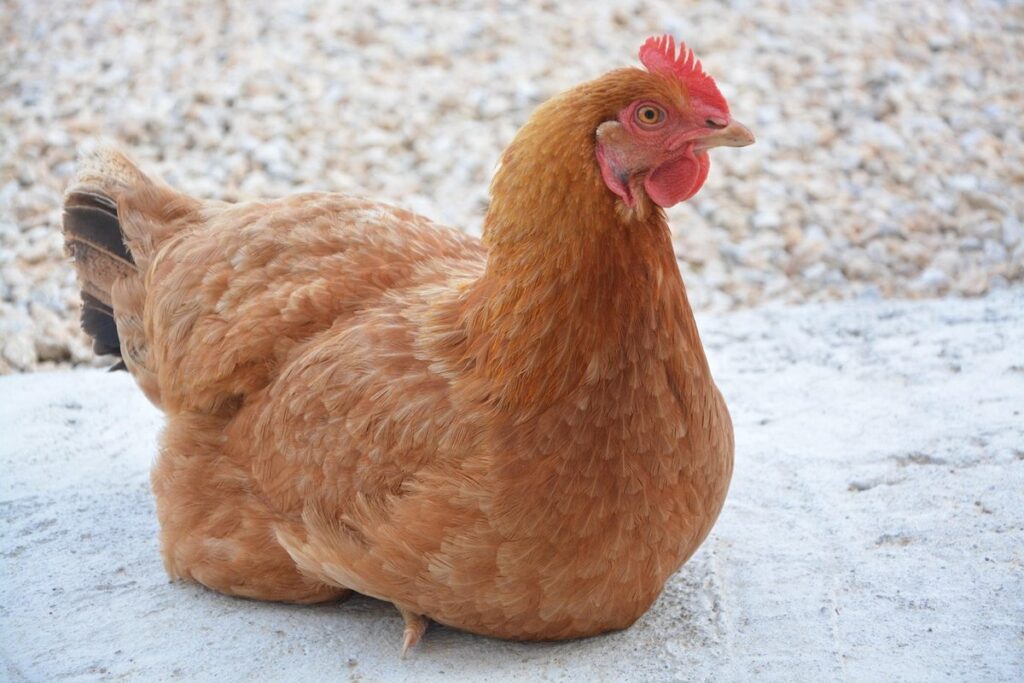
Understanding Chicken Behavior and Cycles
To get a better grasp of why chickens lay eggs at certain times, let’s dive into understanding their natural behavior and cycles that influence egg production.
How Chickens’ Natural Rhythms Influence Egg Production
Chickens are diurnal creatures, meaning they follow a natural day-night cycle and are most active during daylight hours. This internal clock affects their behavior, including their egg-laying patterns. As a result, you can expect to see more eggs laid in the morning than at night.
In the wild, chickens would typically forage for food and roost at night, following a natural circadian rhythm that’s regulated by exposure to light and darkness. When kept in backyard coops or commercial farms, this natural cycle isn’t drastically altered, but it still influences their behavior. To encourage optimal egg production, many farmers and chicken enthusiasts mimic the day-night cycle by providing artificial lighting during daylight hours.
By understanding how your chickens’ natural rhythms affect their egg-laying patterns, you can take steps to optimize their environment for peak productivity. This might involve adjusting feeding schedules or incorporating more light sources in your coop to promote daytime activity.
Factors Affecting Daily Egg Laying Patterns
When it comes to daily egg laying patterns, several factors come into play. Light exposure is one of the most significant influences on a hen’s laying cycle. Hens are photoperiod-sensitive, meaning they respond to changes in daylight hours by regulating their reproductive cycles. In natural light-dark cycles, hens typically lay eggs during the morning and early afternoon when daylight hours are longest.
Temperature also plays a crucial role in egg laying. Some breeds, like Leghorns, prefer warmer temperatures around 70°F (21°C) for optimal egg production. Others, such as Orpingtons, thrive in cooler environments between 50°F to 60°F (10°C to 15°C). Understanding your breed’s specific temperature requirements is essential to encourage healthy laying habits.
Breed characteristics are also a significant factor in daily egg laying patterns. Some breeds, like Rhode Island Reds, are known for their consistent laying cycles, while others, such as Silkies, may be less predictable due to their unique temperaments and genetic makeup. By considering your hens’ breed-specific traits, you can create an environment that fosters healthy laying habits.
Keep in mind that individual personalities also play a role in daily egg laying patterns. Hens with more outgoing or assertive personalities might lay eggs at specific times of day based on their social interactions.
The Role of Light in Chicken Egg Production
Light plays a crucial role in chicken egg production, and understanding its impact can help you create an ideal environment for your hens to thrive. We’ll explore how light affects egg laying.
Photoperiodism: How Daylight Hours Impact Hens’ Cycles
Photoperiodism plays a crucial role in regulating hens’ natural egg-laying cycles. This phenomenon is influenced by the duration of daylight hours, with variations affecting the timing and frequency of egg production. In areas with longer daylight hours, typically above 14-15 hours, hens tend to lay eggs more frequently, often peaking between 12 pm and 3 pm. Conversely, shorter daylight periods, often below 10-11 hours, can lead to a decrease in egg production, resulting in fewer eggs laid.
When exposed to changing daylight conditions, hens adjust their internal clock accordingly, synchronizing their reproductive cycle with the new photoperiod. This adaptation is essential for hens’ survival and success as it allows them to optimize energy expenditure according to available resources. For instance, during the winter months when daylight hours are shorter, hens may experience a natural decrease in egg production, only increasing again when daylight hours lengthen.
To manage hens’ egg-laying cycles effectively, ensure their coop receives sufficient light during the desired photoperiod. You can also supplement with artificial lighting to mimic longer daylight conditions, especially during winter months or areas with limited daylight.
Light Exposure Requirements for Optimal Egg Laying
When it comes to optimal egg production, light exposure plays a crucial role. Hens need adequate daylight hours to stimulate their natural instincts and regulate their circadian rhythms, which is essential for healthy egg laying. Generally, chickens require around 14-16 hours of daylight to produce eggs at their peak.
However, artificial lighting systems can provide supplemental lighting during the winter months or in areas with limited natural light. But it’s essential to note that not all artificial lights are created equal. LED and fluorescent lights are often used in chicken coops as they emit minimal heat and are energy-efficient.
When setting up an artificial lighting system, make sure to follow these guidelines: start with a 14-16 hour day and adjust as needed based on the hens’ response. Also, position the light source at a comfortable height to prevent glare and ensure even illumination. Remember that too much or too little light can disrupt egg production, so monitoring your flock’s behavior and adjusting the lighting system accordingly is vital.
A good rule of thumb is to provide around 1-2 watts of artificial light per square foot of coop space. This will help maintain a healthy balance between daylight hours and supplemental lighting.
Identifying Peak Egg-Laying Times for Your Flock
To maximize your flock’s egg production, it’s essential to pinpoint their peak laying times, which can vary depending on breed and individual bird characteristics. Let’s dive into identifying these optimal moments.
Morning, Afternoon, and Evening Peaks: What to Expect
As you’re trying to identify peak egg-laying times for your flock, it’s essential to understand that different breeds tend to exhibit these patterns during specific periods of the day. For instance, Leghorns and other light-breed chickens are known to lay most of their eggs in the morning, typically between 6-10 am. In contrast, heavier breeds like Orpingtons often peak in the afternoon, around 2-4 pm.
Factors influencing these patterns include individual bird characteristics, breed-specific traits, and environmental conditions such as temperature and light exposure. For example, some chickens may lay more eggs during warmer months when daylight hours are longer. It’s also worth noting that hens tend to slow down their egg production towards the end of each cycle, resulting in a natural dip in peak times.
To maximize your flock’s productivity, observe your birds’ individual patterns and adjust your expectations accordingly. Keep a daily log to track which hens lay at what time and make adjustments to your feeding schedule or coop management as needed. This will help you anticipate and prepare for your flock’s peak egg-laying periods throughout the day.
Factors Affecting Daily Egg Production: Breed-Specific Considerations
When it comes to daily egg production, different chicken breeds have unique characteristics that affect their natural cycles and requirements. For instance, Leghorns are known for their high egg-laying capacity, producing an average of 280-300 eggs per year. However, they require a diet rich in calcium and protein to maintain their optimal egg production.
On the other hand, Orpingtons, while not as prolific layers as Leghorns, have a higher feed conversion ratio, meaning they can produce more eggs with less food. Their slower growth rate also allows them to mature more slowly, reducing the risk of reproductive problems.
When selecting breeds for your flock, consider their natural cycles and requirements. For example, if you’re looking for high egg production, Leghorns may be a good choice. However, if you prefer a breed with a lower feed requirement and slower growth rate, Orpingtons could be an excellent option. Researching the specific characteristics of different breeds will help you make informed decisions about your flock’s daily egg production.
It’s also essential to note that some breeds are more sensitive to temperature fluctuations, humidity, or light exposure than others. For example, Marans and Welsummers have a higher tolerance for cold temperatures, while Easter Eggers may be more susceptible to heat stress. By understanding the specific needs of your breed, you can create an optimal environment that supports their natural egg-laying cycles.
Tips for Encouraging Regular Egg Laying Throughout the Day
To get your girls producing eggs consistently throughout the day, it’s essential to understand their natural laying patterns and create a daily routine that supports their needs. By implementing these simple tips, you’ll be well on your way to maximizing egg production.
Strategies for Improving Morning Egg Production
When it comes to morning egg production, many chicken keepers wonder what they can do to encourage their hens to lay eggs early in the day. One effective strategy is to adjust the lighting schedule in your coop. Hens are creatures of habit and often associate natural light with the morning laying period. By introducing artificial light in the morning, you can trick them into thinking it’s time to lay eggs.
You can start by using a timer to simulate a sunrise effect. This involves gradually increasing the light intensity over a set period, typically 15-30 minutes. For example, if your coop has a dim red light, switch to a brighter white light at around 6:00 am. You can also experiment with different color temperatures or adjust the duration of the lighting cycle.
Some chicken keepers swear by sound stimulation techniques, such as playing bird songs or nature sounds in the morning. These can help signal to your hens that it’s time to lay eggs and may even encourage them to start their day earlier than usual.
Afternoon and Evening Egg-Laying Hints: How to Make the Most of Natural Cycles
If you’ve observed that your hens tend to lay more eggs during the afternoon and evening periods, it’s essential to capitalize on these natural cycles. To make the most of this egg-laying pattern, consider implementing strategies tailored to these times.
Start by adjusting their feeding schedule to coincide with the increased egg production. Feed your hens a substantial meal in the late morning or early afternoon to give them the energy boost they need for laying eggs in the afternoon. This will also encourage them to stay active and engaged during this period.
Another approach is to provide shade and shelter from the heat, as many breeds tend to lay more comfortably when temperatures are milder. Consider adding some extra ventilation to their coop or run to ensure optimal airflow, keeping your girls comfortable and relaxed in the evening hours.
Make sure to also schedule regular cleaning and maintenance during these periods, taking advantage of the reduced activity levels to perform tasks that would otherwise be challenging with birds actively foraging and exercising.
Common Challenges and Solutions for Irregular Egg Laying
When you notice your hens aren’t laying eggs as regularly as they should, it’s normal to worry that something’s wrong. We’ll tackle common challenges and solutions to get their egg-laying back on track.
Recognizing Signs of Stress or Disruption in Your Flock’s Cycle
As you monitor your flock’s egg-laying habits, it’s essential to recognize potential signs of stress or disruption that may be affecting their regular cycle. Changes in the environment can be a common cause of irregular egg laying. For instance, introducing new chickens to the coop, moving the nesting boxes, or even changes in temperature or lighting can all contribute to stress.
Watch for subtle behavioral changes such as decreased appetite, increased aggression, or withdrawn behavior. Chickens may also exhibit changes in their droppings, becoming more frequent or loose. Keep an eye on your flock’s overall health and well-being. If you notice any of these signs, try to identify the source of the stress and take corrective action.
Some tips for mitigating stress include providing a safe and quiet environment, maintaining a consistent routine, and ensuring adequate food and water. You can also consider rotating feed or adding supplements to support your flock’s health.
Addressing Underlying Issues: Strategies for Improving Hens’ Health and Well-being
Maintaining a healthy flock is crucial to encouraging regular egg-laying. One key aspect of this is balanced nutrition. Ensure that hens have access to a high-quality layer feed and supplement their diet with calcium-rich foods, such as crushed eggshells or dark leafy greens. A well-planned diet will help prevent nutritional deficiencies that can lead to irregular laying.
Regular care routines also play a significant role in maintaining a healthy flock. This includes providing hens with sufficient space to move around, clean living conditions, and adequate ventilation. Regular cleaning of the coop and run helps prevent the buildup of bacteria and parasites that can affect egg-laying.
In addition to nutrition and care, optimal living conditions are essential for hens’ health and well-being. Provide a safe and comfortable environment by ensuring adequate light, temperature control, and protection from predators. A healthy flock is more likely to exhibit regular laying patterns, so address any underlying issues as soon as possible.
Conclusion: Optimizing Your Flock’s Natural Cycles for Maximum Egg Production
In conclusion, understanding your flock’s natural egg-laying cycles can make a significant difference in maximizing egg production. By observing and responding to their individual rhythms, you can create an optimal environment that encourages regular laying. This might involve adjusting feeding schedules, providing adequate light exposure, or even creating a quiet nesting area to reduce stress. For example, if you notice your hens tend to lay eggs early in the morning, consider offering a nutritious breakfast or placing their feeders nearby to encourage them to forage before laying. By being attuned to their natural cycles and making adjustments accordingly, you can create a harmonious and productive flock that thrives on regular egg production.
Frequently Asked Questions
How can I identify peak egg-laying times for my flock?
Identify the optimal time by observing your hens’ natural behavior and patterns over a few weeks. Note down when most eggs are laid, considering both morning, afternoon, and evening peaks. Use this information to adjust your daily routine and schedule tasks accordingly.
What if I notice irregularities in my hens’ egg-laying cycles?
Irregularities can be caused by various factors like stress, nutrition, or breed characteristics. Monitor your flock’s behavior and check for signs of health issues. Ensure they have access to fresh food, water, and a clean living environment. Adjust their diet and provide enough light exposure to help regulate their natural cycles.
How can I encourage regular egg-laying throughout the day?
Implement strategies like providing a consistent routine, adequate light exposure, and maintaining optimal temperatures between 60-70°F (15-21°C). Ensure hens have enough space for exercise and perches. Consider supplementing their diet with calcium-rich foods to support strong eggshell production.
Can I still get regular eggs from my flock during winter months?
Yes. Chickens can adapt to changes in daylight hours, but their natural rhythms might shift due to shorter days. Supplement with artificial lighting that mimics natural daylight conditions (14-16 hours of light) to maintain optimal egg-laying cycles.
What if I have a small flock and only one hen stops laying eggs suddenly?
Consult with a veterinarian or poultry expert to determine the cause behind the sudden drop in egg production. Factors such as health issues, stress, or nutritional deficiencies should be addressed promptly to encourage your hen’s return to normal laying patterns.