
Are you on the hunt for a unique and charming addition to your backyard flock or perfect pet? Look no further than the Bantam Frizzle chicken! This delightful breed has been stealing hearts with its fluffy, crinkled feathers and playful personality. But what’s behind this bird’s irresistible charm? In this article, we’ll delve into the history of the Bantam Frizzle, exploring their origins and how they’ve become a favorite among backyard enthusiasts and pet owners alike. We’ll also cover essential care requirements, temperament traits, and more, so you can make an informed decision about bringing home your very own Bantam Frizzle chicken. Whether you’re a seasoned poultry owner or just starting out, this breed is sure to captivate and delight!
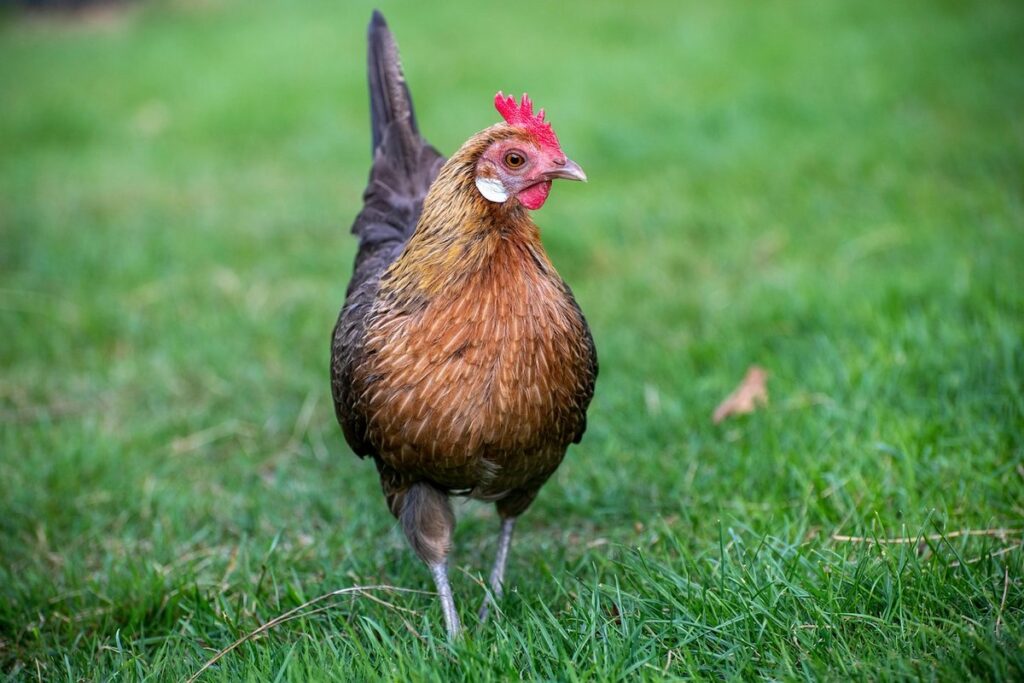
What are Bantam Frizzle Chickens?
If you’re new to bantam frizzle chickens, let’s start at the beginning and explore what makes these adorable birds so unique and endearing to many backyard chicken keepers.
Origin and History of the Breed
Bantam Frizzle chickens have an intriguing history that spans centuries. Originating from the Indian subcontinent and Southeast Asia, these birds were highly valued for their unique frizzy plumage. The term “frizzle” is believed to have originated from the Old English word “frysse,” which means “curly.” This distinctive characteristic made Bantam Frizzle chickens stand out from other breeds.
Their history dates back to the 17th century, when European traders brought them back to their homeland as exotic pets. Breeders began experimenting with cross-breeding these birds with local varieties, resulting in a unique breed that combined the frizzy feathers with smaller size. Over time, Bantam Frizzle chickens gained popularity among backyard chicken keepers and poultry enthusiasts due to their small space requirements and affectionate nature.
In the late 19th century, several breed clubs emerged, recognizing the distinct characteristics of Bantam Frizzle chickens. The American Poultry Association officially recognized the breed in 1874. Today, these birds continue to captivate chicken enthusiasts worldwide with their lively personalities and stunning appearance.
Physical Characteristics of Bantams
Bantam Frizzle chickens are known for their unique and adorable appearance. One of the most distinctive physical characteristics of this breed is their size. Bantams are miniature versions of regular chickens, weighing between 1-2 pounds (0.5-1 kg) on average. Their compact stature makes them a popular choice for backyard chicken keepers who want to raise chickens in small spaces.
Their beak shape is another notable feature of the Bantam Frizzle. The beak is relatively short and curved, with a slight upward turn at the tip. This unique beak shape helps them to peck at food efficiently without straining their neck muscles.
The plumage of Bantam Frizzle chickens is perhaps their most striking feature. They have a distinctive frizzy or “fluffed” appearance due to their unique feather structure. Their feathers are shorter and more rounded than those of regular chickens, giving them a puffy and endearing look.
When choosing a Bantam Frizzle chicken, it’s essential to consider these physical characteristics to ensure you’re getting a healthy bird that will thrive in its environment.
Temperament and Personality
When it comes to bantam frizzle chickens, their temperament and personality can be quite endearing and entertaining. Let’s explore what makes these birds so charming and unique.
Friendly and Affectionate Nature
One of the most delightful characteristics of Bantam Frizzle chickens is their friendly and affectionate nature. They make wonderful pets for families with children, as they are gentle, social, and love human interaction. In fact, it’s not uncommon to see a Bantam Frizzle chicken hopping around its owner’s feet or even perching on their lap.
Their amiable disposition makes them an excellent choice for backyard flocks, where they will happily integrate with other breeds. With proper handling and socialization from an early age, Bantam Frizzles can become incredibly tame and enjoy being petted, cuddled, and even kissed (although this may not be to everyone’s taste!). They are also known to be relatively quiet compared to some other breeds, making them a great option for apartment dwellers or those who live in close proximity to neighbors.
If you’re considering bringing a Bantam Frizzle into your family, be prepared for a lifelong friendship. With patience, love, and proper care, these charming birds will reward you with years of companionship and affection.
Intelligence and Trainability
Bantam Frizzle chickens are surprisingly intelligent and trainable birds. They have a strong desire to please their owners and can learn a variety of tricks and commands with patience and consistency. In fact, many Bantam Frizzle enthusiasts swear by the breed’s ability to master complex tasks like navigating obstacle courses or even performing simple math problems.
When it comes to training your Bantam Frizzle, start with short sessions (around 5-10 minutes) and focus on one task at a time. Use positive reinforcement techniques such as treats and praise to encourage good behavior. Be sure to set clear boundaries and use consistent commands to avoid confusing your bird.
Some owners have even reported teaching their Bantam Frizzles to perform tricks like shaking hands, spinning around in circles, or even playing fetch! With time and practice, these intelligent birds can become beloved companions that entertain and engage their owners. Remember to be patient and gentle when training your Bantam Frizzle, as they can be sensitive to stress and overstimulation.
By committing to a consistent training schedule and using positive reinforcement techniques, you can unlock the full potential of your Bantam Frizzle’s intelligence and trainability.
Care and Management
To keep your bantam frizzle chickens happy and healthy, it’s essential to understand their specific care requirements. This includes feeding, housing, and routine maintenance needs.
Housing and Environment Requirements
When it comes to providing a happy and healthy environment for your Bantam Frizzle chickens, their housing requirements are crucial. These birds need space to move around comfortably, which means you’ll want to consider a coop that’s at least 2-3 square feet per bird in floor space. The ideal coop size will also depend on the number of birds you have and whether they’re housed alone or with other chickens.
A well-ventilated coop is essential for maintaining good air quality, which is vital for your chickens’ health. You can ensure proper ventilation by including windows and vents that allow fresh air to circulate freely. Lighting requirements are also important – Bantam Frizzles need 14 hours of light per day during their laying period, so you may want to consider installing supplemental lighting in the coop.
Consider a minimum of 6-8 inches of roosting bar space for each bird to accommodate their frizzy feathers. You can also include a nesting box or two to encourage egg-laying and make cleaning up after your girls a breeze.
Diet and Nutrition
Bantam Frizzle chickens have specific dietary needs that must be met to ensure their optimal health and well-being. As a responsible owner, it’s essential to provide them with a balanced diet rich in protein, vitamins, and minerals.
A high-quality layer feed or a combination of grains, proteins, and vegetables should form the basis of your Bantam Frizzle’s diet. Aim to provide around 16-18% protein content in their food, which is slightly higher than what large breed chickens require. You can supplement with mealworms, sunflower seeds, or cracked corn for added variety and nutrition.
In addition to a good quality commercial feed, make sure your Bantam Frizzle has access to fresh water at all times. It’s also crucial to provide a calcium source such as crushed eggshells or dark leafy greens like kale and spinach to support strong bone development.
When it comes to treats, be mindful not to overindulge your Bantams with high-calorie foods that can lead to obesity. Stick to healthy options like fresh fruits and vegetables, and limit their intake to 10% of their daily diet.
Health Considerations
When keeping bantam frizzle chickens as pets, it’s essential to consider their health needs and potential vulnerabilities to ensure they live long, happy lives. This includes recognizing common health issues that may arise in these unique birds.
Common Health Issues in Bantams
Bantam Frizzle chickens are prone to certain health issues that can be prevented with proper care and attention. Respiratory problems are a common issue among Bantams due to their small lungs and delicate respiratory system. This can make them more susceptible to conditions such as bronchitis, pneumonia, and tracheal stenosis.
Parasites like mites, lice, and fleas can also infest Bantam Frizzle chickens, causing discomfort, stress, and even anemia. Regular cleaning of the coop and run, using diatomaceous earth or powder, and checking for signs of parasites on a daily basis are essential preventative measures.
It’s also crucial to monitor your birds’ behavior and watch for early warning signs of respiratory problems or parasitic infestations. For instance, labored breathing, wheezing sounds, lethargy, or excessive scratching can indicate underlying health issues. If you notice any of these symptoms, consult a veterinarian experienced in poultry care immediately.
To keep your Bantam Frizzle chickens healthy and happy, make sure to provide them with plenty of fresh air, clean water, and balanced nutrition. A well-maintained coop and run will also help prevent disease-carrying pests from entering the area.
Vaccinations and Preventative Care
As a responsible and caring owner of Bantam Frizzle chickens, it’s essential to prioritize their health and well-being. Vaccinations and preventative care are crucial aspects of maintaining the overall health of your flock.
Marek’s disease is a significant concern for many chicken owners, including those who keep Bantam Frizzle chickens. This devastating disease can be prevented with proper vaccination protocols. Make sure to consult with a veterinarian about implementing an effective Marek’s disease vaccination program for your flock.
In addition to vaccinations, providing regular check-ups and preventative care measures will help maintain the health of your Bantam Frizzle chickens. Here are some practical tips:
* Keep your coop clean and well-ventilated to prevent respiratory issues
* Provide a balanced diet rich in protein and essential vitamins and minerals
* Monitor your birds regularly for signs of illness or injury, such as changes in appetite, drooping wings, or difficulty breathing
* Practice good biosecurity measures to prevent the spread of disease
By following these guidelines, you can significantly reduce the risk of diseases affecting your Bantam Frizzle chickens.
Breeding and Showing
When it comes to breeding and showing bantam frizzle chickens, you’ll want to know the ins and outs of selecting the right bloodlines for your flock. Let’s dive into the world of championship winners!
Breeding Programs and Guidelines
When it comes to breeding Bantam Frizzle chickens, selecting the right birds for your program is crucial. You’ll want to focus on individuals that exhibit the ideal frizzle feathering pattern and meet the breed standard. When evaluating potential breeding stock, look for birds with a well-defined frizzle pattern on their neck, shoulders, and back. Avoid birds with over-frizzling or under-frizzling as this can be detrimental to the overall health of the breed.
In terms of genetics, Bantam Frizzles are a relatively straightforward breed to work with. They’re a single-gene trait, meaning that the frizzle gene is controlled by a single pair of chromosomes. However, this doesn’t mean you should ignore genetic considerations altogether. Be sure to maintain a diverse breeding pool to avoid inbreeding and minimize the risk of inherited health problems.
When developing your breeding program, prioritize birds with good temperament, egg-laying ability, and overall health. This will help ensure that your Bantam Frizzle chickens are not only beautiful but also robust and well-suited for life on the farm or in the backyard.
Showing and Competition Rules
When it comes to showing and competing with your Bantam Frizzle chickens, understanding the rules and standards is crucial for success. The American Bantam Association (ABA) and the American Poultry Association (APA) are two prominent organizations that govern the showing of Bantam Frizzles.
To show a Bantam Frizzle in competition, you’ll need to meet specific breed standards, which include plumage quality, beak shape, and leg type. Judges will evaluate your bird’s conformity to these standards, as well as its overall appearance, temperament, and movement.
In a typical showing competition, birds are judged on a scale of 1-9, with 5 being the ideal score. Points are deducted for deviations from breed standards or for any perceived flaws. For example, if your Bantam Frizzle’s frill is not well-developed or its beak is too short, you can expect to lose points.
To increase your chances of success, focus on selecting healthy birds with excellent plumage and a well-balanced appearance. Practice handling and preparing your birds for competition by getting them used to being weighed, measured, and evaluated in a calm and stress-free environment.
Conclusion
Now that you’ve learned all about the fascinating world of Bantam Frizzle Chickens, let’s summarize the key takeaways from our journey together.
Recap of Key Points
As we conclude our ultimate guide to Bantam Frizzle chickens, let’s recap the key points that will help you successfully raise and care for these unique birds. You now know that Bantam Frizzles are a small breed of chicken, weighing between 1-2 pounds, with a lifespan of around 10-12 years.
They have a distinctive frizzy or wavy coat, which requires regular grooming to prevent matting and tangling. Their feathers also shed heavily, so be prepared for a lot of fluff! Bantam Frizzles are known for their friendly and curious nature, making them an excellent choice as pets or additions to backyard flocks.
In terms of living conditions, Bantam Frizzles require plenty of space to move around and exercise. A secure coop with adequate ventilation is essential, along with a fenced run to prevent escape attempts. With proper care and attention, these charming birds will thrive in their new environment and bring endless joy and entertainment to your family.
Remember, every chicken has its own personality, so be prepared for some surprises! By following the tips and advice outlined in this guide, you’ll be well-equipped to provide a happy and healthy home for your Bantam Frizzle.
Final Thoughts and Recommendations
If you’re considering bringing Bantam Frizzle chickens into your life, whether as pets or additions to your backyard flock, we hope this ultimate guide has provided you with the knowledge and confidence to make an informed decision. As you weigh the pros and cons of these charming birds, remember that they thrive on attention, social interaction, and regular exercise.
To ensure their happiness and well-being, it’s essential to provide a spacious enclosure or run where they can freely roam and engage in natural behaviors. A minimum square footage of 2-3 square feet per bird is recommended, with adequate ventilation and protection from harsh weather conditions. Don’t forget to supply plenty of fresh water, high-quality feed, and regular treats.
When it comes to health considerations, Bantam Frizzles are generally a hardy breed but can be prone to feather pecking and other behavioral issues if not provided with sufficient stimulation. Regular veterinary check-ups and monitoring for signs of illness or stress will help you catch any potential problems early on. By being proactive and responsive to their needs, you’ll create a happy and healthy environment for your Bantam Frizzle flock.
When it comes to breeding and showing Bantam Frizzles, consider the breed standard and focus on developing birds with excellent feather quality, temperament, and conformation. Networking with other breeders and joining local poultry clubs will provide valuable resources and support as you navigate the world of competitive chicken keeping.
Frequently Asked Questions
Can I get a Bantam Frizzle chicken as a pet if I live in an apartment?
Yes, with proper care and attention to their needs, Bantam Frizzle chickens can thrive in apartment settings. However, it’s essential to research local regulations regarding backyard chickens and consider factors like noise levels, space, and social interaction for your feathered friend.
How do I introduce my new Bantam Frizzle chicken to my existing flock?
When introducing a new bird to your flock, start by keeping them separate and allowing them to get familiar with each other’s scents and sounds. Gradually increase their face-to-face interactions under close supervision, ensuring a smooth transition for both birds.
Are Bantam Frizzle chickens suitable for families with children?
Bantam Frizzle chickens can make great additions to families with children, but it’s crucial to teach kids how to handle them gently and respectfully. Supervise interactions closely to avoid accidental harm or stress on either the child or the bird.
Can I breed my own Bantam Frizzle chickens for showing and competition?
To breed show-quality Bantam Frizzle chickens, you’ll need to research local breeding programs, follow specific guidelines, and understand the requirements for showing and competition. Familiarize yourself with breed standards, and consider consulting an experienced breeder or mentor for guidance.
How do I ensure my Bantam Frizzle chicken stays healthy in extreme weather conditions?
To protect your Bantam Frizzle chickens from heat stress or cold temperatures, provide adequate shelter, ventilation, and shade during hot months. In colder climates, offer extra bedding, insulation, and a warm place to roost. Always monitor their behavior and adjust their environment accordingly.