
Are you thinking of adding some new feathered friends to your backyard flock or maybe starting a small farm? Look no further than the Rhode Island Red hen, one of the most popular and beloved breeds for good reason. With their rich history dating back to the 19th century, these birds have been prized by farmers and backyard enthusiasts alike for their exceptional egg-laying abilities. Not only do they consistently produce high-quality eggs, but they’re also known for their friendly and docile temperament, making them a great choice for families or beginners.
If you’re considering bringing Rhode Island Reds into your life, this article will be a valuable resource as we delve into the ins and outs of caring for these wonderful birds. We’ll cover everything from their specific needs to breeding and raising tips, giving you the confidence to make informed decisions about adding these lovable hens to your flock.
History and Origin of the Rhode Island Red Hen
Let’s dive into where these iconic birds came from, exploring their fascinating history that spans centuries and continents. Their origins are rooted in Europe, but it wasn’t until they reached America that they truly flourished.
Early Development in America
The development of the Rhode Island Red hen began in earnest during the early 19th century. This was an era when cross-breeding different poultry breeds became a popular practice among American farmers. The goal was to create birds that were not only hardy and disease-resistant but also exceptionally prolific egg-layers.
One of the foundation breeds used in developing the Rhode Island Red was the Malay, a sturdy and energetic bird known for its remarkable egg-producing capabilities. Another key breed contributor was the Cochin, prized for its gentle nature and impressive size. By combining these traits with other desirable characteristics, early breeders were able to create a flock that would eventually become synonymous with American backyard poultry.
The process of selective breeding involved carefully selecting individual birds with exceptional qualities and then crossing them with other top performers to enhance those traits in their offspring. This approach allowed farmers to rapidly develop the Rhode Island Red into one of the most popular egg-laying breeds in the United States, renowned for its rich brown eggs and impressive production capabilities.
Key Characteristics that Defined the Breed
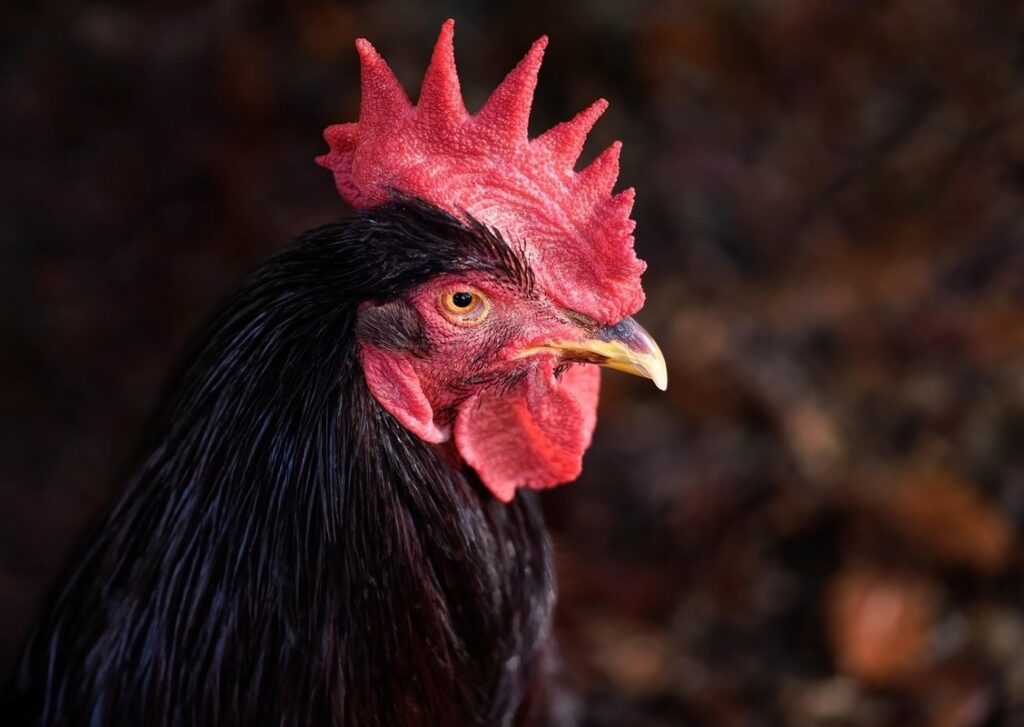
One of the most recognizable features that defines the Rhode Island Red Hen is its distinctive appearance. With its rich, chestnut-brown plumage and striking gold tips on the wings and tail, this breed is a standout among other chicken varieties. But it’s not just their looks that make them special – their friendly temperament is another key characteristic that has earned them a loyal following.
Rhode Island Reds are known for being docile, gentle, and social birds that thrive in the company of humans. They’re often described as “easy-going” and are a great choice for families with children or for backyard chicken keepers who want a low-maintenance but rewarding pet. Their calm nature also makes them an excellent addition to small farms and homesteads where they can help with pest control and egg production.
In terms of egg-laying, Rhode Island Reds are truly exceptional. They’re prolific layers that can produce up to 300 large brown eggs per year, making them a popular choice among backyard chicken enthusiasts and commercial farmers alike. Their impressive egg production is due in part to their robust constitution and high metabolism, which allows them to maintain a consistent level of productivity throughout the year.
Physical Characteristics of the Rhode Island Red Hen
The Rhode Island Red hen is known for its distinctive physical features, which set it apart from other breeds. Let’s take a closer look at its size, plumage, and other key characteristics that make it so recognizable.
Size and Weight
When it comes to the physical characteristics of Rhode Island Reds, one of the most noticeable features is their size. These birds are considered a medium to large-sized breed, which means they have plenty of room to move around and require adequate space to roam.
For roosters, you can expect them to weigh anywhere from 8-12 pounds, making them quite impressive in terms of size. Hens, on the other hand, tend to be slightly smaller, weighing between 6-10 pounds. While this may not seem like a significant difference, it’s essential to consider when choosing the right bird for your flock.
In terms of practical advice, if you’re planning to raise Rhode Island Reds, make sure to provide them with enough space to move around comfortably. A good rule of thumb is to allocate at least 2-4 square feet per bird inside the coop and 8-10 square feet in the run. This will help prevent overcrowding and keep your birds healthy and happy.
When it comes to feeding, keep in mind that Rhode Island Reds are a medium-sized breed, which means they require a balanced diet to maintain their weight. Aim to provide them with high-quality feed that meets their nutritional needs, and supplement with fruits and vegetables as treats to encourage healthy eating habits.
Plumage and Feathering
One of the most distinctive and attractive features of the Rhode Island Red hen is its beautiful plumage. The breed’s coat is a deep reddish-brown color with a subtle sheen that catches the light, making it a stunning sight to behold. But what really sets this breed apart is its feathering – soft, fluffy, and perfectly proportioned to their sturdy frame.
When it comes to caring for your Rhode Island Red hen’s plumage, there are a few things to keep in mind. Firstly, make sure they have plenty of space to move around and exercise outdoors. Regular outdoor time will help keep their feathers healthy and shiny, as well as prevent them from becoming matted or tangled.
It’s also essential to provide your hens with a balanced diet that includes a mix of grains, fruits, and vegetables. A nutrient-rich diet will ensure that their feathers stay strong and healthy throughout the year. Regular grooming sessions can also help keep their plumage looking its best – use a soft-bristled brush or comb to gently work out any tangles or mats.
By taking good care of your Rhode Island Red hen’s plumage, you’ll be rewarded with stunning birds that are not only beautiful but also happy and healthy.
Temperament and Personality of the Rhode Island Red Hen
When it comes to the temperament and personality of a Rhode Island Red hen, one thing is clear: these birds are known for their friendly, curious nature. They make wonderful additions to any backyard flock.
Friendly and Docile Nature
One of the most endearing qualities of Rhode Island Reds is their friendly and docile nature. This makes them an excellent choice for families with children or for beginners in poultry-keeping. They are known to be gentle, laid-back, and easy-going, which allows them to thrive in a variety of settings.
In fact, many breeders and owners describe Rhode Island Reds as “laid-back” and “easy-going,” making them an excellent choice for families with young children who may not know how to handle chickens gently. They are also great with other pets, such as dogs and cats, and can even become quite affectionate with their owners.
If you’re a beginner in poultry-keeping, the Rhode Island Red is an excellent breed to start with. They are relatively easy to care for and require minimal maintenance. With proper care and attention, they will reward you with their friendly nature and delicious eggs. So, if you’re looking for a chicken breed that’s perfect for your family or farm, look no further than the Rhode Island Red.
Foraging Ability and Intelligence
When it comes to their foraging ability and intelligence, Rhode Island Red hens truly shine. These birds are known for their keen sense of curiosity and resourcefulness, often venturing out to explore their surroundings in search of food and treats. You might be surprised at how quickly a Rhode Island Red hen can adapt to its environment, figuring out where the best spots to forage for insects, seeds, and other tasty morsels are.
One of the most impressive things about Rhode Island Red hens is their ability to problem-solve. If they’re unable to access food or water in one area, they’ll often try to find an alternative route or solution. For example, if their feeder is out of reach, a clever Rhode Island Red hen might figure out how to knock it over or climb up to get to the treats inside.
If you want to encourage your Rhode Island Red hen’s foraging ability and intelligence, try offering her a variety of foods and hiding them around the yard. This will challenge her problem-solving skills and keep her engaged and active.
Health Considerations for the Rhode Island Red Hen
When it comes to owning a Rhode Island Red hen, understanding their health needs is crucial. This section will guide you through common health issues and tips for keeping your feathered friend happy and healthy.
Common Health Issues
As you raise your Rhode Island Reds, it’s essential to be aware of some common health issues that can affect this beloved breed. One of the most significant concerns is obesity, which can lead to a range of other problems, including respiratory issues and reduced egg production. To prevent obesity, ensure your hens have plenty of space to roam and engage in physical activity. A balanced diet that meets their nutritional needs is also crucial.
Feather pecking is another issue that can arise among Rhode Island Reds, particularly if they’re not provided with enough enrichment activities or are under social stress. This behavior can lead to damage to the hens’ feathers and even their internal organs in severe cases. To mitigate feather pecking, provide your hens with a variety of toys and scratching posts to keep them occupied.
Reproductive problems, such as egg yolk peritonitis and prolapse, are also common among Rhode Island Reds. Regular health checks and a balanced diet can help prevent these issues. Consult with a veterinarian for guidance on maintaining the reproductive health of your hens.
Tips for Maintaining Optimal Health
Providing a balanced diet for your Rhode Island Red hens is essential to maintaining their optimal health. A high-quality layer feed should be the main staple of their diet, supplemented with fresh fruits and vegetables. Consider offering a mix of leafy greens like kale and spinach, along with fruits such as berries or apples. Avoid giving them avocado, onions, or chocolate, as these can be toxic.
Access to clean water is also crucial for your hens’ health. Ensure that their watering system is free from contamination and changed frequently. A good rule of thumb is to change the water daily, especially in warm weather. By providing a stress-free environment, you’ll reduce the likelihood of health issues. This can be achieved by providing adequate space for exercise, reducing noise levels, and minimizing handling.
Regular monitoring of your hens’ overall health will also help identify any potential problems early on. Keep an eye out for signs of illness or injury, such as changes in appetite, lethargy, or visible injuries. By staying vigilant and making a few simple adjustments to their living environment, you can help keep your Rhode Island Red hens happy and healthy.
Breeding and Raising Rhode Island Red Hens
If you’re planning to raise Rhode Island Reds, understanding their breeding and raising requirements is crucial. This includes selecting suitable mates, egg production management, and chick rearing techniques.
Choosing the Right Parents
When it comes to choosing the right Rhode Island Red hens for your flock, there are several desirable traits to look out for. First and foremost, consider egg-laying ability. You want birds that will consistently produce a high number of large, brown eggs throughout the year. Look for hens with a strong pedigree from reputable breeders who have selectively bred their birds for optimal egg production.
But it’s not just about eggs – temperament is also crucial. Rhode Island Reds are known for their friendly and docile nature, but some birds can be more aggressive than others. Opt for hens that are calm and easy-going, especially if you’re a beginner or plan to raise them with children. A good rule of thumb is to observe the bird’s behavior in its natural environment – does it seem relaxed and social, or stressed and aggressive? This will give you a better idea of whether the hen is suitable for your needs.
It’s also essential to consider the health and vitality of the birds. Look for hens with strong immune systems, shiny feathers, and bright eyes. Avoid birds that appear pale, lethargic, or show signs of stress. By selecting hens with these desirable traits, you’ll be well on your way to building a happy and thriving flock.
Tips for Hatchlings and Chicks
When it comes to raising hatchlings and chicks, new Rhode Island Red owners often find themselves wondering what they need to do to ensure their young birds thrive. The first step is to provide them with a nutritious diet that meets their growing needs. You can use a high-quality starter feed specifically formulated for young chickens. It’s also essential to keep the feeding area clean and free from contamination.
In addition to nutrition, providing a safe and comfortable environment is crucial for hatchlings and chicks. Make sure they have access to fresh water at all times and provide enough space to move around comfortably. A heat source such as a brooder or lamp can help regulate their body temperature and keep them warm.
Predators like rats, mice, and snakes pose a significant threat to young chickens. Keep your coop and run secure by installing hardware cloth or chicken wire around the perimeter. Regularly inspect your surroundings for signs of predators and take action if you spot any issues.
Egg-Laying Ability of the Rhode Island Red Hen
One of the most exciting aspects of owning a Rhode Island Red hen is their impressive egg-laying ability, which we’ll dive into in more detail below. These girls are prolific layers, producing large brown eggs consistently throughout the year.
High-Egg Laying Capacity
One of the most impressive aspects of the Rhode Island Red hen is its incredible egg-laying capacity. These hens are renowned for producing an average of 200-220 brown eggs per year, making them a favorite among backyard chicken enthusiasts and commercial farmers alike. But what makes them so prolific?
The key to their high egg-laying ability lies in their robust health, rich diet, and optimal living conditions. Rhode Island Reds require a balanced mix of protein, calcium, and other essential nutrients to support their reproductive cycle. A well-planned feeding schedule, complete with a quality layer feed and occasional treats, can help ensure they’re getting everything they need to thrive.
To maximize your Rhode Island Red’s egg-laying potential, provide them with:
• Adequate space: Ensure each hen has at least 3-4 square feet of space in the coop and 8-10 square feet in the run.
• Optimal lighting: Provide a reliable source of natural light or invest in a high-quality lighting system to promote healthy egg production.
• Regular health checks: Keep an eye out for signs of illness or stress, and address any issues promptly to prevent complications.
By prioritizing their health and well-being, you can help your Rhode Island Red hens reach their full potential and enjoy a bountiful harvest of fresh eggs.
Factors Affecting Egg Production
When it comes to maximizing the egg-laying potential of your Rhode Island Red hen, several key factors come into play. Nutrition is one of the most critical elements, as a balanced diet is essential for maintaining optimal health and reproductive function. A good quality layer feed should be the main staple in their diet, but also ensure they have access to fresh fruits, vegetables, and calcium-rich foods like crushed oyster shells or dark leafy greens.
Health issues can also significantly impact egg production, so it’s crucial to keep a close eye on your hen’s overall health. Regular check-ups with a veterinarian can help identify any potential problems early on, allowing for prompt treatment and minimizing the risk of long-term damage. Management practices, such as adequate space, light, and ventilation in the coop, also play a significant role.
For example, providing around 14 hours of daylight per day can stimulate egg production, while ensuring the coop is well-ventilated can help prevent respiratory problems that may reduce egg-laying capabilities. By paying attention to these factors and making adjustments as needed, you can create an optimal environment for your Rhode Island Red hen to thrive and produce plenty of delicious eggs.
Conclusion: Why the Rhode Island Red Hen Remains a Popular Choice
As you’ve learned about the Rhode Island Red Hen’s history and characteristics, let’s discuss why this breed has endured as a favorite among backyard chicken keepers and farmers alike.
Summary of Key Points
In conclusion, this comprehensive guide has walked you through the many facets of the Rhode Island Red hen. You now know its rich history and origins, from being developed in the 1800s to become a popular breed for farmers and backyard chicken enthusiasts alike.
Its physical characteristics, such as its distinctive red plumage and friendly demeanor, have been highlighted. The temperament of this hardy bird has also been discussed, showcasing how it is known for being docile, easy-going, and adaptable to various living situations.
The Rhode Island Red hen’s impressive egg-laying ability was another key point covered in this guide. On average, a healthy hen can lay around 200-220 brown eggs per year, making them an excellent choice for families or small-scale farmers looking to supplement their household with fresh eggs.
Throughout this comprehensive guide, we’ve aimed to provide you with the essential knowledge and information needed to understand what makes the Rhode Island Red hen such a beloved breed. With its unique blend of charm, hardiness, and impressive egg-laying ability, it’s no wonder why many chicken enthusiasts swear by this breed.
Recommendations for Those Considering this Breed
If you’re considering bringing a Rhode Island Red hen into your life, whether as a beloved pet or for their exceptional egg-laying abilities, there are several factors to carefully consider. Firstly, ensure that you have sufficient space to accommodate their needs. These hens require at least 4-5 square feet of space per bird inside the coop and around 8-10 square feet in an outdoor run.
It’s also essential to understand that Rhode Island Reds are social birds and thrive on interaction. You’ll need to spend quality time with them daily, providing a stimulating environment through activities such as foraging, scratching, and dust bathing. Moreover, be prepared to commit to regular egg collection – these hens can lay around 200-220 brown eggs per year.
When introducing a new Rhode Island Red hen to your flock or backyard, do it gradually. This will help minimize stress on both the bird and existing pets. Also, don’t forget to prioritize their health by providing a balanced diet rich in calcium for strong eggshell production and regular veterinary check-ups.
Frequently Asked Questions
How do I introduce new Rhode Island Red hens to my existing flock?
When introducing new birds, it’s essential to ensure a smooth transition for both the new and established members of your flock. Start by placing the new birds in a separate enclosure or area where they can get accustomed to their surroundings without being exposed to potential stressors. Once they seem comfortable, begin supervised interactions between the groups under close observation.
What are some common health issues I should be aware of when raising Rhode Island Red hens?
Rhode Island Reds, like other breeds, can be prone to certain health issues such as leg problems, obesity, and respiratory infections due to their large size and high energy levels. Regular monitoring of your birds’ overall health through weight checks, egg quality, and behavior changes is crucial. Providing adequate space for movement, a balanced diet, and maintaining good hygiene practices are also vital in preventing these conditions.
Can I keep Rhode Island Red hens in small backyard spaces?
While the Rhode Island Reds can thrive in various settings, they do require enough room to move around comfortably due to their size. A minimum of about 2-3 square feet per bird inside and significantly more space outside for free-roaming is advisable. If you’re considering a smaller area, ensure that it’s well-equipped with adequate feeding and nesting facilities to meet their needs.
How often should I collect eggs from my Rhode Island Red hens?
Rhode Island Reds are prolific layers, typically producing one large brown egg per day. To encourage continued high productivity, it’s recommended to collect eggs daily to prevent breakage within the coop and reduce stress on the birds. A consistent collection routine also allows for closer monitoring of their overall health and reproductive patterns.
What should I do if my Rhode Island Red hens stop laying eggs?
A decrease in egg production can be caused by various factors including nutritional deficiencies, health issues, or age-related decline. If you notice a drop in egg output, investigate potential causes through regular health checks, dietary adjustments, and environmental modifications. Providing supplemental calcium and a balanced diet specifically formulated for layers can also help stimulate continued productivity.