
If you’re considering adding some unique charm to your backyard flock, look no further than the adorable frizzle bantam chicken. With their distinctive curly feathers and compact size, these birds are sure to captivate anyone who lays eyes on them. But beyond their endearing appearance, frizzle bantams also make wonderful pets and show-stopping exhibition birds. If you’re new to raising chickens or simply want to learn more about these lovable birds, our ultimate guide is here to help. In this article, we’ll delve into the specific care requirements of frizzle bantams, including their housing needs, diet, and health considerations. We’ll also cover the exhibition standards for showing frizzle bantams and provide expert tips on how to breed and raise these birds successfully. Whether you’re a seasoned chicken enthusiast or just starting out, this guide will give you everything you need to know about raising happy and healthy frizzle bantam chickens.
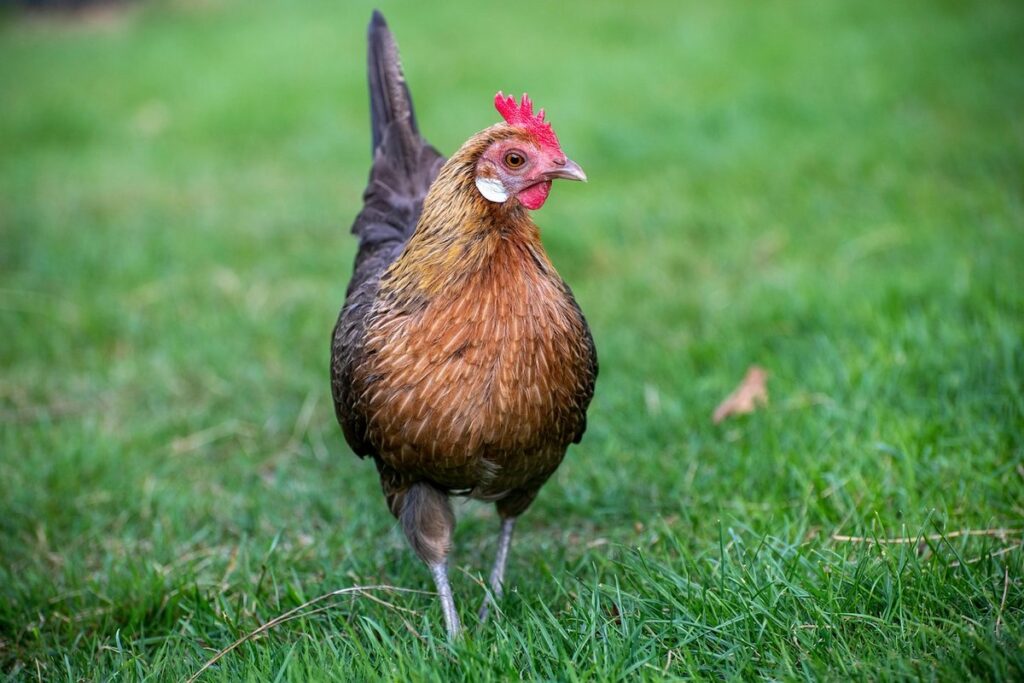
Characteristics and History
Frizzle Bantam chickens have a unique appearance that’s been admired for centuries, but their distinctive look is just one aspect of their fascinating history. Let’s take a closer look at what makes these birds so special.
Origins of the Frizzle Bantam
The origins of the frizzle bantam chicken breed are shrouded in mystery and steeped in history. With records dating back to the 16th century, it’s clear that this charming breed has been delighting European farmers and enthusiasts for centuries.
At first glance, the frizzle bantam might seem like a relatively modern creation, with its unique crest and ruffled feathers making it stand out from other chicken breeds. However, closer examination reveals connections to some of Europe’s oldest and most respected chicken breeds, including the Polish and Houdan. It’s possible that these influences helped shape the frizzle bantam into the delightful and distinct breed we know today.
Some historians believe that the frizzle bantam was first developed in France or England during the 16th century, where they were prized for their unique appearance and compact size. As trade and cultural exchange flourished between European countries, the frizzle bantam’s popularity spread across the continent, earning it a special place in the hearts of chicken enthusiasts everywhere.
While we may never know the exact details of the frizzle bantam’s early days, one thing is certain: this breed has been enchanting people for centuries with its quirky charm and irresistible cuteness.
Distinctive Features
One of the most distinctive features of frizzle bantam chickens is their unique feather structure. The curved or “frizzled” shape gives them a charming, endearing appearance that’s hard to resist. But what exactly causes this unusual look? It all comes down to genetics – specifically, a genetic mutation that affects the way the feathers grow.
This mutation leads to feathers growing in an irregular, crinkled manner, rather than the smooth, flat shape you’d find on most other breeds. The result is a bird with an unmistakable appearance that’s both adorable and eye-catching. If you’re considering bringing home a frizzle bantam, be prepared for plenty of attention – their looks are sure to turn heads!
When it comes to grooming, don’t worry about those pesky frizzled feathers getting in the way. Frizzle bantams are relatively low-maintenance when it comes to feather care, as their unique shape helps prevent matting and tangling. This makes them an excellent choice for busy chicken keepers or those new to raising backyard flocks. With proper care and attention, your frizzle bantam will thrive – and look fabulous while doing so!
Size and Weight Variations
Frizzle bantams come in various sizes, which can be categorized into different weight classes. This diversity is beneficial for breeders and owners as it allows them to choose a size that suits their needs and preferences.
The most common weight classes among frizzle bantam chickens include the miniature (under 1 pound), small standard (1-2 pounds), and large standard (over 2 pounds). Miniature frizzles are ideal for apartment dwellers or those with limited space, as they require minimal care and can thrive in compact enclosures. However, their small size also means they may be more vulnerable to predators.
Breeders often prefer the small standard weight class, which offers a balance between size and egg-laying capacity. These birds are relatively easy to manage and can provide a steady supply of eggs for owners who keep them for personal consumption. Large standard frizzles, on the other hand, are better suited for experienced breeders or those with ample space to accommodate their needs.
It’s essential to research and understand the specific size requirements for your local region, as some cities may have regulations regarding backyard chickens.
Care and Management
To keep your frizzle bantam chickens happy and healthy, proper care and management are crucial. This includes knowing what to feed them, how much space they need, and more!
Diet and Nutrition Requirements
When it comes to feeding your frizzle bantams, you’ll want to make sure they’re getting the right balance of nutrients to maintain their unique feather structure. These little chickens require a diet rich in protein, vitamins, and minerals to keep their feathers looking their best.
A good quality layer feed is essential for frizzle bantams, as it provides them with the necessary protein and calcium to support feather growth. However, you may need to supplement their diet with additional nutrients depending on their age and level of activity. For example, if your chickens are laying eggs, they’ll require more calcium to strengthen their eggshells.
To ensure your frizzle bantams are getting enough nutrients, provide them with a mix of grains, fruits, and vegetables in their feed. Some great options include oats, barley, and wheat, as well as fresh veggies like leafy greens and carrots. Avoid giving them too many high-protein foods, such as mealworms or sunflower seeds, as this can lead to an imbalance in their diet.
Aim to provide your frizzle bantams with a minimum of 16-18% protein content in their feed, and make sure to introduce new foods gradually to prevent digestive upset. With the right diet and regular check-ups, you’ll be able to keep your frizzle bantams happy and healthy for years to come.
Housing and Environmental Considerations
When it comes to providing a suitable environment for your frizzle bantams, housing is one of the most critical considerations. These tiny birds need ample space to roam and exercise, which means choosing a coop that’s proportionate to their needs is essential.
A good rule of thumb is to provide at least 2-3 square feet per bird inside the coop, with an additional 5-10 square feet of outdoor run space for them to stretch their wings. This will not only keep your frizzles happy and healthy but also make management tasks easier.
Proper ventilation is also vital to prevent ammonia buildup and reduce the risk of disease. Ensure that your coop has adequate airflow by installing windows, vents, or using a well-ventilated design. Temperature control is another crucial aspect – frizzle bantams are sensitive to extreme temperatures, so keep their coop in a shaded area and provide insulation to regulate internal temperatures between 40°F to 80°F.
By investing in the right housing for your frizzle bantams, you’ll create a happy and healthy environment that supports their well-being.
Health Issues and Common Problems
Frizzle bantams are indeed charming with their unique feathering, but it’s essential to be aware of potential health issues that may arise due to this trait. One common problem is overheating, as the extra feathers can trap heat and moisture close to the bird’s skin, leading to discomfort and health problems.
Heat stress is a significant concern in frizzle bantams, especially during hot summer months or in areas with high humidity levels. To prevent heat-related issues, ensure your chicken has adequate ventilation in its coop or enclosure. You can also help keep them cool by providing plenty of fresh water and shade.
Some other health concerns unique to frizzle bantam chickens include respiratory problems, which may be exacerbated by their feathering. Regular grooming is crucial to maintaining airflow through the feathers and preventing dust buildup that can irritate the lungs.
Keep in mind that these birds can also be prone to skin conditions like mites, lice, or fungal infections. Check your frizzle bantams regularly for signs of these issues and take swift action if you notice anything unusual.
Breeding and Raising Frizzles
If you’re planning to bring these lovable birds into your flock, learning how to breed and raise frizzle bantam chickens is a crucial step in ensuring their health and success. This section will guide you through the process.
Selecting a Mate and Breeding Program
When it comes to breeding frizzle bantams, selecting the right mate and creating a successful breeding program is crucial. The goal of any breeding program is to produce offspring that retain the desirable characteristics of their parents while minimizing the risk of inherited health issues.
To begin with, you’ll want to choose mates that are closely related in terms of genetics, but not too closely – otherwise, you may inadvertently breed siblings or increase the likelihood of genetic defects. A good rule of thumb is to select birds from different bloodlines that have been tested for recessive genes associated with frizzling. This will help ensure that your breeding program produces healthy, well-frizzled chicks.
When selecting a mate, consider factors such as temperament, egg-laying ability, and overall health. Observe how the bird interacts with its environment and other birds – a calm, confident rooster is more likely to produce calm, confident offspring. As you develop your breeding program, keep detailed records of each bird’s lineage, fertility, and performance, which will help you make informed decisions about future matings.
Incubation and Hatchling Care
Raising frizzle bantam chicks requires careful attention to detail, especially during incubation and the first few weeks after hatching. To ensure a healthy start for your little fluffballs, let’s dive into the world of incubation and hatchling care.
When it comes to incubating frizzle bantam eggs, temperature control is crucial. The ideal temperature range is between 99°F (37°C) and 100°F (38°C), with slight variations depending on the stage of incubation. It’s also essential to maintain a consistent humidity level, typically around 50-60%. Keep in mind that frizzle bantam eggs are more sensitive than regular eggs, so it’s better to err on the side of caution.
Once your chicks hatch, they’ll need attention and care immediately. Make sure their brooder is warm (around 90°F/32°C) and draft-free, with adequate ventilation to prevent respiratory issues. Provide a shallow dish of water for drinking, as frizzle bantam chicks are prone to drowning in deep water. Feed them a high-quality starter crumble or scratch mix, and ensure fresh water is available at all times.
In the first few weeks, keep an eye out for signs of stress, such as huddling, panting, or lethargy. Monitor their temperature regularly, making adjustments as needed to maintain a comfortable environment. By following these guidelines, you’ll be well on your way to raising happy and healthy frizzle bantam chicks.
Growing Out to Maturity
As your frizzle bantams grow out to maturity, it’s essential to prioritize their health and well-being. Regular check-ups with a veterinarian can help identify potential issues early on. This is especially crucial for frizzles, as they are prone to certain health concerns.
Vaccinations will be necessary at various stages of your birds’ lives. For example, most states require vaccinations against diseases such as Marek’s disease and infectious bronchitis. Make sure to consult with a veterinarian who has experience with poultry to determine the best vaccination schedule for your flock.
Preventative measures are also vital in maintaining your frizzle bantams’ overall health. Ensure they have access to clean water, nutritious feed, and a safe living environment. Keep an eye out for signs of illness or stress, such as changes in appetite or droppings, lethargy, or labored breathing.
Regularly inspecting your birds’ living quarters can help prevent the spread of disease. This includes cleaning their coop, ensuring proper ventilation, and maintaining adequate space per bird. By staying on top of vaccinations and preventative measures, you can help keep your frizzle bantams healthy and thriving well into adulthood.
Showing and Exhibiting Frizzle Bantams
If you’re interested in showing off your frizzle bantam’s unique features, here are some tips on how to showcase their best attributes. You’ll also learn about exhibiting them in competitions and events.
Understanding Breed Standards
When it comes to showing frizzle bantams, understanding breed standards is crucial for success. The American Bantam Association (ABA) sets the guidelines that judges follow when evaluating birds, so familiarizing yourself with these standards will give you a competitive edge.
Judges look at several key characteristics in show-quality frizzle bantams, including plumage quality, feather texture, and posturing. A good frizzle should have tightly curled, evenly spaced feathers on its neck, back, and tail. The texture of the feathers is also important – they should be soft and pliable to the touch.
When it comes to posture, judges want to see a confident and upright bird. This means that the frizzle’s wings should be held high and its tail should be kept level with its body. Movement is also crucial – a good frizzle will move smoothly and fluidly across the floor, with its tail feathers flowing behind.
It’s worth noting that while breed standards provide a general guide, judges also have personal preferences when it comes to specific characteristics of a bird. This means that even if you’ve studied the breed standard inside and out, there’s still an element of uncertainty involved in showing.
Preparation and Handling Tips
When showing and exhibiting Frizzle Bantams, it’s essential to remember that these birds can be naturally skittish or wary of strangers. To ensure they feel calm and secure during the exhibition process, follow these preparation and handling tips.
Before the show, spend time with your Frizzle Bantam in its home environment to help build trust. Get them accustomed to being handled by multiple people, including those who will be involved in the exhibition. This can involve gentle petting, nail trimming, and other basic care tasks.
On the day of the show, bring a familiar object from their home environment, such as a favorite toy or perch, to provide comfort. Consider arriving at the venue early to allow your bird time to adjust to its new surroundings. When setting up the enclosure, place it in a quiet area away from loud noises and direct sunlight.
When handling your Frizzle Bantam during the exhibition, move calmly and deliberately, avoiding sudden movements that may startle them. Keep their wings covered with a wing wrap or glove to prevent escape attempts. By following these steps, you can help minimize stress and ensure your Frizzle Bantam performs well in the show ring.
Community and Resources
If you’re just starting out on your frizzle bantam chicken journey, don’t worry – we’ve got you covered. This section offers expert advice and valuable resources to help you get started and succeed as a new owner.
Joining Fancier Groups and Clubs
Connecting with other frizzle enthusiasts is one of the best ways to learn from their experiences and stay up-to-date on breed news. One way to do this is by joining clubs or online forums dedicated to bantam chicken breeding. These communities offer a wealth of knowledge, advice, and resources for anyone interested in raising frizzle bantams.
For example, you can join the American Bantam Association (ABA), which has a dedicated section for frizzle breeders. This organization provides access to expert advice, breed standards, and show rules – essential information for any serious breeder. Online forums like Frizzle Bantam Enthusiasts or Chicken Keepers Forum offer a platform to connect with other owners, ask questions, and share experiences.
When joining these groups, be sure to introduce yourself and share your experience level as a frizzle bantam owner or breeder. This will help you connect with others who have similar goals and interests. You can also participate in discussions, share photos of your birds, and learn from others’ successes and failures. By connecting with other frizzle enthusiasts, you’ll not only gain valuable knowledge but also become part of a supportive community that’s passionate about these unique and charming birds.
Online Resources and Educational Materials
As you embark on your frizzle bantam chicken-keeping journey, it’s essential to have access to reliable online resources and educational materials. Frizzle bantams can be a bit more challenging to care for than other breeds due to their unique characteristics, such as their fragile health and high maintenance coats.
One of the best websites for learning about frizzle bantam chicken care is the American Bantam Beekeeper Association’s (ABBA) website. This organization offers a wealth of information on everything from building a coop to managing your flock’s health. They also have a dedicated section on frizzle bantams, where you can find breed-specific advice and resources.
Other valuable online sources include YouTube channels like Backyard Chickens and The Chicken Chick, which offer tutorials, tips, and tricks for keeping frizzle bantam chickens happy and healthy. You can also join online communities, such as the Frizzle Bantam sub-forum on Reddit’s r/Chickens, where you can connect with other frizzle bantam owners and learn from their experiences.
By taking advantage of these online resources, you’ll be well-equipped to provide your frizzle bantams with the specialized care they need.
Conclusion
In conclusion, raising Frizzle Bantam chickens can be a fun and rewarding experience for backyard chicken enthusiasts. By understanding their unique characteristics, temperaments, and needs, you’ll be well on your way to creating a happy and healthy flock. Remember, these tiny birds are social creatures that thrive on interaction and attention, so make sure to provide them with plenty of space to roam and play. If you’re new to raising chickens, don’t worry – Frizzle Bantams are relatively low-maintenance compared to larger breeds, making them an excellent choice for beginners. With a little patience and dedication, you’ll be enjoying the charming antics and beautiful feathers of your very own Frizzle Bantam flock in no time!
Frequently Asked Questions
What are some essential tips for introducing frizzle bantams to my existing flock?
Introducing new birds to an existing flock can be challenging, but with patience and careful planning, you can minimize stress and ensure a smooth transition. Start by quarantining your new frizzle bantams for at least two weeks before integrating them into the main flock. This will help prevent any potential diseases from spreading. Also, choose a neutral location for their initial meeting to reduce territorial behavior. Monitor the birds’ behavior closely and intervene if necessary.
How do I prepare my coop or run for frizzle bantam chickens?
Frizzle bantams require specific housing conditions due to their unique feathering. Ensure your coop has adequate ventilation to prevent overheating, which can cause frizzles to become lethargic. Provide a minimum of 2-3 square feet per bird inside the coop and at least 8-10 square feet in the run for exercise. Consider adding roosts or perches with soft bedding to support their curly feathers.
Can I breed frizzle bantams if I’m new to chicken breeding?
Breeding chickens can be a complex process, and it’s essential to start with experience and knowledge. If you’re new to breeding, consider starting with simpler breeds before attempting to breed frizzles. Research local breed associations or clubs for guidance on selecting suitable mates, managing breeding programs, and understanding genetic principles.
How do I identify potential health issues in my frizzle bantam flock?
Frizzle bantams are prone to certain health issues due to their unique genetics. Regularly inspect your birds’ feathers, eyes, and beaks for signs of disease or parasite infestations. Monitor temperature fluctuations and humidity levels to prevent heat stress. Familiarize yourself with breed-specific health problems, such as vent gleet or respiratory issues, to ensure early detection and treatment.
Can frizzle bantams adapt to cold climates?
Frizzle bantams have a delicate physiology due to their curly feathers, making them more sensitive to extreme temperatures. While they can tolerate moderate temperatures, prolonged exposure to cold climates may cause stress and discomfort. Provide extra shelter, bedding, and nutritional support during harsh weather conditions.