
Are you ready to discover one of the most stunning breeds in the world of chickens? If you’re a seasoned chicken enthusiast or just starting your flock, the Wyandotte Bantam is definitely worth getting to know. This beautiful breed has been a favorite among poultry fanciers for centuries, and it’s easy to see why – with its striking plumage, impressive size (yes, bantams can be pretty big!), and gentle temperament.
In this article, we’ll delve into the world of Wyandotte Bantam chickens, exploring their rich history, distinctive characteristics, and essential care requirements. You’ll learn about health considerations, show standards, and what makes these little birds so beloved by backyard farmers and seasoned breeders alike. Whether you’re looking for a new pet or just want to add some excitement to your flock, we’ve got you covered.
History and Origins of the Wyandotte Bantam
The Wyandotte Bantam has a rich history dating back to the mid-19th century, originating from a mixture of British game birds and American breeds. Let’s explore how this majestic breed came to be.
Early Beginnings: The Development of the Breed
The origins of the Wyandotte breed date back to 19th-century England, where it was developed from a combination of Maltese and Rosecomb breeds. This unique blend gave rise to a distinctive bird with its characteristic rose comb, bright plumage, and friendly demeanor. The Wyandotte’s early development in England laid the foundation for its subsequent introduction to North America.
In 1852, a group of English breeders sent a shipment of Wyandottes to the United States, where they quickly gained popularity among poultry enthusiasts. These early birds were highly prized for their stunning appearance and charming personality, making them an instant hit with farmers and hobbyists alike.
As the breed spread across North America, it underwent significant changes through selective breeding. Breeders experimented with different color variations, resulting in a wide range of Wyandotte colors, including black, blue, buff, silver, and white. By the early 20th century, the Wyandotte had established itself as a beloved breed among backyard chicken keepers and show enthusiasts.
Key Figures and Their Impact on the Breed’s Evolution
One of the most fascinating aspects of the Wyandotte Bantam’s history is the impact of key figures who helped shape its characteristics. Among these influential individuals was Edward Gould, a prominent poultry breeder from England. Gould’s innovative breeding techniques and dedication to the breed led to the creation of the modern Wyandotte Bantam.
Other notable breeders, such as John Pennycuick and George Maw, also played significant roles in developing the breed’s distinctive appearance. Their work with egg-laying ability and overall temperament further solidified the Wyandotte Bantam’s position as a popular choice among fanciers.
In addition to breeders, enthusiasts like William Bernhardt and Alexander W. Wilson contributed to the breed’s evolution by actively participating in poultry shows and promoting the Wyandotte Bantam through their writings. Their efforts helped raise awareness about the breed’s unique qualities, such as its lustrous plumage and friendly demeanor.
These dedicated individuals not only left a lasting impact on the breed but also paved the way for future generations of fanciers to continue improving the Wyandotte Bantam.
Characteristics and Appearance of the Wyandotte Bantam
The wyandottes bantam’s striking appearance is a result of its distinctive plumage patterns, which vary in color depending on the breed variety. Let’s explore these unique characteristics up close!
Size and Weight: Understanding the Standard Bantam
When it comes to the Wyandotte Bantam’s physical characteristics, understanding its standard size and weight requirements is essential for breeders and enthusiasts alike. The American Poultry Association (APA) sets the standards for this breed.
According to these guidelines, the Wyandotte Bantam’s average adult weights range from 1 pound to 2 pounds (0.5 kg to 0.9 kg), with males weighing slightly more than females. In terms of height, males typically stand between 10 inches and 12 inches (25 cm to 30 cm) tall at the shoulder, while females reach a maximum height of around 10 inches (25 cm).
To give you a better idea, here are some average measurements for Wyandotte Bantams:
* Males: 1.5-2 pounds (0.7 kg to 0.9 kg), 11-12 inches (28 cm to 30 cm) tall
* Females: 1-1.5 pounds (0.5 kg to 0.7 kg), 10 inches (25 cm) tall
Keep in mind that these are just averages, and individual birds may vary depending on various factors such as genetics, nutrition, and overall health. By knowing the standard size and weight requirements for your Wyandotte Bantam, you can better assess its growth and development throughout its life cycle.
Plumage and Color Variations: A Closer Look at the Breed’s Finest Features
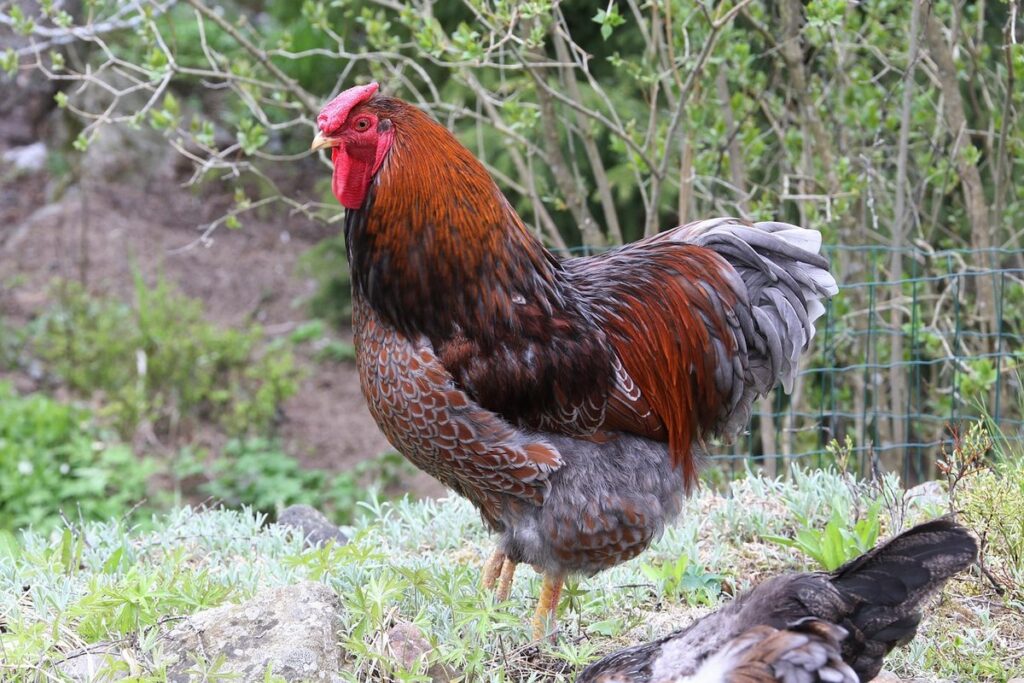
One of the most striking aspects of the Wyandotte Bantam is its stunning plumage and color variations. This breed boasts a wide range of patterns and combinations that make each bird uniquely beautiful. For instance, the Silver-Breasted Wyandotte Bantam features a gleaming silver breast with a rich brown back and wings, creating an eye-catching contrast.
The Self-Blue Wyandotte Bantam, on the other hand, showcases a solid blue plumage that is both regal and elegant. Meanwhile, the Golden-Spangled Wyandotte Bantam adds a touch of warmth with its golden spangles scattered across its brown base color. These variations not only add to the breed’s visual appeal but also serve as a testament to its remarkable diversity.
When selecting a Wyandotte Bantam, it’s essential to consider the specific plumage pattern and color combination that suits your preferences. Take note of the bird’s overall coat quality, feather texture, and how well the colors blend together. By choosing a bird with striking plumage and color variations, you’ll be able to showcase the Wyandotte Bantam’s unique charm and personality in your backyard or show pen.
Temperament and Personality Traits of the Wyandotte Bantam
When it comes to temperament, one thing is clear: Wyandotte Bantams are known for their bold and confident personalities. They’re not afraid to speak up!
Known for Their Affectionate Nature: Understanding the Wyandotte’s Temperament
One of the most endearing qualities of the Wyandotte Bantam is their affectionate nature. These birds are known to form strong bonds with their owners and can be quite demanding of attention. If you’re looking for a pet that will snuggle up on your lap or follow you around the house, the Wyandotte Bantam is an excellent choice.
Their docile temperament makes them an ideal breed for families with children or for experienced bird owners who want to add a new feathered friend to their flock. Wyandottes are generally quiet and laid-back, although they may occasionally “talk” to let you know what’s on their mind. With proper socialization from an early age, these birds can thrive in a variety of living situations, from small apartments to large backyards.
When introducing a Wyandotte Bantam to your family or household, be prepared for them to become fast friends with everyone – including other pets! To ensure a harmonious coexistence, establish clear rules and boundaries early on. With patience, love, and proper care, the Wyandotte Bantam will reward you with years of loyal companionship and joyful interactions.
Training and Handling Tips for This Breed
Training and handling the Wyandotte Bantam requires patience, consistency, and positive reinforcement. These birds can be quite stubborn at times, so it’s essential to establish a strong bond with them from an early age. Start by getting them used to handling through gentle petting and stroking, gradually increasing the duration as they become more comfortable.
To overcome potential challenges, such as nipping or flapping their wings, use rewards-based training. Offer treats and praise when they exhibit calm behavior during handling. For example, if your Wyandotte Bantam starts to nip, calmly say “no” and withdraw the treat until they relax their beak. When introducing new handling techniques, do so gradually to avoid stressing them out.
Remember that Wyandottes are a flighty breed, so it’s crucial to keep a firm but gentle grip when picking them up. Hold them securely around the middle, supporting their wings with your other hand to prevent flapping. By following these tips and being consistent in your approach, you can build trust with your Wyandotte Bantam and enjoy a strong, loving relationship.
Health Considerations and Common Issues in the Wyandotte Bantam
As you bring home your new Wyandotte Bantam, it’s essential to be aware of potential health concerns and common issues that may arise. Be prepared to address these challenges with the right knowledge and care.
Breeding and Selection: Ensuring a Healthy Stock
Responsible breeding practices are crucial for maintaining the overall health of the Wyandotte Bantam breed. When a breeder prioritizes health over aesthetics, it benefits not only the individual birds but also the entire flock. This is achieved by selecting parents that demonstrate excellent genetic traits and monitoring their offspring closely.
For instance, selecting hens with strong immune systems and robust respiratory health can significantly reduce the incidence of diseases like Aspergillosis and airsacculitis in the Wyandotte Bantam breed. Breeding for specific desirable characteristics such as compact size, beautiful plumage, or docile temperament is also essential.
To ensure a healthy stock, breeders must regularly test their birds for genetic disorders and infectious diseases. A thorough understanding of genetics and avian health is necessary to make informed breeding decisions that minimize the risk of inherited conditions. Regular health checks should be performed throughout the year, including during breeding seasons.
By adopting responsible breeding practices, enthusiasts can contribute to preserving the health and integrity of this magnificent breed for generations to come.
Identifying Potential Health Issues: A Review of Common Problems
As you continue to learn about the Wyandotte Bantam, it’s essential to be aware of potential health issues that can affect this beautiful breed. Respiratory problems are a common concern for many small poultry breeds, including the Wyandotte Bantam. These issues can arise from factors such as genetics, environmental conditions, or poor air quality.
Some specific respiratory issues to watch out for in your Wyandotte Bantams include tracheal collapse and syrinx abnormalities. Tracheal collapse occurs when the trachea loses its shape and collapses inward, causing breathing difficulties. Syrinx abnormalities refer to problems with the vocal cords that can cause wheezing or coughing.
Feather conditions are another common health issue affecting Wyandotte Bantams. Feather pecking and cannibalism are significant concerns in many backyard flocks, particularly among breeds with long feathers like the Wyandotte Bantam. To mitigate these issues, ensure your birds have adequate space to move around, provide a balanced diet, and consider offering supplements such as calcium or phosphorus.
When selecting a breeder or purchasing chicks, pay attention to their overall health and ask questions about any known health issues within the flock. Regular check-ups with a veterinarian experienced in poultry care can also help identify potential problems early on. By being proactive and informed, you can minimize the risk of health issues and enjoy a happy, healthy Wyandotte Bantam flock.
Caring for Your Wyandotte Bantam: Tips and Advice
As you care for your Wyandotte Bantam, it’s essential to keep an eye on their health, providing a balanced diet and regular exercise to ensure they thrive. A happy Bantam is a joy to behold!
Nutrition and Diet: Providing the Best for Your Bird
When it comes to providing the best nutrition for your Wyandotte Bantam, creating a balanced diet is crucial. As an owner, you want to ensure your bird gets all the necessary nutrients for optimal health and happiness.
Start by offering a high-quality commercial pellets as the main staple of their diet. These pellets provide a broad spectrum of essential vitamins and minerals, including calcium for strong bones and vitamin A for healthy vision. Mix in some fresh fruits and vegetables daily, such as leafy greens like kale or spinach, and berries like strawberries or blueberries.
In addition to a balanced pellet diet, consider supplementing with a high-calcium feed or crushed eggshells to support strong beak growth and maintenance. You can also offer a small amount of mealworms or sunflower seeds for added protein and crunch.
Avoid giving your Wyandotte Bantam foods high in sugar, salt, and fat, such as junk food, chocolate, or processed snacks. These can lead to obesity and other health issues. By following these guidelines, you’ll be well on your way to creating a nutritious diet tailored specifically for your bird’s needs.
Housing and Environmental Considerations: Creating a Suitable Environment
When it comes to housing your Wyandotte Bantam, creating a suitable environment is crucial for their health and well-being. These birds require ample space to move around, stretch their wings, and engage in natural behaviors like perching and dust bathing.
A minimum of 2-3 square feet of floor space per bird is recommended, but ideally, you should provide more room for them to roam freely. A spacious aviary or coop with adequate ventilation is essential to prevent the buildup of ammonia from droppings. This can be achieved by incorporating windows, vents, and fans that allow for proper airflow.
Temperature control is also vital, as Wyandotte Bantams are sensitive to extreme temperatures. Keep their living area at a comfortable range of 60-70°F (15-21°C), with a slight variation in temperature between summer and winter months. Avoid placing their coop near drafts or direct sunlight, which can lead to overheating or chilling.
To create an ideal environment, make sure to provide a variety of perches, roosting bars, and nesting boxes tailored to your birds’ specific needs. This will not only enhance their comfort but also promote healthy behavior and prevent stress-related issues.
Showing Your Wyandotte Bantam: Tips and Tricks
When showing your Wyandotte Bantam at local poultry shows, remember to emphasize its unique characteristics, such as its stunning iridescent sheen and striking feather patterns.
Preparing Your Bird for the Show Ring
Preparing your Wyandotte Bantam for the show ring requires a combination of grooming and behavioral preparation. Start by ensuring your bird is clean and well-groomed. This includes removing any matted feathers, cleaning the beak and nails, and keeping the eyes clear of debris.
When it comes to behavior, consistency is key. Your Wyandotte Bantam needs to be comfortable with being handled and examined, so start training early by gently handling your bird daily. Practice having them stand on a scale or pedestal, as they will need to do this at the show. Socialization is also crucial – expose your bird to various environments, people, and other animals to help them become confident in new situations.
Before the big day, make sure you’re familiar with the breed standard for your Wyandotte Bantam. This will give you a clear understanding of what judges are looking for, allowing you to tailor your preparation accordingly. With patience, practice, and attention to detail, you’ll be well on your way to presenting a stunning Wyandotte Bantam in the show ring.
Understanding the Breed Standard: A Guide to Competition Success
To succeed in the show ring with your Wyandotte Bantam, it’s essential to understand the breed standard. This means familiarizing yourself with the specific characteristics that judges look for when evaluating this breed. According to the American Bantam Association (ABA) and the American Poultry Association (APA), the Wyandotte Bantam has several key requirements.
* Males should weigh between 14-18 ounces, while females should weigh between 12-16 ounces.
* Their plumage should be lustrous, with a silky texture and a full, rounded appearance. The hackle feathers should be long and flowing, covering the neck and shoulders.
* Beak color is a critical aspect of breed standard; Wyandotte Bantams have a bright yellow or orange-red beak that matches their comb’s coloring.
* Their wings should be carried low, with the tail feathers held in a V-shape.
When presenting your bird in the show ring, remember to showcase its best features. Ensure the Wyandotte Bantam is at ease by placing it on a soft surface and allowing it to get accustomed to its surroundings before the competition begins.
Conclusion: Why You Should Consider Raising a Wyandotte Bantam
As you’ve made it through this comprehensive guide on the majestic Wyandotte Bantam, I hope you’re as captivated by their charm as I am. With their stunning plumage and gentle disposition, it’s easy to see why these birds have won the hearts of many a poultry enthusiast. But beyond their beauty lies a unique set of characteristics that make them an excellent choice for backyard flocks. For one, Wyandotte Bantams are incredibly hardy and adaptable, thriving in even small spaces with minimal care.
Their friendly nature also makes them a great addition to families or social groups, as they’re known to form strong bonds with their owners. With proper handling and care, these birds can become loyal companions that will delight and entertain for years to come. So if you’re looking to add some personality and beauty to your flock, consider giving the Wyandotte Bantam a try – I promise you won’t be disappointed!
Frequently Asked Questions
How Can I Ensure My Wyandotte Bantam’s Health and Well-being?
Ensuring your Wyandotte Bantam’s health and well-being involves a combination of proper nutrition, regular veterinary check-ups, and providing a clean and comfortable living environment. Make sure to research reputable feed options and consult with experts on breeding and selection techniques to ensure a healthy stock.
Can I Raise Wyandotte Bantams in Small Backyards or Urban Areas?
Yes! With careful planning and attention to housing and environmental considerations, you can successfully raise Wyandotte Bantams even in small backyards or urban areas. Be sure to research local regulations and zoning laws before starting your flock.
What Are Some Common Mistakes Beginners Make When Raising Wyandotte Bantams?
One common mistake is not providing enough space for the birds to roam and exercise. Another is neglecting proper nutrition, leading to health issues down the line. Research local breeders or experts for guidance on best practices for raising healthy Wyandotte Bantams.
How Do I Know if My Wyandotte Bantam is Suitable for Showing?
To determine if your Wyandotte Bantam is suitable for showing, consult with experienced breeders and follow the American Poultry Association’s breed standard. Make sure to understand the show ring requirements and have your bird examined by a veterinarian before entering competitions.
What Are Some Tips for Breeding and Selecting Healthy Wyandotte Bantams?
Breeding and selecting healthy Wyandotte Bantams requires careful attention to genetics, nutrition, and environmental factors. Research reputable breeders, prioritize health checks, and select birds with desirable traits to ensure a strong foundation for your flock.