
When it comes to raising top-quality chickens for eggs, meat, or both, one breed stands out from the rest: the White Leghorn. Originating in Italy over 100 years ago, these birds have been prized for their impressive egg-laying abilities and versatility. But what makes them so special? In this article, we’ll delve into the history and origin of the White Leghorn, exploring how this breed has become a favorite among backyard chicken enthusiasts and commercial farmers alike. We’ll also cover essential breeding strategies and health considerations to help you raise your own thriving flock. Whether you’re looking to boost your egg production or add some new feathered friends to your farm, understanding the secrets of the White Leghorn is crucial for success – and we’re about to spill them.
History and Origin of the White Leghorn
The White Leghorn has a rich history that dates back to Italy, where it was developed in the early 20th century from Mediterranean breeds. Its origins are fascinating and worth exploring further.
Early Development in Italy
The White Leghorn breed has its roots in 19th-century Italy, where it was developed from the old English Game Fowl and other local breeds. At that time, Italian farmers were looking to create a bird that excelled in egg-laying capabilities, as well as being robust enough to withstand the country’s varied climate conditions.
One of the key factors that contributed to the breed’s success in Italy was its ability to adapt to different environmental conditions. The White Leghorn could thrive in both hot and cold climates, making it an ideal choice for farmers who needed a reliable source of eggs. By the early 20th century, the breed had gained popularity worldwide for its high egg production and hardiness.
Today, Italian breeders continue to work on improving the breed’s genetic quality, with a focus on maintaining its unique characteristics while increasing productivity. This ongoing effort has led to the development of various White Leghorn strains that cater to different regional needs and preferences. As a result, the breed remains one of the most popular egg-laying breeds globally, prized for its impressive laying capacity and robust constitution.
Introduction to the United States
The White Leghorn’s journey to America began in the late 19th century when Italian poultry enthusiast Giuseppe Palla brought a flock of these birds from his native land to California. The breed quickly gained popularity among American farmers, particularly those in the West Coast, for its high egg-laying capacity and heat tolerance.
Initially, White Leghorns were primarily used as commercial egg layers on large farms, where their ability to produce up to 300 brown eggs per year was highly valued. However, their adaptability and hardiness soon made them a favorite among backyard chicken enthusiasts as well. As more farmers began adopting the breed, its popularity spread across the country.
One of the key factors contributing to the White Leghorn’s early adoption by American farmers was its ability to thrive in hot climates. This characteristic proved especially valuable during the summer months when heat stress was a major concern for many poultry breeds. With their high egg production and hardiness, it’s no wonder that the White Leghorn soon became one of the most popular chicken breeds in the United States.
Characteristics of the White Leghorn Breed
One of the most popular chicken breeds, the White Leghorn is known for its impressive egg-laying abilities and distinctive physical characteristics, which we’ll explore in more detail below. Let’s take a closer look at what makes this breed so special.
Physical Traits and Appearance
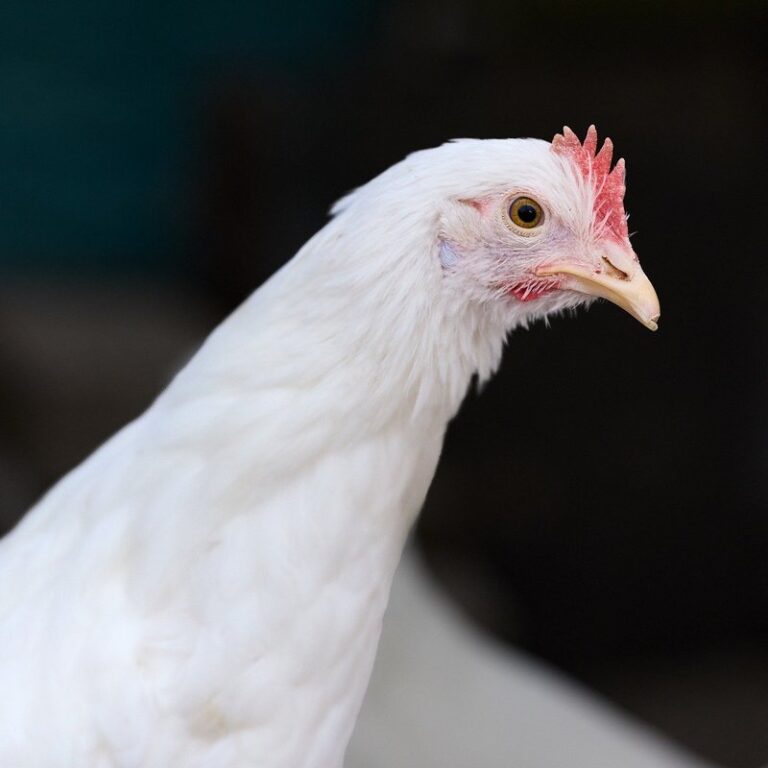
The White Leghorn breed is easily identifiable by its striking physical traits. One of the most noticeable characteristics is their size. On average, a mature White Leghorn rooster will weigh around 4-5 pounds (1.8-2.3 kg) and stand about 28-30 inches (71-76 cm) tall. Hens tend to be slightly smaller, weighing in at 3-4 pounds (1.4-1.8 kg). Their size is one of the reasons they’re so popular for egg production, as they can lay an impressive number of eggs per year without taking up too much space.
Their plumage is another distinctive feature of the White Leghorn breed. They have a crisp, clean white coat that’s both attractive and easy to maintain. The feathers are tightly packed, making them resistant to cold weather and helping to keep them warm in the winter. When it comes to their beak shape, White Leghorns typically have a medium-sized beak that’s strong and well-suited for pecking grain.
In addition to these physical traits, the White Leghorn also boasts a sturdy build and robust legs. This is particularly important if you’re planning to raise them outdoors, as it allows them to withstand various weather conditions with ease. Overall, the White Leghorn’s impressive size, beautiful plumage, and hardy build make them an excellent choice for backyard chicken enthusiasts and commercial egg producers alike.
Temperament and Behavior
The White Leghorn breed is renowned for its exceptional temperament and behavior. Known for their friendly and docile nature, they are an ideal choice for backyard chicken keepers and commercial farmers alike. One of the standout characteristics of White Leghorns is their prolific egg-laying ability – hens can produce up to 300 large eggs per year! This makes them a popular choice among those seeking high-quality eggs.
However, it’s worth noting that White Leghorns are also known for being quite vocal. They have a tendency to be loud and will often make themselves heard throughout the day. If you’re planning on keeping a flock of White Leghorns, be prepared for a lively atmosphere in your backyard.
When it comes to caring for your White Leghorns, consider providing them with plenty of space to roam and exercise. This will help to keep them happy and healthy, as well as reduce the likelihood of noise complaints from neighbors. With proper care and attention, these friendly birds can make wonderful additions to any poultry flock.
Uses and Benefits of Raising White Leghorns
White Leghorns are versatile birds that can be used for a variety of purposes, from egg production to meat supply, making them an excellent choice for many backyard chicken keepers.
Egg Production and Laying Habits
White Leghorns are renowned for their incredible egg-laying abilities, with some individuals producing up to 300 eggs per year. This is due to the breed’s unique physiology and optimized reproductive system. On average, a healthy White Leghorn will lay around 280-290 large brown eggs annually, making them one of the most productive breeds in terms of egg production.
Interestingly, research has shown that a typical White Leghorn will start laying eggs at around 18 weeks old, with some hens beginning as early as 16 weeks. This is significantly younger than other breeds, allowing farmers to harvest eggs from their flocks sooner. In commercial settings, White Leghorns are often kept in large groups, where they will typically produce an average of 5-6 eggs per week.
To maximize egg production, it’s essential to provide your flock with a balanced diet rich in calcium and protein. Make sure to offer a high-quality feed specifically formulated for laying hens, along with fresh water and access to the outdoors. Regular veterinary check-ups can also help ensure optimal health and minimize stress on the birds, which is crucial for maintaining their impressive egg-laying abilities.
Meat Production and Versatility
White Leghorns are renowned for their exceptional meat production capabilities, making them an excellent choice for farmers and backyard chicken enthusiasts alike. Their high egg-laying capacity is a bonus, but it’s their versatility as a dual-purpose breed that sets them apart from other varieties.
One of the primary advantages of raising White Leghorns for meat is their fast growth rate. They can reach market weight in as little as 60-70 days, allowing farmers to have multiple crops per year and increase overall productivity. In contrast, some breeds may take up to 90 days or more to reach maturity.
However, there are also some disadvantages to consider. White Leghorns tend to be leaner than other breeds, which can make them less suitable for certain types of meat production. They also have a higher feed conversion ratio, meaning they require more energy and resources to produce the same amount of meat as other breeds.
Despite these drawbacks, many farmers swear by the quality and flavor of White Leghorn meat, often citing its tenderness and mild taste as major advantages. To get the most out of your White Leghorns for meat production, it’s essential to ensure they receive a balanced diet and are handled humanely throughout their lifespan.
Health Considerations and Common Issues in White Leghorns
When raising White Leghorns, understanding their specific health needs is crucial to ensure they thrive. This section covers common issues and considerations to help you keep your flock happy and healthy.
Nutritional Requirements and Dietary Needs
White Leghorns have specific nutritional requirements to maintain optimal health. As one of the most popular chicken breeds globally, it’s essential to provide them with a balanced diet that meets their needs.
In terms of protein, White Leghorns require around 15-20% of their daily calorie intake from high-quality protein sources such as commercial layer feed or pellets. This is crucial for maintaining strong egg production and overall health. However, over-supplementation can lead to liver damage and other issues, so it’s essential to follow the recommended guidelines.
Calcium is another critical component of a White Leghorn’s diet, with around 3-4% required for optimal eggshell formation. Adequate calcium intake is particularly important during the laying phase to prevent breakage and ensure strong shells.
In addition to these specific requirements, White Leghorns also benefit from access to fresh water at all times, as well as a balanced mix of vitamins and minerals through supplements or fortified feed. Providing your flock with a nutrient-rich diet will help support their overall health and productivity.
Disease Resistance and Susceptibility
White Leghorns are known for their hardiness and disease resistance, but they’re not immune to health issues. In fact, some common diseases that affect White Leghorns include Newcastle Disease, Avian Influenza, and Coccidiosis. These conditions can be devastating to flocks, especially if left untreated or underdiagnosed.
Factors contributing to their resilience include a strong immune system, good genetics, and proper management practices. For example, maintaining optimal temperature ranges (around 40-50°F for brooding), providing adequate ventilation, and ensuring access to clean water and nutritious feed can help prevent disease outbreaks.
It’s essential for backyard chicken keepers to be aware of the risks associated with these diseases and take proactive steps to mitigate them. This includes monitoring your flock regularly for signs of illness, practicing good biosecurity measures (such as washing hands and cleaning equipment), and maintaining a clean and well-ventilated coop. By understanding disease resistance and susceptibility in White Leghorns, you can better protect your birds and prevent costly losses.
Breeding and Selection Criteria for Top-Quality White Leghorns
When choosing a breeder, it’s essential to understand the breeding and selection criteria that produce top-quality White Leghorns, which involve specific traits and standards. We’ll break down these key factors below.
Choosing Parent Stock and Selecting Sires
When it comes to breeding top-quality White Leghorns, choosing parent stock and selecting sires is crucial. The characteristics of the parent stock will have a direct impact on the quality and performance of their offspring. Look for parent stock with excellent fertility rates, egg production, and overall health.
Genetic considerations are also vital when selecting parent stock. It’s essential to choose birds with a well-balanced genetic makeup that includes desirable traits such as high egg production, good fertility, and strong immune systems. Consider the following factors:
* Egg weight: Choose parents with eggs in the range of 280-300 grams for optimal egg size.
* Fertility rate: Select sires with high fertility rates to ensure consistent hatchability.
* Temperament: Opt for birds with calm and docile temperaments to improve overall flock dynamics.
When selecting sires, consider their breeding history, including performance records and genetic diversity. It’s also essential to have a diverse gene pool to prevent inbreeding depression and maintain the overall health of your flock. By carefully choosing parent stock and selecting sires, you’ll be well on your way to raising top-quality White Leghorns that excel in egg production and overall performance.
Breeding Strategies and Linebreeding Options
When it comes to breeding top-quality White Leghorns, understanding different breeding strategies is crucial for achieving optimal results. Linebreeding and inbreeding are two techniques often used to concentrate desirable traits within a flock.
Linebreeding involves breeding individuals that are closely related but not as closely related as those bred through inbreeding. This strategy helps maintain genetic diversity while still allowing breeders to focus on specific characteristics. For example, if you’re looking to improve egg-laying capacity, linebreeding between birds that have demonstrated high productivity can help concentrate this trait within the flock.
In contrast, inbreeding involves breeding individuals that are closely related to increase the frequency of specific genes. However, it requires careful planning and management to avoid potential health issues associated with inbreeding. A good starting point is to identify a foundation stock with excellent characteristics, then selectively breed their offspring to further concentrate desirable traits.
Some breeders also use a combination of linebreeding and inbreeding strategies to achieve the best results. By carefully selecting parents and monitoring genetic diversity, you can create a flock that excels in multiple areas.
Conclusion: Tips for Successful White Leghorn Raising and Care
As you’ve now learned about the wonderful world of White Leghorns, it’s time to put your knowledge into practice. To ensure a thriving flock, remember that providing top-notch nutrition is key. Ensure they have access to fresh water, high-quality feed, and supplements as needed. Don’t forget to rotate their feed to prevent boredom and maintain optimal health.
When it comes to living quarters, consider the importance of adequate space for your girls to roam. A minimum of 2-3 square feet per bird is recommended. Providing a safe and comfortable coop will keep them happy and healthy. Remember to regularly clean the coop and replace bedding to prevent disease.
By following these simple tips and maintaining a keen eye on their needs, you’ll be well on your way to raising thriving White Leghorns that bring joy and fresh eggs to your family for years to come.
Frequently Asked Questions
What are the ideal living conditions for White Leghorns to achieve maximum egg production?
White Leghorns require a well-ventilated coop with adequate space per bird (about 3-4 square feet). Ensure they have access to fresh water, nutritious feed, and a balanced calcium intake to support strong eggshell development. Provide a laying box or nesting area for each hen to reduce stress and promote efficient egg-laying.
Can I raise White Leghorns in hot climates, and what precautions should I take?
Yes, White Leghorns can adapt to warm temperatures but may require additional care during heatwaves. Ensure they have access to plenty of fresh water, provide shade or a cooling system for the coop, and monitor their temperature tolerance. Consider introducing a misting system or sprinklers to keep them cool.
How do I prevent heat stress in my White Leghorns during extreme weather conditions?
Monitor your flock’s behavior and temperature regularly. Provide extra ventilation in the coop by opening windows or using fans. Make sure they have access to plenty of water and consider adding electrolyte-rich supplements to their feed to help regulate body temperature.
Can I breed White Leghorns with other breeds, and what benefits or drawbacks might I encounter?
Yes, you can crossbreed White Leghorns with other breeds for unique characteristics or traits. However, be aware that this may affect egg production, temperament, or disease resistance. Research the breed’s strengths and weaknesses before making a decision, and consider selecting parent stock from reputable suppliers.
What are some common health issues to watch out for in my White Leghorn flock?
White Leghorns can be susceptible to respiratory diseases like bronchitis and asthma. Monitor your flock regularly for signs of illness, such as coughing or labored breathing. Keep their coop clean, provide regular vaccinations, and ensure they have access to fresh air and a balanced diet to promote overall health.