
If you’re an egg enthusiast or simply fascinated by the diverse world of chicken breeds, you’ve likely come across the majestic Black Copper Marans. But have you ever wondered what makes their eggs so uniquely colored? It’s not just a matter of chance – there’s actual science behind that deep, dark brown hue. In this article, we’ll delve into the genetics and breeding history of these stunning birds to uncover the secrets behind their signature egg color. We’ll also explore how environmental factors can influence the shade and quality of those prized eggs. Whether you’re a seasoned chicken keeper or just starting your backyard flock, understanding the science behind Black Copper Marans’ egg color will give you a newfound appreciation for these incredible animals. Let’s crack open the mystery together!
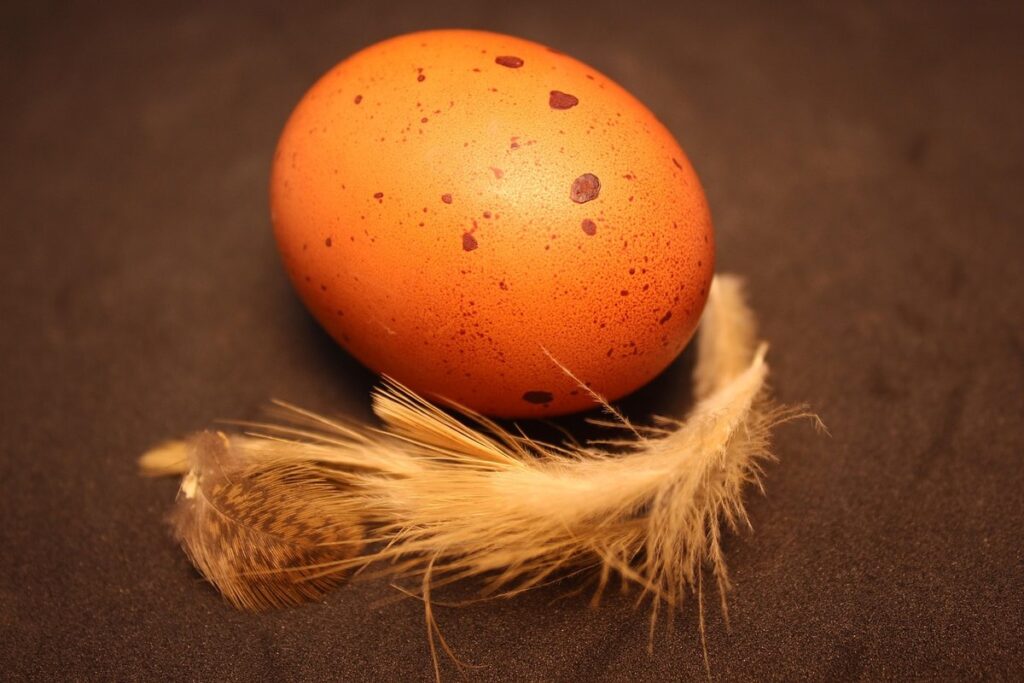
Understanding the Genetics of Black Copper Maran Eggs
So, what makes a Black Copper Maran egg truly unique? Let’s dive into the fascinating world of genetics and explore how these birds produce their distinctive dark brown eggs.
The Role of Dominant and Recessive Genes in Determining Eggshell Color
When it comes to determining the eggshell color of Black Copper Maran chickens, genetics play a crucial role. The basic principle is that eggshell color is determined by two types of genes: dominant and recessive. Dominant genes will always express themselves if they are present, while recessive genes will only be expressed if there are no dominant genes to override them.
The production of black copper maran eggs involves a combination of these genes. The genetics behind their eggshell color can be broken down into two main components: the amount of melanin produced and the structure of the eggshell itself. Melanin is responsible for the pigmentation of the eggshell, with more melanin resulting in darker colors.
For example, the gene that codes for the production of eumelanin, a type of melanin responsible for black and dark brown colors, is dominant. This means that if a chicken has this gene, it will produce dark-colored eggs regardless of the other genes present.
The Influence of Breeding History on Eggshell Color Variation
When it comes to the Black Copper Maran breed, their distinctive eggshell color is not only a result of genetics but also heavily influenced by breeding history. Selective breeding has played a significant role in creating the diverse range of shades and patterns seen in these eggs.
Through careful selection and breeding programs, backyard chicken keepers and commercial farmers have been able to produce Marans with varying levels of darkening or lightening of their eggshell color. This selective breeding has led to some fascinating results – from the darker, more muted tones found in traditional French Marans to the lighter, more golden hues seen in some modern bloodlines.
For example, a study on Black Copper Marans breeding programs revealed that eggs from birds with a stronger copper gene tended to have darker, richer eggshell colors. Conversely, those with a weaker or recessive copper gene produced eggs with lighter shades. Understanding this relationship can help breeders and chicken enthusiasts make informed decisions when selecting stock for their flocks.
It’s worth noting that breeding programs are not the only factor influencing eggshell color variation – genetics also plays a significant role. However, selective breeding has undoubtedly contributed to the incredible diversity of colors seen in Black Copper Maran eggs today.
Environmental Factors Affecting Black Copper Maran Egg Color
When it comes to predicting egg color, environmental factors play a significant role in determining whether your Black Copper Maran’s eggs will turn out dark blue-green or lighter. Let’s explore the impact of these external influences.
The Impact of Diet on Eggshell Color Intensity
A chicken’s diet plays a significant role in determining the intensity of its eggshell color. As we discussed earlier, porphyrins are responsible for producing the pigment responsible for black copper maran eggshell coloration. These pigments are derived from plant-based sources, such as leafy greens and legumes.
To maximize the production of these pigments, it’s essential to provide your black copper marans with a balanced diet rich in fresh fruits and vegetables. Consider adding supplements like dried kelp or alfalfa meal to their feed to enhance porphyrin production.
Research has shown that high levels of dietary protein can lead to increased eggshell thickness and color intensity. In one study, chickens fed a diet rich in protein produced eggs with a higher porphyrin content, resulting in deeper, richer colors. To achieve similar results, try incorporating more protein-rich foods like mealworms or sunflower seeds into your black copper marans’ diet.
Remember to also provide access to clean water and a varied forage to ensure optimal nutrient absorption. By paying attention to the dietary needs of your black copper marans, you can enjoy eggs with intense coloration and rich, complex flavor profiles.
Effects of Light Exposure and Nutrition on Eggshell Color Variation
When it comes to the vibrant, dark color of Black Copper Maran eggs, several environmental factors play a crucial role. Light exposure and nutrition are two key components that can impact the intensity and uniformity of eggshell color.
Research has shown that vitamin D3, a crucial nutrient for calcium absorption, directly affects eggshell production and color. A deficiency in vitamin D3 can lead to lighter-colored eggs or even egg-laying issues in some cases. This is because vitamin D3 helps regulate the metabolism of calcium, which is essential for forming the hard outer layer of the eggshell.
To ensure your Black Copper Marans receive adequate nutrition, make sure their diet includes a balanced mix of vitamins and minerals. Include calcium-rich foods such as oyster shells or dark leafy greens in their feed to support strong eggshell development. Additionally, provide them with access to natural light during the day by placing their coop near a sunny area or using supplemental lighting.
The impact of nutrition on egg color can also be seen in cases where hens are fed a diet rich in omega-3 fatty acids. These essential fatty acids have been shown to enhance the intensity and uniformity of eggshell color, resulting in darker, more vibrant eggs.
Identifying True Black Copper Marans: Breed Standards and Characteristics
To ensure you’re getting genuine Black Copper Marans, let’s dive into the breed standards that dictate their appearance, from plumage to eggshell color. These characteristics are crucial for identifying true breeds.
Key Traits that Distinguish Black Copper Marans from Other Breeds
When it comes to identifying true Black Copper Marans, several key traits set them apart from other breeds. One of the most distinctive features is their unique appearance. Black Copper Marans have a glossy black plumage with copper highlights around their neck and hackle feathers, giving them an iridescent sheen. This characteristic alone can help you distinguish them from other breeds.
Another trait that sets Black Copper Marans apart is their temperament. They are known for being friendly, docile, and adaptable birds. Unlike some other breeds, they tend to be less aggressive and more tolerant of handling. If you’re new to chicken keeping, the calm nature of Black Copper Marans makes them an excellent choice.
In terms of egg-laying abilities, Black Copper Marans are prolific layers. They produce large, dark-brown eggs with a distinctive olive-green tint around the bloom. The average annual production is around 180-200 eggs, making them a reliable source of fresh eggs for your family or for sale at market.
Their unique combination of appearance, temperament, and egg-laying abilities makes Black Copper Marans stand out from other breeds.
Importance of Accurate Identification for Responsible Breeding Practices
Proper identification of eggs is crucial for maintaining breed standards and responsible breeding practices. When it comes to Black Copper Marans, inaccurate or misidentified eggs can have significant implications on the breed’s characteristics and traits.
Misidentification can lead to a dilution of the breed’s unique genetic pool, resulting in birds that don’t conform to the standard. For instance, if an egg is mistakenly identified as being from a Black Copper Maran when it’s actually from another breed, it may contain genes that are not desirable for the breed. This can compromise the overall quality and consistency of the breed.
To avoid this issue, breeders must be meticulous in their identification processes. This includes conducting thorough visual inspections, using accurate testing methods, and maintaining detailed records of each bird’s genetic makeup. By doing so, they can ensure that only true Black Copper Marans are bred, which helps to preserve the breed’s distinct characteristics and maintain its integrity.
Black Copper Maran Egg Color Variations: Common Questions Answered
You’ve probably wondered why your Black Copper Maran’s eggs come in different shades and colors. Let’s dive into some common questions about these variations to get a clearer understanding of what you can expect from your flock.
Frequently Asked Questions About Black Copper Maran Eggshell Color
One of the most common questions about Black Copper Maran eggs is whether their distinctive coloration is due to genetics or environmental factors. The answer lies in a combination of both. The Black Copper Maran breed’s unique eggshell coloration is primarily determined by the interaction between two genes: the brown eggshell gene and the copper-inhibiting gene.
Some readers may wonder if the color can be influenced by diet, health, or other external factors. While these elements do play a role in overall egg quality and nutritional content, they have little to no effect on the egg’s final coloration. A healthy Black Copper Maran will consistently produce eggs with this distinctive copper-colored shell, regardless of its diet.
It’s also worth noting that the intensity of the copper color can vary slightly from one bird to another. However, in most cases, you can expect the eggs to fall within a specific range of colors that are typically associated with this breed.
Debunking Myths and Misconceptions Surrounding Black Copper Maran Eggs
Many people believe that black copper maran eggs possess unique properties or benefits due to their distinctive color. One such claim is that these eggs have a higher nutritional value than eggs from other breeds. However, there’s no scientific evidence to support this claim.
In reality, the egg color is determined by the interaction between two pigments: porphyrins and protoporphyrin. The unique combination of these pigments in black copper marans gives their eggs that signature dark brown or black color. But, it doesn’t affect the nutritional content of the eggs.
Some proponents of “black copper maran eggs” claim they have antioxidant properties due to their darker color. While antioxidants are indeed beneficial for our health, there’s no direct link between the egg color and its antioxidant levels. To put this into perspective, consider that commercially available supplements can provide a higher amount of antioxidants than these supposedly special eggs.
When it comes to purchasing black copper maran eggs or any other breed-specific eggs, remember that the nutritional value is determined by factors like feed quality, lifestyle, and genetics – not egg color.
The Significance of Black Copper Maran Eggs in Modern Poultry Keeping
Black copper marans eggs have become increasingly popular in modern poultry keeping due to their unique appearance and rich history. This section explores why breeders and enthusiasts adore these distinctive eggs.
Culinary and Cultural Significance of Rare-Egg Colors
In modern poultry keeping, rare egg colors like those produced by Black Copper Marans hold significant importance. Their unique hues not only make them a delicacy but also carry cultural and symbolic meanings. For instance, the deep blue-green color of Black Copper Maran eggs is often associated with good luck and prosperity in many cultures.
The rarity of these egg colors makes them highly prized among chefs and food enthusiasts who value their distinct flavor profiles. The unique coloration is due to a genetic trait that affects the way pigments are deposited in the eggshell, resulting in an iridescent sheen. This characteristic has led some to view Black Copper Maran eggs as a luxury item, commanding higher prices at markets.
Culturally, rare egg colors like those of the Black Copper Maran have been cherished for their aesthetic appeal and symbolic significance. In some communities, they’re seen as a sign of good fortune or prosperity, while in others, they’re valued for their unique culinary experience. For backyard chicken keepers looking to add value to their farm, consider cultivating these rare breeds to tap into this growing demand.
Supporting Sustainable and Responsible Egg Production Practices
When it comes to egg production, many of us are looking for ways to make our choices more sustainable and responsible. This is where black copper maran eggs come into play. By choosing these eggs over others, you’re supporting small-scale farmers and backyard chicken keepers who prioritize welfare and environmental stewardship.
One significant benefit of black copper maran eggs is the reduced carbon footprint associated with their production. Small-scale farms tend to have a lower impact on greenhouse gas emissions compared to large industrial operations. This is largely due to the fact that smaller farms often rely on manual labor, renewable energy sources, and more efficient management practices.
When shopping for eggs, look for labels like “free-range” or “backyard-farmed.” These terms indicate that the hens are living in a more natural environment with access to the outdoors. While these certifications aren’t always regulated, they do provide a starting point for your research. By choosing black copper maran eggs and supporting small-scale farmers, you’re promoting more humane and environmentally friendly egg production practices.
Health Benefits Associated with Black Copper Maran Eggs
Did you know that beyond their stunning appearance, black copper maran eggs also hold some remarkable health benefits for those who consume them? Let’s dive into what makes them so special.
Nutritional Content and Potential Health Advantages
Black copper maran eggs have been found to offer an impressive array of nutritional benefits. With their higher levels of omega-3 fatty acids and vitamins A and E compared to white eggs, it’s no wonder why many are making the switch to these gorgeous eggs.
Research has shown that black copper marans lay eggs with a more favorable fatty acid profile, which can have a positive impact on heart health. Studies have demonstrated that consuming eggs rich in omega-3s can reduce triglyceride levels and lower overall cholesterol levels. Additionally, black copper maran eggs contain higher levels of antioxidants than their white counterparts.
For individuals looking to incorporate more nutritional value into their diet, consider incorporating black copper maran eggs as a regular part of your meals. Start by swapping out one or two egg whites per week with black copper maran eggs and observe the difference in taste and nutritional content.
The Science Behind Eggshell Pigments and Their Antioxidant Properties
Eggshell pigments play a significant role in determining the color of eggs laid by black copper maran chickens. Among these pigments, porphyrins stand out due to their unique properties. Porphyrins are metalloporphyrins, meaning they contain a central metal atom bonded within a planar ring structure. The presence of copper ions within this structure is particularly relevant in the context of black copper maran eggs.
The antioxidant properties associated with porphyrins and their ability to neutralize free radicals may contribute to various human health benefits. For instance, studies have shown that certain metalloporphyrins exhibit potent antioxidant activity in vitro and in vivo models. This is largely attributed to their ability to scavenge reactive oxygen species (ROS) and reduce oxidative stress. In practical terms, consuming eggs with higher porphyrin content may potentially help mitigate the effects of oxidative stress in humans.
The incorporation of antioxidants from eggshell pigments can be part of a balanced diet aimed at reducing disease risk. A study found that high antioxidant intake was associated with reduced cardiovascular disease and cancer incidence.
Frequently Asked Questions
Can I breed Black Copper Marans for a darker egg color, and if so, what’s the best approach?
Breeding Black Copper Marans for a darker egg color requires a deep understanding of genetics and careful selection of birds with desirable traits. Focus on selecting individuals with the right combination of dominant and recessive genes that contribute to the dark brown pigment. A 50:50 ratio of males and females is essential, as this will increase genetic diversity and help achieve your desired outcome.
How can I ensure the health and well-being of my Black Copper Marans flock while maintaining their unique egg color?
Maintaining the health and well-being of your Black Copper Marans flock is crucial. Provide a balanced diet rich in nutrients, ensure access to fresh water and adequate lighting, and implement stress-reducing measures such as regular cleaning and proper ventilation. Regular health checks and vaccinations will also help prevent diseases that may impact egg production.
Can I use supplements or feed additives to enhance the dark brown color of my Black Copper Marans’ eggs?
Using supplements or feed additives is not a recommended approach for enhancing the dark brown color of your Black Copper Marans’ eggs. Genetic factors play a significant role in determining eggshell color, and attempting to alter it through external means may have unintended consequences on the birds’ health and overall well-being.
What are some common mistakes beginners make when trying to breed or raise Black Copper Marans?
Common mistakes include inadequate research into breeding genetics, poor management practices that lead to stress and disease susceptibility, and failure to maintain accurate records. To avoid these pitfalls, thoroughly understand the breed’s specific needs, consult with experienced breeders, and stay up-to-date on the latest best practices in chicken keeping.
Can I cross-breed Black Copper Marans with other breeds to create a more robust or hardier bird?
While crossing Black Copper Marans with other breeds can produce interesting results, it may compromise the birds’ genetic integrity and impact their unique characteristics. Carefully weigh the potential benefits against the risks before making any breeding decisions, and always prioritize responsible breeding practices that maintain the integrity of the breed.