
Are you thinking of bringing some feathered friends into your family? Silkie chickens have captured the hearts of many with their fluffy, adorable appearance. But are they more than just a pretty face? In this article, we’ll delve into whether Silkies make great pets and what it’s like to care for one. You’ll learn about their unique characteristics – from their gentle temperament to their low-maintenance egg-laying abilities – as well as the specific needs of these lovable birds. With so many factors to consider, deciding if a Silkie is right for you can be a daunting task. But by the end of this article, you’ll have all the information you need to decide whether Silkies are the perfect fit for your household.
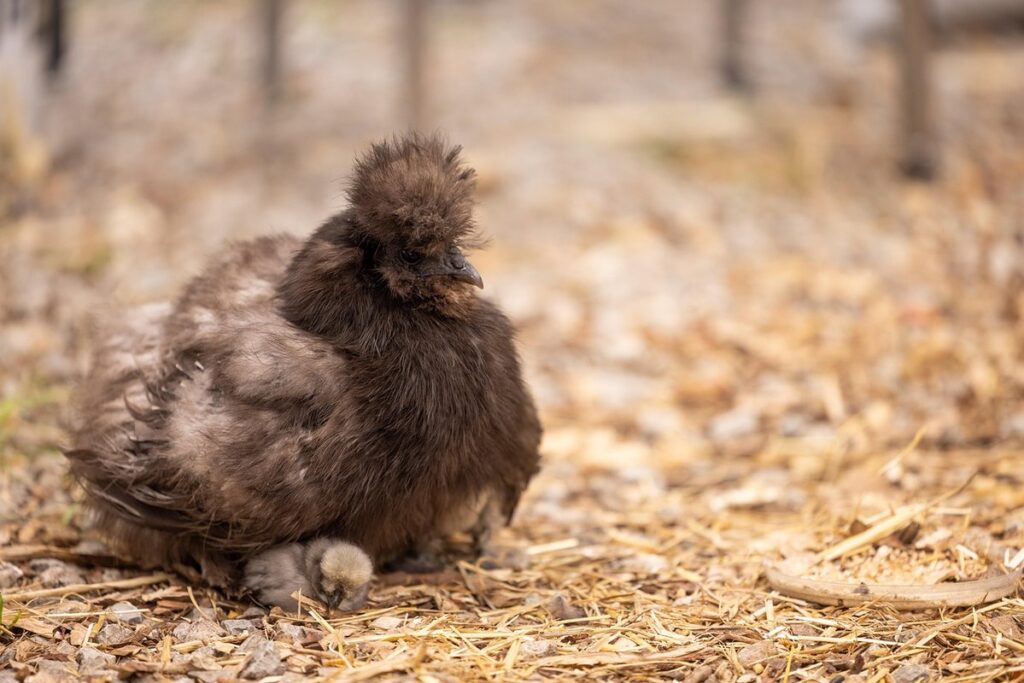
The Fascinating World of Silkies
One of the most appealing aspects of Silkie chickens is their unique and fluffy appearance, but what makes them so endearing? Let’s delve into their fascinating world.
Origin and History of Silkies
Silkies have a rich history that dates back to ancient China. It’s believed that they were first bred over 1,000 years ago for their unique appearance and soft, fluffy feathers. In fact, Silkie chickens are often referred to as “living dinosaurs” due to their striking resemblance to the birds depicted in ancient Chinese art.
Their origins are shrouded in mystery, but one thing is certain: Silkies have been a favorite among backyard chicken keepers for centuries. They’re known for their gentle nature and affectionate personalities, making them an excellent choice for families with children or anyone looking for a low-maintenance pet.
In the 1990s, Silkies began gaining popularity worldwide as a breed, thanks in part to their stunning appearance and adaptability to different climates. Today, you can find Silkie chicken owners all over the globe, from backyard farmers to seasoned chicken enthusiasts. Whether you’re new to chicken keeping or an experienced breeder, there’s no denying that Silkies have captured the hearts of many with their irresistible charm and laid-back demeanor.
Physical Characteristics of Silkies
One of the most distinctive features of Silkies is their unique physical characteristics. These chickens stand out from other breeds with their fluffy feathers, gentle nature, and compact size. One of the first things you’ll notice about Silkies is their incredible plumage. Their feathers are soft and silky to the touch, often described as being like “wool” or “fur.” This distinctive coat makes them a joy to watch, especially when they’re preening and fluffing out their feathers.
But it’s not just their looks that make Silkies special – their gentle nature is another key factor. Silkies are known for being calm and docile, making them an excellent choice for families with children or for anyone who wants a low-maintenance pet. They’re also relatively small in size, which means they require less space than other breeds.
Overall, the unique combination of Silkie’s physical characteristics makes them an attractive addition to any backyard flock – or even as a single pet chicken! Their gentle nature and compact size make them perfect for smaller spaces, while their fluffy feathers add a touch of whimsy and charm.
Temperament and Personality
Silkies are renowned for their exceptional temperament and personality traits, making them an excellent choice as pets. Their friendly and docile nature allows them to interact effortlessly with humans, which is a significant advantage for anyone looking to raise chickens as companions.
One of the most distinctive characteristics of Silkie chickens is their affectionate behavior towards people. They have been known to follow their owners around the yard, seeking attention and interaction. This trait makes them an excellent choice for families with children, as they are gentle and patient.
To encourage a strong bond between you and your Silkie, it’s essential to spend quality time with them. Start by feeding them treats by hand, which will help them associate human presence with positive experiences. As you build trust, you can gradually introduce more interactive activities, such as playing games or simply cuddling together.
Silkies are also relatively low-maintenance pets compared to other chicken breeds. They require minimal space and can adapt to small backyards or even indoor living conditions.
Pros of Keeping Silkies as Pets
Let’s dive into the advantages of having Silkie chickens as pets, where you’ll discover their unique charms and benefits that make them a delight to own. From affectionate personalities to low-maintenance care, we’re sharing it all!
Advantages for Beginners
If you’re new to raising backyard chickens, Silkies are an excellent choice for beginners. One of the primary reasons is their easy-going nature. They’re not as demanding as some other breeds and can thrive in smaller spaces, making them perfect for urban or suburban areas where yard space may be limited.
Silkies are also incredibly adaptable, which means they can adjust to your schedule and lifestyle with ease. This adaptability allows you to enjoy the benefits of raising Silkies without feeling overwhelmed by the responsibilities that come with caring for a flock.
For example, Silkies don’t require as much space or exercise as some other breeds, making them ideal for small backyards or even indoor coops. They’re also relatively quiet, which is a bonus if you live in close proximity to neighbors.
In fact, Silkies are often described as “lap chickens” due to their affectionate and gentle nature. They’ll happily follow you around the yard, enjoy being petted and cuddled, and even snuggle up beside you on your lap. This makes them an excellent choice for families with children or first-time chicken keepers who want a low-maintenance yet rewarding experience.
Entertainment Value
One of the most significant advantages of keeping Silkie chickens as pets is their unparalleled entertainment value. These lovable birds are a joy to watch and interact with, making them an excellent addition to any family’s menagerie. Silkies are known for their unique behavior, which includes frolicking, playing, and even performing tricks.
Their affectionate nature is another reason why they’re so entertaining. They love human attention and will often nudge, peck, or even snuggle with you in search of pets and treats. Imagine coming home from a long day to find your Silkie waiting at the door, eager to greet you with a sweet cluck or two.
What’s more, Silkies are natural performers. They love to strut their stuff, spreading their majestic feathers and flaunting their fancy footwork. With their endearing antics, they’ll keep you laughing and smiling for hours on end. And if you’re feeling crafty, why not teach your Silkie a few tricks of its own? It’s a great way to bond with your feathered friend and provide endless entertainment for the whole family.
Health Benefits
Raising Silkies as pets can have a profound impact on both physical and mental health. One of the most significant benefits is stress relief. Studies have shown that exposure to animals can lower cortisol levels, blood pressure, and anxiety rates in individuals. Caring for Silkies requires regular attention, which can provide a sense of purpose and structure. This, in turn, can help alleviate symptoms of depression and anxiety.
Social interaction with Silkies is also an essential aspect of their benefits. These birds are known to be friendly and affectionate, making them an excellent choice for people who live alone or have limited social interactions. Regular handling and interaction with Silkies can improve mood, reduce feelings of loneliness, and even boost self-esteem.
Another advantage of raising Silkies is the opportunity to connect with nature. Caring for these birds requires attention to their dietary needs, habitat maintenance, and health checks – all of which foster a deeper appreciation for the natural world. By spending time outdoors tending to your Silkies, you can develop a greater sense of awareness about the interconnectedness of human life and the environment.
Cons of Keeping Silkies as Pets
While Silkie chickens can be wonderful pets, there are some downsides to consider before deciding to bring one home. Let’s explore the potential drawbacks of owning a Silkie chicken.
Space Requirements
When considering Silkies as pets, one crucial aspect to keep in mind is space requirements. These adorable birds need room to move around and exercise, which can be a challenge for urban dwellers or those with limited outdoor spaces.
Adequate housing is essential for Silkies, providing them with protection from the elements and predators. A minimum of 2-3 square feet per bird inside the coop is recommended, but more space is always better. Consider adding a run or enclosed area where your Silkie can roam freely during the day. Fencing around the run should be at least 6 feet tall to prevent escape attempts.
Access to outdoor areas is also vital for Silkies’ well-being. Regular access to fresh air, sunlight, and grassy areas will keep them healthy and happy. However, ensure that any outdoor area is securely fenced to prevent predators from entering or your Silkie escaping. With careful planning and creativity, it’s possible to provide your Silkie with the space they need without sacrificing your backyard or garden.
For example, consider using a chicken tractor or a movable coop to take advantage of different areas in your yard while still providing adequate shelter for your bird. By prioritizing space requirements, you can create a happy and healthy environment for your beloved Silkie pet.
Noise Levels
If you’re considering keeping Silkies as pets, one potential drawback to be aware of is their noise level. These charming birds are known for their soft, melodious clucks and chirps, which can be endearing at first. However, it’s essential to understand that Silkies are social animals and will vocalize more frequently than some other chicken breeds.
On average, a single Silkie can produce around 50-70 decibels of noise per day, which is roughly equivalent to the sound level of a busy kitchen or a moderate traffic flow. While this may not seem like much, it can be a significant concern for those living in close proximity to neighbors or with noise restrictions.
To mitigate the issue, consider the following: If you’re planning to keep Silkies as pets and live in an urban area or have noise-sensitive neighbors, start by introducing them to their surroundings gradually. This will help minimize the initial stress-induced loudness. Additionally, providing a suitable outdoor space for your birds can also reduce noise levels within the home.
Health Considerations
Silkies are known for their gentle and affectionate nature, but like all living creatures, they can be prone to certain health issues. One of the most common problems affecting Silkies is respiratory difficulties. Their flat faces and compact bodies make it difficult for them to breathe, especially in hot or humid environments. To mitigate this issue, provide your Silkie with plenty of ventilation and ensure their coop is well-ventilated.
Another concern is obesity. Silkies love food and can easily overeat if not monitored closely. A balanced diet and regular exercise are crucial to maintain a healthy weight. Limit treats and ensure they have access to fresh water at all times.
Mites are also a problem that affects many chicken breeds, including Silkies. Regular cleaning of their coop and dust baths will help reduce the risk of mite infestations. Keep an eye out for signs like excessive scratching or preening, which can be indicative of a mite issue. Consult with a veterinarian if you suspect your Silkie has a mite problem.
To keep your Silkie healthy, it’s essential to provide regular veterinary check-ups and maintain a clean living environment. By being aware of these potential health issues and taking proactive measures, you can help ensure your Silkie leads a happy and healthy life.
Caring for Your Silkie Chickens
To keep your Silkies happy and healthy, it’s essential to learn proper care techniques such as nutrition, grooming, and parasite control. With attention to these details, you’ll have a thriving flock.
Nutrition and Diet
When it comes to caring for your Silkies as pets, nutrition and diet play a crucial role in their overall health and well-being. These gentle birds require a balanced diet that meets their unique nutritional needs. A good quality layer feed should be the main staple of their diet, supplemented with fresh fruits and vegetables daily. Leafy greens like kale, spinach, and collard greens are excellent choices, while carrots and apples provide essential vitamins.
Make sure your Silkies always have access to fresh water, changed daily to prevent bacterial growth. A grit supplement can also be added to help them digest their food more efficiently. Some owners opt for a Silkie-specific feed, which is formulated with extra calcium to support strong eggshell production and bone health. However, it’s essential to follow the manufacturer’s instructions carefully.
A healthy adult Silkie should eat around 1/4 cup of feed per pound of body weight daily, split into two meals. Avoid overfeeding, as this can lead to obesity and related health issues. By providing a balanced diet and fresh water, you’ll be taking significant steps in ensuring your Silkies live happy and healthy lives.
Housing and Environment
When it comes to housing and environment for your Silkie chickens, providing a suitable coop is crucial for their health and happiness. The ideal size of the coop depends on the number of birds you have, but as a general rule, aim for at least 2-4 square feet per bird. Silkies are known to be prone to frostbite due to their fluffy feathers, so ensure your coop has adequate ventilation to keep them dry and warm.
Protection from predators is also essential. Consider using hardware cloth or chicken wire with openings of less than 1 inch to prevent foxes and other small animals from getting inside. Add a secure roof over the coop to safeguard against hawks and other flying predators. Don’t forget to provide enough space for your Silkie chickens to move around, stretch their wings, and engage in natural behaviors.
In addition to the coop, also consider creating a run or enclosed area where your birds can exercise safely outside. This will help keep them active, entertained, and stimulated while also protecting them from potential threats.
Health Checks and Maintenance
Regular health checks and maintenance tasks are essential to keep your Silkie chickens healthy and thriving. As you’ve grown attached to their adorable faces and fluffy feathers, it’s crucial to prioritize their well-being. Set aside time each week for a thorough inspection of their living quarters, feeders, and water containers.
Check for signs of illness, such as labored breathing, lethargy, or changes in appetite. Look for droopy wings, uneven feathers, or lice/mites infestations. A clean and well-maintained coop will help prevent diseases from spreading. Make sure to provide adequate ventilation and ensure the coop is dry and free of ammonia smells.
Daily tasks include cleaning feeders and water containers, collecting eggs (if your Silkie hens are laying), and providing fresh water. Consider implementing a routine for monitoring temperature fluctuations in extreme weather conditions.
Regular vaccinations or flock health check-ups with a veterinarian can also help prevent illnesses. If you’re unsure about specific health concerns or maintenance tasks, consult with local experts or online resources to find the most suitable advice for your Silkie chickens.
Tips for Raising Silkie Chickens as Pets
If you’ve decided to bring home a Silkie chicken, making sure it thrives and stays happy is crucial. Here are some valuable tips for raising your new feathered friend as a beloved pet.
Introduction to Handling and Training
When it comes to raising Silkies as pets, handling and training are crucial aspects of their care. From an early age, you’ll want to introduce them to being handled gently and trained for various tasks. Start by getting them used to your presence, voice, and touch. You can begin by simply sitting near the brooder or enclosure, reading a book or speaking softly.
As they grow, handle them regularly, making it a positive experience through gentle petting and treats. Silkies are known for their affectionate nature, so be prepared for them to nuzzle and snuggle with you. Begin training sessions early on, using positive reinforcement techniques like offering food rewards when they respond correctly.
Establishing trust is essential; let them come to you rather than forcing interaction. This will help prevent any potential aggression or stress-related behaviors. Be patient and consistent in your approach, as Silkies can be sensitive to sudden movements or loud noises. With time and gentle care, you’ll find that your Silkie becomes an enjoyable companion for handling and training exercises.
Socialization and Interaction
Silkies are known for their affectionate and docile nature, making them an ideal choice as pets. However, to ensure they remain friendly and outgoing, it’s essential to focus on socialization and interaction from a young age. Start by spending time with your Silkies daily, engaging in activities such as grooming, feeding, and playing. Handle them gently but firmly, getting them accustomed to human touch and handling.
Playtime is also crucial for Silkies’ mental and physical development. Provide toys and objects that encourage exploration and foraging, like cardboard boxes or paper bags filled with treats. Rotate these items regularly to prevent boredom and keep your Silkies engaged.
Regular attention and interaction are key to maintaining a strong bond between you and your Silkie pets. Set aside dedicated time each day for them, whether it’s simply sitting near their coop or engaging in more active play. This will not only keep them happy but also ensure they remain comfortable with human presence, making them wonderful companions.
Managing Silkie Behavior
Managing potential behavioral issues is crucial when raising Silkies as pets. One common issue you might encounter is feather pecking, where one bird starts to peck at another’s feathers, leading to stress and potentially even injuries. To prevent this, make sure each bird has enough space to move around and exercise. A minimum of 2-3 square feet per chicken inside the coop and 8-10 square feet in the run is recommended.
Another issue Silkies can exhibit is aggression. If you’ve adopted a Silkie from a breeder or rescue, there’s a chance it may have existing behavioral problems. Be patient and gentle when interacting with your new pet. Reward good behavior with treats and praise. In some cases, professional help from an avian behaviorist may be necessary to address more severe issues.
Silkies are known for their docile nature, but like all chickens, they can develop behavioral problems if not properly cared for or socialized. Keep a close eye on your flock’s dynamics, intervening early if you notice any signs of stress or aggression. With proper management and attention, Silkies can thrive as loving pets in your backyard flock.
Conclusion
In conclusion, Silkie chickens can make wonderful pets for the right owner. If you’re looking for a low-maintenance companion that’s also entertaining and educational, Silkies might be an excellent choice. Just remember to research local regulations before bringing your new feathered friend home – some areas have ordinances against keeping certain breeds of chickens as pets.
If you do decide to bring a Silkie into your life, be prepared for a loyal companion that will follow you around the yard and even snuggle up in your lap from time to time. With proper care and attention, Silkies can live a happy and healthy life, providing hours of entertainment and joy. By considering their needs and personality, you can create a harmonious home for both yourself and your new Silkie pet.
Frequently Asked Questions
Can I keep Silkies as pets if I live in a small apartment?
Yes, Silkies are relatively low-maintenance birds that can adapt to small spaces. However, it’s essential to ensure they have enough room to move around comfortably and exercise regularly. Consider investing in a large aviary or coop with adequate ventilation and space for your Silkie to roam.
How often should I clean my Silkie’s living quarters?
It’s recommended to clean your Silkie’s coop at least once a week, removing soiled bedding and replacing it with fresh material. This will help maintain a healthy environment for your bird and prevent the buildup of bacteria and odors.
Can Silkies be raised in colder climates?
Yes, Silkies are cold-hardy birds that can tolerate temperatures as low as 0°F (-18°C). However, they still require adequate shelter and protection from wind and precipitation. Make sure to provide a warm and draft-free coop for your Silkie during the winter months.
Are Silkies suitable for families with young children?
Yes, Silkies are known for their gentle nature and are often described as “lap chickens.” They can make excellent pets for families with young children, teaching kids about responsibility and compassion while providing hours of entertainment.
How long do Silkies live compared to other chicken breeds?
Silkies have a relatively long lifespan, typically living between 10-15 years. With proper care and nutrition, some Silkie chickens have been known to live up to 20 years or more, making them a long-term commitment for any backyard flock owner.