
If you’re looking to add some new life to your backyard flock, you might want to consider the Rhode Island Red Bantam. This diminutive version of the popular Rhode Island Red chicken is just as charming and productive as its larger cousin. Not only do they lay a respectable number of eggs per week, but their small size also makes them perfect for smaller spaces or urban backyards.
In this article, we’ll delve into the history and characteristics of the Rhode Island Red Bantam, discussing their unique traits and needs in more detail. We’ll cover their egg-laying ability, housing requirements, and offer some helpful tips on how to get your Rhode Island Red Bantams ready for show if you’re interested in competing with them. Whether you’re a seasoned chicken keeper or just starting out, this guide has everything you need to know about these delightful little birds.
History and Origins
Let’s take a journey through time and explore how the Rhode Island Red Bantam came to be, tracing its roots back to its humble beginnings in America. We’ll delve into its rich history.
Early Beginnings
The Rhode Island Red breed has its roots in the United States during the 19th century. Developed from a cross between various breeds, including the Dorking and the Cochin, the Rhode Island Red’s ancestors were brought over by early settlers from England. The first recorded breeding of the breed occurred in Little Compton, Rhode Island, in 1849.
The goal was to create a hardy, dual-purpose bird that excelled at both egg-laying and meat production. The resulting birds were incredibly resilient, withstanding harsh New England winters and producing an impressive number of eggs per year. These qualities quickly made the breed popular among local farmers.
One key factor in the Rhode Island Red’s development was its ability to thrive on small plots of land, making it a staple for family farms and homesteads. Its compact size and robust nature allowed it to produce 200-220 brown eggs annually, while also providing a lean source of meat when needed.
The Influence of James Watson Todd
James Watson Todd’s contributions to the establishment of the Rhode Island Red Bantam as a distinct variety are undeniable. As an American poultry breeder and judge, he was instrumental in developing the breed’s unique characteristics. During his work with the Rhode Island Reds, Todd selectively bred individuals that possessed desirable traits such as smaller size, friendly temperament, and rich brown plumage. He sought to create a miniature version of the popular Rhode Island Red, which would be suitable for small farms and backyards.
Todd’s breeding efforts resulted in the development of the Rhode Island Red Bantam, which was officially recognized by the American Poultry Association (APA) in 1905. His work laid the foundation for the breed’s growth in popularity, making it a staple among backyard chicken keepers and small-scale farmers. Today, the Rhode Island Red Bantam is cherished for its friendly disposition, cold hardiness, and rich brown eggs, all of which are direct results of Todd’s careful breeding.
Todd’s dedication to developing this miniature breed has made a lasting impact on the world of poultry, and his influence can still be seen in the many breeders who continue to work with the Rhode Island Red Bantam.
Evolution Over Time
Over time, the Rhode Island Red Bantam has undergone significant changes to its physical characteristics and temperament. One of the most notable transformations was the reduction in size from its original full-sized counterpart. Today’s bantams are a fraction of their larger ancestors, weighing between 2-4 pounds.
Despite these physical changes, the breed’s robust and friendly nature remains intact. In fact, many owners attribute their bantam’s affectionate personalities to careful breeding practices that emphasize docility over aggression. According to the American Bantam Association (ABA), responsible breeding has contributed to a decline in aggressive behavior among Rhode Island Red Bantams.
In terms of physical evolution, breeders have selectively bred for desirable traits such as compact bodies and smaller combs. This selective breeding has led to the development of distinct sub-varieties like the Bearded Bantam and Non-Bearded Bantam. As you consider bringing a Rhode Island Red Bantam into your family, keep in mind that their adaptable nature makes them suitable for a range of living situations – from small apartments to sprawling backyards.
Characteristics of Rhode Island Red Bantams
When it comes to identifying a genuine Rhode Island Red Bantam, several key characteristics come into play. These include distinctive physical features and behaviors that set them apart from other breeds.
Size and Weight
Rhode Island Red bantams are known for their compact and adorable physique. On average, these miniature birds weigh between 22-26 ounces (620-730 grams), which is significantly lighter than their standard-sized counterparts. Their petite size makes them an ideal choice for backyard flocks or small farms.
One of the most notable characteristics of Rhode Island Red bantams is their compact body type, which is achieved through selective breeding. They have a broad and deep chest, well-sprung ribs, and a short, rounded tail. Despite their small size, they maintain the same robust build as their standard-sized counterparts, making them hardy and resistant to disease.
Keep in mind that individual birds may vary slightly in terms of weight and size, but overall, Rhode Island Red bantams are bred to be compact and manageable. When choosing a rooster or hen for your flock, consider factors such as age, sex, and individual characteristics to ensure you’re getting the best bird for your needs.
Plumage and Coloration
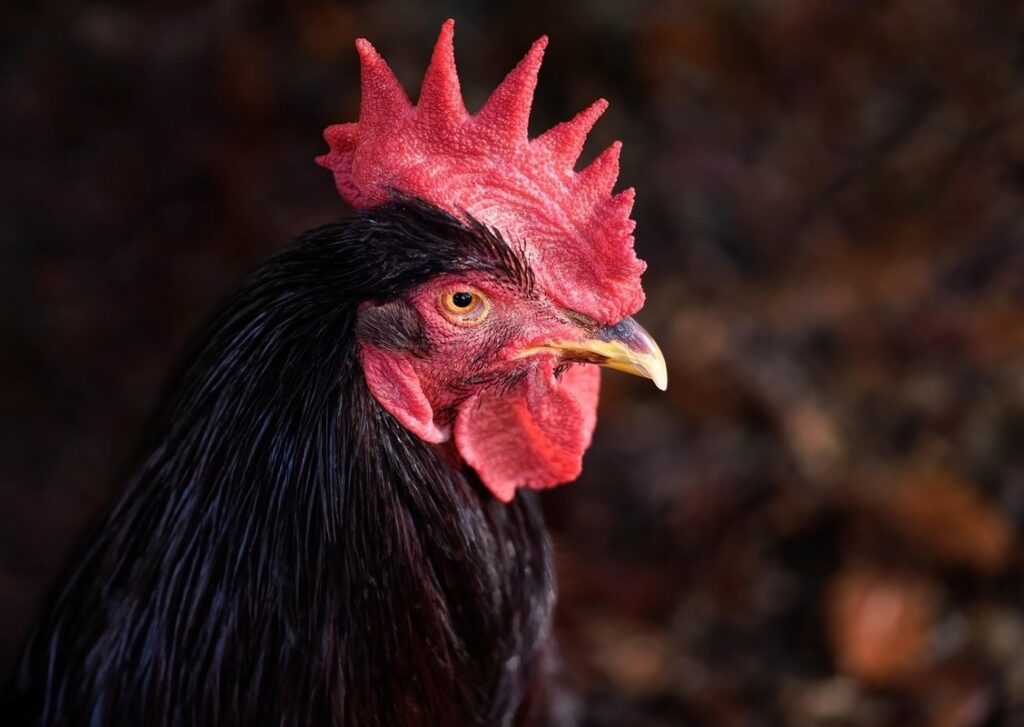
One of the most recognizable features of the Rhode Island Red Bantam is its stunning plumage. The breed’s rich, vibrant red coloration is a hallmark of its beauty and a major reason why many chicken enthusiasts adore them. But it’s not just the overall color that sets them apart – their unique feathering patterns are equally distinctive.
The Rhode Island Red Bantam’s feathers have a glossy sheen to them, which catches the light and adds depth to their already impressive plumage. The breed’s hackle feathers (those long, pointed feathers around the neck) are particularly striking, with a bright red color that gradates into a deeper crimson towards the base.
If you’re planning on raising Rhode Island Red Bantams of your own, keep in mind that their unique feathering patterns can be prone to matting and tangling if not properly cared for. Regular grooming is essential to prevent this, and to help keep their feathers looking their best. Simply take a few minutes each week to gently work out any tangles with a soft-bristled brush or your fingers – it’s a small investment that will pay off in terms of their overall appearance.
Egg-Laying Ability
When it comes to egg-laying ability, Rhode Island Red Bantams are quite impressive. Compared to other breeds, they fall somewhere in the middle of the pack. On average, a healthy Rhode Island Red Bantam will lay around 200 eggs per year, with some hens producing as many as 220 or more.
To put this into perspective, Leghorns – another popular breed – can lay upwards of 280-300 eggs annually. However, they tend to be more high-strung and require a bit more maintenance. On the other hand, Orpingtons and Plymouth Rock hens are known for their gentler nature but typically produce fewer eggs than Rhode Island Reds.
If you’re considering keeping Rhode Island Red Bantams as pets or for egg production, it’s essential to understand their unique characteristics. These birds are relatively hardy and easy-going, making them a great choice for backyard chicken keepers. To maximize your hen’s egg-laying potential, make sure she has access to fresh food, water, and a safe, comfortable coop. Provide her with adequate space to roam and exercise outside of the coop as well.
Keep in mind that individual results may vary depending on factors such as nutrition, health, and genetics.
Care and Management of Rhode Island Red Bantams
To keep your Rhode Island Red Bantam happy and healthy, it’s essential to understand their specific care and management needs. This includes a balanced diet, proper ventilation, and regular health checks.
Housing and Environment
When it comes to providing a happy and healthy home for your Rhode Island Red Bantams, housing is a crucial aspect of their care. These tiny birds require a safe and comfortable living space that meets their unique needs.
A minimum coop size of 2 square feet per bird is recommended, but for bantams, a slightly smaller space of around 1.5-2 square feet per bird is sufficient. When it comes to layout, consider a simple and easy-to-clean design with enough ventilation to keep the air fresh and dry. A good rule of thumb is to provide at least 24 inches of vertical space for each bird to stretch their wings.
For Rhode Island Red Bantams specifically, it’s essential to provide a secure and escape-proof enclosure. These birds are notorious for their ability to squeeze through tiny openings, so make sure the coop has a sturdy door and any gaps or holes are sealed with wire mesh or hardware cloth.
In terms of nesting boxes, one box per 3-4 hens is recommended. For bantams, a slightly smaller box can be used as they are less likely to lay large eggs.
Ultimately, the key to happy and healthy Rhode Island Red Bantams is providing a clean, comfortable, and secure living space that meets their unique needs.
Diet and Nutrition
Maintaining optimal health through proper diet and nutrition is crucial for Rhode Island Red Bantams. As these birds are prone to obesity due to their love for food, it’s essential to provide them with a balanced and nutritious diet.
A good starting point is to understand their dietary needs. Rhode Island Red Bantams require a high-quality layer feed as their primary source of nutrition, supplemented by fresh fruits and vegetables. However, it’s crucial not to overdo the treats, as this can lead to obesity. A general rule of thumb is to limit treats to about 10% of their daily calorie intake.
Some recommended fruits and vegetables include leafy greens like kale and spinach, carrots, apples, and berries. Be sure to introduce new foods gradually to prevent digestive upset. Additionally, providing a calcium supplement is essential for maintaining strong eggshell quality and overall health. By following these guidelines, you can ensure your Rhode Island Red Bantam stays healthy and thrives under your care.
Health Considerations
Rhode Island Red bantams are generally a hardy breed, but like all living creatures, they can be prone to certain health issues. One common problem is obesity, which can lead to a range of other health problems such as heart disease and diabetes. To prevent this, make sure your birds have access to plenty of fresh water and a balanced diet that includes a mix of grains, vegetables, and fruits.
Keep an eye out for signs of respiratory problems, such as labored breathing or coughing, which can be caused by a variety of factors including dust, mold, or bacterial infections. Regular cleaning and maintenance of your coop is essential to prevent the buildup of dust and bacteria.
Regular veterinary check-ups are also crucial in identifying any potential health issues early on. Your veterinarian can provide advice on vaccinations, parasite control, and other preventative measures to keep your Rhode Island Red bantams healthy and thriving.
Breeding and Raising Rhode Island Red Bantams
If you’re ready to start your own flock of these adorable birds, learning how to breed and raise them is a crucial step in the process. This section will walk you through the basics of breeding and raising Rhode Island Red Bantams.
Selection of Mating Stock
When it comes to selecting breeding stock for your Rhode Island Red Bantam flock, there are several key considerations to keep in mind. First and foremost, temperament is crucial. You want birds that are friendly, docile, and easy to handle, as they will make the process of collecting eggs and interacting with them much more enjoyable.
Conformation is also an essential factor to consider when selecting breeding stock. Look for birds with a balanced body type, strong legs, and well-set wings. A well-proportioned bird will be healthier and more likely to produce offspring with desirable traits.
When evaluating the conformation of potential breeding stock, pay attention to their overall posture and movement. Do they stand upright with their feathers smoothly in place? Or do they huddle or slump? Similarly, observe how they move around their enclosure. Are they agile and confident, or clumsy and hesitant?
In terms of specific characteristics, look for birds with a rich, deep red coloration and a well-defined beard. A full, fluffy tail is also desirable.
It’s worth noting that some breeders prioritize certain traits over others, such as egg-laying capacity or feather quality. If these are your priorities, be sure to select breeding stock accordingly.
When possible, try to acquire birds from reputable breeders who have experience with the breed and can provide guidance on selecting healthy, well-tempered stock.
Rearing Chicks
Rearing chicks from hatch to point of lay requires careful attention to their needs during this critical growth phase. When you bring home your newly hatched Rhode Island Red Bantam chicks, they will be totally dependent on you for warmth, food, and water. Begin by placing them in a brooder with a heat source to maintain a temperature around 90-95°F (32-35°C) during the first week. Ensure there is adequate ventilation and provide a shallow dish of fresh water at all times.
As they grow, gradually lower the temperature by 5°F (3°C) every few days until it reaches 70-75°F (21-24°C). Use a high-quality starter feed specifically formulated for young chicks, providing a balanced mix of nutrients. Supplement with grit and oyster shells to support their developing digestive system.
By around 16-18 weeks, your girls will start to develop their adult plumage, signaling the end of the brooding phase. Continue offering a nutrient-rich layer feed to promote healthy growth and egg production. With proper care, you can expect your Rhode Island Red Bantams to reach point of lay by around 24-26 weeks, with an average annual egg production of 120-150 eggs per hen.
Developing Your Flock
Developing a healthy and thriving flock of Rhode Island Red Bantams requires attention to detail, patience, and a well-planned strategy. When starting out, it’s essential to introduce new birds gradually to prevent stress on the existing flock. Begin by quarantining new additions for at least 30 days before integrating them into your main coop.
During this time, monitor their behavior and ensure they’re free of diseases. Once cleared, introduce one or two new birds at a time to maintain social order. Start with compatible breeds, like other Bantams, as Rhode Island Reds can be known to establish dominance.
Provide adequate space (at least 2-3 square feet per bird) and ensure proper nutrition through a balanced diet. A well-maintained coop with regular cleaning schedules is also crucial for maintaining health. Regular vaccinations, deworming, and parasite control will help prevent common issues like Marek’s disease and internal parasites.
By following these steps, you’ll be able to develop a thriving and harmonious flock that brings joy to your backyard.
Show and Exhibition
When it comes to showing off your Rhode Island Red Bantam, you’ll want to know how to prepare them for a competition, what judges look for, and how to improve their chances of winning. We’ll cover all that and more in this section.
Preparing for Competition
When it’s time to take your Rhode Island Red Bantams to the show ring, proper preparation is key. Grooming and handling are crucial aspects of showcasing these beautiful birds.
Start by getting familiar with the breed standard, which dictates specific characteristics such as posture, carriage, and plumage quality. Ensure your birds’ feathers are well-maintained, clean, and free of imperfections like matted or broken feathers. Trim any beards, mustaches, or wing tips to maintain a neat appearance.
Handling is also essential for showcasing Rhode Island Red Bantams. Train them to stand still on their perch without flapping their wings or making sudden movements. This will not only make them more visually appealing but also help you handle them confidently during the show. Practice holding and supporting your birds in different positions, such as on a table or in a carrier, to get comfortable with their weight and movement.
A well-groomed and well-handled bird exudes confidence, which is essential for winning over judges and spectators alike. With regular practice and attention to detail, you’ll be well-prepared to showcase your Rhode Island Red Bantams at any exhibition or competition.
Judging and Evaluation
When participating in shows and exhibitions featuring Rhode Island Red Bantams, understanding the judging process is crucial for breeders and enthusiasts alike. The evaluation of these birds focuses on their overall structure, balance, and conformity to breed standards.
Key characteristics assessed during the judging process include compactness, with males weighing between 2-3 pounds and females around 1-2 pounds; a broad, rounded breast; a well-rounded tail with an even distribution of feathers; and clean, slate-blue legs. Judges also examine the bird’s plumage, looking for deep, rich colors that are evenly distributed across the body.
When evaluating your Rhode Island Red Bantam for show, pay attention to its overall presence in the ring. Make sure it is alert, active, and well-groomed, with no signs of dirt or matted feathers. A well-balanced beak and eyes are also essential, as they contribute to the bird’s overall appeal.
It’s worth noting that judges consider each individual bird against the breed standard, not against other birds in the class. This ensures a fair evaluation of each Rhode Island Red Bantam’s unique characteristics, regardless of its size or plumage quality relative to others.
Winning Strategies
To excel in the show ring with your Rhode Island Red Bantam, you need to focus on developing its unique characteristics. This breed excels in various aspects such as egg-laying, temperament, and appearance.
Developing a winning strategy requires attention to detail regarding grooming, feather quality, and posture. Ensure that you carefully brush your bird’s feathers daily to prevent matting and tangling. Regularly trim beak and nails to keep the bird comfortable and confident in the show ring.
Consider participating in shows with experienced judges who can provide valuable feedback on your Rhode Island Red Bantam’s performance. Analyze their comments, work on correcting any identified areas for improvement, and continue training and practicing until you achieve positive results.
It is also crucial to familiarize yourself with breed standards to ensure you meet all the necessary criteria. Research and learn about specific requirements such as size, beak shape, feather color, and overall appearance.
Conclusion
Now that you’ve learned all about Rhode Island Red Bantams, it’s time to summarize the key takeaways and insights from our comprehensive guide. Let’s review what we’ve covered together.
Recap of Key Points
As you’ve reached the end of this comprehensive guide to the Rhode Island Red Bantam breed, let’s take a moment to recap the key points covered so far. We started by exploring the origins and history of this charming breed, discovering how it descended from the larger Rhode Island Red. You learned about the ideal living conditions for these birds, including housing, diet, and exercise requirements.
We also delved into breeding and raising Rhode Island Red Bantams, discussing topics such as selecting healthy chicks, establishing a breeding program, and introducing new genetics to maintain genetic diversity. Additionally, you discovered tips on caring for your flock, from vaccinations and parasite control to managing stress and promoting feather quality.
To ensure the well-being of your birds, we covered essential health considerations, including common diseases and disorders specific to this breed. Finally, we touched upon the joys of showing your Rhode Island Red Bantams in competitions, providing guidance on preparing for shows and understanding the judging process. By applying these key takeaways, you’ll be well-equipped to raise happy, healthy, and thriving Rhode Island Red Bantam chickens.
Final Thoughts and Recommendations
As you’ve made it to the end of this comprehensive guide on the Rhode Island Red Bantam, we hope you now feel confident and prepared to bring these charming birds into your flock. Proper care and management are crucial for their health, happiness, and success as a breed. Always prioritize fresh air, clean water, nutritious feed, and regular veterinary check-ups.
When it comes to breeding the Rhode Island Red Bantam, attention to detail is essential. Research reputable breeders and follow proper mating techniques to ensure healthy, well-rounded offspring. Don’t be afraid to experiment with new breeds or try your hand at hand-rearing chicks – these experiences can be incredibly rewarding for both you and your flock.
As a final reminder: the Rhode Island Red Bantam is not just a pet, but also an investment in your community’s agricultural heritage. By learning from experienced breeders, adopting best practices, and staying up-to-date on industry developments, you’ll become part of a vibrant network dedicated to preserving this beloved breed for generations to come.
Frequently Asked Questions
Can Rhode Island Red Bantams thrive in small backyards or urban environments?
Yes, their compact size makes them an excellent choice for smaller spaces, as they require less space to roam compared to standard-sized chickens.
How often can I expect my Rhode Island Red Bantams to lay eggs?
These birds are known for their moderate egg-laying ability, producing around 200-220 large brown eggs per year. However, this number may vary depending on factors such as diet, health, and living conditions.
What’s the best way to introduce new Rhode Island Red Bantam chicks to an existing flock?
When introducing new chicks, it’s essential to follow a gradual introduction process to prevent stress and ensure a smooth transition for both old and young birds. This can be achieved by starting with visual introductions, then progressing to scent introductions, and finally allowing them to interact under close supervision.
Are Rhode Island Red Bantams prone to any specific health issues?
Like all breeds, Rhode Island Red Bantams may be susceptible to certain health issues, such as reproductive problems in females or respiratory issues in males. Regular veterinary check-ups, proper nutrition, and a clean living environment can help minimize the risk of these conditions.
How do I know if my Rhode Island Red Bantam is showing potential for competition?
If you’re interested in competing with your birds, pay close attention to their conformation, plumage quality, and overall temperament. Look for signs such as even feathering, a well-proportioned body type, and friendly behavior around humans and other chickens. Consult with experienced breeders or attend poultry shows to gain a deeper understanding of what judges look for in competitive birds.