
Are you looking for a new addition to your backyard flock? Or perhaps you’re searching for a breed that’s known for its rich, dark eggs? Look no further than the Chocolate Egg Marans chicken. This unique and charming breed has gained popularity among backyard chicken enthusiasts in recent years, and for good reason. Not only do they produce a stunning shade of chocolate-brown eggs, but they also boast a distinct personality and set of characteristics that make them a delight to keep.
In this article, we’ll delve into the world of Chocolate Egg Marans chickens, covering breed standards, health considerations, housing requirements, and tips for raising chicks. We’ll explore why these birds are such an excellent choice for both egg production and backyard pets. By the end of this post, you’ll be well-equipped to decide if the Chocolate Egg Marans is right for your flock.
Overview and Introduction
Let’s start by covering the basics of the Chocolate Egg Marans chicken, including its origins, characteristics, and unique traits that make it so special. This breed is sure to capture your attention!
Brief History of the Breed
The origins of the chocolate egg marans breed date back to Europe, where it was first developed in the 15th century. The breed is a variation of the Marans breed, known for its distinctive dark plumage and high-quality eggs. Initially, the Marans breed was bred for its dual-purpose capabilities, providing both meat and eggs.
As the demand for egg-laying hens grew, poultry enthusiasts began to selectively breed the Marans to enhance its egg production traits. This selective breeding led to the development of various color variations within the breed, including the chocolate egg marans. The name “egg marans” is derived from the French word “maran,” meaning “dark red” or “reddish-brown.”
Early records show that the Marans breed was first exhibited in France at the 1838 Paris Exposition, showcasing its distinctive plumage and high-quality eggs. Over time, breeders continued to refine the Marans breed, leading to the development of various regional styles, including the chocolate egg marans we know today.
Characteristics and Identification
One of the most striking features of the Chocolate Egger is its unique appearance. This breed combines the stunning golden-brown feathers of a Marans with the egg-laying abilities of an Ameraucana, resulting in a one-of-a-kind chicken that’s sure to turn heads.
To identify a Chocolate Egg Marans, look for the following characteristics: a mottled, dark-golden plumage with subtle brown or black undertones; a copper-colored beak and legs; and, of course, those prized chocolate-brown eggs. Keep in mind that the intensity of the coloration can vary depending on individual bird genetics.
In terms of overall build, Chocolate Egg Marans are known for being robust but not overly large – they typically weigh between 5-7 pounds. Their medium-length neck and compact body make them well-suited to backyard flocks, where space may be limited. When selecting a breed, consider that males tend to have more vibrant coloration than females, but both sexes share the same impressive egg-laying abilities.
Why Keep Chocolate Egg Marans?
So you’re considering keeping Chocolate Egg Marans chickens? There are many compelling reasons to do so. For one, these birds are stunningly beautiful with their dark brown feathers and golden sheen. Their unique appearance alone makes them a great addition to any backyard flock.
But looks aren’t the only reason to keep Chocolate Egg Marans. They’re also known for their exceptional egg-laying abilities. On average, they’ll produce around 200 large brown eggs per year, making them a reliable choice for families and small farms looking to supplement their egg supply.
Another benefit of keeping Chocolate Egg Marans is their friendly and docile nature. They’re easy to handle and interact with, making them perfect for children or beginners in the world of backyard poultry keeping. Additionally, they’re relatively low-maintenance birds that are resistant to many common chicken health issues.
Overall, keeping Chocolate Egg Marans chickens can be a highly rewarding experience for anyone interested in raising unique and productive birds.
Breed Standard and Genetics
To truly understand what makes a Chocolate Egg Marans, it’s essential to delve into the breed standard and genetics that make these birds so unique. Let’s explore the genetic makeup of this fascinating breed.
The Role of Genetics in Coloration
When it comes to the stunning plumage of the Chocolate Egg Marans chicken, genetics play a crucial role. The intricate patterns and rich colors of their feathers are not just a result of breeding, but also a product of genetic makeup. In simple terms, genetics determine how the cells in the chicken’s body produce melanin, the pigment responsible for color.
The interaction between different genes and their variants is what gives the Chocolate Egg Marans their unique coloring. The Agouti gene, for instance, controls the distribution of pigment throughout the feather, while other genes influence the intensity and hue of the colors. When these genetic combinations come together just right, you get the striking chocolate-brown color that’s characteristic of this breed.
Interestingly, genetics also determine how the plumage patterns develop as the chicken grows. Young pullets may appear quite different from their mature counterparts due to changes in feather growth and pigment distribution with age. Understanding the role of genetics can help breeders predict and achieve specific traits, ensuring the development of high-quality stock that meets or exceeds breed standards.
Understanding Eggshell Production
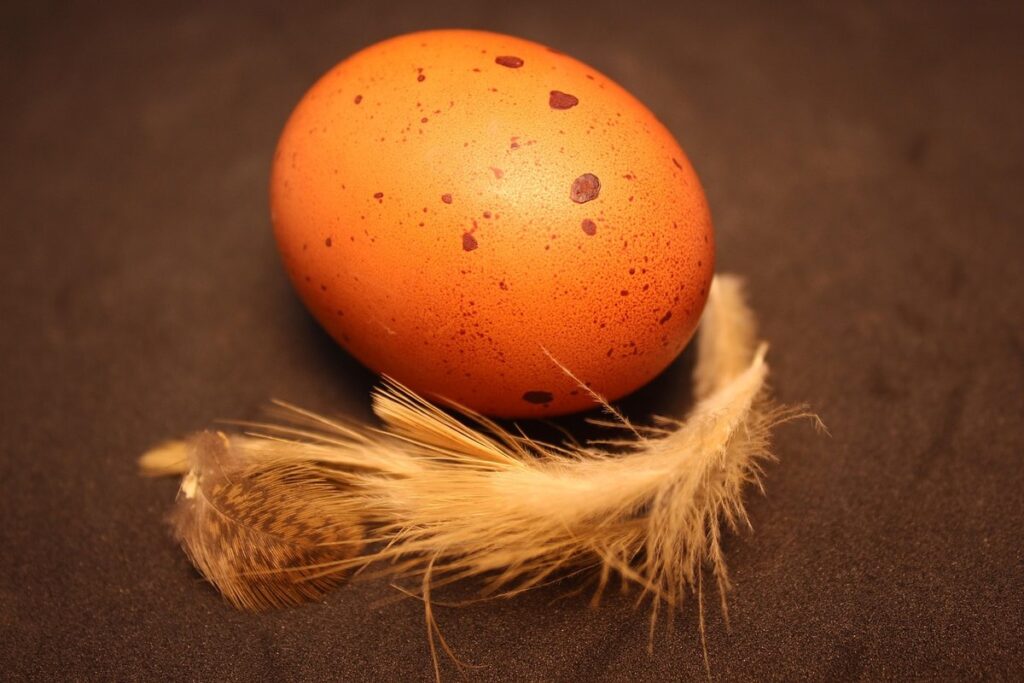
One of the most distinctive features of the Chocolate Egger Marans breed is its ability to lay dark-brown eggs with a range of unique characteristics. The color and quality of these eggs are largely determined by genetics, but several factors also play a role in their signature appearance.
Shell thickness is one key factor that affects the appearance of the egg’s color. Thicker shells tend to be more prone to darker pigmentation due to the increased presence of iron oxides in the shell membrane. This means that breeds with thicker shells, like the Chocolate Egger Marans, are likely to produce eggs with a richer, darker brown hue.
In terms of shape and size, Eggs laid by the Chocolate Egg Marars are typically medium-sized, around 30-40 grams each, but can vary depending on factors such as nutrition and individual bird characteristics. Their elliptical shape is due in part to the way the hen sits while laying her eggs, with the pointed end of the egg always facing upwards.
The unique combination of genetics, shell thickness, shape, and size all contribute to the distinctive appearance of Chocolate Egger Marans eggs. If you’re looking to raise this breed yourself, keep an eye on your hens’ nutrition and living conditions – a balanced diet rich in iron will help support the production of those beautiful dark-brown eggs!
Breed Standards for Chocolate Egg Marans
When it comes to understanding the ideal characteristics of the Chocolate Egg Marans breed, it’s essential to refer to the official breed standards set by organizations such as the American Poultry Association (APA). According to the APA, a truebred Chocolate Egg Marans should exhibit distinct physical and behavioral traits.
The breed standard specifies that the roosters should weigh between 5.5 and 6.3 pounds, with hens weighing between 4.9 and 5.7 pounds. They should have a broad, rounded body type, with a deep chest and well-sprung ribs. The plumage is where the Chocolate Egg Marans truly stands out – they should have a beautiful, rich chocolate brown color with an iridescent sheen that appears as a coppery or gold tint in the right light.
In terms of egg-laying, the APA breed standard states that hens should produce an average of 150-160 dark chocolate-brown eggs per year. They should also be friendly and docile, making them a great addition to backyard flocks.
Health Considerations
When it comes to bringing home a Chocolate Egg Marans, there are some essential health considerations you’ll want to be aware of to ensure your new flock member stays happy and healthy.
Common Health Issues in Chocolate Egg Marans
Chocolate egg marans are generally known for their hardiness and robust health. However, like all breeds, they can be prone to certain health issues. One of the most common problems is obesity, which can lead to a range of other complications such as heart disease and diabetes. This is often caused by overfeeding or lack of exercise, so it’s essential to monitor their diet and ensure they are getting enough physical activity.
Another potential issue that affects chocolate egg marans is respiratory problems. They can be prone to conditions like bronchitis and pneumonia due to their sensitive respiratory system. To manage this, make sure your chickens have a clean and well-ventilated coop, and consider providing them with supplements or probiotics to boost their immune system.
Marek’s disease is also a risk for chocolate egg marans, which is a viral infection that affects the nervous system. This can be prevented by vaccinating your birds regularly and practicing good biosecurity measures.
It’s essential to keep an eye out for any signs of illness in your chickens, such as lethargy, loss of appetite or labored breathing. If you notice any of these symptoms, consult a veterinarian immediately for advice on the best course of treatment.
Nutritional Needs and Dietary Requirements
Chocolate egg marans are known for their striking appearance, but did you know that their unique coloration comes with specific nutritional requirements? These birds require a balanced diet to maintain their glossy, dark brown feathers and vibrant red eyes. A key consideration is the high amount of carotenoids they need to produce these intense colors.
To meet this demand, chocolate egg marans benefit from a diet rich in beta-carotene and lycopene. Include leafy greens like kale and collard greens, as well as yellow vegetables such as sweet potatoes and squash, to provide essential vitamins and minerals. Offer fruits high in vitamin A, like apricots and cantaloupe, to support overall health.
In addition to carotenoids, chocolate egg marans require a diet with adequate protein to maintain muscle mass and feather growth. Ensure their feed includes at least 16% protein from animal-based sources or supplement with crushed oyster shells for added calcium. Consider adding probiotics to their diet to promote digestive health and reduce the risk of disease.
By providing your chocolate egg marans with these essential nutrients, you’ll be able to maintain their stunning appearance and overall well-being.
Environmental Factors Affecting Their Health
When it comes to raising Chocolate Egg Marans chickens, environmental factors play a significant role in their overall health and well-being. Climate is one of the primary considerations, as these birds are sensitive to extreme temperatures. If you live in an area with scorching summers or freezing winters, you’ll need to provide adequate shelter and ventilation for your flock.
Housing conditions also have a direct impact on their health. Chocolate Egg Marans chickens require regular cleaning of their living space to prevent the buildup of bacteria and parasites. Make sure to provide enough room for them to move around comfortably, as overcrowding can lead to stress and disease.
The prevalence of diseases within the flock is another critical environmental factor to consider. Chicken diseases like avian influenza and Newcastle disease can spread quickly through a flock, so it’s essential to maintain high biosecurity standards and monitor your birds regularly for signs of illness. By being aware of these environmental factors and taking proactive steps to mitigate them, you can help keep your Chocolate Egg Marans chickens healthy and thriving.
In terms of specific advice, be sure to:
* Provide shade and ventilation in hot weather
* Clean the coop at least once a week during peak production season
* Monitor for signs of illness daily, such as changes in appetite or droppings
* Isolate new birds from the main flock for 30 days to prevent disease transmission
Housing and Management
When it comes to owning a chocolate egg marans chicken, providing a safe and healthy environment is crucial for their well-being. In this section, we’ll explore housing options and management tips specifically tailored for your new feathered friend.
Providing Optimal Living Conditions
When it comes to providing optimal living conditions for your Chocolate Egg Marans chicken, you’ll want to prioritize their comfort and well-being. A spacious coop is essential, with a minimum size of 3-4 square feet per bird inside the coop, and an additional 8-10 square feet in the run. This will give them ample room to stretch their wings and move around.
Ventilation is also crucial, especially in hot climates or during warm weather. Ensure that your coop has adequate airflow by installing windows, vents, or a screened area to let in fresh air. You can also add a layer of bedding material like straw or pine shavings to help regulate the temperature and keep the coop dry.
Don’t forget about nesting boxes! Chocolate Egg Marans chickens are prolific layers, producing an average of 200-220 brown eggs per year. Provide one nesting box per 3-4 hens, and make sure it’s dark, quiet, and accessible. Add some soft bedding like hay or straw to entice your girls to lay their eggs comfortably.
In addition to these basics, consider adding some enrichment elements to keep your flock happy and engaged. You can hang treats like fruit or vegetables from the coop ceiling or add toys and scratching posts to stimulate their natural foraging behavior.
Managing a Flock of Chocolate Egg Marans
Managing multiple Chocolate Egg Marans birds requires careful planning and attention to their needs. When it comes to feeding, a good rule of thumb is to provide about 1/4 pound of food per bird per day. You’ll need to consider the age, sex, and size of your flock when determining the best feed for them. For example, younger or growing birds will require more protein-rich feed, while older hens can thrive on a lower-protein feed.
Watering is also crucial in a group setting. Make sure each bird has access to clean, fresh water at all times. Consider using automatic watering systems or nipple drinkers to make it easier for your flock to stay hydrated. Regularly inspect the health of your birds by monitoring their droppings, behavior, and overall appearance.
Keep an eye out for signs of stress or illness, such as labored breathing or lethargy. If you notice any unusual behaviors or physical symptoms, consult a veterinarian experienced in poultry care immediately. Keep detailed records of your flock’s health to help identify potential issues early on.
Integrating with Other Breeds
Integrating chocolate egg marans with other breeds can be a great way to create a diverse and interesting flock. However, it’s essential to consider the temperament and needs of both breeds before introducing them to each other. Chocolate egg marans are known for their friendly and docile nature, making them an excellent choice for families or small farms.
When integrating chocolate egg marans with other breeds, start by introducing them slowly and under close supervision. Begin with a secure enclosure where the birds can get accustomed to each other’s presence without feeling threatened. For example, you can introduce your adult hens to new chickens during their morning routine when they’re most active.
Some breeds that complement chocolate egg marans well include brahmas, orpingtons, and golden comedians. These breeds share similar temperaments and adaptability, making integration smoother. Avoid mixing aggressive breeds like silkie bantams with your gentle chocolate egg marans, as this can lead to stress and potential conflicts.
Monitor body language carefully, watching for signs of aggression or submission. Be patient and allow the birds time to adjust to each other’s presence. With proper introduction and management, you can create a harmonious flock that benefits from their diverse characteristics and traits.
Raising Chicks and Juveniles
Raising Chocolate Egg Marans chicks and juveniles requires a delicate balance of care, socialization, and nutrition to ensure they grow into healthy adult birds. Let’s explore some tips for successful rearing in this section.
Chick Development and Growth Stages
As you raise your Chocolate Egg Marans chicks, understanding their growth stages is crucial for their development and health. From hatch to maturity, these adorable birds will go through several milestones that indicate healthy growth.
The first week after hatching is a critical period of feather development. During this time, your chick’s downy feathers will start to emerge, followed by the formation of fluffy pin feathers around 7-10 days old. By day 14, their juvenile flight feathers will begin to grow in, and by three weeks, they’ll have started to develop into adult-like feathers.
In terms of weight gain, a healthy chick should triple its birth weight within the first week and reach 1 pound by six weeks. Monitor your chicks’ growth closely during this period, ensuring they’re eating enough food and staying hydrated.
As for behavioral changes, you can expect your chicks to become more active around two weeks old. They’ll start venturing out of their coop and exploring their surroundings cautiously. Be prepared to provide a safe and stimulating environment that encourages learning and development.
Nutritional Needs During Critical Growth Periods
Raising chicks and juveniles requires careful attention to their nutritional needs, particularly during critical growth periods. These periods are characterized by rapid growth, development, and immune system maturation. For Chocolate Egg Marans chicks, the first 18 weeks of life are crucial for laying a strong foundation for overall health and fertility.
From day-old to 4-6 weeks old, chicks require starter feed with 16-20% protein content. This high-protein diet supports their rapid growth rate during this period. As they transition from brooder to grow-out facilities around week 5-6, shift to a grower feed with 15-18% protein content. Adequate calcium and phosphorus levels are also essential for bone development.
Critical periods of growth coincide with significant changes in nutritional requirements. Around week 14-16, chicks require a nutrient-dense layer feed with 12-14% protein content to support reproductive maturation. This is an ideal time to introduce oyster shells or crushed eggshells as a calcium supplement to prevent any potential issues later on.
Health Checks and Monitoring Chicks
As you raise your Chocolate Egg Marans chicks, it’s essential to keep a close eye on their health and development. Young birds are more susceptible to illness and stress, so regular monitoring is crucial to prevent potential problems.
Check your chicks daily for signs of health issues such as lethargy, labored breathing, or ruffled feathers. Look for changes in appetite, droopy wings, or an unusual amount of dust bathing. Be aware that some breeds are more prone to specific health issues; the Chocolate Egg Marans is generally a hardy bird but can be susceptible to Marek’s disease and respiratory problems.
Early signs of illness include runny eyes, sneezing, and changes in droppings. Monitor your chicks’ ventilation, ensuring good airflow and maintaining a clean environment. Keep an eye on their weight gain, as slow growth may indicate a health issue. If you notice any unusual behavior or symptoms, consult with a veterinarian experienced in poultry care.
Regular health checks can help identify potential problems early on, allowing for prompt treatment and minimizing the risk of complications.
Conclusion
As you’ve learned more about the fascinating world of Chocolate Egg Marans chickens, it’s time to summarize what makes them so special and wrap up your journey. Let’s reflect on the key takeaways from this comprehensive guide.
Recap of Key Points and Takeaways
As we conclude our comprehensive guide to the chocolate egg marans chicken, let’s recap the key points and takeaways to help you confidently keep these lovely birds.
When it comes to choosing the right breed for your flock, it’s essential to consider the chocolate egg marans’ unique characteristics. These birds are known for their dark, chocolate-brown eggs and friendly demeanor, making them an excellent addition to any backyard chicken coop.
To ensure a happy and healthy chocolate egg marans flock, make sure to provide them with plenty of space to roam and exercise. A minimum of 2-3 square feet per bird is recommended, but the more space you can offer, the better.
Additionally, be aware that these birds are prone to health issues such as respiratory problems and obesity, so regular check-ups with a veterinarian and a balanced diet are crucial. With proper care and attention, your chocolate egg marans will thrive and reward you with delicious eggs for years to come.
By following these guidelines and tips, you’ll be well on your way to successfully raising a happy and healthy chocolate egg marans flock.
Resources and Further Reading
If you’re captivated by the charm of Chocolate Egg Marans chickens and want to delve deeper into their unique characteristics, health considerations, and breed-specific challenges, there are numerous resources available for further exploration. Online forums such as BackYard Chickens or Chicken Forums are excellent platforms to connect with experienced chicken keepers who share valuable insights, advice, and personal anecdotes about breeding, caring, and managing these fascinating birds.
For those interested in exploring breed history, genetic diversity, and breed standards, the American Poultry Association (APA) website is an invaluable resource. The APA provides comprehensive information on breed characteristics, including temperaments, egg-laying capacity, and plumage features specific to Chocolate Egg Marans chickens. Additionally, reputable breeders’ organizations like the Rare Breeds Survival Trust or local poultry associations often offer breeding stock, expert advice, and networking opportunities for enthusiasts seeking to establish their own flocks.
By engaging with these resources, you’ll not only gain a deeper understanding of this captivating breed but also have access to a supportive community that shares your passion for preserving and promoting unique chicken breeds.
Frequently Asked Questions
How do I know if a Chocolate Egg Marans is suitable for my climate?
Chocolate Egg Marans are heat-tolerant birds, but they still require adequate ventilation and protection from extreme temperatures. If you live in an area with high humidity or intense sunlight, consider providing shade, fans, or misting systems to keep them comfortable.
Can I integrate a Chocolate Egg Marans into an existing flock of chickens?
Yes! Chocolate Egg Marans are generally friendly birds that get along well with other breeds. However, introducing new birds can be stressful for the flock, so it’s essential to follow proper integration protocols and monitor their behavior closely.
How often should I collect eggs from my Chocolate Egg Marans?
You’ll want to collect eggs daily to encourage continued egg production and prevent breakage. Also, consider providing a nesting box with adequate bedding material to promote comfortable egg-laying habits.
What are the key nutritional needs of young Chocolate Egg Marans chicks?
Chicks require a starter feed rich in protein (18-20%) for optimal growth and development. Make sure their water is fresh and easily accessible at all times, and supplement their diet with calcium sources like crushed oyster shells or dark leafy greens.
Are there any specific health considerations I should be aware of when raising Chocolate Egg Marans?
Yes! This breed can be prone to issues like Marek’s disease, so ensure you follow proper vaccination protocols. Regular health checks, clean living conditions, and a balanced diet will also help prevent common problems. Consult with a veterinarian for personalized advice.