
Are you fascinated by the vibrant plumage and charming personality of Cockerel Wyandottes? These stunning birds have captivated poultry enthusiasts for centuries, and for good reason. With their rich history and unique characteristics, it’s no wonder why breeders and owners alike are eager to learn more about these exceptional fowl.
If you’re new to the world of Cockerel Wyandottes or looking to improve your knowledge on how to raise, show, and breed them, this article is for you. We’ll delve into the history of this beloved breed, exploring its origins and evolution over time. You’ll also discover the key characteristics that make Cockerel Wyandottes stand out from other breeds, as well as expert advice on providing top-notch care and attention to these beautiful birds. Whether you’re a seasoned breeder or just starting your poultry journey, our comprehensive guide will help you unlock the secrets of the Cockerel Wyandotte breed.
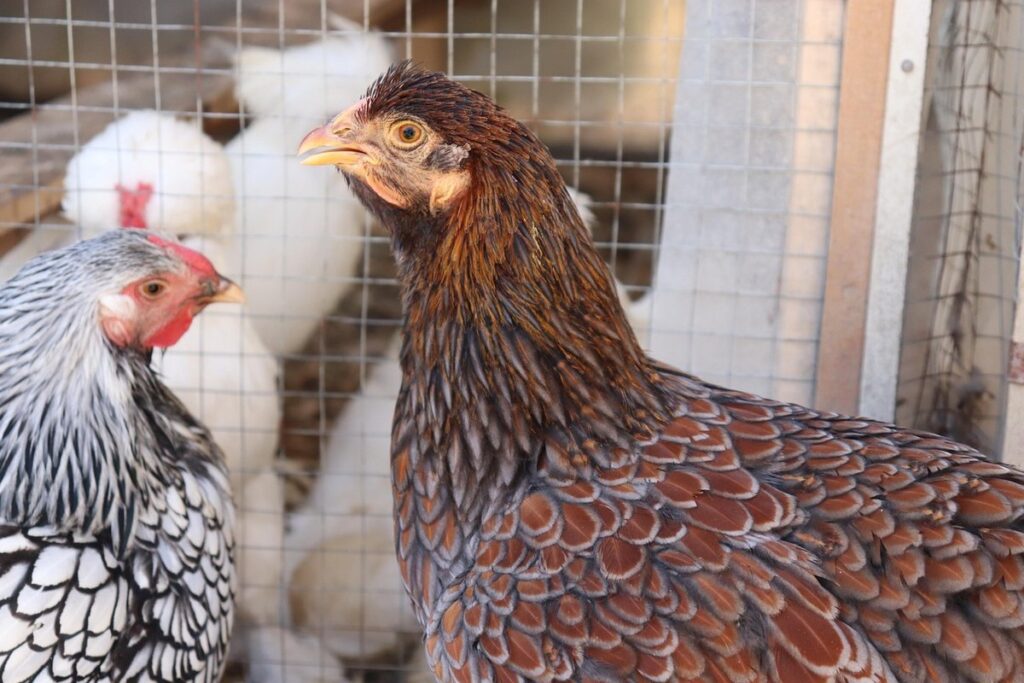
History and Origins of the Cockerel Wyandotte
The Cockerel Wyandotte breed has a rich history that spans over a century, originating from the United States in the mid-19th century. Let’s delve into its fascinating origins and evolution.
Early Development and Purpose
The Cockerel Wyandotte’s rich history begins in the 19th century when it was developed from other breeds to create a show-stopping bird. Initially, its purpose was to be a show bird, and it excelled at this task due to its striking appearance. The breeders aimed to produce a bird that was not only visually stunning but also had a robust constitution.
The Cockerel Wyandotte’s development is attributed to the cross-breeding of various breeds, including the English Game Fowl, Brahma, and Cochin. This strategic breeding resulted in a bird with exceptional plumage, a broad chest, and strong legs. The breeders’ focus on producing a show-worthy bird led to the creation of distinct varieties within the Cockerel Wyandotte breed.
Today’s breeders can learn from this history by understanding the importance of selective breeding for specific traits. By identifying the desired characteristics of their flock, they can make informed decisions when selecting birds for breeding purposes. This approach allows them to create a consistent and high-quality product that meets market demand.
Key Breeders and Their Contributions
One of the most fascinating aspects of the Cockerel Wyandotte’s history is the contributions of influential breeders who helped shape this stunning breed. Among them are Colonel Mahlon Bates and Mrs. A. E. Ball, two pioneers whose innovative approaches significantly impacted the development of the Cockerel Wyandotte.
Colonel Mahlon Bates, a renowned breeder from Indiana, is credited with introducing some of the breed’s signature characteristics, including its sleek, silver-dusted plumage and delicate earlobes. His innovative breeding program involved carefully selecting and crossing birds from various bloodlines to achieve the desired traits. The results were nothing short of remarkable: a bird that combined elegance with robust health and vigor.
Mrs. A. E. Ball, another pioneering breeder, made significant contributions to the Cockerel Wyandotte’s development through her meticulous attention to detail and dedication to selective breeding. By focusing on birds with exceptional temperament and movement, she helped refine the breed’s overall quality and aesthetic appeal. Today, the legacy of these visionary breeders continues to inspire enthusiasts and breeders alike, ensuring the Cockerel Wyandotte remains a beloved and sought-after breed for generations to come.
The approaches and innovations introduced by these trailblazers offer valuable lessons for modern breeders and enthusiasts. By studying their methods and focusing on selective breeding, careful selection, and attention to detail, you can help ensure the continued excellence of this magnificent breed.
Evolution Over Time
As the years passed, the Cockerel Wyandotte underwent significant changes, reflecting the evolving tastes of poultry enthusiasts and breeders. Initially, the breed was developed for its stunning appearance, with a focus on vibrant colors and intricate patterns. However, as time went by, breeders began to emphasize other desirable traits, such as egg-laying ability and overall hardiness.
One notable influence on the breed’s evolution was the introduction of new shows and competitions. In response to these changes, breeders adapted their breeding strategies, focusing on characteristics that would stand out in these new environments. For example, during the late 19th century, the American Poultry Association began hosting national poultry shows, which led breeders to emphasize certain traits like feather quality and conformation.
Today’s Cockerel Wyandotte is a testament to this selective breeding process. While still prized for its striking appearance, the modern breed has also become renowned for its robust health and impressive egg-laying capabilities. If you’re considering adding one of these birds to your flock, be aware that their ancestors were bred primarily as ornamental animals, so they may not have been developed with the same level of hardiness or foraging ability as other breeds.
Some breeders have successfully adapted the Cockerel Wyandotte to meet modern demands by incorporating more practical traits into their breeding programs. For instance, cross-breeding with other robust breeds has helped to enhance the flock’s overall fertility and productivity.
Characteristics of the Cockerel Wyandotte
One of the most distinctive characteristics of the Cockerel Wyandotte is its striking plumage, which comes in a range of vibrant colors and patterns.
Physical Traits
One of the most distinctive features of the Cockerel Wyandotte is its stunning physical appearance. When it comes to plumage, this breed boasts a rich and vibrant mix of colors, with males typically displaying iridescent sheens on their necks, backs, and tails. The feathers are generally long and flowing, with a soft texture that catches the eye.
In terms of beak shape, Cockerel Wyandottes have a medium-sized beak that is straight and slightly curved upwards at the tip. This unique shape allows them to easily forage for food and manipulate their food in their beaks. The eyes are bright and expressive, typically ranging from deep brown to golden yellow in color.
The comb on a Cockerel Wyandotte is another defining feature – it’s large and fan-shaped, with five or six distinct points that give the bird its distinctive appearance. Adults typically reach weights of between 4-5 pounds (1.8-2.3 kg), making them a sturdy but agile breed.
When it comes to size, Cockerel Wyandottes are generally medium-sized birds, growing to around 16 inches in height and width. Overall, their physical traits make them one of the most recognizable breeds in the world.
Temperament and Personality
One of the most endearing qualities of the Cockerel Wyandotte breed is its temperament. Known for being extremely friendly, docile, and trainable, this breed makes an ideal companion for families and first-time chicken keepers alike.
Their friendly nature means that they are not only approachable but also affectionate. They love human interaction and will often seek out attention from their owners. In fact, many Cockerel Wyandotte owners have reported that their birds would follow them around the yard, eager to be close by.
Their docile temperament also makes them an excellent choice for families with children. They are not prone to aggression or flighty behavior, making them a great addition to any backyard flock.
Trainability is another key aspect of the Cockerel Wyandotte’s temperament. With patience and consistency, these birds can learn a variety of tricks and behaviors, from simple tasks like egg collection to more complex commands.
Overall, the Cockerel Wyandotte’s temperament makes them an excellent choice for anyone looking to add a new feathered friend to their family. With proper care and attention, they will reward you with years of companionship and joy.
Health Considerations
As a proud owner of a Cockerel Wyandotte, it’s essential to be aware of the potential health issues that may affect this beautiful breed. Cockerel Wyandottes are prone to certain health problems due to their genetic makeup and physical characteristics.
One common issue is obesity, which can lead to heart disease, diabetes, and other conditions if left unchecked. To prevent obesity, ensure your bird gets regular exercise by providing a spacious coop with adequate room for movement and engaging in playtime activities such as flying or running around.
Another concern is respiratory problems due to their flat face and compact body type. Regular cleaning of the coop and maintaining good ventilation can help reduce the risk of respiratory issues. Monitor your bird’s health closely, and consult a veterinarian if you notice any signs of illness.
By being proactive about your Cockerel Wyandotte’s health, you can help ensure they live a long and happy life as part of your family. Regular check-ups with a qualified avian veterinarian will also help identify potential issues before they become serious problems.
Housing and Care of the Cockerel Wyandotte
When it comes to caring for your Cockerel Wyandotte, providing a suitable environment is crucial for its overall health and happiness. You’ll need to consider factors like space, ventilation, and temperature control in your home.
Space Requirements
When it comes to providing for your Cockerel Wyandotte’s space needs, it’s essential to consider their adult size. These birds can grow quite large, so you’ll want to ensure their coop and enclosure are spacious enough to accommodate them comfortably.
A minimum of 4-5 square feet of floor space per bird is recommended in the coop area, with additional space for roosting perches. For a Cockerel Wyandotte, a good rule of thumb is to provide one perch bar for every two birds, allowing for about 12-18 inches of space between each bar.
In terms of enclosure size, a fenced area or run that measures at least 8 feet wide by 10 feet long will give your bird plenty of room to roam and exercise. However, if you live in an urban area with limited space, consider investing in a larger coop with a small enclosed area outside, where your Cockerel Wyandotte can enjoy fresh air and sunshine while being safely contained.
Remember, the more space you provide, the healthier and happier your bird will be! With these guidelines in mind, you’ll be well on your way to creating a comfortable home for your beloved Cockerel Wyandotte.
Diet and Nutrition
When it comes to the diet and nutrition of your Cockerel Wyandotte, providing the right balance of nutrients is crucial for their overall health and well-being. As with all breeds, young chicks have different nutritional needs compared to adult birds.
Start by offering a starter feed to your chicks from day one until they reach about four weeks old. These feeds are specifically formulated to provide the necessary proteins, vitamins, and minerals for rapid growth and development during this critical stage. You can also supplement their diet with crushed oyster shells or grit to help support strong bone growth.
As your chicks mature into adult birds, you’ll need to switch them over to a layer feed. This type of feed is designed to promote healthy egg production in hens, but it’s also suitable for cockerels who aren’t laying eggs. Make sure the feed is high-quality and contains essential nutrients such as calcium, phosphorus, and protein.
It’s also important to provide fresh fruits and vegetables as a treat, but avoid giving them avocado, onions, or chocolate, which are toxic to birds. A balanced and varied diet will help keep your Cockerel Wyandotte healthy, happy, and thriving.
Health Checks and Vaccinations
As a responsible cockerel wyandotte owner, it’s essential to prioritize their health and well-being. Regular health checks are crucial to identify potential issues early on, ensuring your feathered friend stays happy and healthy.
Schedule annual health checks with a veterinarian experienced in poultry care. During these visits, they will examine your cockerel for signs of illness or disease, such as labored breathing, lethargy, or changes in droppings. The vet may also perform routine blood tests to monitor for any underlying conditions.
Vaccinations are another vital aspect of maintaining your cockerel’s health. Consult with your veterinarian to determine the best vaccination schedule for your bird, as it will depend on factors like age, location, and individual needs. Common vaccinations include those against Newcastle disease, Infectious Bronchitis, and Fowl Cholera.
Be vigilant about monitoring your cockerel’s behavior and physical condition between health checks. Watch for signs of illness or stress, such as changes in appetite, lethargy, or unusual vocalizations. If you notice anything out of the ordinary, consult with a veterinarian promptly to prevent potential issues from escalating into more severe problems.
Breeding the Cockerel Wyandotte
Breeding the Cockerel Wyandotte requires careful consideration of genetics and compatibility to ensure healthy, robust offspring that embody the breed’s signature characteristics. With a solid understanding of these principles, you’ll be well on your way to raising top-notch birds.
Selecting Suitable Males and Females
When selecting suitable males and females for breeding, several factors come into play. Genetics is a crucial consideration, as it determines the overall health, fertility, and characteristics of the offspring. Look for birds with a strong family history of good egg production, robust health, and desirable traits such as feather quality and color.
Temperament is also vital in breeding Cockerel Wyandottes. A calm and friendly nature is essential to create birds that are easy to handle and socialize. Avoid individuals with aggressive or fearful tendencies, as these can be passed on to their offspring.
Egg production is another important aspect to consider. If you’re looking to breed show-quality birds, fertility may not be as crucial. However, if you plan to raise your Wyandottes for egg-laying purposes, choose females that consistently produce a high number of large, brown eggs.
When evaluating the quality of plumage, look for birds with bright, even coloration and well-defined patterns. Avoid individuals with matted or discolored feathers, as these can indicate underlying health issues. By considering these factors, you’ll increase your chances of breeding healthy, attractive Cockerel Wyandottes that meet your desired standards.
Brooding and Raising Chicks
When it comes to raising healthy chicks from hatching to maturity, proper incubation and temperature control are crucial. If you’re planning to use an incubator, ensure that it’s set between 99-100°F (37.2-37.8°C) for the first 24 hours after setting eggs. Thereafter, maintain a consistent temperature of around 100.5°F (38°C). For natural hatching, provide a safe and draft-free space with adequate ventilation.
Monitor the chicks’ temperature closely, keeping it between 90-95°F (32-35°C) during the first week. After that, gradually increase the temperature to match their growth rate. A consistent humidity level of 40-50% is also vital for healthy development. Keep in mind that overcrowding can lead to health issues; provide at least one square foot of space per chick.
To ensure proper brooding, have a heat source available and position it under a brooder or a heat lamp. You’ll want the chicks to be able to move away from the heat if needed. Also, make sure there’s adequate light exposure for vitamin D3 production – essential for calcium absorption and strong bone growth. A balanced diet with starter feed will also support healthy development during this critical stage.
Cockerel Wyandotte Egg Production
When it comes to egg production, cockerel wyandottes are known for their impressive laying abilities, producing a steady supply of eggs throughout the year. Let’s take a closer look at their average daily output and some tips on how to maximize their performance.
Average Daily Yield
When it comes to egg production, Cockerel Wyandotte hens are known for their moderate to high output. On average, a mature female will lay around 280-300 eggs per year, which translates to about 5-6 eggs per week or 20-24 eggs per month. This is slightly above the breed standard of other American breeds.
However, individual egg-laying performance can vary depending on factors such as nutrition, health, and living conditions. To encourage optimal egg production, make sure your girls have access to a balanced diet rich in protein, calcium, and other essential nutrients. Provide them with plenty of space to roam and engage in foraging activities, which will help stimulate their natural behaviors.
As a rough estimate, you can expect to collect around 280-300 eggs per year from each mature Cockerel Wyandotte hen. Keep in mind that these numbers may vary slightly depending on individual birds and environmental factors. With proper care and management, your girls should be able to reach their full egg-laying potential and provide you with a steady supply of fresh eggs throughout the year.
Factors Affecting Egg Production
When it comes to egg production in Cockerel Wyandottes, several factors can influence their performance over time. Environmental conditions play a significant role, with temperature fluctuations affecting the hen’s ability to regulate her body heat and maintain reproductive health.
Diet also has a substantial impact on egg production. A well-balanced diet that includes essential nutrients such as protein, calcium, and vitamins is crucial for maintaining healthy egg-laying. Ensure your hens have access to fresh water at all times, and consider supplementing their feed with probiotics or oyster shells to support digestive health.
Health considerations should also be taken into account. Regular check-ups with a veterinarian can help identify any potential issues that may impact egg production. Factors such as age, breeding quality, and genetics can all influence an individual hen’s egg-laying capacity, so it’s essential to understand these factors when selecting birds for your flock.
Showing the Cockerel Wyandotte
When it comes time to show off your stunning Cockerel Wyandotte, you’ll want to make sure you’re familiar with the breed standard and how to present them in their best light. Here’s a rundown on what to expect.
Breed Standards and Judging Criteria
When showing a Cockerel Wyandotte at a poultry show, judges carefully evaluate each bird to determine its conformance to breed standards. One of the most crucial aspects is plumage condition. Judges look for feathers that are well-laid, smooth, and free from matting or tangles. A good rule of thumb is to ensure your bird’s feathers are brushed regularly to prevent breakage and keep them in top condition.
Another important factor is beak shape and size. The Cockerel Wyandotte’s beak should be short, stout, and broad at the base, tapering slightly towards the tip. A well-formed beak is essential for pecking and grasping feed.
Body type is also a critical aspect of judging. The Cockerel Wyandotte should have a compact, deep body with a rounded breast and well-sprung ribs. The bird’s legs and feet should be strong and clean, free from feathering on the toes. To achieve this perfect body type, focus on providing a balanced diet that promotes overall health and well-being.
When preparing your Cockerel Wyandotte for show, remember to pay attention to every detail, from plumage to beak shape and body type. By doing so, you’ll increase your chances of impressing the judges and bringing home a winning trophy.
Preparing Your Bird for Show
When preparing your Cockerel Wyandotte for show, it’s essential to focus on grooming, training, and acclimating them to the show environment. Start by getting familiar with the breed standard, which emphasizes a sturdy build, balanced proportions, and a striking appearance.
Grooming is crucial in highlighting the bird’s best features. Trim the feathers around the eyes, wings, and tail to create a neat and polished look. Pay attention to the beak, as it should be straight and well-shaped. Regular cleaning of the legs and feet will also enhance the overall appearance.
Training is equally important, as a well-behaved bird is more likely to win judges over. Teach your Cockerel Wyandotte to stand still on command, walk calmly, and respond promptly to commands. Practice handling and restraint techniques to ensure they become comfortable with being held and manipulated during judging.
Acclimating your bird to the show environment will also make a significant difference. Expose them to loud noises, bright lights, and new surroundings to help them adjust and feel more confident in these settings. This will not only reduce stress but also allow them to showcase their best qualities under pressure.
Frequently Asked Questions
How can I determine if a Cockerel Wyandotte is suitable for my backyard flock?
A well-suited Cockerel Wyandotte should possess good temperament, be relatively low-maintenance, and thrive in an environment that provides adequate space and nutrition. Consider factors like climate adaptation, noise levels, and potential aggression towards other birds when selecting the right breed for your needs.
What are some essential tips for introducing a new Cockerel Wyandotte to my existing flock?
Introducing a new bird requires patience and careful planning. Ensure that both the new bird and the established flock have separate areas to acclimate to each other’s presence without stress or aggression. Supervise their interactions closely, providing ample food, water, and shelter during the transition period.
Can Cockerel Wyandottes be used for meat production, and how does it compare to other breeds?
Yes, while they are primarily raised for eggs and ornamental purposes, some breeders also raise them for their meat. Compared to other breeds, Cockerel Wyandotte’s flesh is leaner with a firmer texture but tends to have less fat content.
What are some common health issues associated with the Cockerel Wyandotte breed?
Like many poultry breeds, they can be prone to conditions such as respiratory infections, Marek’s disease, and vent gleet. Regular vaccinations, maintaining good hygiene, and monitoring their diet can help prevent these issues. Also, ensure access to clean water and a balanced nutrition that meets their specific needs.
How do I prepare my Cockerel Wyandotte for showing at poultry exhibitions?
To prepare your bird for judging, familiarize yourself with breed standards and specific requirements for the Cockerel Wyandotte. Ensure they are well-groomed, adhering to specific feather patterns and colors. Practice handling and training to make them comfortable in a show environment.