
When it comes to egg yolks, their vibrant colors often spark curiosity. Have you ever wondered why some eggs have deep orange or red yolks while others are pale yellow? It’s not just about aesthetics; egg yolk color is a reflection of the fascinating interplay between genetics, diet, and pigmentation. But beyond mere appearance, different colored egg yolks also hold distinct nutritional benefits and cultural significance. In this article, we’ll delve into the science behind chicken egg yolk colors, exploring how they’re influenced by factors such as feed composition, breed type, and geographical location. By examining the role of these variables, you’ll gain a deeper understanding of what it means to choose eggs with vibrant yolks – and why their rich color may be more than just a pleasant surprise in your breakfast plate.
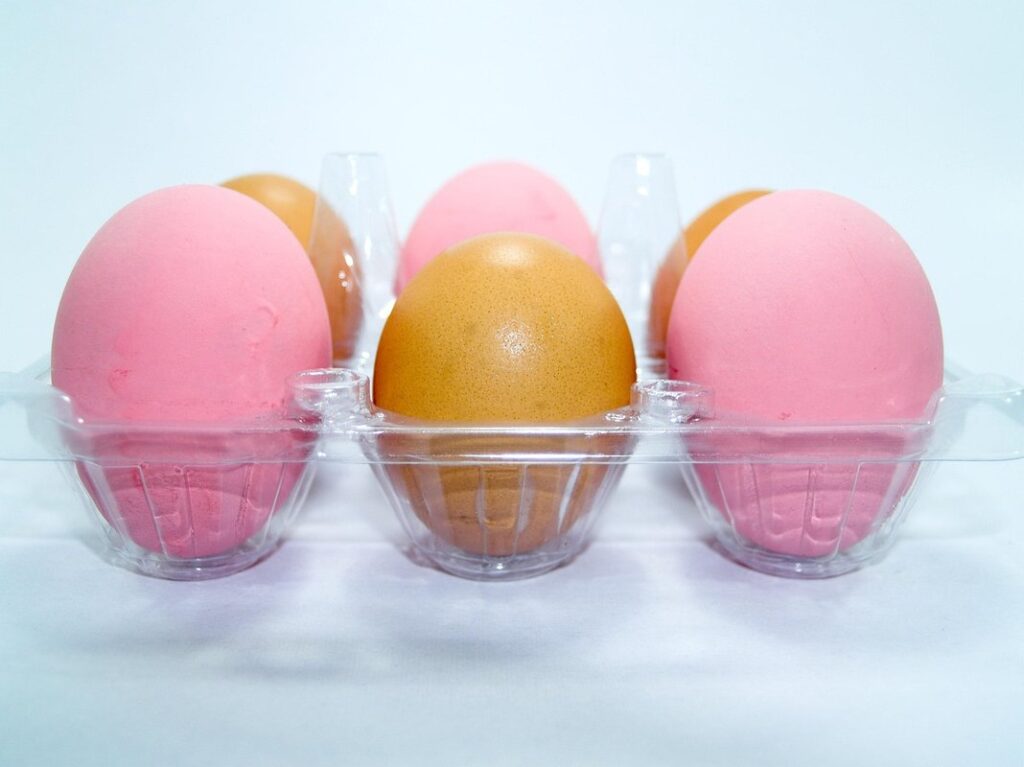
Understanding the Basics of Egg Yolks
Let’s break down what makes up an egg yolk and explore its unique characteristics that influence its color. This will give you a solid foundation for understanding the rest of the article.
What Determines Egg Yolk Color?
When it comes to egg yolk color, you might wonder what determines this characteristic. The truth is that several factors come into play, and understanding these can help you make informed choices about the eggs you buy or produce.
First and foremost, genetics play a significant role in determining egg yolk color. Different breeds of chickens are bred for specific traits, including their egg-laying abilities and the characteristics of their eggs. For instance, Marans hens lay eggs with deep reddish-brown yolks due to their genetic makeup. This breed’s ancestors were specifically selected for their dark-colored eggs, which is why this trait has been passed down through generations.
In addition to genetics, a chicken’s diet also affects the color of its egg yolk. Hens fed on foods rich in pigments like beta-carotene and lycopene will produce eggs with more vibrant yolks. These nutrients are commonly found in vegetables like leafy greens, carrots, and tomatoes. So, if you’re looking to enhance your flock’s egg-laying abilities or the color of their yolks, consider adding these foods to their diet.
The age of the chicken also impacts egg yolk color. As hens mature, their eggs tend to become more stable in terms of yolk color. Younger hens may lay eggs with paler or more irregularly colored yolks due to fluctuations in their reproductive system and nutrient uptake.
Common Egg Yolk Colors: A Guide for Beginners
As you begin to explore the world of egg yolks, you’ll notice that they come in a variety of colors. While some might seem unusual at first glance, each color has its own significance and can indicate the nutritional content or characteristics of the egg. Let’s take a closer look at five common egg yolk colors: yellow, white, pink, brown, and blue.
A bright yellow yolk is often associated with pasture-raised eggs or those from hens that have access to omega-3 rich foods like algae or fish oil supplements. These yolks are high in vitamins A and E, as well as antioxidants. White egg yolks, on the other hand, tend to come from hens that eat a diet low in omega-3s and may be more common in commercial egg production.
Pink or reddish-colored yolks can be a sign of a hen’s diet rich in beta-carotene, often found in orange or yellow vegetables. Brown egg yolks might seem similar to yellow ones but are actually caused by the presence of biliverdin, a pigment produced during hatching. Blue or green yolk colors are relatively rare and usually occur when a hen consumes a diet high in blue-green algae or certain types of seaweed.
While these color variations can be interesting, it’s essential to note that egg yolk color doesn’t necessarily determine its quality or safety for consumption. If you’re interested in trying eggs with specific characteristics, consider visiting local farmers’ markets or contacting nearby farms directly to inquire about their production methods and egg yolk colors.
The Importance of Egg Yolk Color in Nutrition
When it comes to choosing eggs, the color of the yolk is more than just a visual preference – it can also be an indicator of nutritional value. Let’s dive into why egg yolk color matters in our diet.
Nutritional Benefits of Darker Egg Yolks
When it comes to choosing eggs, many people focus solely on the white and brown egg options. However, if you’re looking for a more nutritious choice, consider opting for darker egg yolks instead. Darker egg yolks are packed with a higher concentration of antioxidants and vitamins A and E compared to lighter yolks.
This is because hens that produce darker eggs have access to a more varied diet rich in fruits, vegetables, and grains, which they pass on to the yolks. In fact, studies have shown that eggs from pasture-raised chickens contain up to 30% higher levels of vitamin A than those from conventionally raised hens.
Eating eggs with high levels of vitamins A and E can provide a range of health benefits, including improved vision, immune function, and even reduced risk of certain cancers. So how do you incorporate darker egg yolks into your diet? Start by choosing eggs from local farmers who raise their chickens on pasture or consider purchasing eggs labeled as “pasture-raised” at your local grocery store.
Remember to consume egg yolks in moderation, as they are high in cholesterol. A good rule of thumb is to limit yourself to 4-5 egg yolks per week, and pair them with healthier fats like avocado or olive oil for maximum nutrition.
Do Lighter Egg Yolks Have Any Advantages?
While it’s often assumed that darker egg yolks are richer in nutrients, research suggests that lighter egg yolks can have their own advantages. In fact, a study published in the Journal of Agricultural and Food Chemistry found that lighter yolk color is associated with higher levels of omega-3 fatty acids. This is because chickens that produce lighter eggs tend to eat more algae-rich feed, which is rich in these essential fatty acids.
In contrast, darker egg yolks may be more indicative of a chicken’s consumption of lutein and zeaxanthin-rich feed, such as marigold petals or blue corn, which are beneficial for eye health. So, while both lighter and darker egg yolks have their own nutritional strengths, it ultimately comes down to the type of feed your chickens are eating.
If you’re looking to maximize the nutritional benefits of your eggs, consider consulting with a local farmer about their feeding practices or trying to source eggs from farms that prioritize nutrient-rich feed.
The Role of Genetics in Egg Yolk Color
You may wonder how genetics influence that beautiful golden yolk you crack open every morning, and it all starts with a fascinating mix of inherited traits. Let’s explore this complex dance of genes.
How Breed Determines Egg Yolk Color
When it comes to egg yolk color, genetics play a significant role. Different chicken breeds contribute to varying levels of carotenoid pigments in the eggs, which is responsible for the range of colors seen in egg yolks. Some breeds are more likely to produce eggs with deep orange or red yolks due to their genetic makeup.
For instance, breeds like Marans and Barnevelder tend to lay eggs with darker, richer yolk colors due to their high levels of astaxanthin, a carotenoid pigment produced in the hen’s liver. On the other hand, some heritage breeds like Leghorns often produce lighter-colored yolks because they have lower levels of this pigment.
To give you an idea of just how much breed affects egg yolk color, consider that a study found that eggs from Marans hens contained about 20% more carotenoids than those from Leghorns. By choosing breeds known for their rich, dark yolks, backyard chicken keepers can create a more varied and colorful carton of eggs. This is especially exciting for small-scale farmers or homesteaders looking to differentiate their product in the market.
Genetic Factors Influencing Egg Yolk Color
When it comes to egg yolk color, genetics play a significant role in determining its hue. The two primary pigments responsible for egg yolk color are xanthophylls (yellow and orange) and carotenoids (red, yellow, and orange). Genetic factors influence the production of these pigments, which in turn affect the overall color of the egg yolk.
The genetics of egg yolk color is complex, involving multiple genes that interact with each other to produce different colors. For example, Marans eggs owe their dark chocolate-brown color to a specific combination of genes that enhance the production of porphyrins and melanoidins. Similarly, Araucana eggs get their pale yellow or green tint due to the presence of a specific gene that reduces the amount of xanthophylls produced.
Interestingly, research has shown that genetics can also influence the stability of egg yolk color over time. For instance, some breeds tend to retain their intense colors longer than others. By understanding the genetic factors at play, farmers and breeders can select for lines that produce eggs with desirable colors and textures. This knowledge is essential in breeding programs focused on optimizing egg quality and appearance.
The Impact of Diet on Egg Yolk Color
The way a chicken eats can actually influence the color and richness of its egg yolks, with some foods producing a deeper yellow hue. Let’s take a closer look at how diet affects yolk color.
How Different Diets Affect Egg Yolk Color
When it comes to egg yolk color, dietary components play a significant role. Two key compounds, carotenoids and xanthophylls, are responsible for the vibrant hues we see in eggs. Carotenoids, found in yellow and orange fruits and vegetables like carrots, sweet potatoes, and squash, deposit their pigments into the yolks, resulting in deeper yellows and oranges.
Xanthophylls, on the other hand, contribute to greenish and brownish tones. They’re abundant in leafy greens such as spinach, kale, and collard greens. A diet rich in these foods will produce eggs with a more pronounced greenish tint. The combination of carotenoids and xanthophylls can also lead to beautiful shades of golden, olive, or even reddish hues.
If you’re looking to influence the color of your egg yolks, experiment with incorporating different fruits and vegetables into your flock’s diet. For instance, adding a mix of leafy greens and sweet potatoes will yield eggs with a striking yellow-orange color. Keep in mind that excessive intake can result in an overly intense hue, so balance is key.
Dietary Changes to Enhance Egg Yolk Color
When it comes to enhancing egg yolk color through dietary changes, farmers and backyard chicken keepers have a range of options at their disposal. One key factor is the inclusion of carotenoid-rich foods in the flock’s diet, as these pigments are responsible for the yellow, orange, and red hues found in egg yolks. Marigold petals, alfalfa meal, and dried kelp are all popular choices for incorporating carotenoids into a chicken’s diet.
Incorporating 1/4 teaspoon of marigold powder per pound of feed can result in a noticeable increase in yolk color within just a few weeks. Similarly, adding 10% alfalfa meal to the flock’s feed can lead to a deeper yellow or orange hue. It’s essential to note that excessive intake of carotenoids can have negative effects on egg production and fertility, so moderation is key.
To ensure the best results, it’s crucial to provide a balanced diet that meets the nutritional needs of your flock while also incorporating carotenoid-rich foods. A well-planned feeding schedule can help you achieve the desired yolk color while maintaining overall health and productivity in your chickens.
The Science Behind Pigmentation in Chicken Egg Yolks
Let’s take a closer look at what influences those beautiful shades of yellow, orange, and red we see in egg yolks. Genetics, nutrition, and environmental factors all play a role in determining yolk color.
The Role of Carotenoids and Xanthophylls
Carotenoids and xanthophylls are the pigments responsible for the vibrant colors of chicken egg yolks. These compounds are derived from plants and algae that hens consume as part of their diet. The most common carotenoid pigments found in egg yolks are lutein and zeaxanthin, which contribute to a yellow or orange color.
Lutein is particularly important for human health due to its antioxidant properties, which can help protect against age-related macular degeneration. Zeaxanthin also exhibits strong antioxidant activity and has been linked to improved eye health.
Xanthophylls, such as astaxanthin, are responsible for the deep red or pink color of egg yolks found in hens fed a diet rich in krill or other microalgae. These pigments have potent antioxidant properties and may help protect against cell damage.
When choosing an egg producer that values egg yolk color diversity, look for farms that provide hens with a varied and nutritious diet that includes a mix of plant-based feed and supplements like algae or krill meal. This will ensure you’re getting eggs with not only delicious but also nutrient-rich yolks.
How Pigmentation Works at a Molecular Level
At a molecular level, pigmentation in chicken egg yolks is the result of a complex biochemical process involving various enzymes, substrates, and cofactors. The most significant players in this process are the lipoproteins, specifically low-density lipoprotein (LDL) and high-density lipoprotein (HDL). These lipoproteins transport cholesterol to and from the yolk, where it serves as a precursor for pigment synthesis.
The formation of pigments occurs through a series of enzyme-catalyzed reactions involving oxidation and reduction processes. Lipoxygenase is one such enzyme responsible for initiating lipid peroxidation, which leads to the production of xanthophylls like lutein and zeaxanthin. These carotenoid-derived pigments are then deposited into the yolk as a result of this biochemical process.
The specific combination and concentration of these lipoproteins, enzymes, and other factors can influence the final color intensity and hue of the egg yolk. Factors such as breed, diet, and environmental conditions all play a role in shaping the pigmentation landscape of chicken egg yolks at a molecular level. By understanding these biochemical processes, producers can better manage their flock’s nutrition and environment to enhance or manipulate the desired pigment characteristics in their eggs.
Egg Yolk Color: A Matter of Personal Preference?
When it comes to egg yolk color, some people swear by deep oranges and yellows, while others prefer paler shades. Do you fall into one camp or the other, or does it really matter?
The Culinary Significance of Egg Yolk Color
Egg yolk color is not just a matter of personal preference; it also carries significant cultural and culinary importance. In various parts of the world, different egg yolk colors are associated with distinct flavors, textures, and even nutritional values. For instance, in Japan, darker yolk colors are prized for their richer, more intense flavor profiles.
In Western cuisine, a deep orange or yellow yolk is often linked to high-quality eggs, while in some Asian cultures, paler yolks are preferred due to their perceived lower cholesterol content. In Latin America, the vibrant yellowness of yolks is associated with beta-carotene-rich diets and higher nutritional value.
When selecting eggs for cooking or baking, consider the cultural significance of yolk color in your region. For example, if you’re making a traditional Spanish tortilla, opt for darker yolks to enhance the dish’s rich flavor profile. Similarly, when preparing Japanese tempura, use paler yolks to create a lighter, more delicate texture.
Ultimately, understanding the culinary significance of egg yolk color can elevate your cooking and add depth to your dishes. Experiment with different types of eggs and recipes to discover how varying yolk colors impact your creations.
Is There Such a Thing as an “Ideal” Egg Yolk Color?
When it comes to egg yolk color, one question often arises: is there such a thing as an “ideal” egg yolk color? While opinions on this matter vary, the answer lies in understanding what contributes to different shades of yellow. In reality, the ideal egg yolk color is largely subjective and influenced by personal preference.
The American Society for Nutrition defines egg yolks as having a “deep orange-yellow color,” which is achieved when yolks are rich in xanthophylls – pigments found in plant-based foods like marigold flowers. However, this doesn’t mean that every egg yolk needs to be an identical shade of orange-yellow.
Some consumers prefer paler yolks for health reasons; they might perceive darker yolks as being more saturated with cholesterol or fat. Others enjoy the richer flavor and deeper color associated with more intense xanthophylls. Ultimately, what constitutes an “ideal” egg yolk color depends on individual taste preferences and nutritional priorities. If you’re concerned about your egg’s nutritional value, consider buying from local farms that provide detailed information about their chicken feed and living conditions – this can give you a better idea of the nutritional content within each egg yolk.
Frequently Asked Questions
Can I influence the color of my egg yolks by changing my chicken’s diet?
Yes, you can affect the color of your egg yolks through dietary changes. For instance, adding carotenoids-rich foods like marigold petals or alfalfa meal to their feed can increase the levels of xanthophylls, resulting in deeper yellow and orange hues.
What are the nutritional implications for my family if I switch to darker egg yolks?
Research suggests that eggs with darker yolk colors may offer higher concentrations of antioxidants like lutein and zeaxanthin. These nutrients can contribute to better eye health and potentially even support heart well-being. However, individual results might vary depending on various factors.
How do I know if my chickens are receiving a balanced diet to produce healthy egg yolks?
Ensure your chickens have access to high-quality feed that includes essential vitamins and minerals. You may also consider consulting with a poultry expert or conducting routine health checks to guarantee their nutritional needs are being met.
Are there any specific breeds of chickens known for producing eggs with particularly vibrant yolk colors?
Certain heritage breeds, such as Marans or Barnevelders, have been bred for centuries to produce dark-colored eggs. These birds often thrive on free-range diets rich in forages and insects, which can contribute to their distinctive egg yolks.
Can I use food coloring or supplements to artificially enhance the color of my egg yolks?
No, it’s not recommended to add artificial pigments or supplements directly to your chickens’ feed. This approach may not provide the same health benefits as natural dietary changes and could potentially harm the birds. Instead, focus on providing a balanced diet that encourages optimal yolk color production naturally.