
Are you ready to discover one of the most enchanting breeds in the world of poultry? The White Crested Polish chicken is a true showstopper, with its stunning crest and gentle demeanor captivating many backyard chicken keepers. Not only are they a joy to behold, but these magnificent birds also make wonderful pets and can thrive in small spaces. However, if you’re new to raising chickens, it’s essential to know the ins and outs of caring for White Crested Polishes. In this ultimate guide, we’ll delve into their unique characteristics, health considerations, welfare tips, and expert advice on showing these magnificent birds. By the end of this article, you’ll be equipped with everything you need to know about breeding and caring for your very own White Crested Polish chickens.
Introduction to White Crested Polish Chickens
If you’re new to backyard chicken-keeping, let’s start with the basics: where do White Crested Polish chickens come from and what makes them so unique?
Origin and History of the Breed
The origins of the White Crested Polish breed date back to 16th century Poland, where they were highly prized for their unique appearance and charming personalities. These stunning birds quickly gained popularity among European royal courts, with Queen Mary I of England being particularly fond of them.
As you might expect from a breed that’s been around for centuries, the White Crested Polish has undergone significant changes over time. In the early 20th century, breeders began to develop new varieties within the breed, including bearded and clean-faced types. Today, you can find both varieties in chicken shows and backyard flocks.
Interestingly, the White Crested Polish was one of the first breeds recognized by the American Poultry Association (APA) when it was formed in 1874. Despite its long history, this breed remains a beloved favorite among many chicken enthusiasts, prized for its unique appearance and friendly demeanor.
Characteristics of the Breed
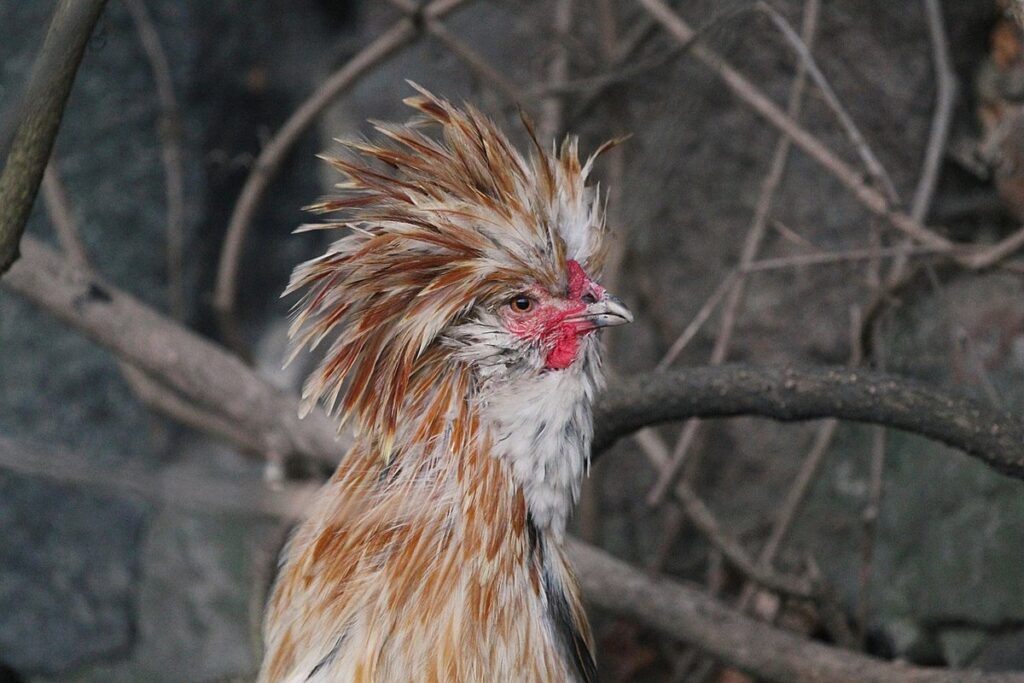
The White Crested Polish chicken is instantly recognizable due to its striking physical characteristics. One of the most distinctive features is its crested head, which is a fleshy tuft of feathers on top of the bird’s skull. This crest can be quite large and unruly at times, requiring regular maintenance to prevent matting or tangling.
The plumage of the White Crested Polish is another notable aspect of its appearance. Their feathers are predominantly white with occasional black markings, although some variations have a more extensive amount of coloration. The feathers themselves are soft and fluffy, making for a gentle touch when handling the birds.
In terms of body shape, the White Crested Polish has a compact and sturdy build, with a relatively short stature compared to other breeds. Their wings are also relatively small, which can make them slightly awkward to fly but does provide additional protection from predators on the ground. Overall, the White Crested Polish’s unique appearance makes it a standout among other chicken breeds.
When choosing a White Crested Polish as a pet or addition to your flock, keep in mind that their crested head requires regular grooming to prevent issues with matting and tangling. It’s also essential to ensure they have enough space to move around comfortably due to their relatively short wingspan.
Temperament and Personality
When it comes to temperament and personality, White Crested Polish chickens are known for their friendly and outgoing nature, making them a great fit for families and backyard flocks.
Friendly and Docile Nature
One of the most endearing characteristics of White Crested Polish chickens is their incredibly friendly and docile nature. These gentle birds are a delight to have around, making them an excellent choice for families with children or first-time chicken keepers. Their calm demeanor allows them to thrive in small spaces, such as backyards or even urban apartments, as long as they receive regular attention and social interaction.
What sets White Crested Polishes apart from other breeds is their exceptional ability to form strong bonds with humans. They love people and enjoy being handled, which makes them perfect for children who are eager to learn about animal care. In fact, these chickens will often follow their owners around the yard, seeking attention and affection. However, it’s essential to handle them gently and carefully, as they can be sensitive to rough handling.
When introducing a White Crested Polish to your flock, start by allowing them to get accustomed to each other’s presence in separate enclosures before gradually releasing them together under close supervision. This will help prevent any potential stress or aggression issues. With patience and proper introduction, these beautiful birds will become valuable additions to your chicken community, spreading joy and happiness with their sweet disposition.
Interaction with Humans and Other Animals
When it comes to interacting with humans and other animals, White Crested Polishes are known for their unique personalities. They thrive on attention and affection from their owners, who often describe them as “velcro chickens” due to their tendency to stick close by.
One of the most notable traits of White Crested Polishes is their calm nature around children and other pets. They make excellent family pets, as they are gentle and patient, even with rambunctious kids. However, it’s essential to introduce them to your household slowly and under controlled circumstances to ensure a smooth transition.
In terms of interacting with other animals, White Crested Polishes generally get along well with ducks, geese, and turkeys. However, they may exhibit dominance behaviors around smaller breeds or birds that are not socialized properly. Keep an eye out for signs of aggression, such as puffing up their feathers or making loud noises.
It’s also crucial to remember that White Crested Polishes are intelligent and curious birds that require mental stimulation. Provide them with plenty of toys, puzzles, and opportunities for exercise to prevent boredom and destructive behaviors. With proper introduction and socialization, your White Crested Polish can become a beloved member of your family and a joy to interact with every day.
Health and Welfare
When it comes to your White Crested Polish chickens’ health, you’ll want to know what diseases they can be prone to and how to prevent them from occurring. Proper care is essential for their overall well-being.
Common Health Issues in White Crested Polishes
White Crested Polishes are generally a healthy breed, but like all chickens, they can be prone to certain health issues. Respiratory problems, for example, can be a major concern due to their crest of feathers, which can easily become damp and cold. This can lead to conditions such as sinusitis or bronchitis if not properly cared for. To minimize this risk, make sure your Polish’s coop is well-ventilated, dry, and draft-free.
Another issue that can affect White Crested Polishes is feather picking, a behavior in which they excessively peck at their own feathers. This can be caused by stress, boredom, or even nutritional deficiencies. To prevent feather picking, provide plenty of mental stimulation through toys and enrichment activities, as well as ensure your bird has access to a balanced diet.
Keep an eye out for any signs of illness in your White Crested Polish, such as labored breathing, lethargy, or changes in appetite. If you notice anything unusual, consult with a veterinarian experienced in poultry care to determine the best course of action. Regular health checks and preventative measures can go a long way in keeping your Polish happy and healthy.
Tips for Maintaining Optimal Health
As you embark on raising your own flock of White Crested Polish chickens, maintaining their optimal health and wellbeing is crucial for their happiness and longevity. These beautiful birds require regular care to thrive, and with a little knowledge, you can ensure they lead healthy lives.
One essential aspect of their care is providing a balanced diet. White Crested Polishes are known to be prone to obesity, so it’s vital to monitor their food intake closely. A mix of high-quality layer pellets and fresh fruits and vegetables will keep them satisfied and healthy. Be sure to provide plenty of fresh water at all times, as dehydration can quickly set in.
Regular cleaning of the coop is also critical for maintaining your flock’s health. Remove soiled bedding regularly and replace it with clean material to prevent disease and parasites from taking hold. Additionally, ensure proper ventilation in the coop to keep ammonia levels under control. By following these simple tips, you’ll be well on your way to creating a happy and healthy environment for your White Crested Polish chickens.
Breeding and Raising
To successfully breed and raise healthy White Crested Polish chickens, you’ll need to understand their unique characteristics and requirements for optimal growth. Let’s explore the essential tips for breeding and raising these lovable birds.
Choosing the Right Breeders or Hatchery
When searching for reputable breeders or hatcheries that specialize in White Crested Polish chickens, it’s essential to do your research. Look for breeders who have extensive experience with this specific breed and can provide you with high-quality chicks. Check their website, social media, or online forums for reviews and testimonials from previous customers.
Red flags include breeders who claim to have multiple breeds available or promise extremely low prices. Be wary of those who don’t provide clear information about the chickens’ lineage, health guarantees, or breeding methods. It’s also crucial to ensure that the breeder is knowledgeable about the specific needs of White Crested Polish chickens, including their unique temperament and requirements.
You can start by searching online for breeders or hatcheries in your area that specialize in White Crested Polish chickens. Check with local poultry associations or clubs for recommendations. Some reputable resources include the American Bantam Association (ABA) and the National Poultry Improvement Plan (NPIP). Once you’ve narrowed down your options, don’t hesitate to ask questions about their breeding practices, health guarantees, and customer service.
When selecting a breeder or hatchery, consider the following factors:
* Experience with White Crested Polish chickens
* Clear lineage and breeding information
* Health guarantees and veterinary care
* Knowledge of specific breed needs and requirements
* Customer reviews and testimonials
By doing your research and choosing a reputable breeder or hatchery, you can ensure that you’re getting high-quality White Crested Polish chicks that will thrive in their new home.
Tips for Raising Healthy Chicks
When raising healthy chicks, it’s essential to provide them with optimal nutrition from the start. White Crested Polish chicks require a balanced diet that includes high-quality starter feed, supplemented with fresh fruits and vegetables. Ensure you’re using a reputable brand of starter feed specifically formulated for young chickens.
In terms of hygiene, keep your brooder clean by removing soiled bedding daily and washing the enclosure regularly. Maintain proper ventilation to prevent ammonia buildup from droppings. Provide enough space per chick, ideally around 1-2 square feet, to allow for movement and comfort.
Environmental considerations are also crucial. Keep the brooder at a comfortable temperature between 90°F and 100°F during the first week, gradually reducing it by 5°F each subsequent week. Monitor humidity levels to prevent respiratory issues. Place the brooder in a quiet area, away from drafts or potential predators.
By following these tips, you’ll be well on your way to raising healthy White Crested Polish chicks that will grow into stunning adults with good conformation and optimal health.
Showing and Exhibition
When it comes to showcasing your prized White Crested Polish chickens, there are specific rules and guidelines you’ll need to follow. Let’s dive into what you can expect at a poultry show or exhibition.
Showing Regulations and Rules
When it comes to showing White Crested Polish chickens, understanding the breed standards and judging criteria is crucial. The American Bantam Association (ABA) and the American Poultry Association (APA) are two prominent organizations that govern the showing of these birds.
According to the ABA, White Crested Polishes should have a “well-crested” appearance, with a prominent crest that reaches above the beak. The feathers on the neck should be long and flowing, while the back and wings should be well-covered with soft, fluffy plumage. In terms of size, hens should weigh around 2 pounds, while cocks should weigh slightly more.
Judging criteria for White Crested Polishes include:
* Head and Beak: The crest should be even and balanced, with a smooth, rounded shape.
* Neck and Back: Feathers should be long and flowing, with no visible breaks or gaps.
* Body: Shoulders should be well-sprung, while the back and wings should be well-covered.
When showing your White Crested Polish, make sure to research the specific breed standard for the show you’re entering. This will help ensure that you’re presenting your bird in its best possible light and following all relevant rules and regulations.
Tips for Successful Show Preparation
When it’s time for your White Crested Polish chickens to strut their stuff at a show, preparation is key. First and foremost, make sure you’re familiar with the breed standard for White Crested Polishes, as this will give you a clear understanding of what judges are looking for.
To prepare your birds for the show ring, start by ensuring they’re in top physical condition. This means regular grooming to keep their crests clean and tidy, as well as maintaining their overall plumage and feathering. A balanced diet and plenty of fresh water will also help them look and feel their best.
In terms of handling, it’s essential to socialize your chickens from an early age so they become comfortable with being handled by people other than you. Practice regular handling sessions to get them accustomed to being picked up, held, and inspected. You should also work on their temperament, as a calm and confident bird is more likely to win over judges.
Remember to acclimate your birds to the show environment before the big day by taking them to local shows or exhibition events. This will help reduce stress levels and get them accustomed to the sights and sounds of the show ring. With careful preparation and attention to detail, you’ll be well on your way to a successful showing experience with your White Crested Polish chickens.
Breeding Programs and Conservation Efforts
We’ll dive into the world of breeding programs that prioritize the preservation and improvement of these beautiful birds, ensuring their unique traits endure for generations to come.
The Importance of Conservation
As you’ve fallen in love with the unique appearance and charming personality of the White Crested Polish chicken, it’s essential to consider the importance of conservation efforts for this rare breed. With only a few thousand individuals remaining globally, the White Crested Polish is considered a critical species by many poultry associations.
Conservation efforts are crucial to preserving the genetic diversity of this breed, which faces an increased risk of extinction due to its small population size and limited gene pool. Without concerted conservation efforts, we may lose the opportunity to appreciate the distinctive crested topknot, bright beak, and friendly demeanor that make the White Crested Polish so endearing.
To support conservation, consider joining a local poultry association or breed club that works specifically with the White Crested Polish. These organizations often have breeding programs in place, which help maintain genetic diversity and ensure the continued existence of this remarkable breed. By supporting these efforts, you’ll not only be contributing to the long-term survival of the White Crested Polish but also helping to preserve its unique characteristics for future generations.
Breeding Programs and Initiatives
When it comes to preserving and promoting the White Crested Polish breed, several notable breeding programs and initiatives have made significant contributions. One such example is the American Bantam Association (ABA), which has a dedicated breed club for the White Crested Polish. Through their efforts, they aim to maintain the breed’s unique characteristics while ensuring its overall health and well-being.
Another notable program is the Rare Breed Survival Trust (RBST) in the UK, which recognizes the White Crested Polish as one of its priority breeds due to its declining numbers. The RBST works closely with breeders to conserve the breed through strategic breeding programs and education initiatives.
In addition to these efforts, many individual breeders also play a crucial role in promoting the breed. They share knowledge, experience, and resources to help others learn about the White Crested Polish’s specific needs and requirements. Online forums, social media groups, and breed clubs provide valuable platforms for breeders to connect, collaborate, and support one another.
For those interested in participating in breeding programs or initiatives, it’s essential to research reputable organizations and their goals. Some may focus on genetic diversity, while others prioritize temperament or egg-laying abilities. By joining forces with dedicated breeders and organizations, you can contribute to the preservation of this unique and beloved breed.
To get started, consider reaching out to local breed clubs or attending poultry shows and events. Networking with experienced breeders will help you better understand their breeding programs and goals. Additionally, be sure to familiarize yourself with the breed standard and its specific requirements for showing and exhibition purposes.
It’s also worth noting that some organizations offer mentorship programs or apprenticeships, allowing aspiring breeders to learn from seasoned professionals. By taking advantage of these opportunities, you can gain valuable hands-on experience while contributing to the growth and promotion of the White Crested Polish breed.
Frequently Asked Questions
How do I ensure my White Crested Polish chickens receive proper nutrition for optimal health?
It’s essential to provide a balanced diet that includes high-quality commercial chicken feed as the main staple, supplemented with fresh fruits and vegetables. You should also consider adding calcium supplements to support strong beak and eggshell development. Make sure to research and follow specific feeding guidelines tailored to your flock’s age, size, and health status.
What are some common mistakes to avoid when raising White Crested Polish chickens?
One common mistake is over-handling the birds, which can lead to stress and a weakened immune system. It’s also crucial to provide enough space for the flock to roam freely and engage in natural behaviors. Another mistake is neglecting regular health checks and vaccinations, which can spread diseases quickly among the flock.
Can I keep White Crested Polish chickens with other breeds?
Yes, but it’s essential to introduce them slowly and under close supervision to ensure a peaceful coexistence. Make sure to choose breeds that complement each other in terms of temperament and energy level. Some popular breed combinations include mixing White Crested Polishes with friendly and docile breeds like Silkies or Brahmas.
How often should I trim the crests of my White Crested Polish chickens?
The crest should be trimmed regularly, ideally every 2-3 months, to prevent overgrowth and reduce heat stress. It’s recommended to consult an experienced breeder or veterinarian for guidance on proper trimming techniques to avoid causing discomfort or injury to the birds.
What are some signs that indicate my White Crested Polish chicken is unwell?
Monitor your flock regularly for changes in behavior, appetite, or droppings. Common indicators of illness include lethargy, loss of feathers, and abnormal droppings. If you notice any unusual symptoms, consult a veterinarian experienced in poultry health to determine the best course of action.