
Are you considering bringing home some feathered friends to your backyard, but not sure where to start? Look no further than the iconic Rhode Island Red chicken hens! With their rich history dating back to the late 1800s, these stunning birds have been a favorite among farmers and backyard enthusiasts alike for generations. Not only are they known for their striking appearance, but also for their exceptional egg-laying abilities and friendly, docile nature.
In this article, we’ll delve into everything you need to know about Rhode Island Red chicken hens, from their origins and history to expert tips on care, breeding, and coop design. We’ll cover the benefits of raising these incredible birds, including their high-quality eggs and low-maintenance requirements. Whether you’re a seasoned chicken keeper or just starting out, this ultimate guide will provide you with everything you need to raise happy and healthy Rhode Island Red hens in your own backyard!
History and Origins of Rhode Island Reds
Rhode Island Red chickens have a rich history that dates back over 150 years, and their origins are deeply rooted in the state from which they get their name. Let’s explore how this iconic breed came to be!
The Breed’s Development in North America
Rhode Island Reds were first developed in the northeastern United States, specifically in Rhode Island and Massachusetts. The breed’s creation can be attributed to cross-breeding of various chicken breeds by farmers and breeders seeking to produce a hardy, high-producing bird that thrived in cold climates. By the late 19th century, the breed was well-established and its popularity continued to grow as it became known for its rich, brown eggs.
Farmers were drawn to Rhode Island Reds due to their impressive egg-laying abilities. They would often produce around 200-300 large brown eggs per year, making them a valuable asset on farms. The breed’s friendly, docile nature also made them a favorite among backyard chicken enthusiasts. As the popularity of Rhode Island Reds grew, they began to be exported across North America and eventually worldwide.
The distinct characteristics that Rhode Island Reds exhibited during their early development in the United States have remained largely unchanged to this day. Their rich history has earned them recognition as one of the most popular breeds of chickens globally.
Key Characteristics from Their Founding
Rhode Island Reds were first developed in the late 1800s through the crossing of various breeds including Dominiques, Barbados Blackbelly, and White Leghorns. These founding characteristics have had a lasting impact on the breed’s modern-day traits and temperaments.
One of the key characteristics from their founding is their hardiness and adaptability. Rhode Island Reds were bred to thrive in New England’s rugged climate and diverse farm landscape, which has given them a unique ability to withstand extreme temperatures and handle varying conditions. This adaptability makes them an ideal choice for backyard farmers and homesteaders who may not have the resources or space for specialized care.
Their founding also emphasized docility and ease of handling, as Rhode Island Reds were developed to be friendly and approachable birds. Today, this trait remains evident in their calm demeanor and willingness to interact with people.
Evolution of the Breed Over Time
Rhode Island Reds have undergone significant changes since their development in the late 19th century. Initially bred for their egg-laying abilities and hardiness, they were primarily crossed with other breeds like the Java and the Minorca to enhance these traits. As selective breeding continued, Rhode Island Reds became more refined, with a focus on increasing their egg production.
Genetic adaptations have played a crucial role in shaping the breed over time. For instance, Rhode Island Reds have developed a more efficient metabolism, allowing them to convert feed into eggs more effectively. This adaptation has been driven by farmers’ need for high-yielding hens that can thrive on less expensive feed. Today’s Rhode Island Reds are a far cry from their early counterparts, with some strains laying up to 300 large brown eggs per year.
Selective breeding has also led to improvements in disease resistance and overall health. Modern breeders have incorporated genetics from other breeds to enhance these qualities, resulting in healthier, more robust hens that can withstand challenging environments.
Physical Characteristics and Temperament
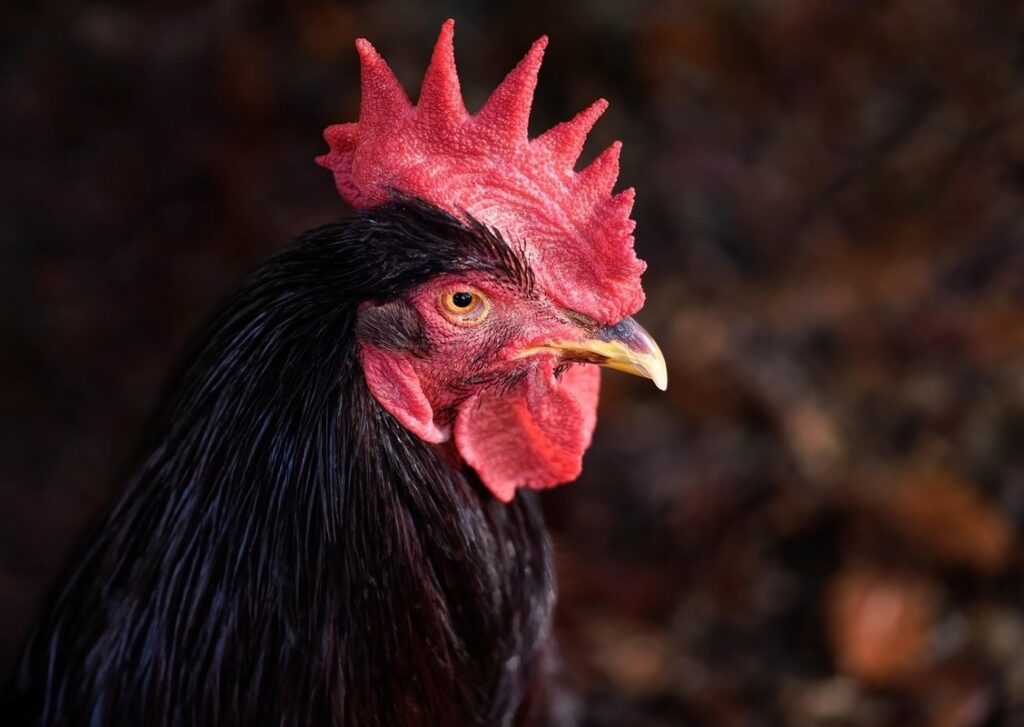
When it comes to their physical appearance, Rhode Island Red hens are easily recognizable with their distinctive copper-red feathers and rich brown eyes. They also possess a unique temperament that’s perfect for backyard flocks.
Body Type and Size
Rhode Island Reds are known for their sturdy build and medium to large size. On average, hens weigh between 7-10 pounds (3.2-4.5 kg), while roosters can reach up to 12 pounds (5.4 kg). They have a broad, deep body with a rounded breast and a well-defined tail.
When it comes to body shape, Rhode Island Reds are often described as having a “blocky” or “boxy” appearance. This is due in part to their compact feathers, which give them a neat and tidy look. While they may not be the largest breed of chicken, their size belies their impressive egg-laying abilities.
If you’re planning to keep Rhode Island Reds on your homestead, it’s essential to provide adequate space for exercise and movement. A minimum of 2-4 square feet (0.2-0.4 sqm) per bird is recommended, depending on the individual chicken’s size and activity level. This will help ensure they stay happy and healthy, even in smaller backyard coops.
One key point to consider when selecting Rhode Island Reds for your flock is their growth rate. While they may take a bit longer to mature than some other breeds, patience will be rewarded with impressive egg production and a long, productive lifespan.
Feather Patterns and Colors
When it comes to the stunning plumage of Rhode Island Red hens, one of the most fascinating aspects is the wide range of feather patterns and colors. These birds are known for their vibrant red hue, but did you know that they can also display a variety of other markings? The American Poultry Association recognizes several recognized color varieties within the breed, including the Silver-Laced, Gold-Laced, and Black. Each of these varieties boasts unique and striking feather patterns.
The most common pattern found in Rhode Island Reds is the Golden-Asilomar, characterized by a warm golden sheen over the bird’s red feathers. Other notable patterns include the Dark-Bronze and Red-Brown. In terms of colors, you’ll often see shades ranging from deep crimson to rich terracotta.
If you’re looking to add some visual interest to your flock, consider introducing one or more of these color varieties into your Rhode Island Reds. Just remember that genetics play a significant role in determining feather pattern and color, so it’s essential to purchase chicks from reputable breeders who prioritize breed integrity.
Temperament Traits and Personality
Rhode Island Reds are renowned for their exceptional temperament, making them an excellent choice for backyard flocks and families with children. One of the breed’s most notable characteristics is their friendliness and docility. They are known to be calm and gentle, rarely getting aggressive or nervous. In fact, Rhode Island Reds are often described as “gentle giants” due to their large size and mild demeanor.
When interacting with your Rhode Island Red hens, you can expect them to be curious but not fearful. They will often approach you and enjoy being petted and handled, making them an excellent choice for those who want a hands-on experience with their flock. With proper socialization from an early age, Rhode Island Reds can become incredibly tame and affectionate, even allowing children to pick them up and hold them.
To bring out the best in your Rhode Island Red’s temperament, be sure to provide plenty of space to roam and exercise, as well as a balanced diet and regular health checks. With proper care and attention, these beautiful birds will reward you with years of loving companionship and joyful interaction.
Health Considerations for Rhode Island Red Hens
When it comes to caring for your Rhode Island Red hens, understanding their unique health needs is crucial. This section will cover some essential considerations to ensure they stay happy and healthy.
Common Health Issues Affecting the Breed
Rhode Island Reds are prone to certain health issues that can impact their quality of life and egg-laying abilities. One of the most common concerns is obesity, which can lead to a range of problems including reduced mobility, increased risk of disease, and decreased lifespan. This is often due to overfeeding or a lack of adequate exercise, so it’s essential to monitor your hen’s diet and ensure they’re getting enough physical activity.
Egg-related problems are also prevalent in Rhode Island Reds. These can include egg binding, where the hen struggles to pass an egg through her cloaca, and prolapse, where the reproductive organs protrude from the vent. Regular veterinary check-ups can help identify these issues early on, but it’s also crucial to create a safe and comfortable environment for your hens to lay eggs.
To prevent obesity and related problems, consider implementing a controlled feeding plan and providing plenty of space for exercise. Aiming for around 12-15 inches of space per hen will give them room to move around freely.
Nutritional Requirements for Optimal Health
When it comes to feeding your Rhode Island Red hens for optimal health, there are several key nutritional requirements to keep in mind. A balanced diet is essential for maintaining a healthy weight and preventing nutritional deficiencies.
First, ensure that your flock has access to fresh water at all times. Next, provide a high-quality layer feed specifically formulated for chickens, which should make up the bulk of their diet. Aim to offer 16-18% protein content in the feed, as this will support egg production and overall health. You can supplement with grains like oats, barley, or corn, but be cautious not to overdo it, as excess carbohydrates can lead to obesity.
It’s also crucial to provide a calcium-rich source, such as crushed oyster shells or dark leafy greens like kale or spinach, to support strong eggshell production and prevent metabolic bone disease. Limit treats like table scraps, high-sugar foods, and processed snacks, which can be detrimental to their health if overfed.
Aim to follow the 1/4 pound of feed per chicken per day rule for a standard layer feed, adjusting as needed based on your flock’s individual needs and activity levels. By prioritizing these nutritional requirements and making informed feeding choices, you’ll be well on your way to raising happy, healthy Rhode Island Red hens.
Tips for Managing Stress in Your Flock
When it comes to managing stress in your flock of Rhode Island Red hens, creating a safe and comforting environment is essential. A stressed hen can be more prone to disease, decreased egg production, and even behavioral issues. So, what can you do to reduce stress in your feathered friends? First, ensure their basic needs are met: adequate food, water, shelter, and exercise. However, it’s not just about providing the essentials – it’s also about creating a sense of security.
Provide multiple perches for hens to roost on, as this can help them feel more secure in numbers. You can also install nesting boxes with soft bedding like straw or wood shavings to create a cozy and comforting spot for your hens. Limit handling and interaction with your flock to minimize stress caused by human presence. When introducing new hens to the existing flock, do it gradually to prevent territorial behavior and stress.
Keep in mind that even the most well-cared-for flocks can experience stress due to changes in their environment or other external factors. Be prepared to adapt your approach as needed to ensure a harmonious and low-stress living situation for your Rhode Island Red hens.
Egg-Laying Capabilities of Rhode Island Reds
Rhode Island Red hens are renowned for their impressive egg-laying abilities, but just how many eggs can you expect from one? Let’s take a closer look at their prolific egg production.
Average Annual Egg Production
When it comes to egg production, Rhode Island Red hens are known for their impressive capabilities. On average, a healthy and well-cared-for Rhode Island Red hen can produce around 200-220 brown eggs per year. However, this number can vary depending on several factors such as climate, nutrition, and individual bird characteristics.
Climate plays a significant role in determining egg production. For instance, hens that live in areas with mild winters tend to lay more eggs than those in regions with harsher climates. Adequate nutrition is also crucial for optimal egg production. Rhode Island Reds require a balanced diet rich in protein, calcium, and other essential nutrients to ensure they produce high-quality eggs.
To maximize your hen’s egg-laying potential, make sure she has access to a clean and well-ventilated coop with adequate nesting boxes and perches. A diet of high-quality layer feed supplemented with fresh fruits and vegetables can also help support her nutritional needs. By providing the right environment and nutrition, you can expect your Rhode Island Red hen to meet or even exceed the average annual egg production rate.
Egg Size and Shape Variations
Rhode Island Reds are known for laying large brown eggs, which is one of their most notable characteristics. The typical egg size laid by these hens can vary slightly from one bird to another, but on average, you can expect eggs that measure around 2 inches (5 cm) in length and 1.75 inches (4.5 cm) in width.
In terms of shape, Rhode Island Red eggs are often described as being medium-elliptical or oval-shaped, with a slightly pointed end. This unique shape allows for an efficient packing of the egg inside the hen’s oviduct, ensuring that each egg is laid safely and securely.
When collecting your Rhode Island Red’s eggs, you may notice that they have a slightly rougher texture than other breeds due to the hen’s habit of nesting in a more natural environment. However, this doesn’t affect the quality or taste of the eggs, which are renowned for their rich, earthy flavor and firm texture.
If you’re interested in getting the most out of your Rhode Island Red’s egg-laying abilities, consider providing them with a balanced diet that includes plenty of calcium-rich foods to support strong eggshell production.
Tips for Encouraging Optimal Egg Laying
To encourage optimal egg laying from your Rhode Island Red hens, it’s essential to maintain a healthy environment that supports their well-being. Start by ensuring they have access to a balanced diet rich in protein and calcium, as these nutrients play a crucial role in egg production. A good quality layer feed can be supplemented with fresh fruits and vegetables, such as dark leafy greens, carrots, and berries.
Provide your hens with adequate space to roam and exercise outside of their coop. A minimum of 2-3 square feet per bird is recommended, but more is always better. This will allow them to forage and engage in natural behaviors that stimulate egg production. Additionally, make sure they have access to a clean and well-ventilated nesting box where they can lay their eggs without disturbance.
Regular health checks and vaccinations can also help maintain your hens’ overall health and prevent diseases that may impact egg production. Consider implementing a routine that includes cleaning the coop regularly, monitoring temperature and humidity levels, and ensuring adequate light exposure for 14 hours per day. By following these simple tips, you can create an optimal environment that encourages maximum egg laying from your Rhode Island Red hens.
Housing and Environmental Considerations
When it comes to bringing home a Rhode Island Red hen, it’s essential to consider her living space and environmental needs for a happy and healthy life. This includes choosing the right coop size and placement.
Coop Design and Layout Principles
When it comes to designing or choosing a coop for your Rhode Island Red hens, there are several key principles to keep in mind. First and foremost, the coop should be spacious enough to accommodate all of your girls comfortably. A good rule of thumb is to provide at least 3-4 square feet per bird inside the coop, as well as an additional 8-10 square feet per bird in the run.
In terms of layout, it’s essential to consider the natural behavior of chickens and design the coop accordingly. For example, Rhode Island Reds are social birds that thrive on interaction, so a multi-level coop or one with separate nesting boxes can help promote socialization and reduce stress. You should also provide adequate ventilation to keep your girls cool in warm weather and dry in wet conditions.
Consider using a modular coop design, which allows for easy expansion and customization as your flock grows. And don’t forget to include features like perches, roosts, and dust baths to keep your Rhode Island Reds happy and healthy. By incorporating these principles into your coop design or selection, you’ll be well on your way to creating a happy and thriving home for your girls.
Outdoor Access and Exercise Opportunities
When it comes to providing a happy and healthy life for your Rhode Island Red hens, outdoor access and exercise opportunities are crucial. Chickens are natural foragers and need space to roam, scratch, and engage in physical activity to maintain their overall well-being.
Aim to provide at least 2-4 square feet of outdoor space per chicken inside a secure enclosure or run. This can be as simple as converting an existing area into a chicken-friendly zone with fencing and netting. Make sure the coop is within easy reach for daily cleaning and maintenance.
Exercise opportunities also mean providing regular supervised time outside the enclosed area, allowing your hens to free-range and explore. This not only keeps them physically active but also gives them mental stimulation and fresh air. For example, you can let them out in a designated safe zone during dawn or dusk when predators are less active.
Remember to provide adequate shade, shelter from harsh weather conditions, and essential nutrients like calcium for strong bones through supplements or natural sources. Regular inspections of your outdoor space will ensure it remains safe and suitable for your Rhode Island Red hens’ needs.
Tips for Managing Dust, Pests, and Other Issues
Managing dust, pests, and other issues is crucial to maintaining a healthy environment for your Rhode Island Red hens. One common problem is dust accumulation within the coop. To mitigate this issue, ensure proper ventilation by installing windows or vents to allow fresh air circulation. Regular cleaning, such as sweeping or brushing out soiled areas, can also help minimize dust buildup.
Another critical aspect of maintaining a clean environment is pest control. Reducing food waste and keeping the coop area spotless can discourage pests like rodents and mites from inhabiting your flock’s home. Installing physical barriers around food and water sources, such as hardware cloth or fine-mesh screens, can also prevent unwanted visitors.
When dealing with mites, it’s essential to treat the infestation promptly. You can try dusting affected areas with diatomaceous earth, a non-toxic powder that dehydrates pests. For larger issues like rodent invasions, consult a local animal control expert for assistance in safely and humanely removing unwanted critters.
To prevent health problems and maintain your flock’s well-being, stay vigilant about coop cleanliness and schedule regular check-ups with a veterinarian to address any emerging concerns.
Breeding and Raising Rhode Island Reds
If you’re interested in raising Rhode Island Red chickens, learning how to breed and raise them successfully is crucial for a healthy and thriving flock. This section will walk you through the basics of breeding and raising these wonderful birds.
Principles of Selective Breeding
Selective breeding has been a crucial aspect of developing the Rhode Island Red breed into one of the most popular and sought-after poultry breeds. This process involves intentionally selecting for specific traits to enhance desirable characteristics while minimizing unwanted ones.
The goal of selective breeding is to isolate and amplify genes that contribute to desirable traits such as egg-laying capacity, hardiness, and temperament. Breeders achieve this by evaluating individual birds based on their performance and selecting the best candidates for breeding purposes. This ongoing process has led to the development of various strains within the Rhode Island Red breed.
For instance, some breeders focus on developing hens with exceptional egg-laying abilities, often resulting in flocks that produce 300 or more eggs per year. Others prioritize hardiness, selecting birds that thrive in challenging environments and can withstand diseases.
To implement selective breeding practices effectively, it’s essential to develop a comprehensive breeding program. This involves setting clear goals, regularly evaluating the flock, and making informed decisions based on data-driven insights.
Caring for Chicks: Brooding and Nutrition
When it comes to raising Rhode Island Reds from hatchling stage, proper brooding and nutrition are crucial for their growth and development. During this critical period, chicks rely on their mother’s warmth and nutrients stored in the yolk sac. However, since we’re often caring for them ourselves, we need to replicate these conditions as closely as possible.
To set up a brooder, start with a secure enclosure that provides adequate ventilation and heat. A good rule of thumb is to provide 1-2 square feet of space per chick, depending on breed size and age. Keep the temperature around 90-100°F (32-38°C) for the first week, gradually reducing it by 5°F each subsequent week until they’re big enough to transition into a coop.
Nutritionally speaking, offer starter feed specifically formulated for young chicks. This feed should contain a balanced mix of proteins, vitamins, and minerals necessary for growth. Supplement with fresh water at all times, and consider adding grit or oyster shells to aid digestion. A good brooder will also provide dark corners where the chicks can rest undisturbed.
Tips for Integrating New Hens into Your Flock
When introducing new Rhode Island Red hens to your existing flock, it’s essential to do so smoothly to avoid stress and potential conflicts. Start by bringing the new birds home a day or two before releasing them into the main coop to allow for a gentle acclimation period. Place their temporary enclosure adjacent to the existing henhouse to allow them to become familiar with each other’s sights and sounds.
Begin by offering treats and allowing the hens to interact through wire mesh or fencing, creating a safe distance between them. This will enable them to establish a social hierarchy without any potential for aggression. Introduce multiple new birds at once to avoid favoritism among your current flock members. For example, if you’re introducing two new hens, make sure they are compatible and can coexist peacefully.
As you release the new birds into the main coop, monitor their behavior closely and intervene if necessary. If conflicts arise, isolate the problematic bird(s) for a day or two to allow tensions to subside before reintroducing them to the flock.
Frequently Asked Questions
Can I keep Rhode Island Red hens with other breeds, or are they best suited for solo living?
Rhode Island Reds are generally friendly and docile, making them a great addition to a multi-breed flock. However, introducing new birds can still be challenging. To ensure a smooth transition, it’s essential to integrate new hens gradually, allowing them to become familiar with each other’s scents, sounds, and personalities.
How often should I collect eggs from my Rhode Island Red hens, and what are the signs of egg production slowing down?
Collecting eggs daily will encourage your hens to continue laying. Watch for changes in behavior, such as decreased scratching or nesting activity, which can indicate a decline in egg production. Consult with a veterinarian if you notice any unusual patterns or a significant decrease in egg-laying capabilities.
What are some common health issues affecting Rhode Island Red hens, and how can I prevent them?
Common health concerns for Rhode Island Reds include Marek’s disease, frostbite, and reproductive issues. Regular vaccinations, proper ventilation, and maintaining a clean coop environment will help minimize the risk of these conditions. Ensure your flock receives adequate nutrition, including essential vitamins and minerals.
Can I raise Rhode Island Red hens in cold climates, or do they require warmer temperatures?
Rhode Island Reds are relatively hardy birds but can still be sensitive to extreme temperatures. In colder climates, provide additional shelter, insulation, and protection from wind and rain. Ensure adequate ventilation in the coop to prevent moisture buildup.
How long does it take for Rhode Island Red hens to start laying eggs after they’ve reached maturity?
Rhode Island Reds typically begin laying eggs around 18-24 weeks of age. Keep in mind that individual birds may mature at different rates, so be patient and monitor their progress closely. Ensure optimal nutrition, adequate light exposure, and a stress-free environment to promote healthy growth and development.