
Maintaining precise incubation temperatures is crucial for successful duckling hatching. As a dedicated breeder, you know that even small deviations from ideal temperatures can lead to poor hatch rates or failed hatchings altogether. The good news is that with the right knowledge and equipment, you can ensure optimal conditions for your ducklings to thrive.
In this article, we’ll delve into the world of duckling incubation temperatures, covering everything from understanding temperature requirements to troubleshooting common issues. We’ll also discuss how to ensure compliance with animal welfare standards while keeping your ducks healthy and happy. By the end of this guide, you’ll be equipped with the knowledge to successfully hatch your ducklings, no matter what challenges come your way. Let’s dive in and explore the ins and outs of perfecting incubator temperatures for a healthy and happy flock!
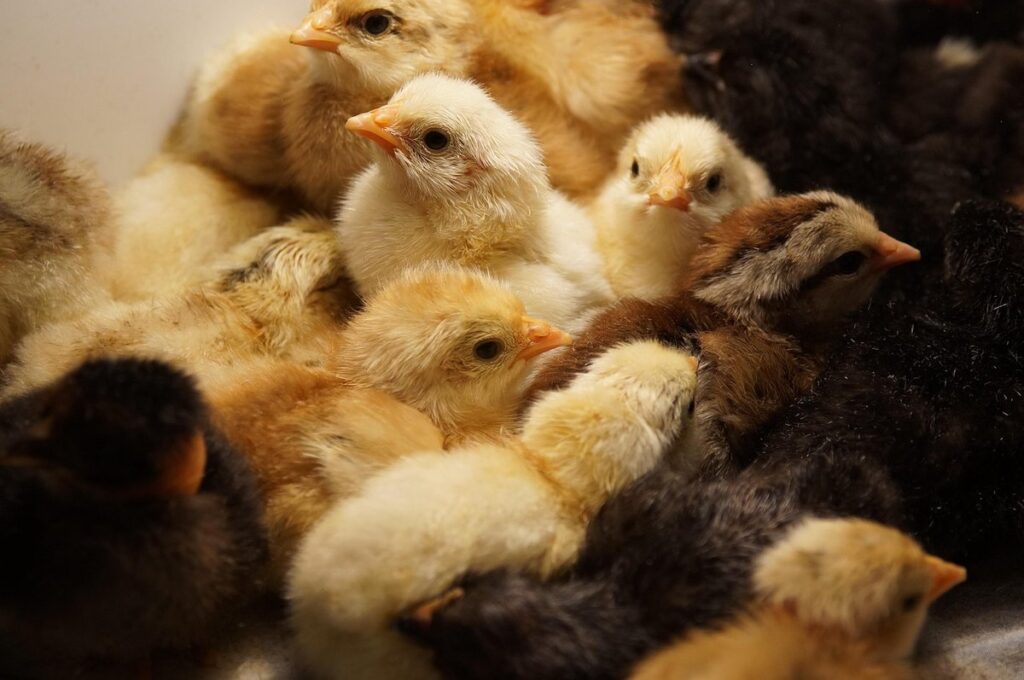
Understanding the Importance of Temperature in Duckling Incubation
Maintaining the right temperature is crucial for healthy duckling development, and understanding its importance will help you ensure a successful incubation process every time. Let’s dive into why temperature matters.
Factors Influencing Temperature Requirements for Ducklings
When it comes to raising ducklings, you must consider several factors that impact the ideal temperature range for incubation. The breed of duckling is one such factor. Different breeds have varying temperature requirements, so it’s essential to research specific guidelines for your duckling breed.
For example, Muscovy ducklings require a slightly lower temperature than Khaki Campbell or Welsh Harlequin ducklings. Generally speaking, the ideal incubator temperature range for most ducklings is between 99°F (37°C) and 100°F (38°C).
Age is another critical factor to consider. Younger ducklings require warmer temperatures than older ones. As a general rule of thumb, you can start with a higher temperature (around 101°F/39°C) for the first few days after hatching and gradually decrease it by 1-2°F (0.5-1°C) every day until they reach 7-10 days old.
Lastly, environmental conditions also play a significant role in determining the optimal incubator temperature for ducklings. Factors like humidity, air circulation, and proximity to drafts can affect the overall temperature inside the incubator.
Ideal Temperature Ranges for Different Stages of Development
Temperature plays a crucial role during duckling incubation, and it’s essential to maintain optimal temperatures at different stages of development. Research suggests that ideal temperature ranges vary from 24 to 32 days of embryonic development.
Between 24-26 days, the recommended temperature is between 99°F (37°C) and 100°F (38°C). This allows for proper feather growth and development of the respiratory system. Maintaining a consistent temperature during this stage will prevent delays in the duckling’s growth.
From 27-30 days, the ideal temperature increases to 100°F (38°C) and 101°F (39°C). At this stage, the embryo is developing its cardiovascular system and nervous system. Proper temperature control ensures that these systems develop correctly.
Between 31-32 days, the recommended temperature returns to between 99°F (37°C) and 100°F (38°C). This final stage focuses on maturation of the duckling’s organs and preparation for hatching.
To ensure optimal temperatures during incubation, it’s crucial to monitor your incubator regularly. A consistent temperature range will guarantee healthy development in your ducklings.
The Science Behind Duckling Incubator Temperature Control
When it comes to raising healthy ducklings, understanding the science behind incubator temperature control is crucial. This section delves into the specifics of heat management for optimal development.
How to Measure Temperature Accuracy in an Incubator
Accurate temperature measurement and control are crucial components of a well-functioning incubator. This is especially true for duckling incubators, where slight variations in temperature can have significant effects on embryonic development. Inadequate temperature control can lead to low hatch rates, deformed or stillborn ducklings, and even loss of entire batches.
To monitor temperature fluctuations effectively, you’ll need a reliable thermometer specifically designed for use with incubators. Digital thermometers are ideal as they provide precise readings and often come equipped with alarms that alert you to any deviations from the set point. Regularly check your thermometer’s calibration to ensure accuracy. You can also invest in a data logger to track temperature fluctuations over time.
When choosing an incubator, look for models with built-in temperature control systems or those that allow for easy integration of external monitoring devices. Consider investing in multiple thermometers placed throughout the incubation chamber to identify hotspots and coldspots, enabling you to make necessary adjustments to maintain a stable temperature environment.
Understanding Thermoregulation in Embryos
As duckling embryos develop inside their eggs, they undergo an incredible process called thermoregulation. This is crucial for their growth and overall health, as it helps them maintain a stable internal temperature despite the changing temperatures around them.
Thermoregulation allows the embryo to adapt to its environment by adjusting its metabolic rate and blood flow. As the egg warms up during incubation, the embryo’s metabolism increases, allowing it to generate heat internally. Conversely, when the egg cools down, the embryo slows down its metabolism to conserve energy.
The ideal temperature for duckling embryos is between 99°F (37°C) and 100°F (38°C), with a slight drop in temperature during incubation days 26-28. Maintaining this precise temperature range is essential, as deviations can lead to developmental problems or even embryo death.
To ensure optimal thermoregulation, it’s vital to monitor the incubator’s temperature carefully, making adjustments as needed. This may involve adjusting the temperature setting, adding heat or cooling elements, or moving the eggs to a different location within the incubator.
Setting Up a Suitable Duckling Incubator Environment
To successfully hatch healthy ducklings, it’s essential to set up a stable and suitable incubation environment that replicates the conditions found in nature. This includes precise temperature control.
Creating a Temperature-Optimized Brooder or Hatchery
When it comes to creating a temperature-optimized brooder or hatchery for ducklings, getting it just right is crucial. Developing ducklings need a consistent and precise temperature range to thrive, which is why designing an incubation environment that meets their needs is essential.
To start, consider the ideal temperature ranges for different stages of duckling development: 99°F (37°C) for the first day, gradually decreasing to 98°F (36.7°C), then 97°F (36°C), and finally reaching 96°F (35.5°C) by the end of the incubation period. To achieve this, you can use different heat sources or zones within the brooder.
For example, a DIY heated incubator might involve using a heat mat or heat lamp, while a larger setup could incorporate radiant heating panels or even a thermostat-controlled system. It’s also crucial to maintain humidity levels between 50-60% to prevent respiratory issues and ensure proper temperature regulation. Regularly monitoring the environment with thermometers and hygrometers will help you make adjustments as needed to create an optimal temperature environment for your developing ducklings.
Essential Equipment for Maintaining Optimal Temperatures
When setting up a suitable duckling incubator environment, it’s essential to have the right equipment to maintain optimal temperatures. This includes various tools that help you monitor and control temperature fluctuations.
To start with, you’ll need accurate thermometers to measure the temperature within the incubator. Digital thermometers are ideal for this purpose as they provide precise readings. It’s also crucial to invest in multiple thermometers – one near the heating source and another away from it – to ensure consistent temperature readings throughout the incubator.
A reliable heat source is also vital, such as a heat mat or ceramic heat emitter. These devices can be programmed to maintain specific temperatures within narrow ranges (typically between 99-100°F). When selecting a heat source, consider its power consumption and adjustability features to prevent overheating or underheating issues.
Lastly, an effective ventilation system is necessary for maintaining healthy conditions in the incubator. This includes fans that circulate air, minimizing hotspots and ensuring even temperature distribution.
Managing Temperature Fluctuations and Stress Factors
As you navigate the delicate balance of temperature control, it’s essential to understand how to mitigate stress factors that can harm your ducklings during incubation. Proper management techniques are crucial for a healthy hatch.
Strategies for Maintaining a Consistent Incubator Temperature
Maintaining a consistent incubator temperature is crucial for healthy duckling development. However, temperature fluctuations can occur due to various factors such as mechanical failures, power outages, or human error. To mitigate these fluctuations, it’s essential to have backup systems in place.
Consider investing in a redundant heating system that kicks in automatically when the primary heating unit fails. This could be a separate heat source, such as a gas heater or an electric backup unit specifically designed for incubators. Regularly inspect and test your backup system to ensure it functions correctly during a power outage or failure.
Another strategy is to use temperature stabilizers, which are devices that help regulate temperature fluctuations by releasing or absorbing heat as needed. These can be especially useful in areas with frequent power outages or where access to electricity is limited. Additionally, consider investing in an incubator with built-in temperature stabilization features for added peace of mind.
Identifying and Minimizing Sources of Stress on Ducklings
When it comes to duckling incubation, it’s not just about maintaining the right temperature – environmental stressors can also play a significant role in their development. As a responsible duck breeder, understanding and minimizing these stressors is crucial for healthy growth.
Factors like noise levels, humidity, and light exposure can all impact your ducklings’ well-being. For instance, loud noises can cause them to become anxious or even abandon the incubator altogether. Similarly, extreme humidity fluctuations can lead to respiratory issues or skin problems. To minimize their effects, ensure your incubation area is quiet and draft-free.
Lighting also plays a critical role in duckling development. Avoid placing the incubator near direct sunlight or bright artificial lights, which can disrupt temperature control and cause stress. If you must use light therapy, keep it at a safe distance to avoid overheating. Monitor temperature fluctuations closely and maintain a stable environment between 99°F (37°C) and 100°F (38°C). By paying attention to these environmental factors, you’ll be better equipped to raise healthy, robust ducklings that thrive under optimal conditions.
Troubleshooting Common Temperature-Related Issues in Incubation
As you navigate the complex world of duckling incubation, unexpected temperature-related issues can arise. This section will walk you through common problems and provide practical solutions to get your eggs back on track.
Recognizing Signs of Abnormal Temperature Fluctuations
When it comes to incubating ducklings, maintaining a stable and consistent temperature is crucial for their development. However, even with proper setup and maintenance, temperature fluctuations can occur. Recognizing these signs early on is vital to prevent potential issues.
Some common symptoms of abnormal temperature fluctuations during incubation include:
* Delayed or irregular pip (the initial crack in the shell)
* Failure to hatch eggs that have reached full term
* Increased mortality rates among newly hatched ducklings
* Visible signs of stress, such as labored breathing, lethargy, or excessive pecking
If you notice any of these indicators, it’s essential to investigate and correct the temperature issue promptly. To do this, check your incubator’s thermometer for accuracy, ensure proper ventilation, and verify that the temperature is within the recommended range (99°F – 100°F). If necessary, make adjustments to your incubation settings or consult a manual or online resources for troubleshooting guidance.
Monitor your ducklings closely during this critical period, and take swift action if you notice any unusual behavior.
Solutions for Correcting Temperature Imbalances or Other Issues
If you’ve identified a temperature imbalance or other issue with your duckling incubator, don’t panic – there are solutions to help correct these problems. Firstly, check the thermometer’s accuracy by comparing it against another reliable thermometer. If the readings match, proceed to adjust the heating element accordingly.
However, if the discrepancies persist, consider replacing the thermometer altogether. Remember, temperature fluctuations can be detrimental to ducklings’ development. To rectify a hot or cold incubator, inspect the insulation and ensure that it’s not compromised. Replace any damaged insulation immediately, as this will prevent heat loss or gain.
In some cases, an overheating incubator might require additional ventilation or a reconfiguration of the heating element. Conversely, if your incubator is too chilly, increasing the power to the heating unit may be necessary. Be cautious not to overcorrect, as this can lead to further complications. Always monitor temperature fluctuations closely when implementing these solutions and make adjustments in small increments.
Navigating Local Regulations and Recommendations for Duckling Incubation Temperatures
Now that you’ve got a handle on ideal incubator temperatures, it’s essential to consider local regulations and recommendations that may apply to your specific situation. This can help ensure a safe and healthy start for your ducklings.
Overview of Regional and Breed-Specific Guidelines
When it comes to duckling incubation temperatures, you may be subject to regional and breed-specific guidelines that can vary significantly. It’s essential to understand these regulations to ensure the health and well-being of your ducklings.
For example, some states in the US have specific temperature guidelines for duckling incubators. In California, the maximum allowed temperature is 99°F (37°C), while in other states like Florida, it’s slightly higher at 100°F (38°C). These regulations are usually set to protect the health of both the ducklings and humans.
Some breeds also require specific temperature conditions. For instance, Muscovy ducks prefer a warmer temperature range between 98-101°F (36-38°C), while Khaki Campbell ducks thrive in slightly cooler temperatures around 96-99°F (35-37°C). Researching your breed’s specific needs will help you create an optimal incubation environment.
When navigating these guidelines, consider the following: consult local health departments or agricultural extension offices for up-to-date information on regional regulations. Check with reputable sources, such as the American Poultry Association, for breed-specific temperature recommendations.
Ensuring Compliance with Animal Welfare Standards
As you work to establish an effective incubation temperature for your ducklings, it’s essential to consider the animal welfare standards that govern this process. In many countries, local regulations require breeders and farmers to adhere to specific guidelines regarding the treatment and care of animals.
To ensure compliance with these standards, familiarize yourself with the laws and recommendations in your area. For instance, the US Department of Agriculture (USDA) sets strict guidelines for animal welfare in commercial settings. These include requirements for adequate ventilation, temperature control, and sanitation practices.
When setting up your incubator, consider factors that contribute to a safe and healthy environment for your ducklings. This includes maintaining a consistent temperature between 99-100°F (37-38°C), as well as ensuring proper humidity levels and air exchange. By prioritizing animal welfare and adhering to local regulations, you can create an optimal environment for successful incubation.
Some key considerations when ensuring compliance with animal welfare standards include:
• Regularly monitoring temperature and humidity levels
• Maintaining accurate records of incubator settings and duckling health
• Providing adequate space for ducklings to move and exercise freely
• Ensuring proper sanitation and hygiene practices in the incubator
Maintaining Accurate Records for Temperature Control in Duckling Incubation
Accurate record-keeping is crucial when it comes to temperature control, so let’s walk through how to keep track of your incubator’s temperature fluctuations.
Importance of Keeping Detailed Temperature Logs
Tracking temperature fluctuations and other environmental factors during duckling incubation is crucial for successful hatching. A small deviation from the ideal temperature can have a significant impact on the development of the embryos. For instance, if the temperature drops by just 1-2°C below the recommended range, it may cause the embryos to develop at a slower pace or even lead to mortality.
To emphasize the importance of keeping detailed temperature logs, consider this: a study on duckling incubation found that temperatures within 0.5°C of the ideal range resulted in a 90% hatch rate, while temperatures outside of this range dropped the hatch rate by as much as 50%. This highlights the need for precise temperature control and monitoring.
To achieve optimal results, it’s essential to record temperature fluctuations throughout the incubation period. This can be done using data loggers or other digital tools that provide real-time temperature readings. By keeping detailed logs of temperature variations, you’ll be able to identify potential issues before they affect the hatch rate, making adjustments as needed to ensure a healthy and successful hatching process.
Effective Data Management for Improved Outcomes
Effective data management is crucial for maintaining accurate records of temperature control in duckling incubation. To achieve improved outcomes, it’s essential to establish a robust system that tracks and analyzes temperature data. This involves setting up a temperature monitoring system that provides real-time readings, allowing you to identify any deviations from the optimal range (99-100°F).
To collect reliable data, ensure your temperature sensors are calibrated regularly and positioned correctly within the incubator. Consider implementing a data logging system that automatically records temperature fluctuations over time. Regularly reviewing this data will enable you to pinpoint trends and make informed decisions about adjustments to the incubation process.
When analyzing temperature data, look for patterns and correlations with other factors such as humidity levels or egg handling procedures. This information can help you refine your incubation protocols to optimize duckling development and reduce mortality rates. By leveraging accurate and comprehensive temperature data, you’ll be better equipped to identify areas for improvement and make informed decisions that positively impact your incubation outcomes.
Frequently Asked Questions
How can I ensure consistency in my incubator temperature settings across multiple batches?
Consistency is key when it comes to maintaining optimal temperatures for your ducklings. To achieve this, consider using a digital thermometer with a probe that can be placed directly into the incubator or brooder. This will provide you with accurate and real-time temperature readings. Additionally, make sure to calibrate your thermometer regularly to ensure its accuracy.
What are some common signs of abnormal temperature fluctuations in my ducklings?
Recognizing early warning signs is crucial for preventing temperature-related issues. Some common indicators include lethargy, reduced appetite, or visible stress behaviors. If you notice any of these symptoms, it’s essential to investigate the root cause and make adjustments to your incubator settings accordingly.
Can I use a temperature gun to measure my incubator temperature?
Yes, a temperature gun can be used as an alternative to a thermometer for measuring incubator temperatures. However, keep in mind that temperature guns may not provide real-time readings or offer the same level of accuracy as a digital thermometer with a probe. It’s still essential to calibrate your temperature gun regularly and follow proper usage guidelines.
How do I maintain accurate records for temperature control in my duckling incubation process?
Maintaining accurate records is vital for ensuring compliance with animal welfare standards and optimizing outcomes. Consider using a dedicated spreadsheet or software to track temperature readings, egg placement, and any issues that arise during the incubation process. Regularly reviewing your data will help you identify areas for improvement.
What are some essential factors I should consider when setting up my duckling brooder environment?
When creating an optimal brooder environment, several factors come into play. In addition to maintaining precise temperature control, ensure adequate ventilation, proper lighting, and sufficient space for the ducklings to move around comfortably. It’s also crucial to provide a clean and safe area for feeding and watering.