
Are you looking to add some new feathered friends to your backyard flock? If so, you might want to consider the Polish chicken breed. Known for their striking appearance and unique characteristics, Polish chickens have been a popular choice among poultry enthusiasts for centuries.
With their rich history and lovable personalities, it’s no wonder why many people are drawn to this breed. However, before bringing home your very own Polish chicks, there are several things you should know. From their temperament and health considerations to care tips and specific needs, we’ll cover everything you need to know about raising happy and healthy Polish chickens.
In this ultimate guide, we’ll delve into the world of Polish chicken breeds, providing you with a comprehensive overview of what to expect when raising these lovable birds.
History and Origins of Chicks Polish Chicken
Let’s take a journey back in time to understand where the lovable Chicks Polish Chicken breed originated, and how it evolved into the charming bird we know today.
Origin Story: Poland’s Pride
Chickens have been an integral part of Polish culture for centuries, and it’s no surprise that one of the most popular breeds to emerge from this heritage is the Chicks Polish chicken. This breed has its roots deep within Poland’s rich history, with evidence suggesting that chickens were first introduced to the region by nomadic tribes around 2000 BC.
The significance of chickens in Polish culture cannot be overstated. Not only did they provide a reliable source of food, but they also held spiritual and symbolic value. In many Polish households, chickens were considered sacred animals, often kept as pets rather than solely for their meat or eggs. The Chicks Polish breed, with its distinctive blue plumage and friendly demeanor, embodies the qualities that have made these birds so beloved in Poland.
As you learn more about this breed, it’s essential to appreciate the historical significance behind it. By understanding where your Chicks Polish chicken comes from, you’ll develop a deeper connection with your feathered friend and become a better caretaker as a result.
Early Breeding Efforts and Development
The early breeding efforts that led to the development of the Chicks Polish chicken breed date back to the 17th century. At that time, poultry enthusiasts were experimenting with different crosses to create unique and beautiful birds. One such breeder is credited with developing the foundation stock for the modern Chicks Polish.
These early birds were known for their striking appearance, which included bearded faces, crested heads, and iridescent feathers in shades of gold, silver, and bronze. Breeders selectively bred these characteristics to create a distinct breed that would become the Chicks Polish we know today.
One key factor in the development of this breed was its use as an ornamental bird. During the 18th century, Chicks Polishes were highly prized by nobility for their beauty and ability to be trained. In fact, they were often kept in elaborate coops with intricate decorations and furnishings. This focus on aesthetics helped shape the breed’s physical characteristics, including its compact size, gentle disposition, and striking plumage.
By the mid-19th century, Chicks Polishes had become a popular choice among backyard flock owners and commercial breeders alike. Their unique appearance and friendly nature made them an attractive addition to any poultry collection. Today, the Chicks Polish remains a beloved breed among chicken enthusiasts, prized for its beauty, charm, and rich history.
Breed Characteristics and Temperament
When it comes to welcoming a Polish chicken into your flock, understanding their unique breed characteristics and temperament is essential for a harmonious household. In this next part, we’ll dive deeper into what makes them tick.
Physical Traits: A Closer Look
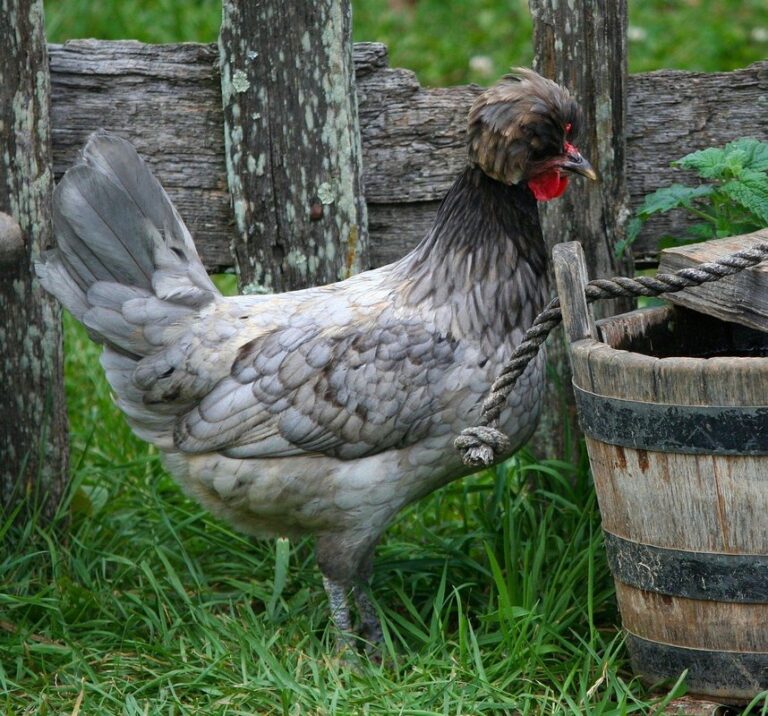
One of the most distinctive features of the Chicks Polish chicken breed is its stunning physical appearance. The feather pattern on a Polish chicken’s body is truly unique, with a rounded shape and a crest on top of their head that can grow quite long. This distinctive feature gives the bird a charming and endearing look.
The beak shape of a Polish chicken is also worth noting, as it is typically straight or slightly curved, which makes them well-suited for pecking at grain and other small foods. Additionally, the comb type on a Polish chicken’s head can vary in size and shape, but it is usually red in color and stands upright.
When caring for your Polish chickens, pay close attention to their feather health, as over-preening or excessive molting can lead to problems with their crest. Regular grooming and nail trimming will help keep them looking their best. With proper care and attention, a Polish chicken’s unique physical traits will only add to its charm and make it an enjoyable companion on your farm or backyard flock.
Personality and Temperament: What to Expect
When it comes to the temperament of Chickens Polish chickens, you can expect them to be warm and friendly companions. They are known for their docile nature, which makes them an excellent choice for families with children or for experienced backyard chicken keepers who want a low-maintenance breed.
One of the standout characteristics of Chickens Polish is their adaptability to different living situations. Whether you’re raising them in a small backyard coop or a large farm setting, they are more than capable of thriving in various environments. This flexibility also extends to temperature extremes – they can handle both hot and cold climates with ease.
Their friendly nature makes them an excellent choice for socializing. With proper introduction and handling from an early age, Chickens Polish can become trusting and affectionate pets. However, remember that as with any breed of chicken, socialization is key, so be sure to spend quality time with your birds regularly. By providing a safe and nurturing environment, you’ll find that your Chickens Polish chickens will reward you with years of companionship and entertainment.
Health Considerations for Chicks Polish Chicken
When keeping chicks Polish chicken healthy, it’s essential to be aware of potential health issues and take preventative measures to ensure their well-being throughout their lives. We’ll cover common health considerations for this breed.
Common Health Issues: A Look at the Breed’s Susceptibilities
Chicks Polish chickens are known for their stunning appearance, but like all breeds, they can be prone to certain health issues. Respiratory problems are a common concern, particularly during the first few weeks after hatching. This is often caused by drafts or poor ventilation in the coop, so make sure your chicks have plenty of room to breathe.
Another issue that Chicks Polish chickens may face is mites and lice infestations. These external parasites can cause discomfort, stress, and even lead to the spread of diseases if left untreated. Regular cleaning and disinfecting of the coop, as well as daily checks for signs of mites or lice, are essential.
Internal parasites like worms can also affect Chicks Polish chickens, especially if their diet is lacking in nutrients or they have access to contaminated feed or water. Monitor your chicks’ stools regularly for any unusual changes, and consider administering a deworming treatment every few months as a precautionary measure. By being aware of these potential health issues and taking proactive steps to prevent them, you can help keep your Chicks Polish chickens healthy and thriving.
Tips for Maintaining Good Health: Nutrition, Vaccinations, and More
Maintaining good health is crucial for your Chicks Polish chicken to thrive. A well-planned diet should be the foundation of their nutrition. Offer a high-quality starter feed that meets the nutritional needs of chicks until they’re about four weeks old. At this stage, you can gradually introduce a layer feed, ensuring it’s still nutrient-rich and formulated specifically for chickens.
Regular vaccinations are also vital to prevent diseases like Newcastle Disease and Infectious Bronchitis. Consult with your veterinarian to create an appropriate vaccination schedule based on the region where you live, local disease prevalence, and other factors. It’s essential to monitor for parasites such as mites, lice, and worms by regularly checking their droppings, feathers, and overall appearance.
To maintain parasite control, clean living areas regularly with a disinfectant solution. Provide a dust bath area filled with fine grit or sand for them to use at will. Additionally, ensure access to fresh water daily, changing it frequently to avoid bacterial contamination.
Raising Chicks Polish Chicken at Home
Are you ready to give your chicks a happy and healthy start? This section covers essential tips on how to raise them from hatch to harvest in your own backyard.
Introduction to Backyard Chicken Keeping
If you’re new to raising chickens at home, it’s essential to start with the basics of backyard chicken keeping. Before bringing those adorable Polish chicks into your life, make sure you understand the importance of local regulations.
In many areas, there are laws and ordinances governing backyard chicken keeping, including the number of chickens you can keep, noise restrictions, and even requirements for coop size and design. Research your local regulations beforehand to avoid any potential fines or issues with your neighbors. You can usually find this information on your city’s website or by contacting your local animal control department.
A well-designed coop is also crucial for happy and healthy chickens. Think about the space you’ll need to accommodate the birds, as well as the ventilation and accessibility required for easy cleaning. Consider the size of the run and how it will be enclosed to prevent escape attempts and predator invasions. Don’t forget to include a secure gate that can be closed and locked when necessary.
Sanitation is another critical aspect to consider when raising backyard chickens. Make sure you have a plan in place for managing waste, including manure collection and disposal. Regular cleaning of the coop will help keep your birds healthy and prevent disease. Set aside some time each week to clean out the coop, replace bedding material, and replenish food and water supplies.
By understanding these basics, you’ll be well on your way to creating a safe and happy environment for your Polish chickens. Remember, it’s always better to be informed before bringing home new feathered friends!
Tips for Raising Healthy Chicks: Brooder Setup and Beyond
When bringing home new chicks Polish chicken, setting up a brooder is crucial for their survival and healthy growth. A well-equipped brooder will help your chicks transition smoothly from the hatchery to their permanent coop. To create an ideal environment, you’ll need to consider three main factors: lighting, temperature control, and feeding.
Start by providing a heat source, as chicks Polish chicken require a consistent temperature between 90-100°F (32-38°C) for the first week. You can use a heat lamp or ceramic heat emitters, ensuring they’re placed at least 2 feet away from the chicks to avoid burns. Next, focus on lighting. A UVB light is essential for promoting calcium metabolism and preventing metabolic bone disease. Install it according to the manufacturer’s instructions.
When it comes to feeding, provide a starter feed with 18-20% protein content until they’re about 4 weeks old. Ensure the feeder is clean and well-ventilated, and place waterers within easy reach of your chicks Polish chicken. Monitor their food intake closely, as overeating can lead to digestive issues.
As your chicks grow, you’ll need to gradually introduce them to cooler temperatures (around 70°F or 21°C) by adjusting the heat source accordingly. By following these steps and keeping a close eye on your chicks’ development, you’ll be well on your way to raising healthy Polish chicken.
Showing and Breeding Chicks Polish Chicken
If you’re interested in showing or breeding your Chickens, understanding their specific needs and characteristics is essential for success. This includes proper care, selection, and handling of these beautiful birds.
The World of Poultry Shows: Getting Started
If you’re new to the world of poultry shows, it can be intimidating at first. But don’t worry, with a little guidance and preparation, you’ll be well on your way to showing off your prized Polish chickens.
First things first: familiarize yourself with the rules and regulations governing poultry shows in your area. Each organization or association has its own set of guidelines, so make sure to check with them directly for specific requirements. In general, you can expect to need a valid membership, proper paperwork, and adherence to show standards. For example, the American Bantam Association (ABA) has strict rules regarding breed recognition, beak trimming, and wing clipping.
When it comes to getting started, start small. Attend local or regional shows to gain hands-on experience before tackling larger events. This will also give you a chance to network with other poultry enthusiasts, learn from their experiences, and pick up valuable tips. Remember to handle your birds gently and humanely, and always follow proper biosecurity practices to prevent disease transmission.
One of the most important things to keep in mind is that showing is not just about winning – it’s also an opportunity to share knowledge, promote education, and celebrate the beauty of these amazing birds. So take it from us: even if you don’t take home a prize, the experience itself is worth the effort.
Tips for Selecting Show-Quality Chicks: Genetics and Lineage Matter
When it comes to selecting show-quality chicks, you want to focus on genetics and lineage. This is where breed standards come into play. The Polish chicken’s distinctive crest, beak, and feathering are key characteristics that should align with the American Poultry Association (APA) standard.
To increase your chances of getting high-quality birds, look for a reputable breeder who has experience in raising show chickens. They can provide you with accurate lineage information and help you identify potential winners. When evaluating chicks, pay attention to their parents’ conformation and feather quality. A well-bred Polish chicken will have straight legs, a compact body, and vibrant feathers.
It’s also essential to consider the line of your birds. A bird from a champion bloodline may be more likely to exhibit desirable traits. However, even with excellent genetics, proper care and attention are still crucial for developing a show-quality chick. By prioritizing genetics and lineage, you’ll set yourself up for success in the showing world.
Remember that breed standards can vary between registries, so make sure to consult with your local poultry association or breeding organization to determine the specific requirements for your area.
Caring for Adult Chicks Polish Chicken
When it comes to keeping your Polish chickens healthy and happy, their adult care is just as important as their early development. This section covers essential tips for caring for your adult flock’s specific needs.
Nutrition and Feeding Strategies for Adults
As adult Chicks Polish chicken grow and mature, their nutritional needs change. To ensure they remain healthy and thrive, it’s essential to provide them with a balanced diet that meets their specific requirements.
Chicks Polish chicken are omnivores, which means they need a diet rich in protein from animal sources. A good quality layer feed should be their main staple, but you can supplement it with fruits, vegetables, and insects for added variety and nutrients. For example, offering leafy greens like kale or spinach, as well as berries such as strawberries or blueberries, can provide essential vitamins and minerals.
In terms of supplements, calcium is crucial for strong bone development in adult Chicks Polish chicken. You can add crushed eggshells or oyster shells to their feed to boost calcium levels. Additionally, a small amount of grit can help with digestion and prevent issues like gizzard problems.
A consistent feeding schedule is also vital. Adult Chicks Polish chicken should be fed twice a day, providing around 1/4 to 1/2 cup of food per pound of body weight. This means that for a medium-sized adult bird, you’ll need to provide about 1-2 cups of feed per meal. Remember to always have fresh water available and clean their feeding area regularly to prevent bacterial growth.
Health Checks and Maintenance: Tips for a Long and Happy Life
Regular health checks are crucial for maintaining the well-being of your Chicks Polish chickens. Start by checking their droppings daily to detect any signs of illness or infection. Look for changes in color, consistency, or amount, as these can indicate issues such as worms or bacterial infections.
In addition to monitoring droppings, inspect your birds’ physical condition regularly. Check for mites, lice, and fleas, which can cause stress, discomfort, and even disease. Use a magnifying glass or a fine-tooth comb to spot any parasites on their feathers, legs, or underside.
Coop maintenance is also vital for keeping your Chicks Polish chickens healthy. Ensure the coop is clean, dry, and well-ventilated to prevent ammonia buildup from droppings. Change bedding material regularly and disinfect all surfaces with a solution of water and vinegar.
By incorporating these simple health checks into your daily routine, you’ll be better equipped to identify potential issues early on and take corrective action to keep your Chicks Polish chickens happy and healthy for years to come.
Frequently Asked Questions
Can I raise Polish chickens with other breeds?
Yes, it’s common to keep multiple breeds together, but ensure compatibility by researching their temperaments and needs. Introduce new birds slowly under close supervision to avoid stressing the flock.
How often should I collect eggs from my Polish chicken coop?
Regular egg collection is essential for maintaining a clean and healthy environment. Aim to collect eggs daily or every other day, depending on your flock’s size and egg-laying frequency.
What are some common health issues in Polish chickens, and how can I prevent them?
Polish chickens may be prone to respiratory problems, Marek’s disease, and parasites due to their compact body type. Practice good hygiene, provide a balanced diet, maintain a clean coop, and consider vaccinations to minimize these risks.
How long does it take for Polish chicks to mature and start laying eggs?
Chicks typically take around 18-20 weeks to mature and begin laying eggs regularly. However, this timeframe can vary depending on factors such as nutrition, health, and genetics.
Can I show my Polish chickens in poultry shows if they’re not purebred?
While some breed associations allow non-purebred birds in their shows, others may have specific requirements or restrictions. Research the regulations of your local breed association or poultry club to ensure compliance before entering your birds into competitions.