
Are you thinking of adding some loving companions to your backyard flock? Or perhaps you’re looking for a breed that’s known for its gentle nature and impressive egg-laying abilities? Look no further than the Orpington chicken! With their rich history dating back to the late 19th century, these lovable hens have become a favorite among backyard farmers and chicken enthusiasts alike. Not only are they relatively easy to care for, but they’re also known for being friendly, docile, and great with children. In this article, we’ll delve into the world of Orpington chickens, covering their history, characteristics, temperament, health, egg-laying ability, and more. Whether you’re a seasoned farmer or just starting out, this comprehensive guide will give you everything you need to know about raising healthy, happy hens.
History and Origin of Orpington Chickens
Let’s take a step back into time and explore where these beautiful birds originated, tracing their roots to 19th-century England. You’ll be surprised at how much history lies behind these lovable hens.
The Early Days of Orpington Breeding
The Orpington breed’s history dates back to the 19th century in England. In 1886, William Cook of Kent began breeding chickens with the goal of creating a friendly and docile bird that would thrive in backyard settings. His primary objective was to develop a dual-purpose breed, capable of producing both meat and eggs.
Cook crossed various breeds, including the Black Langshan, Brahma, and old English Game Fowl, to create the Orpington’s distinctive characteristics. He achieved his goal by emphasizing gentle nature, rich plumage, and high egg-laying capacity. By 1894, Cook had established a large flock of over 200 birds, which he showcased at poultry shows in England.
The breed’s success was rapid, with Orpingtons becoming a hit among backyard farmers due to their affectionate personalities and impressive egg production. Today, the breed remains popular worldwide for its unique charm and friendly demeanor, making it an excellent choice for hobbyists and families alike.
Characteristics that Define Orpingtons
One of the most distinctive features of Orpington chickens is their impressive physical presence. On average, adult hens weigh between 8 and 11 pounds (3.6 to 5 kilograms) and measure around 24 inches (61 centimeters) tall. This size, combined with their broad chests and sturdy build, makes them one of the largest breeds of domestic chicken.
In terms of feathering, Orpingtons are known for their long, soft plumage that provides excellent insulation against cold temperatures. They have a double layer of feathers, which includes a soft undercoat and a longer outer layer that helps to protect against wind and rain. The breed’s most striking feature is its stunning variety of plumage colors, including black, blue, buff, chocolate, lavender, white, and spangle. When choosing an Orpington, consider the color you prefer, as some may have more desirable characteristics than others.
While the size and feathering of Orpingtons are undeniable advantages, it’s essential to remember that their large build can lead to health issues if not managed properly. Regular exercise and a balanced diet will help prevent obesity and related problems in these lovely hens.
Types of Orpington Chickens
There are several distinct types of Orpington chickens, each with its own unique characteristics and advantages for backyard flocks. Let’s explore some of the most popular varieties.
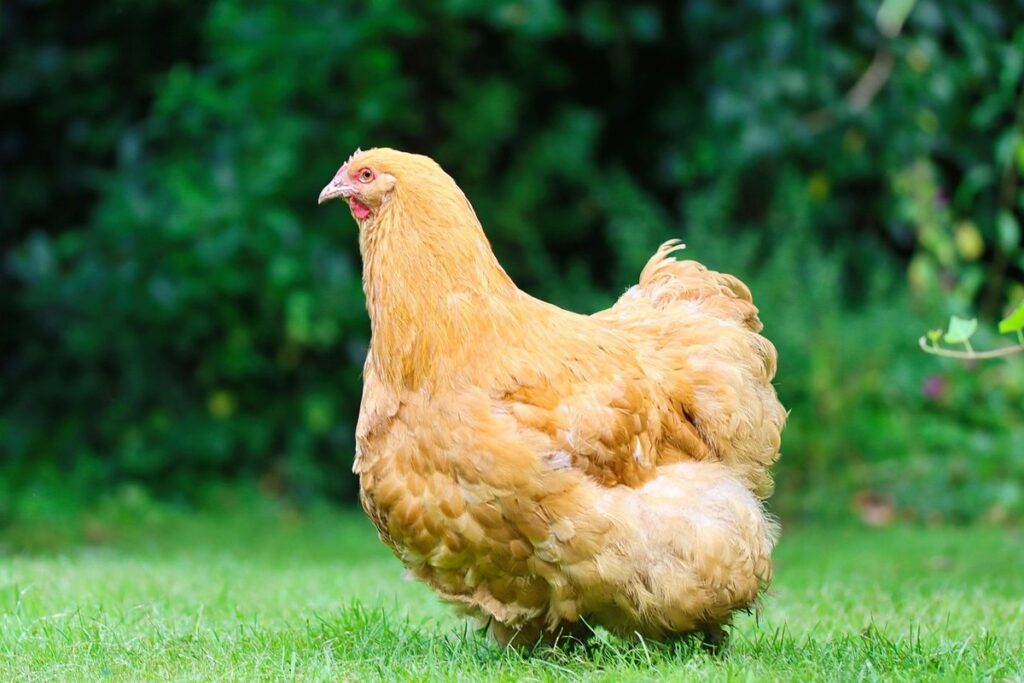
Buff Orpingtons: The Most Popular Variety
If you’re looking for a friendly and gentle giant among Orpington breeds, look no further than the Buff Orpington. This popular variety is known for its exceptional temperament, making them an excellent choice for families with children or for backyard chicken keepers who want a low-maintenance flock.
Buff Orpingtons are renowned for their calm and docile nature, which makes them an ideal breed for beginners. They are not as flighty as some other breeds and are more likely to follow you around the yard rather than running off at the first sight of a stranger. Their friendly demeanor also means they get along well with other birds in the flock, making them a great choice for larger flocks.
When it comes to egg-laying, Buff Orpingtons are reliable producers, laying an average of 200-220 brown eggs per year. While this may not be as prolific as some other breeds, their steady production and gentle nature make them a popular choice among backyard chicken keepers. Overall, the Buff Orpington is a versatile breed that excels in both temperament and egg-laying abilities, making them an excellent addition to any flock.
Black Orpingtons: A Rarer but Just as Beautiful Breed
The Black Orpington variety is one of the rarer breeds within the Orpington family, but it’s just as stunning and endearing. One of its most distinctive features is its sleek black plumage, which shimmers with a subtle sheen in the right light. In terms of size, Black Orpingtons are similar to their buff counterparts, growing to around 9-12 pounds and maintaining an impressive, broad build.
If you’re considering bringing home a Black Orpington as part of your flock, be aware that they tend to lay fewer eggs than other breeds – expect around 200 per year. However, the rewards far outweigh this minor drawback: their gentle nature makes them perfect for families with children or for those who want to create a stress-free backyard flock.
Some breeders note that Black Orpingtons can be slightly more challenging to manage due to their dense feathers, which can make it harder to spot potential health issues. To mitigate this risk, always check your bird’s overall health and cleanliness regularly.
Blue Orpingtons: The New Kid on the Block
The Blue Orpington variety has recently gained popularity among chicken enthusiasts due to its striking blue-gray feathers and friendly demeanor. One of the standout characteristics of this breed is its large size, with hens weighing around 9-10 pounds on average. This makes them a great choice for farmers who want to raise birds that can produce an impressive amount of eggs.
Compared to other Orpington breeds, Blue Orpingtons are known for their cold hardiness and ability to thrive in areas with harsh winters. However, they do require regular grooming to prevent matting and tangling of their beautiful feathers. Blue Orpingtons are also friendly and docile, making them a great choice for families or small farms where children will be interacting with the birds.
In terms of egg production, Blue Orpingtons are considered medium-weight layers, producing around 200-220 brown eggs per year. While they may not lay as many eggs as some other breeds, their large size and gentle nature make them a popular choice for those who value these traits over sheer egg-laying capacity.
If you’re considering adding Blue Orpingtons to your flock, be sure to provide them with plenty of space to roam and exercise. They require about 2-4 square feet per bird inside the coop, and at least 8-10 hours of sunlight per day outside. With proper care and attention, Blue Orpingtons can thrive in a variety of settings and become beloved members of your backyard flock.
Temperament and Handling of Orpington Chickens
When it comes to raising Orpington chickens, understanding their temperament and handling is crucial for a harmonious relationship between you and your feathered friends. We’ll cover what makes them gentle giants and how to handle them safely.
Understanding Orpington Temperament
When it comes to understanding Orpington temperament, one thing is clear: these lovely ladies are known for their calm and gentle nature. Friendly and docile, Orpingtons are a joy to have as pets, making them an excellent choice for families with children or for those new to raising backyard chickens. Their temperament is often described as easy-going, laid-back, and affectionate.
In fact, Orpingtons are one of the most popular breeds due to their friendly disposition. They love human interaction and will often seek out attention from their owners. This makes them relatively low-maintenance pets, as they don’t require a lot of special handling or exercise. However, it’s essential to provide them with regular socialization and attention to keep them happy and healthy.
If you’re new to raising Orpingtons, here are a few tips for introducing them to your flock: start by letting them get used to each other’s presence, then gradually introduce individual birds to the group. With patience and gentle handling, even the most skittish Orpington will become a confident and friendly member of your flock.
How to Handle Orpingtons: Tips for Beginners
When you first bring home an Orpington chicken, it’s essential to handle her safely and humanely. These gentle giants are prone to obesity, so it’s crucial to establish a regular exercise routine from the start.
Begin by getting accustomed to handling them gently but firmly. Support their body weight with one hand under their chest, while using the other to cradle their wings. Avoid picking them up by their legs or tail, as this can be stressful and even painful for the bird.
To minimize stress during handling, make sure your hands are clean and free of strong perfumes or colognes that might frighten them. Move slowly and calmly around the chicken, allowing her to become familiar with your presence. When introducing a new chicken to an existing flock, do so gradually to prevent any potential conflicts.
When it’s time for vaccinations, handling, or other medical procedures, work with experienced breeders or veterinarians who can provide guidance on safe and humane handling practices specific to Orpington chickens.
Health Considerations and Care
When it comes to raising healthy Orpington hens, understanding their specific health needs is crucial. This section covers essential tips for maintaining your flock’s well-being.
Common Health Issues in Orpingtons
As an Orpington chicken owner, it’s essential to be aware of the potential health issues that can affect your flock. One common problem is obesity, which can lead to a range of complications including heart disease and respiratory problems. To prevent obesity, ensure your hens have plenty of space to roam and exercise outdoors, and limit their access to treats.
Another issue that can affect Orpingtons is egg-binding, a condition where an egg becomes stuck in the hen’s oviduct. This can be caused by a range of factors including dehydration, nutritional deficiencies, or reproductive problems. To prevent egg-binding, make sure your hens have access to clean water at all times and provide a balanced diet rich in calcium.
Regular health checks are also crucial in identifying any potential issues early on. Monitor your hens’ weight, egg production, and overall behavior, and seek veterinary advice if you notice any changes or signs of illness. By being proactive about your Orpingtons’ health, you can help prevent common problems and keep your flock thriving for years to come.
Nutrition and Diet: What Your Orpington Needs to Thrive
When it comes to providing the best possible nutrition for your Orpington chickens, their dietary needs are quite specific. As a large breed, they require more calories and protein than smaller breeds to maintain their weight and support muscle growth. A good quality layer feed should be their main staple, but you’ll also need to supplement with fresh fruits and vegetables daily.
Aim to provide about 1/4 cup of fresh produce per hen per day, and rotate the types frequently to ensure they get a broad range of nutrients. Leafy greens like kale, spinach, and collard greens are excellent choices, as well as carrots, apples, and sweet potatoes. Avoid giving them avocado, onions, or garlic, as these can cause digestive issues.
In terms of supplements, you may need to add calcium-rich sources, such as crushed eggshells or oyster shells, especially during breeding season when they’ll be laying eggs. Also, consider adding a probiotic powder to their feed to support gut health and boost immune function. Consult with your veterinarian for specific advice on supplementing your Orpingtons’ diet based on their individual needs and health status.
Egg-Laying Ability and Production
When it comes to egg-laying ability, Orpington hens are known for their impressive production rates, making them a popular choice among backyard chicken keepers. Let’s take a closer look at what you can expect from your girls.
How Many Eggs Can You Expect from an Orpington?
When it comes to egg-laying ability, Orpington hens are known for their moderate production. On average, a healthy Orpington hen will lay around 180-200 large brown eggs per year, which is slightly lower than some other popular breeds like Leghorns or Rhode Island Reds. However, this doesn’t mean you’ll be getting fewer eggs from your Orpington girls – it just means they’re not as prolific egg-layers.
There are several factors that can affect an Orpington’s egg production, including age, nutrition, and health. For example, a young hen may take longer to mature and reach peak laying potential, while a malnourished or stressed bird may produce fewer eggs overall. To encourage optimal production from your Orpingtons, make sure they have access to high-quality feed, fresh water, and regular exercise.
Some factors that can affect egg-laying ability include:
• Age: Hens typically reach peak laying potential between 2-5 years of age
• Nutrition: A balanced diet rich in protein, calcium, and other essential nutrients is crucial for healthy egg production
• Health: Regular health checks and vaccinations can help prevent illnesses that may impact egg-laying
By providing your Orpingtons with a supportive environment and proper care, you can expect a steady supply of fresh eggs from these wonderful hens.
Tips for Maximizing Egg Production in Your Flock
To maximize egg production in your Orpington flock, it’s essential to create an ideal laying environment. This involves providing adequate lighting and nutrition for your hens. Ensure that your coop receives sufficient natural light, especially during the winter months when daylight hours are shorter. You can also supplement with artificial lighting, such as LED bulbs specifically designed for poultry.
Proper feeding is another critical aspect of egg production. Provide a balanced diet that includes high-quality layer feed, fresh vegetables, and fruits. A mix of calcium-rich foods like crushed oyster shells or dark leafy greens will help support strong eggshell development.
Maintain a clean and dry coop to prevent health issues that can impact laying performance. Consider implementing a nesting box enrichment strategy by adding toys, perches, or scratching posts to encourage physical activity and reduce stress.
Aim to provide at least 14 hours of light per day for optimal production. Monitor your hens’ eating habits and adjust their feed accordingly to ensure they’re getting the nutrients they need to lay eggs regularly.
Breeding and Showing Orpingtons
If you’re interested in showcasing your Orpingtons’ best qualities, this section covers the ins and outs of breeding and showing these beautiful birds. Whether a seasoned breeder or newcomer to the world of poultry shows, this information is essential.
The Process of Breeding Orpington Chickens
Breeding Orpington chickens requires careful planning and attention to detail. To start, you’ll need to select a pair of high-quality birds that demonstrate the desirable traits you want to pass on to their offspring. This may involve evaluating the parent birds’ conformation, egg production, feather quality, and temperament.
Once you’ve selected your breeding pair, it’s essential to ensure they are in optimal health and condition before attempting to breed them. This includes providing a nutritious diet, adequate shelter, and regular veterinary care. You should also quarantine the birds for several weeks before introducing them to your main flock to prevent the introduction of diseases or parasites.
If you’re new to breeding Orpingtons, it’s recommended to start with a small number of birds and gradually increase your stock as you gain experience. This will allow you to refine your breeding strategy and make any necessary adjustments without overwhelming yourself. With patience, persistence, and proper planning, you can successfully breed healthy, high-quality Orpington chickens that will thrive in your flock.
Tips for Show-Ready Orpingtons: Grooming and Preparation
When it’s time for your Orpingtons to strut their stuff at the show ring, proper grooming and preparation are crucial. A clean and well-groomed bird makes a great impression on judges, so let’s dive into some essential tips.
Start by keeping your Orpingtons’ living conditions spotless, including their coop, run, and feeding areas. Regularly cleaning and disinfecting these areas will help prevent dirt and grime from building up on your birds’ feathers. Brush their plumage regularly to remove loose hair and promote healthy growth. For show-day preparation, trim any overgrown feathers or beak with a sharp pair of poultry shears.
Pay particular attention to the following areas: wings, tail feathers, and beak length. Judges will scrutinize these features closely, so make sure they’re trimmed neatly and evenly. Use a fine-tooth comb to detangle your Orpingtons’ feathers, working from the ends up towards the body. Keep in mind that some shows may have specific requirements for grooming and preparation, so check the show rules beforehand.
On the day of the show, arrive early to allow time for last-minute checks. Make sure your Orpington is hydrated, fed, and comfortable before entering the ring. A well-prepared bird will shine under the spotlight!
Frequently Asked Questions
How do I introduce new Orpington chickens to my existing flock without causing stress or conflict?
Introducing new birds to your flock requires patience and careful planning. Start by keeping the new Orpingtons separate from the rest of the flock for a few days, allowing them to get accustomed to their new surroundings. Once they seem comfortable, begin supervised introductions in a neutral area, rewarding good behavior with treats.
What are some common health issues I should be aware of when raising Orpington chickens?
While generally healthy, Orpingtons can be prone to obesity, heart disease, and certain respiratory problems if not properly cared for. Regular exercise, balanced nutrition, and regular veterinary check-ups can help prevent or manage these conditions.
Can I breed Orpingtons with other chicken breeds to create hybrid offspring?
Yes, cross-breeding is a common practice among backyard farmers. However, the resulting offspring may inherit characteristics from both parent breeds, which could affect their temperament, egg-laying ability, and overall health.
How do I encourage maximum egg production in my Orpington hens without over-exerting them?
Providing a balanced diet, adequate light, and proper ventilation can help promote optimal egg laying. Consider supplementing with calcium to support strong eggshell development, and ensure your hens have access to clean water and a dust bath for relaxation.
What are some tips for identifying the sex of Orpington chicks at a young age?
Determining sex at a young age requires attention to specific physical characteristics. Look for the size and shape of the comb, as well as the length and color of the feathers around the vent area. Consult with an experienced breeder or veterinarian if you’re unsure about identifying the sex of your Orpington chicks.