
Are you thinking of bringing home a Frizzle Bantam rooster to join your flock? These charming birds are not only adorable with their unique, frizzy feathers but also make wonderful companions for backyard chicken keepers. If you’re new to raising poultry or just looking for expert advice on caring for these lovable birds, this article is perfect for you! We’ll delve into the origins of Frizzle Bantams, exploring how their distinctive appearance has made them a favorite among breeders and enthusiasts alike.
In this comprehensive guide, we’ll cover everything you need to know about raising happy and healthy Frizzle Bantam roosters. From their dietary requirements to potential health issues, we’ll provide expert insights into what it takes to give these charming birds the best possible life. Whether you’re a seasoned chicken keeper or just starting out, this article is designed to be your ultimate resource for successfully raising Frizzle Bantams.
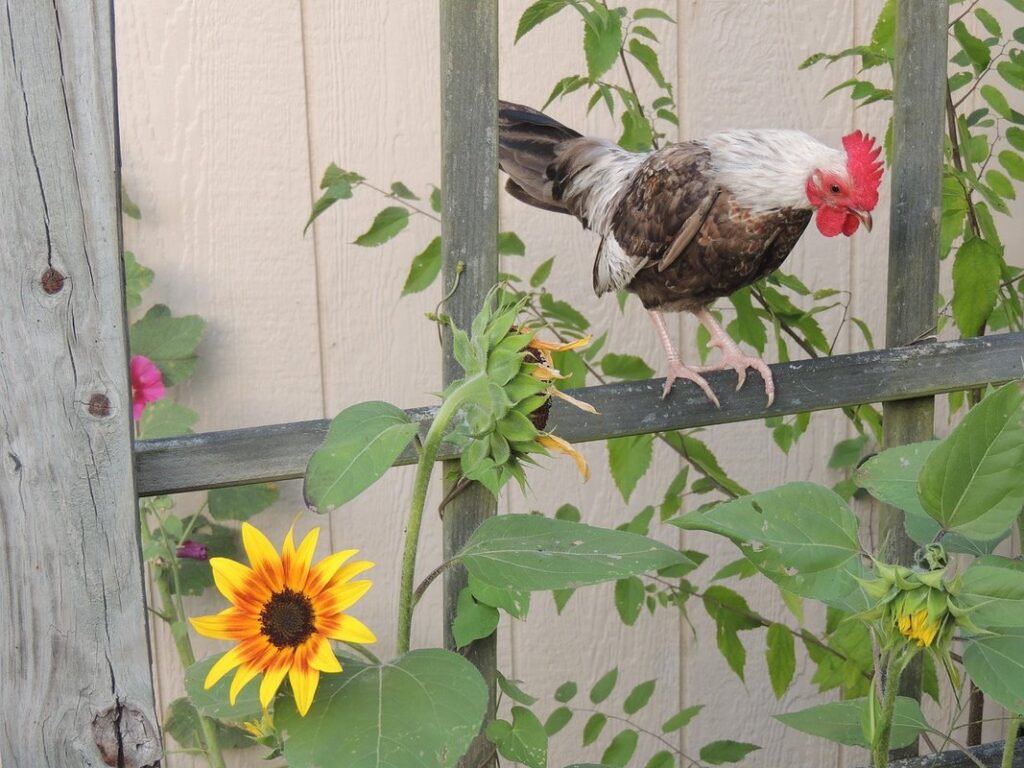
Understanding the Basics of Frizzle Bantam Roosters
Let’s start with the fundamentals – understanding what makes a Frizzle Bantam rooster unique, and learning the essential characteristics that define this breed.
Origin and History of the Breed
The Frizzle Bantam rooster breed has its roots in Europe, where it is believed to have originated from a variety of birds known for their unique frizzled feathers. These early ancestors were likely influenced by the Old English Game Fowl and the Malay Game Fowl, which were brought to England in the 19th century.
As the Frizzle Bantam breed evolved, it became popular among backyard chicken keepers due to its small size and entertaining behavior. In the early 20th century, breeders began selecting for specific characteristics such as feather length and fluffiness, resulting in the distinct appearance we know today.
Today’s Frizzle Bantam roosters are a testament to centuries of selective breeding, with their distinctive feathers and lively personalities making them a beloved addition to many small farms and backyards. While they may not be as large or powerful as some other breeds, their charm and charisma have earned them a special place in the hearts of chicken enthusiasts.
The Frizzle Bantam breed’s unique history has also made it a popular choice for heritage and conservation efforts, with many breeders working to preserve the breed’s genetic integrity.
Physical Characteristics of Frizzle Bantams
One of the most distinctive features of Frizzle Bantam roosters is their unique feathering. Unlike other breeds, Frizzle Bants have a ‘frizzled’ appearance due to their feathers curling and twisting in all directions. This gives them a fluffy, almost cartoon-like appearance that’s both endearing and entertaining to watch. Their feathers are typically longer at the back of the neck and on the tail, creating a dramatic flair.
In terms of size, Frizzle Bantam roosters are one of the smallest breeds, weighing in around 1-2 pounds (0.5-1 kg) and measuring approximately 6-7 inches (15-18 cm) tall. Their small stature makes them a delight for backyard flocks or for those who want a compact companion.
When it comes to coloring, Frizzle Bants come in a variety of hues, including black, blue, buff, chocolate, red, and white. They often feature mottled or speckled patterns, adding to their charm. Keep in mind that some breeders may offer more exotic color combinations, so be sure to research the specific characteristics you’re looking for when selecting a Frizzle Bantam rooster.
Raising a Healthy Frizzle Bantam Rooster
Raising a healthy Frizzle Bantam rooster requires attention to diet, exercise, and living conditions, which we’ll break down in this crucial section. By following these tips, you’ll be well on your way to raising a happy, thriving bird.
Nutrition and Diet for Frizzle Bantams
When it comes to providing optimal nutrition for your Frizzle Bantam rooster, understanding their specific needs is crucial. These small birds require a balanced diet that meets their energy requirements, supports healthy growth, and maintains their unique characteristics.
A good starting point is to provide a high-quality commercial pelleted feed as the main staple of their diet. Look for feeds specifically formulated for small bantam breeds like Frizzle Bantams, which typically contain around 16-18% protein. You can supplement this with occasional treats of fresh fruits and vegetables, such as leafy greens, carrots, and berries.
However, it’s essential to note that Frizzle Bantams are prone to health issues if overfed or fed poor-quality foods. A general rule of thumb is to feed your rooster 1-2% of their body weight in food per day, divided into two to three meals. For example, a 12-week-old Frizzle Bantam would require around 0.5-1 oz (14-28g) of food daily.
Be mindful of dietary restrictions as well – Frizzle Bantams are sensitive to foods high in sulfur, such as beans and onions. Avoid giving them too many treats, especially those high in sugar, to prevent obesity and other health problems.
Environmental Needs for Frizzle Bantams
When it comes to housing and environmental needs, Frizzle Bantam roosters are relatively low-maintenance compared to other breeds. However, providing a suitable environment is crucial for their overall health and well-being.
In terms of space requirements, Frizzle Bantams are tiny birds that need about 2-3 square feet per bird inside the coop, depending on whether you plan to keep them indoors or outdoors. A larger run or enclosure with adequate ventilation will help prevent ammonia buildup and reduce stress on your birds. Aim for a minimum of 10 hours of sunlight exposure daily.
Temperature control is also essential for Frizzle Bantams. They can tolerate temperatures between 40°F and 80°F (4°C to 27°C), but avoid placing their coop near drafts or extreme weather conditions. A temperature range of 60-70°F (15-21°C) is ideal, with adequate ventilation to prevent overheating.
To ensure a healthy environment for your Frizzle Bantam rooster, provide dust-free bedding like wood shavings or pine pellets and maintain cleanliness by removing soiled bedding regularly.
Health Issues Affecting Frizzle Bantam Roosters
As you’ll want to ensure your feathered friend stays healthy, it’s essential to be aware of potential health issues that can affect frizzle bantam roosters. Some common problems include respiratory issues and feather plucking.
Common Health Problems in Frizzle Bantams
Frizzle Bantams are prone to several health issues that can affect their overall well-being. Respiratory problems are a common issue in these birds, often caused by genetic predisposition and humidity levels in the coop. Symptoms may include labored breathing, wheezing, or coughing. To mitigate this, ensure good ventilation in the coop, keep it dry, and consider using humidistats to monitor moisture levels.
Feather pecking is another issue that can arise due to boredom, stress, or nutritional deficiencies. This behavior can lead to feather loss and skin irritation. Encourage foraging by providing a varied diet with plenty of fruits and vegetables, and rotate toys regularly to prevent monotony.
Internal parasites such as worms, mites, and lice can also infest Frizzle Bantams, causing weight loss, lethargy, and poor feather condition. Regular deworming, keeping the coop clean, and monitoring for signs of infestation are essential preventive measures. It’s crucial to schedule regular check-ups with a veterinarian familiar with poultry health to catch any issues early on and provide tailored advice.
Prevention and Treatment of Health Issues
Preventing health issues is crucial for keeping your Frizzle Bantam rooster happy and healthy. One of the most common health concerns affecting this breed is respiratory problems caused by their unique crest. To prevent this, ensure good ventilation in their coop by installing windows or vents to allow fresh air circulation. Keep the coop clean, removing droppings regularly to reduce ammonia levels.
Regular vaccinations are also essential for protecting your rooster from diseases such as Marek’s disease and Newcastle disease. Consult with a veterinarian to determine the best vaccination schedule for your bird. A balanced diet rich in nutrients is vital for maintaining your Frizzle Bantam’s overall health. Provide a high-quality commercial feed, supplemented with fruits and vegetables to ensure they get all necessary vitamins and minerals.
Common health issues in Frizzle Bantams include feather loss due to stress or disease, obesity from overeating, and eye problems caused by their unique crest. Regularly check your rooster’s feathers for signs of stress or disease, trim any long feathers to prevent eye irritation, and monitor their weight to prevent obesity. Consult a veterinarian if you notice any unusual symptoms.
Showing Your Frizzle Bantam Rooster
When it comes time to show off your feisty little rooster, knowing how to showcase his unique charm is key. Here’s how to bring out the best in him at a poultry show.
Breeding Standards for Frizzle Bantams
When showing your Frizzle Bantam rooster in competition, it’s essential to understand the breeding standards that judges look for. Physical characteristics play a significant role in determining the overall quality of the bird. Judges assess the frill, which should be long and well-developed, with a gentle wave at the edges. The feathers on the back should be full and rounded, while those on the breast should be flat and smooth.
In addition to physical characteristics, judges also evaluate behavior. A Frizzle Bantam rooster should have a bold and confident demeanor, with a sharp, inquiring gaze. During the show, he should strut around the ring with ease, exhibiting no nervousness or shyness. Proper grooming is also crucial; judges look for birds with clean, well-oiled plumage that shines with health and vitality.
To give your Frizzle Bantam rooster an edge in competition, focus on developing his frill through regular exercise and a balanced diet. Keep him well-groomed by regularly cleaning and oiling his feathers. With practice and patience, you’ll be able to showcase your bird’s best qualities, impressing judges with his physical characteristics and behavior.
Tips for Winning with Your Frizzle Bantam Rooster
When it comes to showing your Frizzle Bantam rooster, preparation is key. To help your bird shine, focus on training, grooming, and handling techniques. First, train your rooster to be comfortable with being handled and poked around by judges. This can be achieved through regular interaction and gentle handling from a young age.
Grooming is also crucial in showcasing the Frizzle Bantam’s unique characteristics. Use a wide-tooth comb or a slicker brush specifically designed for bantams to gently remove any tangles or mats from your rooster’s feathers. Pay particular attention to the frizzle, as loose strands can detract from its overall appearance.
Practice holding and showing your rooster in front of mirrors or during mock shows at home. This will help you both get accustomed to being in a show environment and allow for adjustments to be made before the actual event. For example, position yourself to showcase the frizzle, rather than having it obscured by the rooster’s body. With patience, practice, and dedication, your Frizzle Bantam rooster is sure to impress judges and spectators alike.
Frizzle Bantam Rooster Care: FAQs
You’re probably wondering how to provide the best possible care for your new feathered friend, so let’s tackle some of the most frequently asked questions about caring for a Frizzle Bantam Rooster.
Frequently Asked Questions About Frizzle Bantams
When it comes to Frizzle Bantam roosters, we often get asked some common questions. One of the most popular ones is about egg-laying: do male chickens lay eggs? The answer is no, male chickens are incapable of laying eggs. However, if you’re keeping a Frizzle Bantam rooster for their unique appearance and charm, it’s essential to note that they can make great additions to backyard flocks.
Another question we often get asked is about the noise level of Frizzle Bantams. These little guys can be quite vocal, especially in the morning and evening. They’ll let you know when they’re hungry or want attention. If you live in a residential area or have close neighbors, it’s essential to consider this before bringing home a Frizzle Bantam rooster.
In terms of lifespan, on average, Frizzle Bantams can live for around 10-15 years with proper care and nutrition. However, some owners have reported their birds living up to 18 years or more in ideal conditions. This is definitely something to consider when deciding if a Frizzle Bantam rooster is right for you.
Remember, every bird is different, so be prepared to provide individualized attention and care to ensure your Frizzle Bantam rooster lives a happy and healthy life.
Tips for New Frizzle Bantam Owners
As you welcome your new Frizzle Bantam rooster into your flock, it’s essential to be prepared for their unique needs and personalities. First-time owners often underestimate the high energy levels of these little birds, so make sure to provide a spacious coop with plenty of perches and toys to keep them entertained.
In terms of diet, Frizzle Bantams require a balanced mix of grains, proteins, and vitamins. Consider supplementing their commercial feed with fruits and vegetables to ensure they’re getting the nutrients they need. For example, you can offer fresh kale or spinach as a treat, but be mindful not to overdo it – too much calcium can lead to kidney stones.
Common issues in new Frizzle Bantam owners often stem from inadequate socialization or improper handling techniques. Be sure to spend quality time with your bird daily, gently stroking their feathers and getting them accustomed to human interaction. Also, keep an eye out for signs of stress, such as excessive feather plucking or aggressive behavior, and consult a veterinarian if you notice any unusual changes in their health.
Some essential supplies to have on hand include a dust bath, which is crucial for maintaining your Frizzle Bantam’s unique frizzle feathers, and a secure coop escape-proofing kit – these birds are notorious for their ability to squeeze through tiny openings!
Conclusion: Why You’ll Love Raising a Frizzle Bantam Rooster
Now that you’ve learned the ins and outs of raising a Frizzle Bantam rooster, let’s talk about why it’ll be an incredibly rewarding experience for you. You’re going to adore having one in your flock!
The Joy of Raising a Frizzle Bantam
Raising a Frizzle Bantam rooster is an absolute joy for many backyard chicken enthusiasts. One of the main reasons why they’re so beloved is their incredibly friendly personality. These little birds are known to be docile, gentle, and social, making them perfect for families with children or for those who want a low-maintenance yet affectionate pet.
In terms of appearance, Frizzle Bantams have a unique charm that’s hard to resist. Their frizzy feathers give them an endearing, almost cartoon-like look that will leave you smiling every time you see them. Whether they’re strutting around the yard or snuggled up in their coop, they’re guaranteed to bring a touch of whimsy and delight to your daily routine.
Caring for a Frizzle Bantam rooster is also surprisingly easy. They require minimal space, are relatively low-maintenance when it comes to feeding and grooming, and can thrive in even the smallest backyards. With their friendly demeanor and striking appearance, it’s no wonder why so many chicken keepers fall head over heels for these charming birds.
Final Thoughts on Frizzle Bantam Roosters
Raising a Frizzle Bantam rooster can be a delightful and rewarding experience. These charming birds bring so much joy to backyard flocks and make great pets for those willing to provide the right care. One of the most significant advantages of owning a Frizzle Bantam rooster is their unique, affectionate nature. They are known to bond strongly with their owners and can become quite tame.
In fact, many enthusiasts swear by their Frizzle Bantams’ ability to recognize and respond to individual voices, making them a beloved addition to any flock. Additionally, these birds are relatively low-maintenance compared to larger breeds, requiring minimal space and easy-to-care-for living conditions. With proper care and attention, a Frizzle Bantam rooster can thrive in even the smallest of backyards.
If you’re considering bringing a Frizzle Bantam rooster into your life, remember that patience and consistency are key. Provide them with regular social interaction, a balanced diet, and plenty of space to roam, and they will reward you with years of companionship and entertainment.
Frequently Asked Questions
Can I raise a Frizzle Bantam rooster with other breeds of chickens?
Yes, Frizzle Bantams can be integrated with other breeds, but it’s essential to ensure compatibility by introducing them slowly and under close supervision. Start by keeping the birds separated for a few days before introducing them to each other. Monitor their behavior, and if necessary, separate aggressive individuals to maintain peace in your flock.
How do I prevent health issues in my Frizzle Bantam rooster?
Regular check-ups with a veterinarian experienced in poultry care are crucial to maintaining your Frizzle Bantam’s health. Also, provide them with a balanced diet rich in nutrients and ensure they have access to clean water at all times. Keep an eye out for signs of respiratory problems or fungal infections, which can be more common in this breed due to their unique feather structure.
Can I show my Frizzle Bantam rooster?
Frizzle Bantams are eligible for exhibition in many poultry shows, but it’s crucial to check the specific rules and regulations for your local competitions. Ensure your bird meets the standard breed characteristics and is healthy enough for travel and competition. Train your rooster well before showing to minimize stress and improve its chances of winning.
How do I handle molting in my Frizzle Bantam rooster?
Molting can be a challenging time for backyard chicken keepers, but there are steps you can take to make it easier. Provide plenty of calcium-rich foods during the molting season to support feather growth and ensure your bird has access to clean water at all times. Consider providing supplements or a high-protein feed to promote healthy growth.
What should I do if my Frizzle Bantam rooster escapes?
If your rooster manages to escape, remain calm and act quickly. Check the surrounding area for any signs of your bird before expanding your search radius. Reach out to neighbors and local breeders for assistance in locating your missing rooster. Consider taking precautions such as securing fences or improving coop design to prevent future escapes.