
If you’re anything like me, you’ve probably fallen in love with backyard chickens at some point. There’s something special about watching those girls scratch around in your yard, clucking away as they forage for bugs and seeds. But have you ever considered adding a bit of British charm to your flock? Enter the Legbar hen – a stunning bird with a rich history and unique characteristics that make them perfect for any backyard chicken keeper.
If you’re new to raising Legbars or are looking to learn more about these wonderful birds, this guide is for you. We’ll delve into their fascinating history, exploring how they came to be one of the most popular breeds among backyard flock enthusiasts. You’ll also get tips on caring for your Legbar hens, including their specific needs and requirements to ensure they thrive in your yard. Whether you’re a seasoned chicken keeper or just starting out, this detailed guide will have everything you need to know about raising happy and healthy Legbar hens.
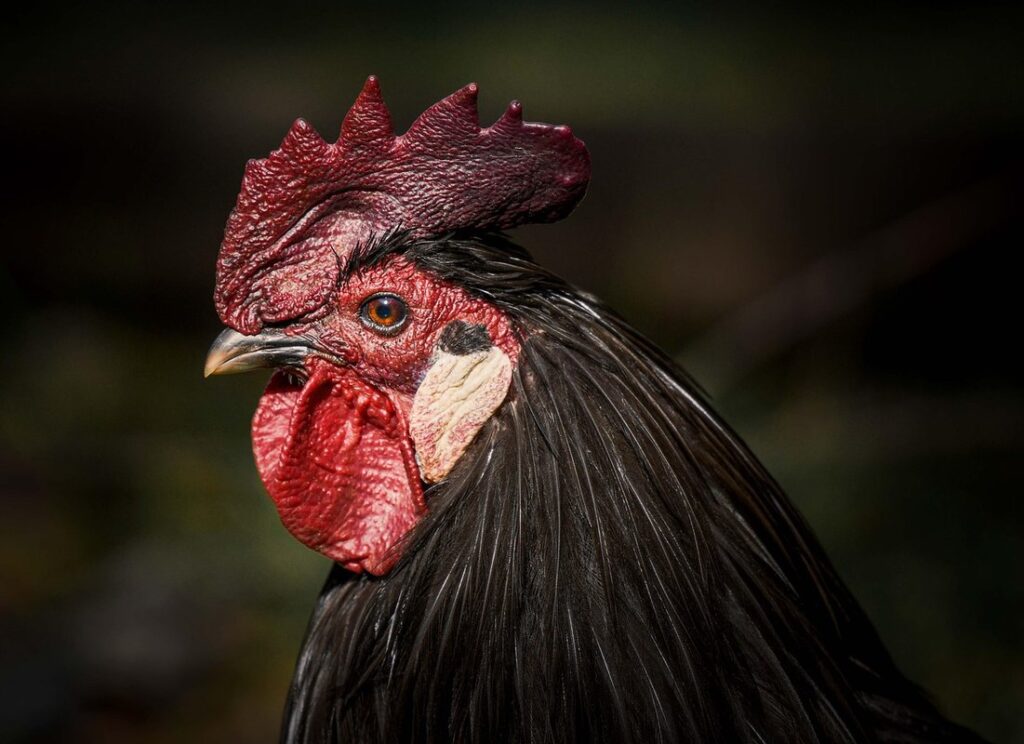
History and Origin of the Legbar
The Legbar hen has a fascinating history that dates back to the early 20th century, when it was first developed in Cambridge University’s Poultry Department. Let’s explore how this remarkable breed came to be.
The Development of the Legbar Breed
The development of the Legbar breed is a fascinating story that began in the 1930s in England. The British Poultry Club sought to create a hardy and prolific egg-layer that could withstand the harsh climate of the UK’s countryside. To achieve this, they crossed the Barred Plymouth Rock with the Araucana, resulting in a robust and fertile bird.
One key characteristic that distinguishes the Legbar from other breeds is its unique genetic trait – it has a gene that causes it to lay blue eggs, a result of the Araucana influence. This is in addition to its high egg-laying capacity, with some hens producing up to 200 large brown or blue eggs per year.
Another notable feature of the Legbar is its striking appearance, with a predominantly white plumage and black stripes on its wings and tail. Its friendly and docile nature makes it an excellent choice for backyard farmers and hobbyists who want to keep a low-maintenance flock. By selecting birds from reputable breeders, you can bring home a Legbar that will thrive in your environment and provide years of egg-laying pleasure.
Key Features of the Legbar Hen
The Legbar hen is a stunning bird with a unique combination of physical characteristics that set it apart from other breeds. One of its most distinctive features is its striking appearance, which includes a mix of gold and silver feathers on its back, along with white undersides. However, its looks are not the only impressive aspect of this breed – Legbars are also known for their friendly and docile temperament, making them an excellent choice for backyard chicken keepers.
In terms of egg-laying abilities, Legbar hens are prolific layers that can produce up to 200 large brown eggs per year. To encourage optimal egg production, it’s essential to provide your Legbars with a balanced diet that includes a mix of high-quality grains, fruits, and vegetables. A daily dose of calcium supplements will also help promote strong eggshell development.
When introducing new Legbar hens to your flock, be sure to do so gradually and under close supervision to prevent any potential conflicts. With proper care and attention, these lovely birds will thrive and become a cherished addition to your family.
Characteristics and Traits
Legbar hens are known for their unique characteristics, which make them a beloved addition to many backyard flocks. Let’s explore what makes these birds so special in terms of temperament and behavior.
Egg-Laying Ability and Quality
Legbar hens are renowned for their impressive egg-laying abilities, making them a favorite among backyard flock owners. On average, a healthy Legbar hen can produce around 200-250 large brown eggs per year, which is equivalent to about 4-5 eggs per week. This is quite remarkable considering the breed’s relatively small size.
Not only do Legbars lay plenty of eggs, but they also take pride in their egg quality. The eggs are typically large and oval-shaped, with a smooth and glossy shell that is free from any visible cracks or imperfections. The yolk-to-white ratio is also well-balanced, ensuring that the eggs are both nutritious and visually appealing.
One of the key factors contributing to Legbars’ excellent egg-laying abilities is their diet. Providing them with a balanced mix of high-quality feed, fresh fruits, and vegetables will help stimulate their production. It’s also essential to ensure they have access to clean water at all times and maintain a stress-free environment.
Temperament and Social Behavior
Legbar hens are renowned for their exceptional temperament and social behavior, making them an ideal addition to any backyard flock. One of the most notable traits of Legbars is their friendly nature. They are known to be docile and gentle, which makes them perfect for families with children or for those who want a low-stress chicken-keeping experience.
Their adaptability to new environments is another significant advantage. Legbar hens can easily adjust to small spaces or free-range conditions, making them suitable for urban or rural settings. This flexibility allows you to choose the type of setup that suits your lifestyle and preferences.
In terms of social behavior, Legbars are known to be good flock members. They get along well with other breeds and are often used as “transition hens” when introducing new birds to a existing flock. With proper introduction and management, Legbar hens can thrive in a small flock or even on their own.
Health and Nutrition
As a responsible chicken keeper, it’s essential to understand how to provide your Legbar hens with a balanced diet that supports their overall health. A well-planned nutrition plan is crucial for these birds.
Common Health Issues Affecting Legbars
Legbar hens are generally a healthy breed, but like all poultry, they can be susceptible to certain health issues. One of the most common problems affecting legbars is parasites such as mites and lice. These external pests can cause stress, discomfort, and even affect egg production.
Internal parasites like worms can also impact legbar hens’ overall health and fertility. Regular deworming treatments are essential, especially in young birds or those that have been exposed to contaminated feed or water. To prevent parasite infestations, maintain a clean coop with good ventilation, provide regular dust baths, and monitor your flock’s behavior for signs of stress or discomfort.
Legbar hens can also be prone to certain diseases like respiratory infections, Marek’s disease, and avian influenza. Keeping your birds up-to-date on vaccinations and practicing strict biosecurity measures can help mitigate the risk of these diseases. Regular health checks and a balanced diet can also boost their immune systems and support overall well-being.
It’s essential to keep an eye out for any unusual changes in your legbar hens’ behavior, such as lethargy, loss of appetite, or changes in egg production. If you notice any concerning symptoms, consult with a veterinarian experienced in poultry care to ensure prompt treatment and prevent the spread of illness within your flock.
Dietary Requirements for Optimal Health
When it comes to raising Legbar hens for optimal health, their dietary requirements are crucial to consider. These birds have a unique nutritional profile that requires a balanced diet rich in protein, calcium, and other essential nutrients.
Legbars are classified as omnivores, meaning they require a mix of grains, proteins, and vegetables in their diet. A high-quality layer feed specifically formulated for Legbar hens should be the main staple of their diet. This type of feed will provide them with the necessary protein and energy to support egg production. However, it’s essential to supplement their diet with fresh fruits and vegetables daily.
Some recommended treats for Legbars include mealworms, sunflower seeds, and chopped apples. These not only add variety but also provide essential nutrients. Calcium supplements are also vital to ensure strong bone development and prevent issues like eggshell thinning. Consider adding crushed oyster shells or dark leafy greens like kale to their diet to meet these needs.
Housing and Environment
When it comes to raising Legbar hens, providing a comfortable and healthy living environment is crucial for their well-being. We’ll cover essential tips on housing and environmental factors that affect your birds’ quality of life.
Space and Environmental Requirements
When it comes to providing a healthy and happy environment for your Legbar hens, their living space is crucial. A general rule of thumb is to provide at least 2-3 square meters (6-10 square feet) per bird inside the coop. This means that for a small flock of 4-5 birds, you’ll need a minimum of an 8-15 square meter (27-51 square foot) coop.
When it comes to outdoor space, Legbar hens love to roam and exercise. A secure run or enclosed area is essential to keep them safe from predators and allow them to forage and move around freely. Aim for at least 1-2 square meters (3-6 square feet) per bird outside the coop.
In addition to a coop and run, consider providing sheltered areas such as trees, bushes, or a gazebo to protect your hens from extreme weather conditions like direct sunlight, wind, and rain. Make sure their living space is well-ventilated to prevent ammonia buildup from droppings and keep it clean by removing soiled bedding regularly.
When designing your coop and run, consider the following tips: provide perches for roosting, nesting boxes for egg-laying, and easy access points for cleaning and maintenance.
Tips for Creating a Legbar-Friendly Flock House
When it comes to housing Legbar hens, their specific needs should be taken into account. First and foremost, ensure that your flock house provides ample ventilation to keep the air circulating and the temperature stable. This is particularly important for Legbars, as they are prone to heat stress in high temperatures.
In terms of nesting box setup, provide one box per 3-4 hens to encourage comfortable laying habits. Line the boxes with soft bedding material like straw or wood shavings to make them more appealing to your birds. Install roosting bars at a height that allows your Legbars to easily access them without straining their backs.
Consider incorporating features like windows, slats, and adjustable ventilation panels to allow for flexibility in controlling airflow. You can also add a covered run area to provide shade and protection from the elements. By prioritizing these design elements, you’ll create a welcoming space that meets the needs of your Legbar hens.
Breeding and Raising
When it comes to raising Legbar hens, knowing how to breed them successfully is key. In this section, we’ll walk you through the ins and outs of breeding and raising these amazing birds.
Choosing the Right Breeder or Stock
When choosing a reputable breeder or purchasing stock from a reliable source for your Legbar hens, there are several key factors to consider. Firstly, research the breeder’s reputation and experience with Legbars specifically. Look for testimonials, reviews, and ask for references to ensure you’re working with someone knowledgeable about the breed.
Next, check if the breeder is transparent about their breeding practices, including health testing, genetic diversity, and line history. This information will help you make informed decisions about the quality of your stock. Additionally, consider visiting the breeder in person to assess the living conditions, overall health, and temperament of the birds.
It’s also essential to check for any certifications or memberships with reputable poultry organizations, such as the American Poultry Association (APA) or the British Poultry Standards. These affiliations demonstrate a commitment to breeding high-quality birds that meet industry standards.
When purchasing stock, make sure to ask about the bird’s pedigree, age, and sex. Consider buying from multiple breeders to increase genetic diversity in your flock.
Essential Care Tips for Young Legbars
Raising young legbars requires attention to their specific needs during this critical period. Nutritional guidance is essential, as they need a diet rich in protein and calcium to support healthy growth. Provide a starter feed with 18-20% protein content, and supplement with crushed eggshells or cuttlebone for added calcium. Fresh water should be accessible at all times.
Environmental considerations are also vital. Ensure the brooder is draft-free and maintains a consistent temperature between 90-100°F (32-38°C) during the first week. Gradually decrease the temperature by 5°F (3°C) each week until they’re around 4 weeks old. Provide adequate space for movement, ideally 2-3 square feet per bird.
Monitor their health closely and be aware of signs of illness, such as labored breathing or lethargy. Keep an eye out for common issues like coccidiosis and mites, which can affect young birds. Regularly clean the brooder and remove any soiled bedding to prevent disease spread.
Unique Benefits and Uses
Beyond laying eggs, legbar hens have some fascinating traits that make them a valuable addition to any backyard flock. Let’s explore their unique benefits and uses in more detail.
Why Choose Legbar Hens?
When it comes to choosing the perfect hen for your backyard flock, Legbar hens are an excellent choice. Not only do they boast a unique appearance with their striking black and white feathers, but they also possess many desirable characteristics that make them stand out from other breeds.
One of the main advantages of owning Legbar hens is their exceptional egg-laying abilities. These birds can produce up to 200 eggs per year, making them an ideal choice for backyard chicken keepers who want a reliable source of fresh eggs. What’s more, Legbars are known for laying eggs in a variety of colors, including blue, pink, and green.
Legbar hens are also incredibly adaptable, thriving in small spaces as well as larger backyards. This makes them an excellent choice for city dwellers or those with limited space. Additionally, they are generally friendly and docile, making them a great addition to any flock. With their unique blend of charm and practicality, it’s no wonder why Legbar hens have become a favorite among backyard chicken enthusiasts.
Creative Ways to Utilize Your Legbars’ Eggs
As a proud owner of Legbar hens, you’re likely to have an abundance of eggs from these prolific layers. But instead of just using them for baking and cooking, why not get creative with their unique shape and color? There are numerous ways to repurpose and decorate your Legbar eggs, making them a beautiful addition to your home decor.
One popular method is egg preservation through candling or dyeing. You can use food-grade dyes or natural ingredients like beets, turmeric, or coffee to create a range of colors. Another idea is to create a stunning centerpiece by arranging the eggs in a decorative bowl or vase, adding some greenery and flowers for a beautiful display.
You can also utilize your Legbar eggs as planters for small succulents or herbs. Simply drill a hole into each egg, add soil and seeds, and place them on a sunny windowsill. This is a fun and unique way to reuse the eggs while also adding some greenery to your space. For example, you can use them to grow microgreens like basil or mint, which will not only be beautiful but also fragrant and edible!
Conclusion: Embracing the World of Legbar Hens
As you’ve now gained valuable insights into the world of Legbar hens, it’s time to embark on your own journey of raising these beautiful birds. Remember that every flock is unique, and what works for one person may not work for another, so be prepared to adapt and learn as you go. Take note of the importance of nutrition, socialization, and a safe living environment to ensure the health and happiness of your Legbar hens.
As you begin this new chapter in raising Legbar hens, don’t be discouraged by setbacks or challenges along the way. With patience, persistence, and practice, you’ll become more confident in caring for these unique birds. And when you finally collect eggs from your own backyard flock, you’ll know that all your hard work has paid off.
Frequently Asked Questions
Can I keep Legbar hens as pets if they’re primarily bred for egg-laying?
Yes, while Legbars are renowned for their prolific egg production, they also make wonderful pets! With proper care and attention, these birds can form strong bonds with their owners and become gentle companions. Just remember to provide enough space and a balanced diet to ensure their health and happiness.
How long do Legbar hens typically live compared to other breeds?
Legbars have an average lifespan of 5-7 years, which is relatively common for many backyard chicken breeds. With proper care and regular check-ups from your veterinarian, you can expect your Legbars to thrive and remain healthy well into their twilight years.
Can I keep Legbar hens in smaller backyards or urban areas?
Legbars are adaptable birds that can do well in a variety of settings. However, they still require enough space to roam and exercise freely. If you live in a small backyard or urban area, consider creating a dedicated run or enclosure for your Legbars to ensure their physical and mental health.
How often should I collect eggs from my Legbar hens?
Legbars are prolific egg-layers, producing an average of 280-300 large brown eggs per year. Collecting eggs daily will help maintain a clean coop and encourage your birds to continue laying at their best rates. Be sure to handle the eggs gently and store them in a cool, dry place.
What’s the best way to introduce new Legbar hens to my existing flock?
When introducing new Legbars to your existing flock, start by isolating them for a few days to allow them to adjust to their new surroundings. Once they seem comfortable, gradually integrate them into the main flock under close supervision. Monitor the behavior of both old and new birds, and be prepared to intervene if any conflicts arise.