
Are you a seasoned poultry enthusiast or just starting your journey with breeding geese? Either way, understanding the intricacies of goose egg incubation is crucial for successfully raising these magnificent birds. The average incubation period for goose eggs can vary depending on several factors, but did you know that temperature, humidity, and even the breed itself play a significant role in determining the duration? In this article, we’ll dive into the world of goose egg incubation periods, covering everything from essential steps for creating an ideal environment to expert tips on breeding stock selection and post-hatching care. We’ll explore what influences incubation times and provide you with actionable advice to ensure a successful hatching experience.
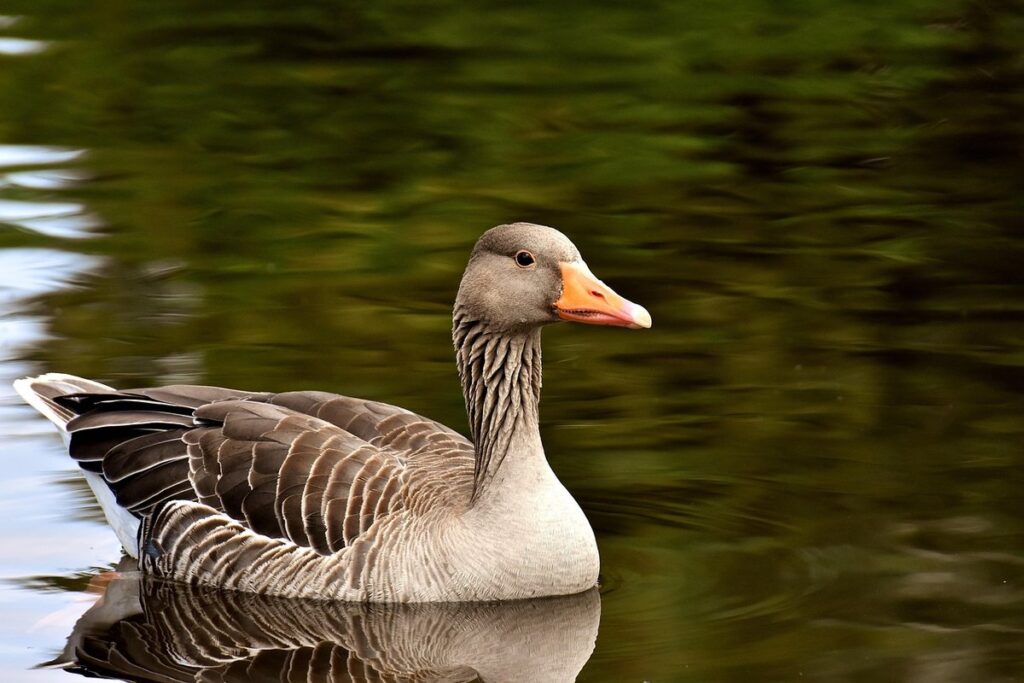
What is a Goose’s Incubation Period?
When it comes to raising healthy goslings, understanding their incubation period is crucial. In this section, we’ll explore exactly how long geese eggs typically take to hatch.
Average Incubation Time for Different Goose Species
When it comes to understanding goose egg incubation periods, one of the most pressing questions is: how long does it take for different species of geese to hatch their eggs? The answer can vary significantly depending on the type of goose. For instance, domesticated breeds like Embden and Toulouse have an average incubation period of 28-30 days. On the other hand, wild Canada Geese typically take around 29-31 days to hatch.
Other popular breeds, such as Chinese Geese and Sebastopol Geese, also fall within this range, with incubation periods ranging from 28-32 days. However, it’s essential to note that these numbers can fluctuate depending on factors like temperature, humidity, and the individual bird’s health.
To give you a better idea, here are some average incubation periods for various goose species:
* Embden Geese: 28-30 days
* Toulouse Geese: 28-30 days
* China Geese: 29-31 days
* Canada Geese: 29-31 days
* Sebastopol Geese: 30-32 days
Keep in mind that these numbers are just averages, and actual incubation periods may vary. If you’re trying to hatch goose eggs, it’s crucial to monitor the temperature and humidity levels closely to ensure optimal conditions for hatching.
Factors Influencing Incubation Periods in Geese
When it comes to the incubation period of geese, several environmental and physiological factors can significantly impact its duration. One crucial factor is temperature, as most eggs will not develop properly if they’re too hot or cold. Geese typically incubate their eggs at temperatures ranging from 99°F to 102°F (37°C to 39°C), and slight deviations from this range can affect the development of the embryo.
Other environmental factors such as humidity, oxygen levels, and noise pollution can also influence the incubation period. For example, high altitudes or areas with low atmospheric pressure may require adjustments in temperature settings to compensate for the lower oxygen levels. It’s essential to provide a stable environment that meets the geese’s specific needs.
In terms of physiological factors, the age and health of the female goose play significant roles. Older birds may take longer to incubate their eggs due to reduced fertility or impaired reproductive systems. Similarly, stressors such as malnutrition or disease can impact the incubation period by affecting the mother bird’s overall well-being and her ability to care for her eggs.
Preparation Before Hatching: Essential Steps
Before you place goose eggs under a broody hen or in an incubator, it’s crucial to prepare everything for a successful hatch. This includes setting up your incubation environment and ensuring proper hygiene practices.
Choosing the Right Breeding Stock
When selecting geese for breeding, it’s essential to consider their genetic diversity and health factors. This is crucial not only for the well-being of the birds but also for the quality of their eggs. Start by choosing geese from reputable breeders or farms that prioritize genetics and health.
Genetic diversity ensures a robust flock with less susceptibility to diseases. Look for breeds that have been crossed with others, as this introduces new traits and increases adaptability. You can also consider purchasing ganders (male geese) from other farmers to crossbreed with your existing females.
When evaluating the health of potential breeding stock, check their overall physical condition, feather quality, and beak shape. A healthy gander’s beak should be symmetrical and well-maintained. Also, inspect for any signs of illness or injury. Consider having a veterinarian inspect the birds before purchase to ensure they are disease-free.
Prioritizing genetic diversity and health will significantly impact the incubation period and overall success of your goose-raising endeavors.
Creating an Ideal Breeding Environment
Creating an ideal breeding environment is crucial for successful reproduction. To replicate natural conditions, you’ll need to mimic the temperature and humidity levels that geese experience in the wild. A common problem many breeders face is maintaining a stable incubation temperature. Most modern incubators are designed with precision temperature control systems, allowing you to maintain a consistent temperature between 99°F (37°C) and 100°F (38°C). It’s also essential to ensure proper air circulation within the incubator to prevent the buildup of carbon dioxide.
In addition to temperature and ventilation, maintaining humidity levels is vital. Goose eggs require a humid environment during incubation, typically ranging from 50-60% relative humidity. You can achieve this by using a water bath or misting system connected to the incubator’s humidity control feature. For example, some breeders use a combination of both methods to maintain optimal conditions throughout the incubation period.
The egg turning mechanism is another critical component to consider when creating an ideal breeding environment. Geese typically lay eggs in shallow nests with minimal protection from wind and rain. To simulate this natural behavior, you can adjust the angle and frequency of egg turns within your incubator to prevent the yolk from adhering to the shell. This is usually done by adjusting the incubation settings to match the breed’s specific requirements.
Geese are social animals that thrive in pairs or small groups. When creating a breeding environment, it’s essential to consider the social needs of these birds. Provide adequate space for them to roam and interact with each other during courtship. You can set up separate mating areas within your incubation room or facility to accommodate this social aspect.
To maintain optimal cleanliness and hygiene, ensure that you regularly clean all surfaces and equipment using veterinary-approved disinfectants. This is essential to prevent the spread of diseases and maintain a healthy breeding environment for your geese. Regular monitoring of temperature, humidity levels, and egg turning mechanisms will help you identify any issues promptly and make adjustments as needed.
The quality of food provided to the breeding birds can also impact the overall health and fertility of the eggs. Ensure that they receive a balanced diet consisting of high-quality commercial feed supplemented with fruits, vegetables, and grains. It’s recommended to consult with an avian nutritionist or veterinarian to determine the best feeding schedule for your specific breed.
When setting up your incubation room or facility, consider investing in a climate-controlled environment that can maintain optimal conditions throughout the year. This will not only help regulate temperature and humidity levels but also protect against extreme weather conditions. Regular maintenance of your equipment and infrastructure is essential to ensure that all systems function as intended and provide the best possible breeding environment for your geese.
By paying attention to these essential components, you’ll be able to create an ideal breeding environment for successful goose reproduction.
Stages of Incubation: A Detailed Explanation
Now that you understand the basics of goose egg incubation, let’s dive deeper into the stages involved in successfully hatching your eggs. This crucial process requires attention to detail and a clear understanding of each step.
Fertilization to Egg Formation
In geese, the reproductive process begins with fertilization. When a male goose (drake) mates with a female goose (hen), they release sperm and eggs into their reproductive tracts. Fertilization typically occurs inside the hen’s oviduct, where the egg is forming.
The fertilized egg then passes through the infundibulum, a funnel-shaped structure that receives the egg from the ovary. The egg travels through the magnum, where it is surrounded by a layer of albumen (egg whites) and then into the isthmus. Here, the eggshell membrane forms around the embryo.
The hen’s body carefully regulates the pH levels and temperature to ensure proper development. As the egg continues its journey, it picks up shell membranes and a cuticle from the shell gland before being laid. The entire process takes approximately 24-26 hours, depending on factors such as breed and age of the bird. By understanding this complex reproductive process, you can better appreciate the intricate care that goes into incubating goose eggs.
Embryonic Development and Growth
During the incubation period, remarkable transformations occur within the developing embryo. The first major milestone is the completion of gastrulation, where the three primary germ layers – ectoderm, mesoderm, and endoderm – form the foundation for future organ development.
Key organs like the heart, lungs, liver, and pancreas begin to take shape around 4-5 days into incubation. The embryo’s neural tube starts forming around day 6, eventually giving rise to the brain and spinal cord. As the embryo grows, its body begins to fold in upon itself, with the head end forming first.
By day 10, internal organs are functioning rudimentarily, while the heart pumps a simple circulatory system. Meanwhile, feathers begin to emerge from the skin around day 14-15, helping regulate the embryo’s internal temperature. As the incubation period nears its end, the embryo develops feathers and down for insulation, essential for post-hatching survival.
By day 21, most major organs are fully formed, and the embryo is almost ready to hatch.
Challenges During Incubation: Identification and Solutions
As you navigate the incubation process, it’s essential to be aware of common challenges that may arise, and know how to identify and address them to ensure a healthy gosling.
Some potential issues include inconsistent temperature, humidity levels, or even signs of embryonic distress – all of which can impact your gooses’ chances at hatching successfully.
Common Issues Affecting Goose Eggs
When it comes to goose egg incubation, several common issues can arise that may impact the success of hatching. One of the most significant concerns is temperature fluctuations. Geese require a precise temperature range for successful incubation, typically between 99°F and 100°F (37°C to 38°C). However, slight variations in temperature can affect embryonic development. If the temperature rises above 102°F (39°C), it can cause the embryo to develop too quickly, leading to birth defects or even stillbirth.
Disease outbreaks are another major concern during incubation. Fowl pox, respiratory infections, and bacterial diseases such as salmonella can be transmitted through contaminated eggs or from mother geese to their goslings. Regular health checks on the breeding stock, proper sanitation of the incubation environment, and vaccination programs can help mitigate these risks.
To minimize the impact of these issues, it’s essential to maintain a consistent temperature range in your incubator and ensure that all equipment is clean and well-maintained. Regular monitoring of egg temperature and humidity levels can also help detect any anomalies early on, allowing you to take corrective action before they become major problems.
Strategies for Overcoming Incubation Challenges
During the incubation period, goose breeders often face challenges that can impact hatching rates and chick health. One of the most common issues is maintaining a stable temperature, with fluctuations affecting embryo development. To mitigate this, ensure you have a reliable temperature control system or invest in a quality incubator.
Another crucial aspect to consider is humidity levels. Goose eggs require a humid environment to prevent drying out, which can lead to embryonic mortality. Aim for 50-60% relative humidity during the first 18 days and increase it to 70-80% from day 18 onwards.
It’s also essential to monitor egg turning regularly. Gooses need their eggs turned at least three times a day to prevent embryo positioning problems. Use an automated turner or rotate the eggs manually, following the recommended schedule to ensure proper development.
Regular checks on the incubator and eggs can help identify potential issues early on, allowing you to take corrective action before it’s too late. By being proactive and addressing these common challenges, you can significantly improve hatching rates and raise healthy, thriving goslings.
Monitoring and Care During Incubation
Now that you have set up your incubator, it’s time to ensure your goslings receive proper care during incubation, from temperature control to humidity management. Proper monitoring is crucial for a successful hatch.
Regular Check-Ups and Maintenance
Regular check-ups and maintenance are crucial during the incubation period to ensure the health and safety of both the goslings and the eggs. At least twice a day, inspect the incubator for any issues such as temperature fluctuations, humidity problems, or equipment malfunctions.
During these checks, also monitor the egg’s internal temperature, which should be around 99°F (37°C) to 100°F (38°C). Be sure to record this information accurately in your logbook. You can also use an egg turner to automate the turning process and minimize human error.
In addition to equipment maintenance, make sure the incubator is clean and well-ventilated. This will prevent bacterial growth and keep the eggs fresh throughout the incubation period. A general rule of thumb is to maintain a 30% to 70% humidity level and ensure proper air circulation within the incubator.
By performing regular check-ups and maintenance activities, you’ll be able to identify potential problems early on and take corrective action before they affect the health and viability of your goslings. Remember to stay vigilant and document everything in your logbook for future reference.
Managing Stress in Geese During Breeding Season
Managing stress in geese during breeding season is crucial to ensure healthy and successful incubation. Geese can become stressed due to various factors such as lack of space, inadequate food, or social isolation. To mitigate this, provide a stimulating environment that encourages natural behavior.
Habitat enrichment is key, so make sure the enclosure has enough room for geese to move around comfortably. Add water features like ponds or streams, and incorporate plants with different textures and scents to keep them engaged. You can also rotate toys and objects regularly to prevent boredom.
Social interaction plays a vital role in stress reduction. Ensure that geese have access to each other’s company, but be cautious not to overcrowd the space. Provide enough nesting boxes for all females to reduce competition. Monitor their behavior closely and separate any aggressive individuals to maintain a peaceful environment. By implementing these strategies, you can create a stress-free atmosphere for your geese during breeding season, ultimately promoting successful incubation.
Post-Hatching Care: Nurturing Your Goose Family
Now that your goslings have hatched, it’s time to focus on their post-hatch care and ensure they receive the nourishment and attention needed for a healthy growth. This crucial period is just as vital as incubation itself.
Initial Nutrition and Hydration
After hatching, it’s crucial to provide your young goslings with proper nutrition and hydration. This initial period is critical for their growth and development. Without adequate nourishment, they may struggle to thrive.
Proper nutrition includes a diet rich in protein sources such as starter crumbles or grains specifically formulated for waterfowl. You can also offer live mealworms or hard-boiled eggs as treats. It’s essential to provide fresh water at all times and ensure it’s easily accessible to your goslings. A general rule of thumb is to supply 1-2 ounces of water per pound of body weight per day.
Monitor their consumption closely, adjusting the amount according to their needs. You can also add a few drops of apple cider vinegar or electrolyte-rich supplements to their water to support digestion and overall health.
By providing optimal nutrition and hydration from the start, you’ll set your goslings up for success and lay the foundation for a strong, healthy flock.
Socialization and Habitat Introduction
When introducing hatchlings to their environment and socializing them with adult geese, it’s essential to consider their unique needs. Geese are flock animals and have a strong instinct to bond with their family members. To ensure a smooth transition, it’s crucial to provide a safe and stress-free introduction process.
Start by keeping the hatchlings in a separate area from the adults until they’re at least 4-6 weeks old. This allows them to develop their strength, get accustomed to their surroundings, and reduce the risk of predation or bullying. When introducing the young geese to the adult flock, do it gradually over several days.
Begin by allowing visual contact between the two groups, keeping a safe distance between them. As they become comfortable with each other’s presence, you can start to increase face-to-face interactions under close supervision. Be cautious of dominant birds and make sure the hatchlings have a secure escape route if needed.
Aim for at least 10-15 square feet per goose in their enclosure, providing adequate space for them to roam freely without overcrowding. Incorporate sheltered areas with hiding spots and visual barriers to mimic natural habitats and reduce stress.
Introduce new objects and surroundings gradually, allowing the young geese to become accustomed to changes in their environment. This will help minimize stress and ensure a smooth transition into their permanent habitat. By following these steps, you’ll be well on your way to successfully socializing your hatchlings with adult geese, creating a harmonious and thriving flock.
Frequently Asked Questions
What if I notice irregularities during the incubation process? Can I intervene?
Yes, monitoring is crucial during incubation. If you notice any deviations from normal development or signs of distress (e.g., temperature fluctuations, unusual egg movement), it’s essential to take corrective action. Consult with experts, adjust your environment as needed, and maintain accurate records to ensure a healthy hatching experience.
How do I know when my geese are fertile?
Determining fertility requires a thorough understanding of goose biology. Fertile eggs typically have a more pronounced white dot (bloom) at the large end, indicating successful fertilization. However, some breeds may exhibit different characteristics or variations in bloom appearance. Consult with experienced breeders to develop an eye for detecting fertility.
Can I mix and match different breeding stock without compromising incubation results?
Breeding success relies heavily on genetic compatibility between parents. Mixing dissimilar breeds can lead to unpredictable outcomes, including slower development rates or reduced hatchability. Ensure you’re introducing compatible genetics by researching specific breed characteristics, growth patterns, and reproductive traits before making decisions.
What are some common mistakes people make during the incubation period?
Some frequent errors include inadequate temperature control (temperature fluctuations of more than 1°C), improper humidity levels (less than 50% or higher than 70%), and neglecting regular monitoring. Regular check-ups and maintenance can help identify and address these issues promptly, minimizing potential setbacks.
How long after hatching should I start socializing my goslings?
Immediate socialization is critical for developing a strong bond between your geese family members and ensuring they grow into well-adjusted adults. Begin introducing gentle interactions within the first few hours of emergence, gradually increasing interaction time as they grow and mature. This approach will help reduce stress and promote harmonious flock dynamics.