
If you’re considering bringing home a trio of adorable guinea keets, congratulations! You’re about to embark on an exciting journey with these social, gentle birds. However, taking proper care of your new feathered friends requires some knowledge and planning. A well-cared-for guinea keet is not only happy but also healthy, which means providing the right nutrition, housing, and health checks are essential for their well-being. But what does this mean in practice? In this article, we’ll cover everything you need to know about guinea keet care, from setting up a suitable environment to keeping them healthy and happy through regular socialization and veterinary check-ups. By the end of it, you’ll be confident that your guinea keets are getting the best possible care.
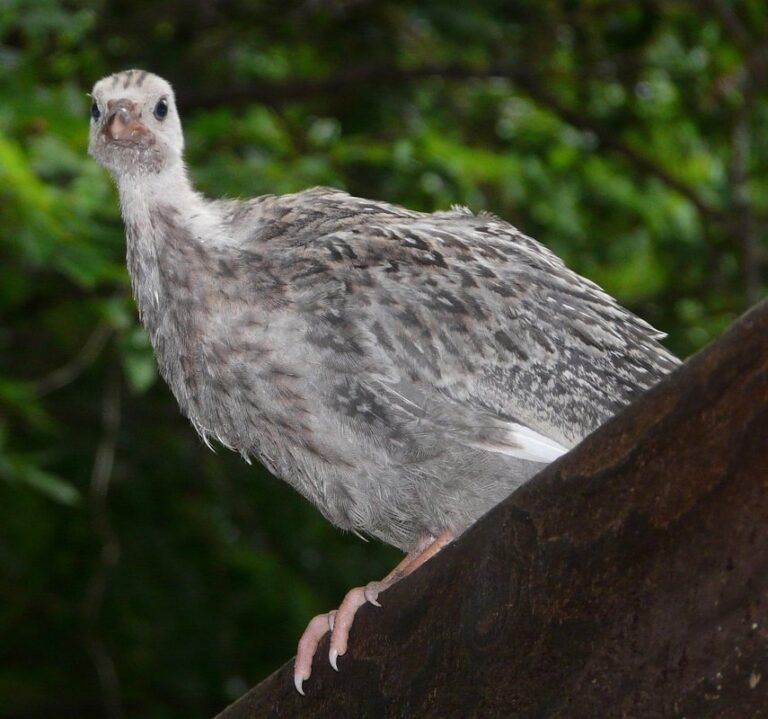
Understanding Guinea Keets: The Basics
If you’re new to guinea keet care, understanding their unique characteristics and needs is essential. This section will walk you through the basics of these adorable birds’ behavior, diet, and housing requirements.
Introduction to Guinea Keets
Guinea keets are small, adorable birds that have become increasingly popular as pets due to their unique characteristics and affectionate nature. Originating from Africa, these keets have been domesticated for centuries and are now enjoyed by many around the world.
But what makes guinea keets such great pets? For starters, they are relatively low-maintenance compared to other birds. They require a moderate amount of space to roam and exercise, but can thrive in smaller living spaces with regular attention. Their gentle disposition and friendly demeanor also make them an excellent choice for families or individuals who want a social companion.
One of the most appealing aspects of guinea keets is their ability to bond strongly with their owners. With proper care and handling, they can become incredibly tame and enjoy interacting with people. In fact, many guinea keet owners report that their birds will even follow them around the house or come to greet them at the door.
If you’re considering bringing a guinea keet into your life, it’s essential to research and understand their specific needs. This includes providing a balanced diet, ensuring proper health checks, and creating a safe environment for them to thrive. With patience, love, and attention, a guinea keet can become a loving and loyal companion that brings joy and laughter to your daily life.
Guinea Keet Characteristics
Guinea keets are adorable and charming birds that make great pets for those who understand their unique needs. One of the most distinctive characteristics of guinea keets is their temperament. They are social birds that thrive on interaction, but they can also be quite territorial and stubborn at times.
In terms of lifespan, guinea keets typically live between 10 to 15 years with proper care and attention. This means you’re making a long-term commitment when bringing one home. To ensure your feathered friend stays healthy, provide fresh food and water daily. A balanced diet consisting of commercial pellets, fruits, and vegetables is essential.
When it comes to shelter, guinea keets need room to move around and exercise. Provide a spacious cage or enclosure with adequate ventilation and protection from drafts. Line the cage with bedding material like wood shavings or hay to keep your bird’s feet clean and dry. Remember, guinea keets are naturally curious birds that love to explore their surroundings, so be prepared for some mischief!
Choosing the Right Guinea Keet
When selecting a guinea keet, it’s crucial to choose a healthy one to ensure a long and happy life. One of the most significant factors is purchasing from reputable breeders or suppliers. A good breeder will have a clean environment, provide vaccinations, and guarantee the health of their birds.
Before buying, research the breeder by reading reviews online, asking for referrals from other guinea pig owners, and visiting their facility in person if possible. Look for signs of cleanliness, such as disinfected cages and feeding equipment, and ask about their vaccination protocols.
When inspecting a potential keet, look for clear eyes, clean nostrils, shiny fur, and an alert demeanor. Ensure the beak is trimmed properly to prevent overgrowth. Healthy keets should also have active movements, such as running or jumping, when given the opportunity.
Remember that buying from pet stores often means you won’t know the bird’s background or health history, which can lead to costly vet bills down the line. By choosing a reputable breeder, you’ll be more likely to bring home a happy and healthy keet.
Nutrition for Guinea Keets: A Balanced Diet
To ensure your guinea keet grows into a happy, healthy adult, it’s essential to provide a balanced diet that meets their unique nutritional needs from day one. Let’s dive into the specifics of what they should be eating.
Importance of Proper Nutrition
Nutrition plays a vital role in ensuring the overall health and longevity of guinea keets. A well-balanced diet is essential to support their growth, development, and immune system. A guinea keet’s nutritional needs are critical during their first few weeks of life, as they rapidly grow and develop.
A guinea keet’s diet should consist of a high-quality starter feed, supplemented with fresh fruits, vegetables, and calcium-rich foods such as crushed eggshells or dark leafy greens. Providing a varied diet will help prevent nutritional deficiencies and ensure optimal health.
For example, guinea keets require vitamin D3 to maintain strong bones and immune function. Without adequate sunlight or UVB lighting, supplementing their diet with vitamin D3 is crucial to prevent rickets and other bone disorders.
Guinea keet owners should also be aware of foods that are toxic to their pets, such as onions, garlic, and certain types of beans. By providing a balanced diet and avoiding toxic substances, guinea keet owners can ensure their pets lead long, healthy lives.
Recommended Foods and Treats
When it comes to feeding your guinea keets, you’ll want to consider a balanced diet that includes both commercial food options and fresh fruits and vegetables. A high-quality guinea keet starter crumble is an excellent choice as the main staple of their diet. These specialized foods provide all the necessary nutrients for optimal growth and development.
In addition to commercial food, introduce a variety of fresh fruits and vegetables into your keets’ diet. Some recommended options include leafy greens like kale and spinach, as well as juicy fruits like strawberries and apples. Be sure to chop the fruits and veggies into manageable pieces to prevent choking hazards.
Remember to introduce new foods gradually to avoid overwhelming their sensitive stomachs. Start with small amounts and monitor their reactions before increasing serving sizes. Some popular treats for guinea keets include cooked sweet potatoes, carrots, and green beans.
Water Quality and Hydration
When it comes to guinea keet care, maintaining clean water sources and encouraging them to drink enough water is crucial for their overall health. A dirty water source can lead to bacterial growth, which can cause serious health issues in guinea keets. To ensure the water remains fresh, change the water completely every day or two. If you notice any debris or sediment at the bottom of the water dish, clean it thoroughly with a gentle scrubber.
Guinea keets need access to plenty of fresh water throughout the day. A good rule of thumb is to provide one and a half times as much water as food. For example, if your guinea keet’s food bowl holds 1 cup of pellets, their water dish should hold at least 1.5 cups of water. You can also try adding a few ice cubes or even a shallow dish of fresh fruit puree to make the water more appealing.
It’s essential to monitor your guinea keets’ drinking habits closely and adjust as needed. If you notice they’re not drinking enough, consider using a water-rich treat like chopped fruits or veggies.
Housing Guinea Keets: Cage Requirements and Setup
To keep your guinea keets happy and healthy, you’ll need to provide a safe and spacious cage that meets their unique housing needs. Setting it up correctly is crucial for their well-being.
Cages vs. Enclosures: What’s Best?
When it comes to housing guinea keets, cage type is an essential consideration. Two popular options are wire cages and wooden huts, each with their own set of pros and cons.
Wire cages offer good ventilation and visibility, allowing you to easily monitor your keets’ health. However, they can be noisy and may not provide adequate protection from predators or drafts. On the other hand, wooden huts provide a cozy, natural environment and can be more aesthetically pleasing. But, they require regular cleaning and may harbor diseases if not properly maintained.
Consider the size of your keets when choosing between wire cages and wooden huts. Larger keets need more space to move around comfortably, making wire cages a better option. Smaller keets, however, can thrive in smaller wooden hut enclosures. Additionally, think about the climate in your area – if it’s hot and humid, a well-ventilated wire cage might be the best choice.
Ultimately, guinea keet owners should weigh their specific needs against the pros and cons of each cage type to determine what works best for them.
Setting Up a Suitable Environment
When setting up a suitable environment for your guinea keets, ventilation is crucial. A well-ventilated cage helps prevent respiratory problems and stress caused by ammonia buildup from their droppings. To achieve good airflow, ensure the cage has adequate space between bars (about 1 inch) and consider installing windows or vents that allow fresh air to circulate.
Temperature control is also essential for guinea keets’ comfort and health. A temperature range of 65-75°F (18-24°C) is ideal, but avoid placing their cage near heating or cooling vents, fireplaces, or drafty areas. Monitor the temperature with a thermometer and adjust as needed to maintain a comfortable environment.
Providing adequate space for guinea keets to move around is vital for their physical and mental well-being. A minimum floor space of 2-3 square feet per bird is recommended, but larger cages with more room to roam will greatly benefit their health and happiness. Remember to also consider the height of the cage, allowing your birds to fly and exercise freely without reaching the top bar or getting stuck in corners.
Bedding and Cleaning Options
When it comes to providing a safe and comfortable environment for your guinea keets, choosing the right bedding material is crucial. Avoid using pine shavings, as they can cause respiratory problems in guinea pigs. Instead, opt for timothy hay or a specific guinea pig-safe bedding material like recycled paper or aspen shavings. These materials will help keep your keets clean and dry.
In terms of frequency, it’s essential to change the bedding completely every 7-10 days to prevent ammonia buildup from urine. Additionally, spot-clean any soiled areas daily by removing feces and replacing with fresh bedding material. You can also add a layer of newspaper or paper towels in between changes to help absorb accidents.
To maintain a clean environment, consider implementing a few habits into your keet care routine. For example, keep their cage away from drafts and direct sunlight to prevent moisture accumulation. Also, ensure food and water dishes are cleaned regularly to prevent bacterial growth. By following these simple steps, you’ll create a healthy and comfortable space for your guinea keets to thrive in.
Health Considerations: Common Issues and Prevention
As you continue caring for your guinea keets, it’s essential to be aware of common health issues that may arise and take preventative measures to ensure their well-being. Regular monitoring can help catch problems early on.
Identifying Potential Health Problems
Guinea keets are prone to various health issues that can be costly and heartbreaking to deal with. As a responsible guinea keet owner, it’s essential to identify potential health problems early on to provide the best care for your flock. Respiratory problems are one of the most common issues in guinea keets, often caused by dust, pollen, or mold in their environment.
To prevent respiratory issues, ensure your guinea keets’ living space is clean and well-ventilated. Keep an eye out for signs such as labored breathing, wheezing, or a cough. Regularly cleaning the coop, changing bedding, and providing adequate fresh air can go a long way in maintaining good health.
Parasites like mites, lice, and fleas are another common problem that can affect your guinea keets’ overall well-being. Check for signs such as excessive scratching, bald spots, or visible parasites on their feathers. Regular grooming sessions, treating your flock with preventative medication, and keeping a clean living environment can help minimize the risk of infestation.
It’s crucial to monitor your guinea keet’s health closely, observing any unusual behavior, appetite changes, or physical symptoms that may indicate a problem. By being proactive and aware of these potential issues, you can take swift action to address any concerns and provide top-notch care for your beloved guinea keets.
Preventative Measures
As you set up your guinea keet’s living space, it’s essential to prioritize preventative measures that safeguard their health. Vaccinations are a crucial aspect of this process. Consult with a veterinarian to determine the best vaccination schedule for your keets, taking into account factors such as age, location, and potential exposure to disease.
Parasite control is another vital aspect of guinea keet care. Internal parasites like worms can be detrimental to their health, while external parasites like mites can cause discomfort. Regularly check your keets’ droppings for signs of infestation and maintain a clean living space by removing waste and disinfecting surfaces. Provide plenty of fresh bedding material, such as wood shavings or hay, to absorb moisture and odors.
To minimize the risk of disease, create a safe living space by introducing keets gradually, allowing them to become familiar with each other’s scent and personality. Ensure adequate ventilation, providing airflow to prevent respiratory issues and keep their environment clean. Monitor your keets’ behavior for signs of stress or illness, taking prompt action if you notice any unusual symptoms.
Recognizing Emergency Situations
When it comes to guinea keets, being able to recognize emergency situations is crucial for their health and well-being. As a responsible guinea keet owner, you’ll want to know when your birds are showing signs of distress or illness.
Some common warning signs include changes in appetite or water consumption, labored breathing, lethargy, or unexplained vocalization. For example, if your guinea keets’ droppings have changed color or consistency, it may indicate a dietary issue or internal parasite problem.
In cases where you suspect an emergency situation, the first step is to remain calm and assess the bird’s overall condition. Check for injuries, skin lesions, or signs of stress. If you’re unsure about what to do, consult with a veterinarian experienced in caring for guinea keets.
If your bird is experiencing difficulty breathing, stop all activities immediately and provide oxygen if possible. For non-life-threatening situations, follow basic first aid procedures like gently cleaning wounds or providing extra warmth.
In any case, knowing when to seek veterinary care is essential. Keep an eye out for red flags such as swelling, discharge, or abnormal behavior, which may require immediate attention. Regular check-ups with your veterinarian will also help identify potential issues early on.
Socialization and Handling Guinea Keets
Socializing guinea keets is a crucial step in their development, helping them become confident and friendly adult birds. Proper handling techniques are also essential for taming your keets and making them easy to care for.
Importance of Socialization
Socialization is one of the most critical aspects of guinea keet care. When you start socializing your keets at a young age, it lays the foundation for their behavior and bonding with owners later on. Guinea pigs are social creatures by nature and thrive on interaction. If they don’t receive adequate socialization, they may become skittish, fearful, or aggressive towards humans.
Proper socialization helps your guinea keet develop trust in you and other family members. It also enables them to recognize and respond to their name, reducing stress when handled. To socialize your keets effectively, start by gently picking them up and cuddling them daily from an early age. Handle each keet individually for short periods, gradually increasing the time as they become more comfortable.
Socialization is not just about handling; it’s also about exposing your guinea keets to new environments, people, sights, and sounds. This will help them develop confidence and calmness in unfamiliar situations. As a responsible owner, prioritize socialization from day one to ensure a lifelong bond with your guinea keet.
Tips for Gentle Handling
When it comes to handling guinea keets, gentle care is essential. These young birds are fragile and can be easily injured if not handled carefully. One of the most important things to remember is to support their body weight whenever you pick them up. This means cradling them in your arms or using a towel to gently lift them, rather than simply scooping them up by their legs.
To avoid startling your guinea keet, move slowly and deliberately when handling them. Sudden movements can cause stress and even physical harm. Instead, get down to their level and let them come to you, allowing them to become familiar with your presence before attempting to pick them up.
It’s also essential to handle guinea keets frequently from an early age to help them become confident and calm around humans. By doing so, you’ll create a strong bond between the bird and its handler, making it easier for both parties to enjoy each other’s company.
Building Trust and a Strong Bond
Building a strong bond with your guinea keets is essential for their well-being and happiness. It’s not just about providing food and shelter; it’s about creating a trusting relationship through regular interaction and positive reinforcement.
Start by getting to know your keet’s personality. Observe their behavior, likes, and dislikes. For example, some guinea keets are extremely social and love human interaction, while others may be more independent and aloof. Once you understand your keet’s personality, you can tailor your interactions accordingly.
To build trust, begin with short sessions of handling and interaction, gradually increasing the time as your keet becomes more comfortable. Use positive reinforcement techniques such as offering treats or rewards for calm behavior. You can also try simple activities like feeding them by hand or playing with toys together.
Remember, patience is key when building a strong bond with your guinea keets. Move at their pace and never force interaction if they’re not ready. With consistent effort and positive reinforcement, you’ll be able to develop a trusting relationship that will last a lifetime.
Training Guinea Keets: Litter Box Use and Basic Commands
As your guinea keet grows and becomes more confident, it’s essential to teach them to use a litter box correctly and learn basic commands that will make handling and interaction easier for both you and your pet.
Introducing the Litter Box
When it comes to training guinea keets to use a litter box, it’s essential to start with the basics. First, choose a location for the litter box that is easily accessible and preferably in a quiet area of the cage or enclosure. Guinea keets are naturally curious creatures, so they’ll appreciate being able to see what they’re doing.
The size of the litter box is also crucial. A good rule of thumb is to provide at least one litter box per guinea keet, with each one measuring about 12 inches square. This will give them ample space to move around and do their business without feeling cramped or anxious.
To introduce your guinea keets to the litter box, start by placing a small amount of litter in the box and letting them explore it at their leisure. You can also try adding some treats to the litter box to make it more appealing. Once they’ve shown an interest in using the litter box, place a small amount of their droppings in the box as well.
As your guinea keets become more accustomed to using the litter box, be sure to clean it regularly to keep them healthy and happy. A clean litter box is essential for maintaining good hygiene and preventing the spread of disease.
Basic Commands and Interactions
When it comes to training your guinea keets, establishing a strong foundation of basic commands and encouraging interaction through play and rewards is crucial. Start by teaching simple commands like “come” and “stay,” which will help you maintain control and build trust with your pet.
To introduce the “come” command, begin in a quiet area where your keet feels safe and comfortable. Hold a treat near their face, then say “come” while taking a step back. Repeat this process several times, gradually increasing the distance between you and your keet as they become more responsive to the command.
For the “stay” command, start by having your keet sit or stand in front of you, then take a few steps back while saying “stay.” If they remain calm and do not follow you, reward them with treats and praise. Gradually increase the duration and distance you’re away from your keet as they master this command.
Playtime is also an excellent opportunity to reinforce basic commands. Set up obstacle courses or engage in hide-and-seek games that encourage your keets to respond to verbal cues and interact with their environment. Be sure to reward desired behavior, such as responding to the “come” command or staying calm during play.
Frequently Asked Questions
What are some common health issues to look out for in guinea keets?
Guinea keet owners often worry about their birds’ health, but with regular check-ups and proper care, many issues can be prevented or caught early. Common health problems include respiratory infections, mites, and feather plucking. Look out for symptoms like labored breathing, excessive scratching, or loss of feathers. Consult a veterinarian experienced in caring for guinea keets to ensure your birds receive the best possible medical attention.
How often should I clean my guinea keet’s cage?
Cleaning the cage is essential for maintaining a healthy environment for your guinea keets. Aim to change bedding completely every week, and spot-clean droppings and food debris daily. For larger cages or enclosures, consider changing bedding every 2-3 weeks.
Can I leave my guinea keet unattended in its cage?
While guinea keets are relatively low-maintenance pets, they still require regular socialization and interaction. Leaving them unattended for extended periods can lead to boredom, stress, and behavioral issues. Consider hiring a pet sitter or asking a trusted friend/family member to visit your birds daily.
How do I introduce new guinea keets to my existing flock?
Introducing new birds to an existing flock can be challenging, but with patience and proper introduction techniques, it can be done successfully. Start by keeping the new birds separate for a few days, allowing them to become familiar with each other’s scents and sounds. Then, introduce them slowly under close supervision.
What are some signs that my guinea keet is stressed or anxious?
Stress and anxiety can manifest in guinea keets through changes in behavior, appetite, or physical condition. Look out for signs like excessive feather plucking, pacing, or hiding. Adjust their environment, socialization schedule, or consult a veterinarian if you suspect your bird is experiencing stress or anxiety.