
Are you a proud owner of guinea fowl, or perhaps considering bringing these fascinating birds into your backyard? Whatever your situation, ensuring they receive a balanced diet is crucial for their health and well-being. However, feeding guinea fowl can be a daunting task, especially if you’re new to caring for these unique birds. Providing the right nutrients is vital to keep them thriving, but what exactly do they need to stay healthy? In this comprehensive guinea fowl feeding guide, we’ll cover everything from nutrient requirements to tailored diets for different environments. You’ll learn how to create a balanced diet that meets their needs and supports their overall health, so your feathered friends can live long, happy lives.
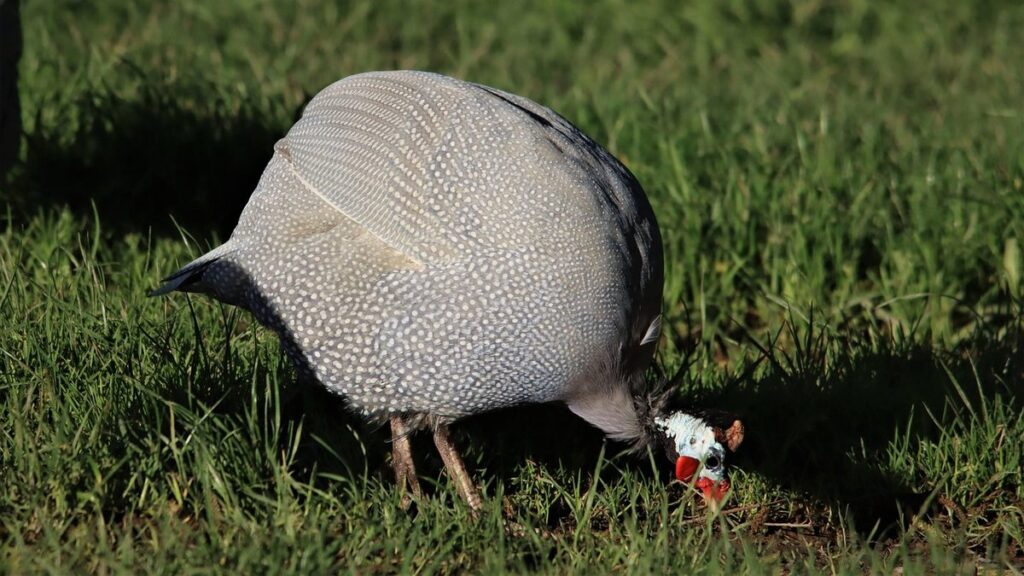
Understanding Guinea Fowl Nutrition Basics
When it comes to feeding your guinea fowl, understanding their nutritional needs is key. Let’s dive into the basics of what these birds require for optimal health and well-being.
Importance of Balanced Diet
Guinea fowl require a balanced diet that meets their nutritional needs to stay healthy. This is crucial for optimal growth, egg production (in females), and overall well-being. A balanced diet provides the necessary energy, protein, vitamins, and minerals to support their physical activities, such as roaming and foraging.
For guinea fowl, a balanced diet should consist of at least 16% crude protein. This can be achieved through a combination of high-quality commercial feed and supplements like mealworms, sunflower seeds, and fresh vegetables. Some essential nutrients that must be present in their diet include calcium for strong bones, vitamin D3 for bone growth and development, and omega-3 fatty acids for healthy feathers and skin.
A common mistake many guinea fowl owners make is over-relying on commercial feed alone. This can lead to nutritional deficiencies and health issues. To ensure your guinea fowl get the nutrients they need, provide a varied diet that includes fresh fruits and vegetables daily. Some recommended options include leafy greens like kale and spinach, as well as berries and citrus fruits.
By following these guidelines and providing a balanced diet, you can help keep your guinea fowl healthy and thriving. Regular monitoring of their overall health and adjusting their diet accordingly will also go a long way in preventing potential problems.
Nutrient Requirements for Guinea Fowl
Guinea fowl have distinct nutritional needs that are different from those of chickens and other poultry. To ensure they receive a balanced diet, it’s essential to understand their requirements for protein, energy, and key vitamins and minerals.
A guinea fowl’s diet should consist of 16-20% protein, which is higher than the requirement for chickens (15-18%). This means they need more protein-rich foods like beans, peas, and sunflower seeds. They also require around 1,000 to 1,200 kcal/kg of energy, which can be met by offering a mix of grains such as oats, barley, and wheat.
In addition to protein and energy, guinea fowl require other essential nutrients like calcium (2-3% of their diet) for strong bone development, vitamin D for calcium absorption, and omega-3 fatty acids for skin and feather health. Providing a balanced layer feed or a homemade mix with specific supplements can help meet these needs.
It’s also worth noting that guinea fowl are prone to obesity if overfed, so monitoring food intake and ensuring they have adequate exercise is crucial.
Understanding Different Stages of Life
When it comes to feeding guinea fowl, their nutritional needs change as they grow and develop. Let’s break down the unique requirements for each stage of life: chicks, growers, and layers.
Chicks, from day-old to about 16 weeks old, require a high-energy starter feed that includes around 18-20% protein. This is because they need to build strong bones, muscles, and feathers. For example, Laying pellets specifically formulated for young guinea fowl can provide the necessary nutrients during this critical growth phase.
As chicks mature into growers (around 16 weeks to 26 weeks old), their nutritional needs shift towards more energy-efficient foods with slightly lower protein content (15-18%). Growers need less energy and fewer nutrients, as they’re getting closer to full-grown size.
Layers, typically guinea fowl between 26 weeks and about a year or older, require even more balanced and reduced-energy feed with around 14-16% protein. They’ve reached maturity but still need essential vitamins and minerals for egg production and overall health.
Keep in mind that individual guinea fowl needs may vary depending on breed, size, climate, and health factors. Regularly monitoring your flock’s growth, adjusting their diet accordingly, and consulting with a veterinarian when needed will ensure you’re meeting their specific requirements.
Types of Feed Suitable for Guinea Fowl
When it comes to feeding your guinea fowl, choosing the right type of feed is crucial. This section explores the different options available, from grains and pellets to supplements and treats.
Commercial Guinea Fowl Feed
When it comes to feeding your guinea fowl, commercial feed is often the most convenient and readily available option. There are several types of commercial guinea fowl feeds on the market, each with its own set of ingredients and benefits.
Pellets specifically formulated for guinea fowl are a popular choice among farmers and backyard keepers alike. These pellets typically contain a mix of grains, proteins, and vitamins that provide a balanced diet for your birds. However, some owners may find them too expensive or heavy in calcium content. On the other hand, some commercial guinea fowl feeds come in crumb form, which can be more appealing to picky eaters.
Another consideration is the inclusion of additives such as probiotics or omega-3 fatty acids. These ingredients can provide additional health benefits for your birds, but it’s essential to read the label carefully and choose a feed that aligns with your guinea fowl’s specific needs. Regardless of which commercial feed you choose, be sure to follow the manufacturer’s guidelines for feeding rates and avoid over-supplementing with treats or grains.
Organic and Natural Feed Options
If you’re considering switching to organic or natural feed options for your guinea fowl, there are several factors to keep in mind. One of the primary benefits is the potential reduction in exposure to pesticides and other chemicals commonly found in conventional feeds. Organic options, in particular, are grown without synthetic fertilizers or pesticides, which can be a concern for those prioritizing animal health.
However, it’s essential to note that organic feed may not always be readily available or affordable, depending on your location and the specific needs of your flock. Some natural feed alternatives might lack crucial nutrients, so careful consideration is necessary before making the switch.
To ensure a smooth transition, start by consulting with a veterinarian or experienced guinea fowl breeder to determine the best course of action for your birds. They can help you identify the most suitable organic or natural feed options and provide guidance on any necessary adjustments to their diet.
Supplementing Your Guinea Fowl’s Diet
When it comes to supplementing your guinea fowl’s diet, there are several options available that can provide essential nutrients and help keep them healthy. Learn how to choose the right supplements for your flock.
Benefits and Risks of Supplements
When it comes to supplementing your guinea fowl’s diet, there are both benefits and risks to consider. On one hand, supplements can help fill nutritional gaps that may exist in their regular feed, ensuring they receive all the necessary vitamins and minerals for optimal health.
For example, calcium supplements can be particularly beneficial for laying hens, helping to prevent egg binding and promote strong bone growth. Similarly, vitamin D3 supplements can help maintain healthy plumage and immune function during periods of limited sunlight.
However, it’s essential to weigh these benefits against the potential risks of over-supplementation. Too much of any single nutrient can be toxic to guinea fowl, leading to serious health issues or even death. For instance, excessive intake of vitamin A can cause liver damage and other complications.
To minimize risks, always consult with a veterinarian before adding supplements to your flock’s diet. Be sure to follow the recommended dosage guidelines carefully and monitor your birds’ responses closely.
Examples of Suitable Supplements for Guinea Fowl
When it comes to supplementing your guinea fowl’s diet, there are several options available. Oyster shell supplements can help support strong eggshell production and prevent breakage. Crushed oyster shells should be provided free-choice to ensure adequate intake, aiming for about 2-3% of their total daily feed.
Dark leafy greens like kale and spinach are also excellent additions to a guinea fowl’s diet. Not only do they provide essential vitamins and minerals but also add variety and interest to their meals. However, be sure to introduce new foods gradually to prevent digestive upset.
Calcium supplements can help address deficiencies in the flock, especially for breeding hens. A general rule of thumb is to start with 1-2% of the total daily feed, increasing as needed based on individual bird requirements.
Probiotics are another supplement worth considering, promoting gut health and supporting a strong immune system. Choose products specifically formulated for poultry or birds to ensure optimal benefits. Always follow manufacturer guidelines for dosages and administration methods.
Foraging and Free-Ranging Options
When it comes to feeding guinea fowl, incorporating foraging and free-ranging options can be a great way to stimulate their natural behavior and provide essential nutrients. This section will explore the benefits and best practices of allowing your birds to forage freely.
Benefits of Free-Ranging for Guinea Fowl
Allowing your guinea fowl to free-range can be a game-changer for their physical and mental well-being. Exercise is crucial for these birds, as they are naturally inclined to roam and forage. By providing them with the opportunity to move freely, you’ll be giving them the essential exercise they need to stay healthy.
Free-ranging also stimulates their minds. Guinea fowl are intelligent creatures that thrive on exploration and problem-solving. When given the chance to explore their surroundings, they’ll engage in activities like pecking at bugs, searching for seeds, and scratching up roots – all of which keep them mentally stimulated and active.
To make free-ranging work, start by introducing your guinea fowl to a safe, enclosed area where they can roam freely. Supervise them initially to ensure their safety, and gradually increase the size of the enclosure as they become more comfortable with their new environment.
In addition to mental stimulation and exercise, free-ranging also helps guinea fowl develop their natural foraging behaviors, which is essential for a balanced diet.
Creating a Safe and Secure Outdoor Environment
When creating a safe and secure outdoor environment for your guinea fowl, it’s essential to consider their natural behavior and instinctual needs. Guinea fowl are social birds that thrive on foraging for food, but they also require protection from predators and potential health hazards.
To create an ideal foraging area, start by selecting a location with adequate shelter and shade. A three-sided coop or a gazebo can provide protection from the elements while still allowing your guinea fowl to roam freely. Ensure the fencing is sturdy and at least 3 feet high to prevent escape attempts and predator entry.
It’s also crucial to remove any potential health hazards, such as toxic plants, sharp objects, and standing water that can attract mosquitoes and other pests. Consider adding a secure gate or door to your coop to control access and prevent unwanted visitors. By creating a safe and secure outdoor environment, you’ll not only promote the well-being of your guinea fowl but also reduce stress and maintain their overall health.
By following these tips, you’ll be able to provide your guinea fowl with a thriving outdoor space that meets their foraging needs while keeping them protected from harm.
Tips for Feeding Guinea Fowl in Different Environments
Whether you’re raising guinea fowl on a farm, in a backyard, or in a hot desert climate, feeding them effectively is crucial. This section will cover essential tips for adapting their diet to various environments and conditions.
Hot Climates
In hot climates, guinea fowl require extra attention to prevent heat stress, which can be deadly if left unchecked. As a responsible guinea fowl owner, it’s essential to take steps to ensure they stay hydrated and cool during the hottest months.
Firstly, make sure your guinea fowl have access to plenty of fresh water at all times. A good rule of thumb is to provide at least one gallon of water per bird per day. You can also add a few ice cubes to their water to keep it cool and refreshing.
Feed them light meals during the hottest part of the day, such as lunchtime, and avoid giving them heavy or high-protein feedings that can exacerbate heat stress. Instead, opt for lightweight, nutrient-dense foods like leafy greens, fruits, and vegetables.
Another crucial aspect is providing shade and ventilation in their enclosure. Make sure they have plenty of room to move around and access shaded areas to escape the direct sunlight. Consider installing misting systems or fans to keep them cool and comfortable.
By following these simple tips, you can help your guinea fowl thrive even in the hottest climates. Remember, prevention is key when it comes to heat stress, so be proactive and take steps to protect their health before it becomes a problem.
Cold Climates
In cold climates, guinea fowl require special attention and care to ensure they stay healthy and thrive. During winter months, it’s essential to adjust their diet to meet their increased energy needs due to colder temperatures. Provide high-calorie feed that contains additional protein sources such as grains or beans to help them maintain body heat.
As the temperature drops, guinea fowl will require more time to forage and find food. Offer them a mix of dry and moist feeds to cater to their changing nutritional requirements. For example, you can supplement their diet with cooked oats or rice to provide warmth and energy.
To prevent frostbite and maintain their overall health, ensure they have access to warm shelter during extreme cold snaps. Bedding materials such as straw or hay will help insulate the coop and keep them dry. Consider adding a heated roosting bar or radiant heat lamps to provide additional warmth for your guinea fowl.
Conclusion and Final Considerations
As we wrap up our comprehensive guinea fowl feeding guide, let’s summarize the key takeaways and consider any final adjustments to create a well-rounded care plan for your feathered friends.
Recap of Key Points
In this comprehensive guide to feeding guinea fowl, we’ve covered everything you need to know to provide your birds with a balanced and nutritious diet. Let’s recap the key points:
As we discussed earlier, guinea fowl are omnivores and require a varied diet that includes grains, proteins, fruits, and vegetables. It’s essential to offer them a mix of commercial guinea fowl feed as their main staple, supplemented with fresh produce such as leafy greens, carrots, and apples.
We also explored the importance of providing calcium-rich foods like crushed eggshells or dark leafy greens to support strong bone development. Additionally, guinea fowl require access to clean water at all times, and we recommended using a waterer that can’t be tipped over.
To ensure your guinea fowl get the nutrients they need, aim to provide a minimum of 1/4 cup of fresh produce per bird per day. You can also consider adding mealworms or crickets as a treat to provide extra protein.
By following these guidelines and making a few simple adjustments to their diet, you’ll be well on your way to raising healthy and happy guinea fowl.
FAQs and Common Misconceptions
One of the most common misconceptions about guinea fowl feeding is that they can thrive on scraps and leftovers from other animals. However, this couldn’t be further from the truth. Guinea fowl have specific dietary needs that must be met to ensure their overall health and well-being.
Frequently asked questions often center around the types of food guinea fowl can eat. Can they handle treats like bread or cake? The answer is no – these foods are not only unhealthy but also unpalatable to guinea fowl. In fact, giving your birds too many treats can lead to overfeeding and weight gain.
On the other hand, there are some common misconceptions about what guinea fowl can eat freely. For example, it’s often assumed that they’ll happily munch on grasses or weeds. While some greens can be beneficial, excessive consumption of certain plants can be toxic to your birds. Always do thorough research before introducing new foods into their diet.
To avoid confusion and ensure you’re meeting your guinea fowl’s needs, stick to a well-rounded, nutrient-rich commercial feed as the main staple in their diet. This will provide them with the necessary energy for exercise and growth.
Frequently Asked Questions
What’s the ideal age for introducing supplements to my guinea fowl?
Supplements should be introduced gradually, ideally when your guinea fowl are around 8-12 weeks old. At this stage, they require additional nutrients to support their rapid growth and development. Start with small amounts (about 1/4 teaspoon per bird) and adjust according to their individual needs.
How do I ensure my guinea fowl get enough water in hot climates?
In hot climates, it’s crucial to provide a constant supply of fresh, clean water for your guinea fowl. Use a watering system or change the water frequently to prevent bacterial growth. Additionally, consider adding a few ice packs wrapped in cloth to their watering station to keep the water cool and refreshing.
Can I mix commercial feed with organic supplements, and if so, what’s the ratio?
Yes, you can combine commercial feed with organic supplements. A good starting point is to mix 75% commercial feed with 25% organic supplement. Monitor your guinea fowl’s health and adjust the ratio as needed. Always introduce new supplements gradually to prevent digestive upset.
What are some essential nutrients I should focus on when creating a balanced diet for my guinea fowl?
Key nutrients to emphasize include calcium, phosphorus, and protein. Ensure your guinea fowl receive adequate vitamin A and D3 through their diet or supplements. Don’t forget to provide access to fresh fruits, vegetables, and whole grains for added fiber and essential minerals.
How often should I rotate my guinea fowl’s feed to prevent boredom and ensure they get a varied diet?
Rotate your guinea fowl’s feed every 7-10 days to keep their diet interesting and prevent nutrient deficiencies. Offer a mix of grasses, legumes, and whole grains in addition to commercial feed or supplements. This will help maintain their mental and physical health, reducing the risk of behavioral problems.