
Are you considering giving your backyard flock an upgrade with an automatic chicken door? If so, you’re probably thinking about how this feature can enhance not only their safety but also your own convenience and energy efficiency. An automatic chicken door can make a huge difference in the lives of both you and your chickens.
When it comes to types of automatic doors, there are several options available, each with its pros and cons. You’ll need to weigh these factors carefully when deciding which one is right for you. Installation, maintenance, and costs will also play a significant role in your decision-making process. In this article, we’ll take a closer look at the benefits of automatic chicken doors, explore different types, and provide guidance on installation and upkeep, so you can make an informed decision about whether or not to give your flock the gift of convenience.
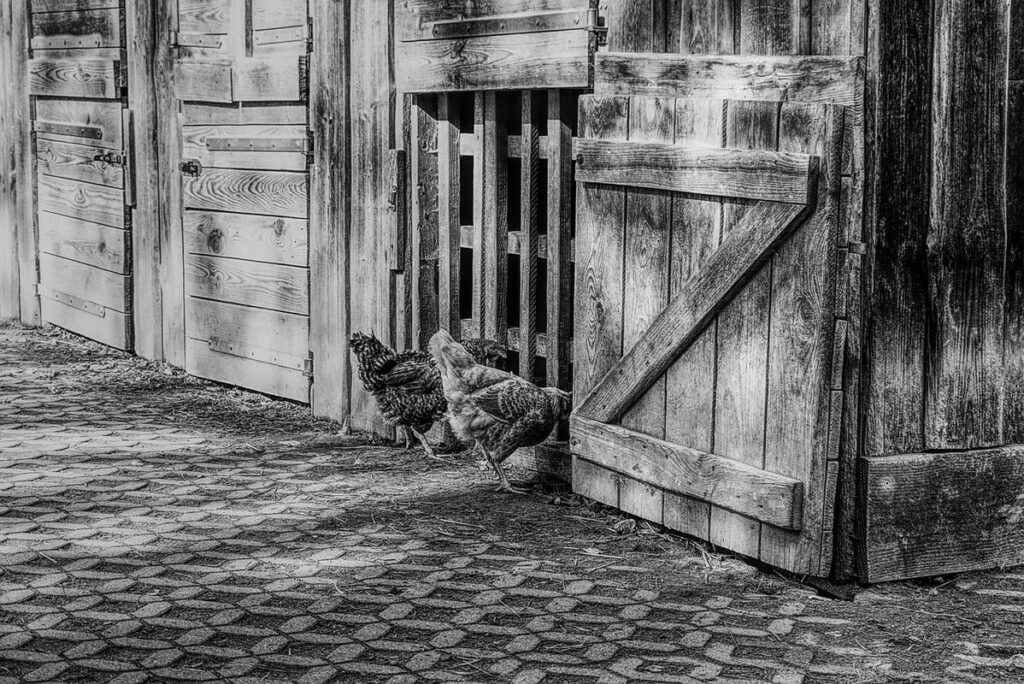
Benefits and Advantages of Automatic Chicken Doors
Let’s dive into the benefits and advantages of automatic chicken doors, which can significantly enhance your flock’s health, security, and overall well-being. By installing these doors, you’ll enjoy numerous perks.
Increased Safety and Security
When it comes to automatic chicken doors, safety and security are top priorities for both chickens and humans. One of the key benefits of these doors is their secure closure mechanism, which prevents unauthorized access to the coop. This feature ensures that predators, such as foxes or raccoons, cannot enter the coop and harm your flock.
Tamper-proof mechanisms are another essential aspect of automatic chicken doors. These mechanisms prevent children or pets from opening the door and potentially harming themselves or the chickens. For instance, some automatic doors come with child-safety locks that require a specific code or key to operate.
In addition to secure closure and tamper-proof mechanisms, automatic chicken doors can also alert you to potential issues. Many models come equipped with sensors that detect unusual activity, such as an open door or a predator attempting to enter the coop. These alerts allow you to take prompt action to protect your flock and prevent any potential harm.
By investing in an automatic chicken door with secure closure and tamper-proof mechanisms, you can enjoy peace of mind knowing that your flock is safe and secure.
Convenience and Time-Saving
One of the most significant advantages of automatic chicken doors is the convenience and time-saving they offer. No longer will you need to wake up early or take a break from work to let your chickens out or bring them back inside. Automatic chicken doors can be programmed to open and close at specific times, allowing your flock to follow their natural daylight cycle.
This feature is especially beneficial for large flocks or those with multiple breeds that have different light requirements. With an automatic door, you can ensure each bird gets the right amount of time outside without having to manually monitor their schedule.
Imagine being able to plan your day around your chickens’ needs rather than the other way around. Automatic chicken doors give you this flexibility, allowing you to focus on more important tasks or simply enjoy some extra sleep.
In addition, automatic doors can also help prevent damage from predators trying to get in at night. By closing the door automatically when it’s dark outside, you’ll have an added layer of security for your flock.
Energy Efficiency and Cost Savings
When considering an automatic chicken door for your backyard coop, one of the key benefits is energy efficiency and cost savings. In winter, heat loss can be a significant concern, especially if you live in colder climates. Conventional manual doors often have gaps or cracks that allow warm air to escape, leading to increased heating costs.
Automatic chicken doors, on the other hand, are designed with precise weatherstripping and seals to prevent heat loss. By keeping cold air out and warm air in, these doors can help reduce your energy consumption during winter months. For instance, a study by the University of California found that sealing gaps around exterior doors can save up to 30% on heating costs.
In summer, cooling costs can also be reduced with an automatic chicken door. By keeping hot air out and cool air in, these doors can help regulate your coop’s internal temperature. To maximize energy efficiency, ensure proper installation, regular maintenance, and calibration of the door’s sensors and motors.
Types of Automatic Chicken Doors: A Comparison
When it comes to choosing the right automatic chicken door for your backyard flock, there are several types to consider. We’ll break down the key differences between them in this section.
Electric-Operated Doors
Electric-operated doors are a popular choice for automatic chicken door systems due to their high reliability and ease of use. These doors operate using electricity, which eliminates the need for manual opening and closing. However, this convenience comes with some caveats.
One significant benefit of electric-operated doors is their ability to withstand harsh weather conditions. They can operate smoothly even in heavy rain or snow, ensuring your chickens remain safe and secure. Additionally, electric doors tend to be more energy-efficient compared to their manual counterparts, as they only consume power when the door is opening or closing.
In terms of maintenance, electric-operated doors require regular checks on their electrical components to ensure they’re functioning correctly. This may involve replacing worn-out parts or cleaning the door’s track system. While this may seem like an added hassle, it’s essential for maintaining the door’s reliability and preventing potential issues down the line.
When choosing an electric-operated automatic chicken door, consider factors such as power consumption, durability, and ease of installation. Be sure to read reviews and consult with manufacturers to find a product that meets your specific needs.
Solar-Powered Doors
Solar-powered automatic chicken doors have gained popularity among backyard flock owners due to their independence from electricity. These doors run solely on solar energy, which is stored in batteries during the day for use at night. This setup provides a reliable and sustainable solution for automatic door operation.
However, there are potential drawbacks to consider. One major concern is the increased initial cost of purchasing a solar-powered system. This can range from $200 to over $1,000, depending on the size and type of system. Additionally, the efficiency of the solar panels and batteries can impact their overall performance.
In terms of practical advice, it’s essential to choose a high-quality solar panel with sufficient wattage to meet your door’s energy requirements. You should also consider the battery capacity and the door’s operational cycle. For instance, if you have a large flock or live in an area with limited sunlight during winter months, a more robust system may be necessary. By carefully evaluating these factors, you can determine whether solar-powered doors are right for your backyard chicken setup.
Motorized Door Options
When it comes to motorized door options for your automatic chicken coop, there are several factors to consider. One of the key differences lies between chain-driven and gear-driven mechanisms. Chain-driven doors use a metal chain to lift and lower the door, whereas gear-driven doors utilize a system of interlocking gears.
In terms of durability, gear-driven mechanisms often have an edge over their chain-driven counterparts. Gears are generally more resistant to wear and tear, making them less prone to breaking down over time. Additionally, gear systems tend to be quieter in operation, which can be beneficial for backyard chicken keepers who want to minimize noise disturbances.
On the other hand, chain-driven doors can be more affordable upfront and may require less maintenance in the short-term. However, their lifespan is often shorter than that of gear-driven doors. It’s essential to weigh these factors against your specific needs and budget before making a decision.
Installation Considerations: Choosing the Right Automatic Chicken Door
When choosing an automatic chicken door, consider your flock’s size, breed, and needs to ensure a smooth installation process and optimal functionality. This section breaks down key factors to keep in mind.
Measuring and Preparing the Opening
Measuring and preparing the opening for an automatic chicken door is a crucial step that requires attention to detail. Begin by measuring the width of the door’s frame where you plan to install the automatic chicken door. Ensure to account for the door’s swing direction, as this will impact the clearance needed on both sides of the door.
Next, measure the height of the opening, taking into consideration any obstructions such as wiring or pipes that may be in the way. A general rule of thumb is to leave about 1 inch (2.5 cm) of clearance between the top of the door and any overhead obstructions.
To prepare the opening, remove any existing hardware, such as hinges or latches, that may interfere with the automatic chicken door’s installation. Clean the area thoroughly to prevent any debris from interfering with the door’s operation. Consider consulting the manufacturer’s instructions for specific requirements on preparing the opening for their particular model. With careful measurement and preparation, you’ll be well on your way to a seamless and successful automatic chicken door installation.
Power Source and Electrical Requirements
When it comes to installing an automatic chicken door, understanding the necessary power source and electrical requirements is crucial. The type of automatic chicken door you choose will determine the specific electrical needs. For instance, battery-operated doors typically require 4-6 AA batteries and can last for months or even years with proper maintenance. On the other hand, AC-powered doors require a dedicated outlet and may need additional wiring.
It’s essential to consult the manufacturer’s instructions and recommendations for your specific door model. Some automatic chicken doors come with built-in solar panels, which can provide power during the day and charge batteries for nighttime use.
When it comes to wiring, always follow local electrical codes and safety guidelines. Ensure that all wires are properly insulated and secured to prevent damage or shock risks. You’ll also want to consider installing a GFCI (Ground Fault Circuit Interrupter) outlet near the door to provide an added layer of protection against electrical shocks.
Integration with Existing Fencing or Coops
When integrating an automatic chicken door with existing fencing or coop structures, careful consideration is necessary to ensure seamless operation and maximum security for your flock. First, assess the material and condition of your current fencing or coop. If it’s old or damaged, you may need to replace it entirely before installing an automatic door.
If your existing structure is still in good condition, you can consider modifying it to accommodate the new door. This might involve cutting holes for the door’s hinges or adjusting the doorframe to fit snugly around the existing coop. Alternatively, you can choose a door that’s specifically designed to be retrofitted onto an existing coop.
Some automatic chicken doors are even designed with removable panels, making it easy to install them on top of existing fencing without any major modifications. When selecting a door, look for features like adjustable hinges and strike plates to ensure a secure fit around your existing structure.
Maintenance and Repair: Tips for Extending the Life of Your Automatic Chicken Door
To keep your automatic chicken door running smoothly, regular maintenance is key. Here are some essential tips to extend its lifespan and prevent costly repairs down the line.
Regular Cleaning and Inspection
Regular cleaning and inspection are crucial to prevent corrosion and ensure smooth operation of your automatic chicken door. Corrosion can weaken the mechanical components, causing the door to malfunction or even get stuck. To avoid this, set aside time each week to inspect the door’s moving parts, such as hinges, rollers, and gears.
Check for signs of wear and tear, like rust spots, scratches, or loose screws. Use a soft-bristled brush to clean out any debris that may have accumulated in these areas. For tougher messes, apply a gentle metal cleaner, following the manufacturer’s instructions. Don’t forget to wipe down the door’s exterior with a mild detergent and water solution.
During inspection, also pay attention to the door’s sensors and motors. Ensure they’re free from dust and debris, as this can affect their accuracy and performance. Regular cleaning and maintenance will not only extend the life of your automatic chicken door but also ensure it continues to function properly and keep your chickens safe and secure. By incorporating this into your routine, you’ll be able to identify potential issues early on, preventing costly repairs down the line.
Troubleshooting Common Issues
If you’re experiencing issues with your automatic chicken door, don’t panic! Troubleshooting common problems can often be done quickly and easily. Let’s start by identifying some of the most common issues: jammed mechanisms, faulty sensors, and poor connectivity.
Jammed mechanisms can occur when dirt or debris accumulates in the door’s tracks or gears. To resolve this, gently clean out any blockages with a soft brush or cloth. For more stubborn problems, try lubricating the moving parts with a silicone-based spray.
Faulty sensors can be caused by incorrect installation, damaged wiring, or interference from nearby electronic devices. Check that your sensors are securely fastened and not obstructed by anything in the coop. If you suspect faulty wiring, consult your user manual for guidance on reconfiguring the system.
Poor connectivity can also cause issues with your door’s functionality. Ensure that all cables are securely connected to their respective ports. Try resetting your device or replacing any problematic batteries to see if this resolves the issue.
In many cases, a simple reboot of the system will resolve these common problems.
Replacement Parts and Upgrades
When it comes to keeping your automatic chicken door running smoothly, replacing worn-out parts and upgrading its functionality are inevitable. Fortunately, many manufacturers offer replacement parts for their automatic doors, which can be sourced directly from the manufacturer’s website or through authorized retailers.
You can also explore online marketplaces like Amazon or eBay, where third-party sellers may offer compatible replacement parts at competitive prices. However, make sure to research and verify the seller’s reputation before making a purchase. The cost of replacement parts varies depending on the type and quality of the part, but you can expect to pay anywhere from $20 to $100.
Upgrading your automatic chicken door is another option to consider. For instance, adding a rain sensor or a wireless remote control can enhance its functionality and convenience. Some manufacturers also offer upgrade kits that include new features like adjustable opening times or automatic dusk-to-dawn lighting. When upgrading, be sure to check the manufacturer’s recommendations for compatibility with your existing door model.
Choosing the Right Automatic Chicken Door: Factors to Consider
When it comes time to pick out your automatic chicken door, there are several key factors to consider to ensure you find the right fit for your flock. Here are the top considerations.
Budget and Cost-Effectiveness
When analyzing the costs of different types of automatic chicken doors, it’s essential to consider both upfront expenses and long-term savings. Initially, you may think that manual doors are a more cost-effective option, but they can be time-consuming and labor-intensive, especially for large flocks or frequent usage.
In contrast, automated chicken doors can provide significant long-term benefits, such as reduced wear and tear on door hardware, less maintenance, and improved energy efficiency. According to a study by the University of Tennessee, farms that implemented automatic chicken doors saw an average reduction in feed costs by 12% due to improved ventilation and temperature control.
To make an informed decision, calculate your total upfront cost for each type of automatic chicken door, including installation fees, hardware, and any additional features you might need. Then, consider the potential savings on energy bills, labor, and equipment replacement over time. As a general rule of thumb, automate your doors if you have more than 10 birds or plan to expand your flock in the next few years. By weighing upfront costs against long-term benefits, you can choose an automatic chicken door that fits your budget and meets your specific needs.
Durability and Reliability
When evaluating automatic chicken door models, it’s essential to consider their durability and reliability. This is crucial because these doors will be exposed to the elements, handling heavy use, and potentially rough weather conditions.
A reliable automatic chicken door should have a long lifespan, typically ranging from 5 to 10 years or more, depending on the manufacturer and quality of materials used. However, some models may have a shorter lifespan due to factors like frequent maintenance needs or exposure to harsh environments.
Regular maintenance is another critical aspect of ensuring the durability and reliability of your automatic chicken door. This includes tasks such as lubricating moving parts, checking electrical connections, and inspecting for signs of wear or damage. Manufacturers often provide guidelines for routine maintenance to extend the product’s lifespan.
When shopping for an automatic chicken door, look for models with durable materials like stainless steel or weather-resistant plastics. Also, consider factors such as the motor’s reliability, sensor accuracy, and overall design construction. By choosing a reliable model and following proper maintenance practices, you can ensure your automatic chicken door serves its purpose for years to come.
Customization Options
When selecting an automatic chicken door, it’s essential to consider customization options that cater to your unique needs and environment. Most manufacturers offer various size variations to accommodate different coop sizes and styles. Ensure the door is compatible with your coop’s dimensions to ensure smooth operation and prevent damage.
Some automatic doors come equipped with specialized features, such as:
* Weather resistance: Look for doors with waterproof or weather-resistant coatings to withstand harsh outdoor conditions.
* Predator protection: Some doors have secure locking mechanisms or sensors to detect potential threats.
* Temperature control: Automatic doors can be programmed to open and close based on temperature fluctuations.
When exploring customization options, consider the type of coop you have and the level of automation required. For example, a smaller coop with limited space may benefit from a compact door with minimal features, while a larger operation might require more advanced security measures.
Ultimately, choose an automatic chicken door that balances your specific needs with the available customization options. This will not only enhance the functionality but also ensure the well-being of your flock.
Final Considerations: Making the Right Decision for Your Flock
Now that you’ve weighed your options and gathered all necessary information, it’s time to make a final decision on the best automatic chicken door for your flock.
Assessing Your Needs and Lifestyle
Before finalizing your decision on an automatic chicken door, it’s essential to assess your specific needs and lifestyle. This will help you determine which type of automatic chicken door is best suited for your flock.
Consider the size and breed of your chickens. Larger breeds may require more space to enter and exit comfortably, while smaller breeds can get through narrower openings. Also, think about the climate in your area – do you live in an extremely cold or hot region? If so, you’ll want a door that can handle extreme temperatures.
Another crucial factor is your daily routine. How many hours a day are you away from home, and what times of day do you typically leave and return? Automatic doors with customizable schedules will help ensure your flock stays safe and secure even when you’re not around.
Assessing the layout of your coop is also vital. Consider the door’s location, its proximity to other structures, and any potential escape routes for predators. By evaluating these factors, you can choose an automatic chicken door that meets both your chickens’ needs and your own lifestyle requirements.
Ensuring Compatibility with Local Regulations
When selecting an automatic chicken door, it’s crucial to ensure compatibility with local regulations and ordinances. Regulations vary greatly depending on your location, so research the specific laws governing backyard chickens in your area.
Start by checking your city or county website for information on zoning laws, health codes, and other relevant regulations. You can also contact your local animal control agency or a nearby extension office for guidance. Familiarize yourself with terms like ” backyard chicken limit,” “enclosure requirements,” and “disease management protocols.”
Some cities have specific rules regarding the type of automatic doors allowed, so verify that your chosen model meets these standards. For instance, some areas may require doors to be equipped with a lockout feature or to meet certain safety standards.
In addition to compliance, consider the potential impact on your neighbors. If you live in close proximity to others, ensure the door is designed to minimize noise and mess. By taking these factors into account, you can select an automatic chicken door that not only suits your flock’s needs but also respects local regulations and community standards.
Conclusion: Investing in the Right Automatic Chicken Door
Investing in the right automatic chicken door is crucial for maintaining your flock’s health and well-being. By considering factors such as durability, ease of use, and safety features, you can ensure a smooth and efficient experience for both you and your birds.
When making your final decision, don’t be afraid to think about your specific needs and circumstances. If you have a large flock or live in an area with extreme weather conditions, look for doors with reinforced materials and heavy-duty mechanisms. On the other hand, if you’re on a budget or only have a few birds, a more compact and affordable option might be the way to go.
It’s also essential to consider the installation process and any potential maintenance requirements. Some automatic chicken doors come with pre-drilled holes or easy-to-follow instructions, making setup a breeze. Others may require more effort and expertise. Be sure to factor in these costs and consider your DIY skills when choosing a door. By investing wisely, you’ll be able to enjoy the benefits of an automated chicken door for years to come.
Frequently Asked Questions
Can I install an automatic chicken door if I have a existing coop without electricity?
Yes, you can still consider installing an automatic chicken door even if your coop doesn’t have electricity. Solar-powered doors are a great option for off-grid coops or those with limited power supply.
How do I ensure compatibility with local regulations and zoning laws when choosing an automatic chicken door?
When selecting an automatic chicken door, make sure to check the manufacturer’s claims about compliance with local regulations and zoning laws. You can also consult with your local authorities to confirm that the chosen door meets all necessary requirements.
What are some common issues I might encounter during installation, and how can I troubleshoot them?
Common issues during installation include improper measurement of the opening or incorrect power source selection. To troubleshoot these problems, refer to the manufacturer’s instructions, check for any obvious errors in your measurements, and consult with a professional if needed.
Can I customize my automatic chicken door to fit specific needs, such as larger openings or special locking mechanisms?
Yes, many manufacturers offer customization options for their automatic chicken doors. Be sure to discuss your specific requirements with the manufacturer to ensure they can meet your needs.
How often should I perform maintenance tasks on my automatic chicken door to extend its lifespan and prevent issues?
Regular cleaning and inspection of the door’s mechanical components are essential to maintaining its performance and longevity. Schedule regular checks (e.g., every 3-6 months) to clean any parts in contact with the coop or surroundings, inspect for signs of wear, and address any issues promptly.