
Eggs are often associated with chicken, but there’s another type of egg that’s gaining popularity among foodies and health enthusiasts: goose eggs. These large, brown or green eggs come from geese, a type of waterfowl that’s known for its rich nutritional profile. Not only do goose eggs provide an impressive amount of protein, vitamins, and minerals, but they’re also higher in fat and calories than their chicken counterparts. But what does this mean for you? Are goose eggs worth the hype? In this article, we’ll delve into the world of goose eggs, exploring their history, nutritional benefits, cooking methods, and potential risks. We’ll also provide expert tips on buying, storing, and preparing these unique eggs to help you get the most out of them.
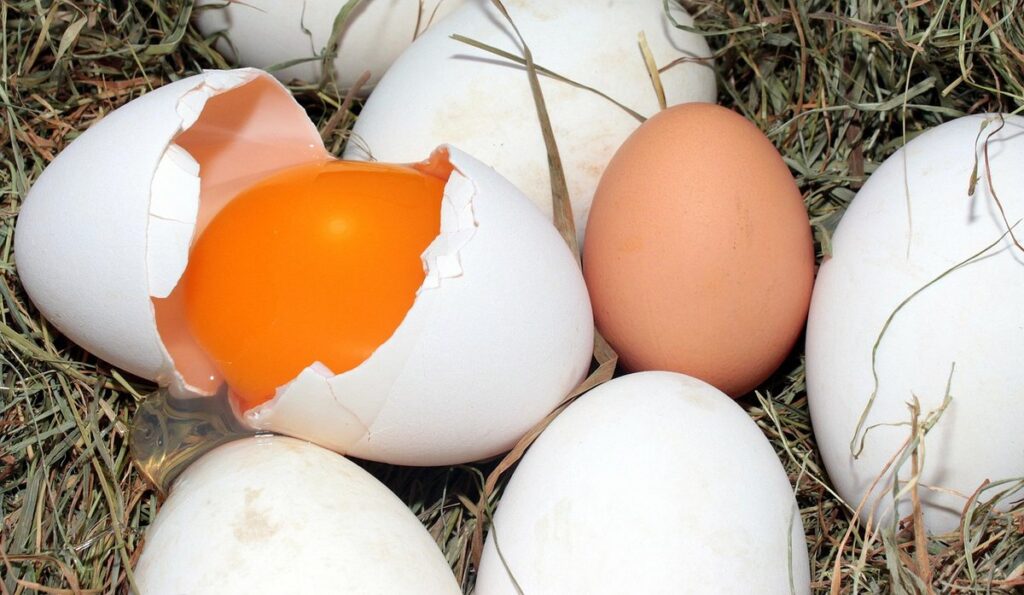
What are Goose Eggs?
If you’re new to the world of goose eggs, let’s start at the beginning – what exactly is a goose egg and how does it differ from other types of eggs. In this section, we’ll explore the basics.
Definition and Overview
When it comes to eggs, most people are familiar with chicken eggs. However, there’s another type of egg that’s equally impressive: goose eggs. So, what exactly is a goose egg? In simple terms, a goose egg is the oval-shaped egg laid by a domesticated or wild goose.
Goose eggs are significantly larger than chicken eggs – often 3 to 4 times bigger in size and weight. This means they have more volume and can be used as a more substantial ingredient in recipes. The large size also makes them visually striking, with their thicker shell and prominent texture. In terms of composition, goose eggs contain more protein, fat, and calories compared to chicken eggs due to the larger yolk.
One key difference between goose eggs and chicken eggs lies in their shell thickness. Goose eggshells are stronger and less prone to cracking due to their thicker calcium content. This unique characteristic makes them ideal for baking and other recipes where a robust texture is desired. When working with goose eggs, it’s essential to keep this in mind and adjust cooking times accordingly to avoid overcooking the egg whites or undercooking the yolks.
History of Goose Egg Consumption
Goose eggs have been a staple ingredient in various cultures for thousands of years. In ancient Rome, goose eggs were considered a delicacy and were often served at banquets. The Roman cookbook “De Re Coquinaria” by Apicius contains several recipes that feature goose eggs as the main ingredient.
In Asia, goose eggs have been used in traditional Chinese medicine for centuries to treat various ailments. They are also a common ingredient in Japanese cuisine, where they are often pickled or boiled and served with soy sauce. In India, goose eggs are a popular ingredient in many curries and stews.
Goose eggs were also highly valued in medieval Europe, where they were considered a luxury item due to their large size and rich flavor. They were often used as an ingredient in elaborate dishes such as pâtés and terrines. Today, goose eggs can be found in many specialty grocery stores and farmers’ markets, where they are prized for their unique flavor and texture.
When using goose eggs in cooking, it’s essential to note that they have a thicker shell than chicken eggs and require a slightly longer boiling time. They also contain more protein and fat than chicken eggs, making them an excellent choice for those looking to add some extra nutrition to their diet.
Nutrition and Health Benefits
Goose eggs are not only a delicious addition to your breakfast plate, but they’re also packed with nutrients that can have a significant impact on your overall health and wellbeing. Let’s take a closer look at the impressive benefits you can expect from eating goose eggs regularly.
Nutritional Content
When it comes to nutritional content, goose eggs stand out from their more common chicken egg counterparts. One of the most significant differences is the higher protein levels found in goose eggs. On average, a large goose egg contains about 12-14 grams of protein, compared to around 6-7 grams in a large chicken egg. This makes goose eggs an excellent choice for those looking to boost their protein intake.
In addition to their high protein content, goose eggs are also rich in vitamins and minerals such as vitamin D, B12, and iron. In fact, one large goose egg can provide up to 40% of the recommended daily intake of vitamin D, making them a great option for those looking to boost their immune system. The mineral content in goose eggs is also notable, with high levels of zinc, selenium, and phosphorus.
When incorporating goose eggs into your diet, consider using them as a substitute for chicken eggs in recipes or adding them to omelets and scrambles. You can also use the yolks as a topping for salads or baked potatoes. The versatility of goose eggs makes them an exciting addition to any meal plan.
Potential Health Risks
While goose eggs are a nutritious and delicious addition to many diets, there are some potential health risks associated with their consumption. One of the primary concerns is the risk of salmonella poisoning. Like chicken eggs, goose eggs can be contaminated with Salmonella bacteria, which can cause food poisoning in humans.
In fact, according to the Centers for Disease Control and Prevention (CDC), about 1 in 20,000 eggs produced in the United States contain Salmonella. However, it’s worth noting that many commercial egg producers have implemented strict safety protocols to minimize this risk. To further reduce your risk of salmonella poisoning when consuming goose eggs, always purchase from reputable sources and cook them thoroughly.
In addition to the risk of food poisoning, goose eggs are also relatively high in cholesterol. A large goose egg can contain up to 200 milligrams of cholesterol, which is about 66% of the recommended daily intake. While dietary cholesterol has a smaller impact on blood cholesterol levels than previously thought, it’s still essential to consume them in moderation as part of a balanced diet.
To put this into perspective, consider the following: eating an extra large goose egg with each meal would far exceed the daily recommended intake of cholesterol. Instead, aim for one or two eggs per serving and pair them with nutrient-dense foods like vegetables and whole grains. By taking these precautions and consuming goose eggs in moderation, you can enjoy their many health benefits while minimizing potential risks.
Cooking and Preparation Methods
When cooking goose eggs, there are several methods you can use to achieve perfect doneness, from boiling and poaching to baking and grilling. We’ll explore each of these techniques in more detail below.
Traditional Recipes
Goose eggs have been a staple ingredient in many traditional recipes around the world. In some cultures, pickled goose eggs are considered a delicacy and are often served as an appetizer or side dish. For example, in China, the Sichuan province is famous for its pickled goose egg dishes, where eggs are marinated in a mixture of spices, vinegar, and chili peppers.
In other regions, boiled goose eggs are used in traditional recipes. In Eastern Europe, boiled goose eggs are often served as a snack or used in salads. For instance, in Poland, boiled goose eggs are mixed with chopped onions, pickled cucumbers, and sour cream to create a tangy and refreshing salad.
The cultural significance of these recipes lies in their ability to preserve food during times of scarcity. Goose eggs were often preserved through pickling or boiling, allowing them to be stored for long periods of time. Today, these traditional recipes continue to be celebrated as a connection to our culinary heritage. If you’re interested in trying your hand at making pickled or boiled goose egg dishes, consider starting with simple recipes and experimenting with different spices and flavor combinations to create unique twists on classic traditions.
Modern Cooking Techniques
When it comes to preparing goose eggs, modern cooking techniques offer a world of possibilities. Grilling is an excellent method for adding a smoky flavor and a tender texture to your goose eggs. Simply brush them with oil, season with salt and pepper, and cook over medium heat until the whites are set and the yolks are cooked to your desired doneness.
Roasting is another great way to bring out the rich, buttery flavor of goose eggs. Preheat your oven to 400°F (200°C) and place the eggs on a baking sheet lined with parchment paper. Roast for about 20-25 minutes, or until the whites are set and the yolks are cooked through.
For a more delicate approach, try poaching your goose eggs. Bring a pot of water to a simmer and add a tablespoon of white vinegar to help the eggs hold their shape. Crack an egg into the water and cook for about 3-5 minutes, or until the whites are set and the yolks are cooked to your desired doneness.
To achieve the perfect texture and flavor, make sure to adjust cooking times based on the size and freshness of your goose eggs.
Health Benefits and Potential Risks (Continued)
Let’s dive deeper into the health aspects of goose eggs, exploring more potential benefits and risks you should be aware of as a consumer. We’ll examine some surprising findings.
Allergy Concerns
When it comes to consuming goose eggs, some individuals may be concerned about potential allergy issues. If you’re one of those people with an existing egg allergy or intolerance, it’s essential to understand that the risk profile is slightly different for goose eggs compared to chicken eggs.
Research suggests that the protein structures in goose eggs are less likely to trigger severe allergic reactions in people who are sensitive to chicken eggs. However, this doesn’t mean you can ignore your allergy entirely! If you’re considering trying goose eggs despite an existing egg allergy, it’s crucial to consult with a healthcare professional or registered dietitian first.
Some tips for individuals with allergies to consider:
• Start by introducing small amounts of cooked goose egg into your diet and monitor how your body reacts.
• Choose farm-to-table or organic options whenever possible, as they tend to have higher standards for animal welfare and may be less likely to contain allergenic contaminants.
• If you experience any symptoms such as hives, itching, or digestive issues after consuming goose eggs, discontinue use immediately and consult with a healthcare professional.
By taking these precautions, you can enjoy the potential health benefits of goose eggs while minimizing risks.
Environmental Impact
When it comes to raising geese for egg production, their environmental impact cannot be ignored. One of the most significant concerns is water usage. Geese require a substantial amount of water to maintain their health and well-being, especially during the hot summer months. In fact, it’s estimated that around 1.5 gallons of water are required per goose per day.
Another issue related to land use is the space needed for geese to roam freely. While they don’t need as much space as some other poultry birds, a significant area is still necessary to accommodate their needs. For instance, a flock of 10-15 geese can occupy approximately an acre of land.
Greenhouse gas emissions are also a concern in goose egg production. Geese produce around 2.6 pounds of CO2 equivalent per year, primarily due to feed production and transportation. This is comparable to the carbon footprint of other poultry birds like chickens.
To mitigate these effects, consider implementing sustainable practices on your farm. For example, you could collect rainwater for irrigation or use renewable energy sources for electricity. By taking a more environmentally conscious approach to goose egg production, you can reduce your carbon footprint and promote a healthier ecosystem.
Buying and Storing Goose Eggs
When it comes to getting the most out of your goose egg collection, knowing how to buy and store them properly is crucial for their quality and longevity. Let’s dive into some essential tips!
Where to Buy
When it comes to buying goose eggs, you have several options to consider. One of the best places to start is by visiting local farms that raise geese for egg production. These farms often sell their eggs directly to consumers, and you may even be able to arrange a farm tour or meet with the farmers themselves.
Specialty stores that focus on artisanal or farm-to-table products are another great resource for finding high-quality goose eggs. These stores typically source their products from local farms and are more likely to carry unusual or exotic egg varieties.
If you’re unable to find a local source, online retailers like Amazon or specialty food websites can be a good option. However, it’s essential to do your research and choose reputable sellers that prioritize the welfare of their birds and the quality of their eggs.
When purchasing from online retailers, look for reviews and ratings from other customers to ensure you’re buying from a trustworthy source. Additionally, consider purchasing in bulk if possible, as this can often be more cost-effective and support small-scale farmers.
Storage and Handling Tips
When it comes to storing and handling goose eggs, proper care is crucial to maintain their quality and safety. First and foremost, keep goose eggs refrigerated at a consistent temperature below 40°F (4°C). This will slow down bacterial growth and prevent spoilage.
Before storing, make sure to clean the eggs gently with mild soap and water to remove any dirt or debris that may have accumulated on the shell. Rinse them thoroughly with cold running water to remove any soap residue.
When handling goose eggs, be gentle to avoid cracking the delicate shells. Use a paper towel or cloth to handle them, rather than your bare hands, which can leave oils behind and cause moisture to seep into the egg. Store them pointed end down in a single layer on a tray or container to prevent breakage.
For long-term storage, consider storing goose eggs in their carton or wrapped in plastic bags or paper to maintain humidity and prevent moisture loss. Check on the eggs regularly to ensure they remain fresh and safe for consumption. Proper care will help you enjoy your delicious goose eggs for weeks to come!
Conclusion
In conclusion, exploring the world of goose eggs has been an enlightening experience. These remarkable ovoids are not only a delicacy but also a symbol of fertility and abundance in many cultures. As you’ve likely gathered by now, goose eggs are larger, darker, and richer in flavor than their chicken counterparts. If you’re looking to incorporate them into your cooking repertoire, we recommend starting with simple recipes like scrambled eggs or omelets. Don’t be afraid to experiment with different seasonings and ingredients to bring out the full depth of flavor that these incredible eggs have to offer. By embracing the uniqueness of goose eggs, you’ll unlock a whole new world of culinary possibilities, adding variety and richness to your meals in no time.
Frequently Asked Questions
Can I substitute goose eggs for chicken eggs in all recipes?
While you can use goose eggs as a direct substitute, keep in mind that their larger size means they will occupy more space in your recipe. Additionally, their higher fat content may affect the overall texture and consistency of the final product. Start with smaller quantities to adjust to the unique characteristics of goose eggs.
How do I store goose eggs safely?
Goose eggs are more sensitive to temperature fluctuations than chicken eggs. Store them at a consistent refrigerator temperature below 40°F (4°C) to prevent spoilage. Always handle them gently, as their larger size makes them more prone to cracking.
Can I freeze goose eggs for later use?
Yes. Goose eggs can be frozen whole or separated into whites and yolks. Frozen goose egg whites will maintain their texture, while the yolks may become slightly watery. When freezing, first chill the eggs in the refrigerator, then store them at 0°F (-18°C) or below.
Are there any specific cooking methods for goose eggs?
Goose eggs are ideal for poaching and baking due to their larger size and richer flavor profile. For baking, consider using a lower oven temperature (300-325°F/150-165°C) to prevent overcooking the exterior before the interior is fully cooked.
Can I use goose eggs if I have an egg allergy?
It depends on your individual allergy situation. While geese are waterfowl and not birds like chickens, some people may still react to goose egg proteins. Consult with a healthcare professional or registered dietitian for personalized advice on using goose eggs despite allergies.
Do I need special equipment to cook goose eggs?
While you can use standard kitchen utensils, consider investing in a thermometer to ensure the correct internal temperature is reached when cooking goose eggs. This is especially important when baking or boiling them due to their larger size and richer fat content.