
When it comes to one of the most versatile and nutritious foods out there, the humble chicken egg is often overlooked. But today, we’re going to crack open (pun intended!) the fascinating world of eggs, exploring their incredible benefits and uses. Whether you’re a health enthusiast or a busy cook looking for creative meal ideas, this ultimate guide has got you covered. From the impressive protein content that makes them a superstar in the fitness world to sustainable egg production practices that do good for the planet, we’ll delve into all aspects of chicken eggs. In this article, we’ll also discuss food safety guidelines and get inspired by innovative uses for eggs in cooking. Get ready to hatch some new knowledge about one of your favorite foods!
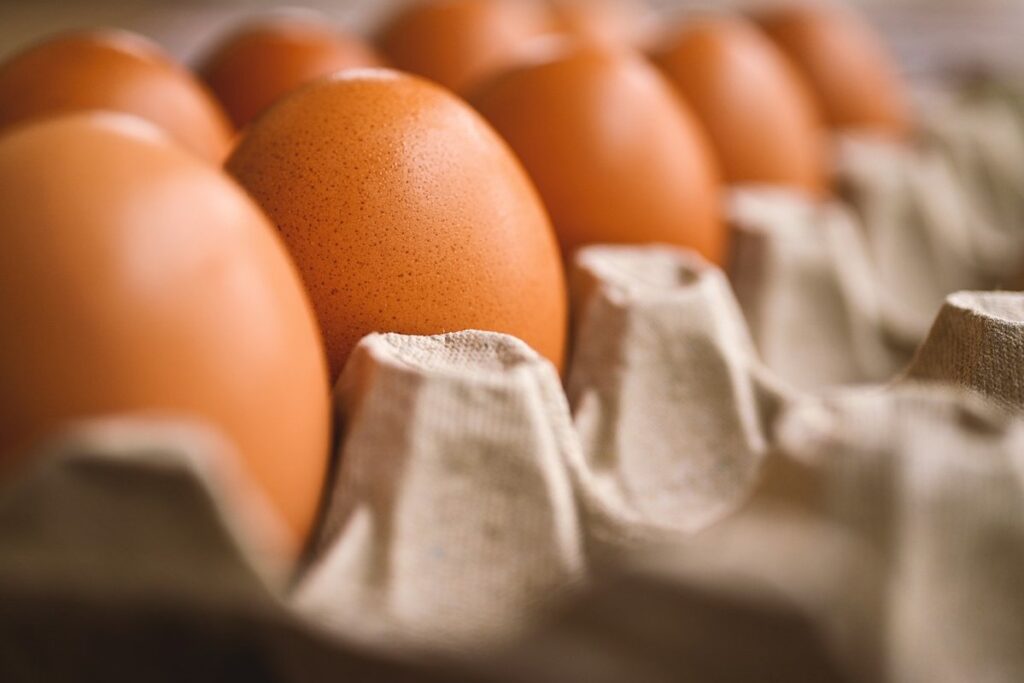
What Are Chicken Eggs?
Let’s dive into what chicken eggs are, where they come from, and how they’re classified to better understand their unique characteristics and nutritional profiles. We’ll explore egg basics together!
Definition and Types of Eggs
When it comes to choosing eggs, you might have noticed that they come in various sizes. This is not just a matter of aesthetics; different types of eggs can significantly impact the cooking experience and nutritional value. Let’s break down some common types of eggs:
The most commonly available egg sizes are large, extra-large, and jumbo. Large eggs typically weigh around 2 ounces and have a diameter of about 1.9 inches. Extra-large eggs are slightly larger, weighing approximately 2.5 ounces with a diameter of 2.0 inches. Jumbo eggs, on the other hand, are even bigger, weighing around 3 ounces with a diameter of 2.2 inches.
When it comes to cooking, larger eggs can be easier to handle and produce more consistent results. However, if you’re watching your calorie intake, smaller eggs might be a better choice. Keep in mind that egg size doesn’t necessarily correlate with nutritional value; all large, extra-large, or jumbo eggs will still have about 70 calories and 5-6 grams of protein per serving. Ultimately, the best type of egg for you depends on your personal preference and cooking needs.
History of Chicken Egg Consumption
Chicken eggs have been a staple food source for humans for thousands of years. The history of egg consumption dates back to ancient civilizations, where eggs were considered a symbol of fertility and abundance. In ancient Egypt, around 2500 BCE, eggs were highly valued as a food source due to their high nutritional value.
The earliest evidence of chicken egg production comes from China, dating back to around 1400 BCE. From there, egg farming spread throughout Asia, Europe, and eventually the Americas. As people migrated and traded with one another, new egg-laying breeds emerged, adapting to local climates and diets.
By the Middle Ages, eggs had become a staple in many European cuisines, particularly among the wealthy due to their high protein content and rarity. Today, chicken eggs are consumed globally, with China being the largest producer of over 30% of the world’s egg supply. With over 1.4 billion chickens raised worldwide for their eggs alone, it’s clear that our love affair with eggs has only grown stronger over time.
Nutritional Benefits of Chicken Eggs
When it comes to getting essential nutrients, chicken eggs are one of the most versatile and affordable options available. Let’s dive into their impressive nutritional benefits.
Protein Content and Absorption
Chicken eggs are an excellent source of protein, making them a staple in many cuisines around the world. A large egg contains approximately 6-7 grams of protein, which is about 12-14% of the recommended daily intake for adults. The protein content in eggs is made up of essential amino acids like leucine, isoleucine, and valine, which are crucial for muscle growth and repair.
When it comes to absorption, eggs have a unique advantage due to their high bioavailability of protein. Bioavailability refers to the body’s ability to utilize nutrients from food. Studies show that egg proteins can be absorbed by the body up to 90%, making them an efficient source of protein. This is particularly beneficial for individuals who follow a plant-based diet or struggle with digestive issues, as they may have difficulty absorbing protein from other sources.
Incorporating eggs into your diet can help boost your protein intake and support overall health. For example, if you’re a vegetarian or vegan looking to increase your protein consumption, consider adding eggs to your breakfast or using them as a topping for salads and stir-fries.
Vitamins and Minerals in Eggs
When it comes to vitamins and minerals, eggs are often underrated as a rich source of essential nutrients. Let’s dive into some of the key players: vitamin D, B12, and iron.
Vitamin D is crucial for maintaining strong bones and immune function. Many people know that sunlight exposure helps boost vitamin D levels, but did you know that egg yolks are also an excellent source? A single large egg yolk provides about 40 IU (International Units) of vitamin D, which may not seem like a lot, but it can add up over time.
Vitamin B12 is another crucial nutrient found in eggs. It plays a vital role in the production of red blood cells and nerve function. One large egg yolk contains approximately 6 micrograms of vitamin B12, which is about 25% of the recommended daily intake.
Iron is an essential mineral that many people don’t get enough of. Eggs are a decent source of iron, especially if you consume the yolks. A single large egg yolk contains around 0.5 milligrams of iron, which may not seem like much but can contribute to overall iron intake when consumed regularly.
Cholesterol Concerns: Myth or Reality?
When it comes to eating eggs, one of the most common concerns is their cholesterol content and its potential impact on heart health. But is this concern really justified? The answer lies in understanding the difference between dietary cholesterol and serum cholesterol.
Dietary cholesterol refers to the amount of cholesterol we get from our food, while serum cholesterol is the amount present in our blood. Research has shown that dietary cholesterol has a limited impact on raising serum cholesterol levels for most people. In fact, studies have found that saturated and trans fats, which are often found in processed foods, have a much greater effect on increasing bad LDL cholesterol than dietary cholesterol.
The American Heart Association recommends limiting dietary cholesterol to 300 milligrams per day, but for healthy adults, eating an egg a day is unlikely to raise their risk of heart disease. This is because eggs are also a rich source of nutrients like protein, vitamins D and B12, and iron, which can help lower bad LDL cholesterol and increase good HDL cholesterol. So go ahead, enjoy your eggs without worrying too much about the cholesterol content – moderation is key!
Chicken Egg Production: From Farm to Table
From farm to table, we’re about to crack open the process of chicken egg production and explore how eggs make their way into your fridge. Let’s start with the journey from the coop to the consumer!
Commercial vs. Small-Scale Egg Production
When it comes to chicken egg production, there are two main types: commercial and small-scale. Commercial farms are large-scale operations that produce thousands of eggs per day, while small-scale flocks, often referred to as backyard chickens or small homesteads, typically generate a few dozen eggs daily.
Commercial farms have significant advantages when it comes to efficiency and cost-effectiveness. They can achieve economies of scale by purchasing feed in bulk, investing in automated systems for feeding, watering, and egg collection, and utilizing high-tech monitoring systems to optimize flock health and productivity. For example, a large commercial farm with 10,000 hens might produce around 500,000 eggs per week. This allows them to sell their eggs at a lower price point than small-scale producers.
On the other hand, small-scale flocks offer unique benefits such as fresher eggs, reduced environmental impact, and opportunities for diversified income streams through value-added products like artisanal cheeses or egg-based baked goods. Small-scale farmers can also adopt more humane and natural methods of production, such as free-range systems or permaculture approaches. While commercial farms are ideal for large-scale operations, small-scale producers can still be profitable by focusing on niche markets, offering high-quality products, and building strong relationships with customers.
Cage-Free, Free-Range, and Organic Eggs
When it comes to choosing eggs from the grocery store, many of us have come across labels like “cage-free,” “free-range,” and “organic.” But what do these terms really mean? Are they better for animal welfare and nutrition? Let’s break down each label and its implications.
Cage-free hens are allowed to roam freely within their barns or houses, but the size of the space can vary greatly. Some farms may provide a large area for exercise, while others may have smaller enclosures. Despite this variation, cage-free hens typically have better welfare outcomes than those in battery cages.
Free-range hens, on the other hand, are allowed to venture outside into the outdoors, but again, the size of the outdoor area can be limited. Some farms provide a small fenced yard or a short period of time for birds to access the outdoors. Look for farms that specify the duration and quality of outdoor access.
Organic eggs, meanwhile, come from hens fed organic feed and given access to the outdoors. The USDA has strict guidelines for organic farms, which must provide more space per bird than conventional operations. Organic eggs are often considered a premium product due to their higher production costs and stricter regulations.
When it comes to nutrition, research suggests that pasture-raised hens produce eggs with better fatty acid profiles and higher levels of omega-3s. These nutrients can be beneficial for human health, particularly heart health.
Sustainability and Environmental Impact
When it comes to chicken egg production, sustainability and environmental impact are crucial considerations. The demand for eggs is high, but so too is the associated environmental cost. From greenhouse gas emissions to water pollution, the effects of large-scale egg farming can be significant.
For instance, a single layer hen consumes about 2-3 pounds of feed per week, which requires vast amounts of land, water, and resources to produce. Furthermore, manure from these hens can pollute nearby water sources if not managed properly. According to the United Nations Food and Agriculture Organization (FAO), agriculture as a whole is responsible for around 30% of global greenhouse gas emissions, with egg production contributing to this figure.
To mitigate these effects, many farms are adopting more sustainable practices, such as free-range or organic systems, which prioritize animal welfare and environmental stewardship. Some producers are also exploring alternative feed sources, like insect-based proteins, to reduce their carbon footprint. As a consumer, you can play your part by choosing eggs from certified humane or regenerative farms, supporting local farmers who adopt sustainable practices, or even raising chickens in your backyard with eco-friendly methods. By making informed choices and pushing the industry towards more sustainable practices, we can help create a better future for both people and planet.
Egg Safety and Handling
When it comes to chicken eggs, proper safety and handling are crucial to prevent contamination and foodborne illness. We’ll walk you through essential steps for safe egg handling at home.
Salmonella Risks and Prevention
Salmonella is a major concern when it comes to egg safety. According to the Centers for Disease Control and Prevention (CDC), there are approximately 79,000 cases of salmonella-related illnesses each year in the United States alone. Most of these cases are linked to consuming contaminated eggs.
To put this into perspective, consider that a single salmonella bacterium can cause severe illness in humans. The bacteria can survive on eggshells and other surfaces for weeks, making it essential to handle eggs carefully.
Preventing salmonella contamination is crucial when handling eggs. Always wash your hands thoroughly with soap and water before and after touching eggs. Use clean equipment and utensils to crack open eggs, and make sure the cutting board and surrounding area are sanitized.
To reduce the risk of salmonella even further, consider the following tips:
* Store eggs in their original carton on the middle or bottom shelf of your refrigerator to prevent cracking and contamination.
* Cook eggs thoroughly – especially if you’re cooking for vulnerable individuals like the elderly, young children, or those with weakened immune systems.
* Be aware that older hens are more likely to carry salmonella bacteria, so it’s essential to choose eggs from reputable sources.
Safe Handling Practices for Eggs
When it comes to ensuring egg safety, proper handling is crucial. This involves not just storing and transporting eggs but also preparing them for consumption. To minimize the risk of foodborne illness, follow these guidelines.
Firstly, store eggs in a cool, dry place away from direct sunlight. The ideal storage temperature is between 32°F (0°C) and 40°F (4°C). This helps prevent bacterial growth on the eggshell, which can contaminate the contents inside. Keep eggs pointed end down in their original carton or container to prevent moisture from entering through the small air pocket at the large end.
When transporting eggs, make sure they are secure and protected from jostling. Use a padded box or bag to cushion them during transport. Avoid stacking eggs on top of one another as this can cause damage to the eggshell.
Before cooking or consuming eggs, always wash your hands thoroughly with soap and warm water. Cracked or dirty eggs should never be used. Crack them gently into a clean bowl or pot to prevent any potential contamination from the shell.
Creative Ways to Use Chicken Eggs in Cooking
Eggs are incredibly versatile, and we’re going to crack open some creative ways to use them in your favorite recipes. From breakfast to dinner, eggs add flavor and excitement to any meal!
Breakfast Dishes and Egg Recipes
Breakfast is often considered the most important meal of the day, and what better way to start it off right than with a delicious dish featuring eggs as the main ingredient? Whether you’re a busy professional on-the-go or a weekend brunch enthusiast, there’s no shortage of creative ways to use chicken eggs in breakfast recipes.
One classic example is the humble omelette. Not only are omelettes easy to make, but they’re also incredibly versatile – simply add your favorite fillings such as cheese, vegetables, and meats to create a personalized masterpiece. For instance, try adding some diced ham and spinach for a protein-packed breakfast that’s sure to keep you energized throughout the morning.
Other popular egg-based breakfast dishes include scrambled eggs with smoked salmon, shakshuka (a North African dish where eggs are poached in a flavorful tomato sauce), and quiche Lorraine. Each of these recipes offers a unique twist on traditional egg cooking methods, making it easy to mix things up and keep your breakfast routine exciting.
Consider trying a breakfast burrito or frittata for a fun spin on the usual omelette. By experimenting with different seasonings, cheeses, and fillings, you can create a truly one-of-a-kind dish that suits your taste preferences.
Baking with Eggs: Cakes, Cookies, and More
When it comes to baking with eggs, the possibilities are endless. Cakes, cookies, muffins – you name it, and chances are it requires eggs as a main ingredient. But did you know that eggs play a crucial role not just in adding moisture and richness but also in providing structure and texture?
In cakes, for instance, eggs help to incorporate air and give the final product a tender crumb. In cookies, they add chewiness and prevent them from becoming too brittle. And in muffins, they help to keep the batter moist and evenly distributed.
But what if you’re out of eggs or prefer not to use them due to dietary restrictions? No worries! There are plenty of substitutes you can try. For example, mashed banana or applesauce can replace one egg in baked goods, while flaxseed or chia seeds can be used as an egg substitute when mixed with water.
When substituting eggs, it’s essential to note that the ratio may vary depending on the recipe and desired outcome. Experiment with different combinations to find what works best for you, and remember – practice makes perfect!
International Egg Dishes and Cuisine
When it comes to cooking with chicken eggs, international cuisine offers a world of exciting and unique egg-based dishes that go beyond the usual omelette and scrambled eggs. Let’s take a culinary journey around the globe to explore some of these fascinating egg dishes.
In Japan, you’ll find Tamagoyaki, a traditional rolled omelette made with dashi (a Japanese broth) and served as a side dish or used as a topping for rice bowls. Meanwhile, in India, Masala Omelette is a popular street food made with eggs, onions, tomatoes, and spices, often served with bread or chapatis.
In Mexico, Huevos Rancheros features fried eggs on top of tortillas, smothered in a spicy tomato sauce and melted cheese. In the Middle East, Shakshuka is a North African dish where eggs are poached in a flavorful tomato sauce, often served with crusty bread or pita.
These international egg dishes not only showcase the versatility of chicken eggs but also highlight the diversity of global cuisine. By experimenting with new ingredients and cooking techniques, you can add these unique flavors to your own kitchen repertoire.
The Future of Chicken Eggs: Trends and Innovations
As we look to the future, innovations in chicken egg production are on the rise, from more efficient farming methods to exciting new products and packaging. Stay ahead of the curve as we explore these trends.
Plant-Based Alternatives to Eggs
The rise of plant-based egg substitutes is a significant trend that’s gaining momentum worldwide. More and more consumers are opting for these alternatives due to their perceived health benefits, environmental advantages, and dietary flexibility.
One of the leading plant-based egg substitutes is tofu scramble, made by blending silken tofu with spices and seasonings to mimic the texture and flavor of scrambled eggs. Another popular option is Follow Your Heart’s VeganEgg, a product that uses algal protein to create an egg-like texture and taste. Mung bean-based eggs are also gaining traction, offering a more sustainable and allergen-friendly alternative.
For those looking to try their hand at making plant-based eggs at home, there are several options available. Aquafaba, the liquid from canned chickpeas or other beans, can be whipped into a meringue-like consistency and used as an egg substitute in recipes. Additionally, some companies like Ener-G Foods offer a range of plant-based egg replacers made from potato starch, tapioca flour, and other ingredients.
As consumers become increasingly aware of the environmental impact of their food choices, the demand for plant-based alternatives to eggs is expected to continue growing. Whether you’re a health-conscious individual or an environmentally-minded consumer, exploring these options can be a great way to mix up your diet and reduce your carbon footprint.
Alternative Uses for Eggshells and Byproducts
Eggshells are more than just waste; they can be repurposed and reused in various creative ways. One of the most innovative uses for eggshells is as a natural pest control agent. Crushed eggshells can deter slugs, snails, and other pests from attacking plants in your garden or indoor pots.
To use crushed eggshells effectively, sprinkle them around the affected area or mix with compost to create a potent pest-repellent mulch. This approach not only reduces waste but also eliminates the need for chemical-based pesticides.
Eggshells can also be used as a natural fertilizer. After soaking dried and crushed eggshells in water, you’ll get a nutrient-rich liquid fertilizer that’s ideal for seedlings or houseplants. This method is a great way to reutilize eggshells and promote sustainable gardening practices.
When it comes to egg byproducts, consider repurposing leftover egg whites as an adhesive in craft projects or as a natural binder in homemade playdough recipes. You can also use egg yolk oil as a moisturizer for skin and hair care products due to its emollient properties.
Advances in Egg Production Technology
In recent years, significant advances have been made in chicken egg production technology, transforming the industry with automation and precision farming. One notable innovation is the introduction of fully automated egg-laying systems, which can monitor hens’ behavior, detect health issues, and adjust feeding schedules accordingly. These systems not only increase productivity but also enhance animal welfare.
Precision farming is another area where technology has made a significant impact. Sensors and drones are now used to monitor soil quality, crop health, and water usage, ensuring optimal growing conditions for feed crops. This approach not only boosts egg production but also reduces environmental impact by minimizing waste and conserving resources.
Another example of innovation in egg production is the use of artificial intelligence (AI) and machine learning algorithms. These technologies enable farmers to analyze data on factors such as temperature, humidity, and light exposure, making adjustments to create an optimal environment for hens. By doing so, farmers can improve egg quality, increase yields, and reduce mortality rates among flocks.
Farmers can also benefit from adopting integrated technology solutions that combine automation, precision farming, and AI. These systems can provide real-time insights into farm operations, enabling data-driven decisions to optimize production and minimize waste. As the industry continues to evolve, it’s exciting to think about the potential for further innovation in egg production technology.
Frequently Asked Questions
Can I use eggs as a primary source of protein for athletic recovery?
Yes, eggs are an excellent choice for athletes due to their high protein content and efficient absorption rate. Consuming eggs within an hour after exercise can help promote muscle repair and growth.
How do I choose between cage-free, free-range, and organic eggs when shopping for sustainable options?
When selecting sustainable egg options, consider the living conditions of the hens. Cage-free and free-range labels ensure birds have some access to outdoors, but may not guarantee better welfare. Organic eggs, on the other hand, meet stricter standards for animal feed, living conditions, and veterinary care.
Can I use leftover egg whites or yolks in recipes?
Yes! Egg whites can be frozen for later use in meringues, souffles, or as a substitute for flour in some baked goods. Yolks can be refrigerated for up to three days and used in sauces, dressings, or as a binder in meatballs.
How do I handle and store eggs safely at home?
To prevent Salmonella contamination, always wash your hands before handling eggs. Store them in their original carton in the refrigerator, and use the “first-in, first-out” rule to ensure older eggs are consumed before newer ones.
Can I make my own eggshells into calcium supplements or decorations?
Yes! You can dry and grind eggshells for use as a natural calcium supplement. Alternatively, use them to create decorative items like beads, ornaments, or plant markers – just be sure to clean and disinfect the shells first.