
Raising healthy hens is no easy task, but with the right approach, you can maximize their egg production and enjoy a steady supply of fresh eggs from your backyard. As an aspiring chicken keeper or seasoned farmer, understanding how to promote optimal health and productivity in your flock is crucial for success. But it’s not just about providing food and shelter – chicken behavior and psychology play a significant role in determining the overall well-being of your birds.
In this article, we’ll delve into the world of chicken keeping, covering essential topics such as selecting the best breeds for your climate and needs, creating an optimal environment that encourages egg-laying, and providing the right nutrition to support your hens’ health. By the end of it, you’ll be equipped with practical knowledge on how to boost your flock’s productivity and enjoy the many rewards of raising healthy hens.
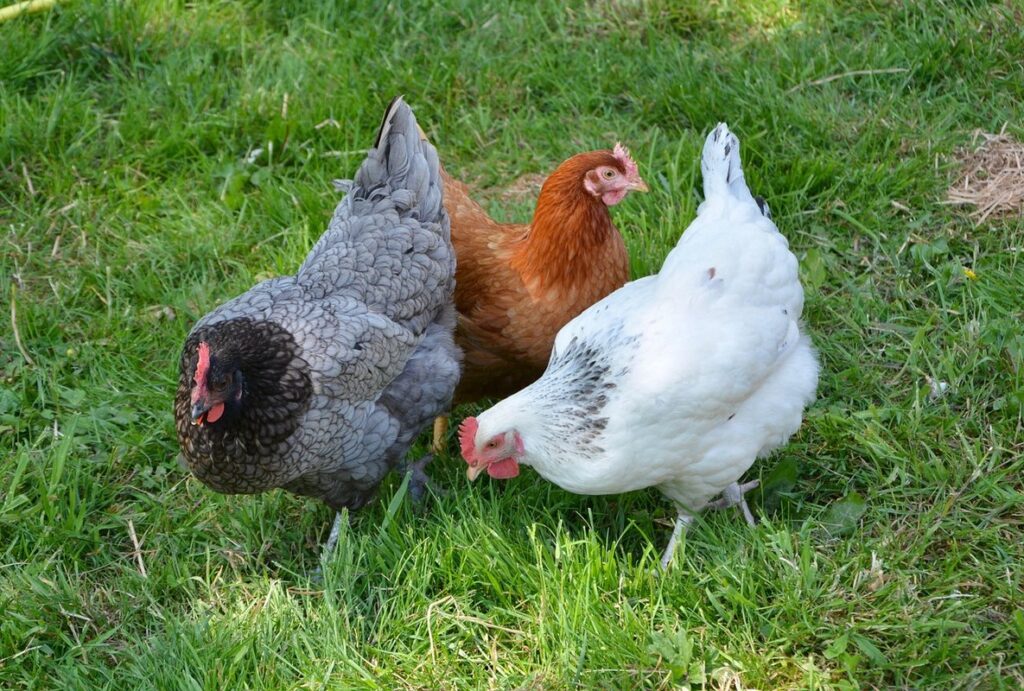
Understanding Chicken Behavior and Psychology
To truly care for your hens, you need to understand their natural behavior and instincts, which can often be misinterpreted as quirks or problems. In this section, we’ll delve into the psychology behind chicken behavior.
Understanding Flock Dynamics
Understanding flock dynamics is crucial for creating a harmonious and productive chicken coop. Social hierarchy plays a significant role in a hen’s life, with dominant birds asserting their position through established pecking orders. This hierarchy can be influenced by factors such as age, size, and past experiences.
Chickens communicate extensively using a range of vocalizations, body language, and visual displays. A clucking noise may signal contentment or excitement, while loud squawking often indicates alarm or stress. Recognizing these communication cues is vital for understanding flock dynamics and addressing any issues that may arise.
To establish a balanced social structure, it’s essential to introduce new birds gradually and under close supervision. This allows the existing hens to assert their dominance while preventing any conflicts. Providing separate areas for rest and relaxation also helps maintain peace within the coop.
Recognizing Stress and Anxiety in Chickens
Recognizing stress and anxiety in chickens is crucial for maintaining their overall health and egg-laying productivity. Hens can exhibit various behaviors when stressed or anxious, making it essential to be aware of these signs. Overcrowding, lack of space, and poor nutrition are common causes of stress and anxiety in hens.
When hens don’t have enough room to roam, they may pace back and forth, vocalize excessively, or engage in feather pecking behavior. On the other hand, inadequate nutrition can lead to weight loss, pale combs, and decreased egg production. To mitigate these issues, ensure your flock has a spacious coop with adequate ventilation, providing at least 4-5 square feet per bird.
Regularly inspect the living conditions of your hens, checking for signs of stress or anxiety such as changes in appetite, reduced egg-laying, or abnormal droppings. Provide a balanced and nutritious diet rich in protein, calcium, and other essential nutrients to support their overall health. By recognizing these warning signs and taking corrective measures, you can create a stress-free environment that fosters healthy hens and maximizes egg production.
Choosing the Right Breed for Egg Production
When it comes to maximizing egg laying, choosing the right breed is crucial. Let’s explore the key characteristics and traits of breeds that excel in egg production, so you can make an informed decision.
Factors to Consider When Selecting a Breed
When selecting a breed for egg production, there are several key factors to consider. First and foremost, think about the egg-laying capacity of the breed. Some breeds, like Leghorns and Rhode Island Reds, are renowned for their high egg production, laying up to 300 eggs per year or more. On the other hand, smaller breeds like Bantams may only lay around 100-120 eggs annually.
Temperament is another crucial consideration. If you have children or live in a small backyard with limited space, a friendly and docile breed like Plymouth Rock or Buff Orpington might be an excellent choice. However, if you’re looking for a more low-maintenance option, breeds like Australorp or Barred Rocks are relatively quiet and easy-going.
Lastly, consider the adaptability of the breed to your environment. If you live in a hot climate, choose breeds that excel in warm temperatures, such as Brahma or Cochin. Conversely, if you’re in a cooler region, Opt for breeds that thrive in cooler conditions like Marans or Sussex.
Popular Breeds Known for Their Egg-Laying Abilities
If you’re looking for breeds that will deliver high-quality eggs consistently, consider these popular choices:
The Leghorn breed is renowned for its exceptional egg-laying abilities. With an average of 280-300 large white eggs per year, they are one of the most productive egg layers available. Their hardiness and adaptability make them a favorite among backyard farmers and commercial producers alike.
Another top contender is the Rhode Island Red. These gentle hens lay around 200-220 brown eggs annually, with some individuals producing up to 300 eggs in their prime laying years. Their friendly demeanor and medium-sized eggs make them an excellent choice for families and small-scale egg production operations.
The Barred Plymouth Rock breed also boasts impressive egg-laying capabilities, producing around 200-220 large brown eggs per year. Their strong constitutions and high fertility rates make them a popular pick among farmers looking to establish a reliable egg source.
Lastly, the Marans breed is known for its dark, chocolate-brown eggs. With an average of 180-200 eggs per year, these hens may not produce as many as some other breeds, but their distinctive eggs and robust health make them a prized possession among backyard chicken enthusiasts.
Nutrition and Diet for Optimal Egg Production
When it comes to maximizing your hens’ egg production, what they eat is crucial. This section explores the best nutrition and dietary practices to support optimal laying in a healthy flock.
The Importance of a Balanced Diet
Providing your hens with a balanced diet is crucial for optimal egg production. A well-planned diet ensures they receive all the necessary nutrients, vitamins, and minerals to maintain their health and productivity. This means feeding them a mix of grains, proteins, and fresh produce daily.
Key elements to include in their diet are calcium, phosphorus, and protein. Calcium supports strong eggshell development, while phosphorus helps regulate nutrient metabolism. Protein is essential for building and repairing tissues, including those necessary for egg production.
A good quality layer feed can provide the necessary nutrients, but supplementing with fresh produce like fruits and vegetables adds variety and ensures they receive essential vitamins and minerals. For example, leafy greens like kale and spinach are rich in calcium and vitamins A and K, which support overall health and reproductive function.
Consider providing a small portion of oyster shells or crushed eggshells as a calcium supplement to help strengthen eggshell quality.
Tips on How to Create a Nutritious Feed Plan
Creating a nutritious feed plan is crucial for maintaining healthy hens and maximizing their egg-laying potential. When crafting your hens’ diet, it’s essential to focus on providing a balanced mix of nutrients. Include high-quality proteins such as crickets, mealworms, or commercial layer pellets in their diet. You should also ensure they have access to fresh fruits and vegetables, like leafy greens and carrots, which provide valuable vitamins and minerals.
When choosing your hens’ feed, be mindful of what to avoid. For example, a diet high in grains can lead to an imbalance of omega-6 fatty acids, potentially causing inflammation in the birds. Some commercial feeds may contain artificial additives or preservatives that can harm their health. To maintain optimal nutrition, consider adding supplements like probiotics or oyster shells to support digestive and calcium needs.
To make mealtime more efficient, divide your flock’s daily ration into two to three feedings, depending on their age and size. This will help prevent overeating and reduce the risk of obesity.
Health Considerations for Happy Hens
When it comes to raising healthy hens, providing optimal care and conditions is essential for happy, thriving birds. This section covers key factors that impact your flock’s overall health and well-being.
Common Health Issues Affecting Egg-Laying Chickens
As an egg-layer enthusiast, it’s essential to be aware of common health issues that can affect your hens. Respiratory problems are a significant concern for backyard chicken keepers. Factors like extreme temperatures, high humidity, and poor ventilation can lead to conditions such as bronchitis, pneumonia, or tracheal stenosis in hens. You can prevent respiratory issues by providing adequate shelter, maintaining a clean coop, and ensuring proper airflow.
Parasites are another common health issue that can impact egg-laying chickens. Internal parasites like worms and mites can cause significant harm to your flock’s overall health. External parasites such as lice and fleas can also be problematic. Regular cleaning of the coop, using diatomaceous earth or other natural deterrents, and providing a balanced diet rich in essential nutrients can help keep parasites at bay.
Reproductive disorders are another critical concern for egg-laying hens. Conditions like prolapse, egg binding, and reproductive tract infections can lead to significant suffering for your flock members. Proper nutrition, maintaining a clean environment, and ensuring adequate space per bird can minimize the risk of these issues. Regular health checks by a veterinarian and taking proactive measures can help prevent or manage reproductive disorders effectively.
Strategies for Preventing and Managing Health Issues
Preventing common health issues is crucial to maintaining a happy and healthy flock. Regular vaccinations are essential to protect against diseases such as Newcastle disease and infectious bronchitis. Consult with a veterinarian to determine the best vaccination schedule for your hens, as it may vary depending on factors like age and location.
Parasite control measures should also be implemented to prevent internal parasites, which can lead to weight loss, decreased egg production, and even death. Monitor your hens regularly for signs of mites, lice, and fleas, and use medicated powders or sprays as necessary. Keep the coop clean and free from waste, as this will help reduce the risk of parasite infestations.
Early detection is key when it comes to managing health issues in hens. Monitor your flock daily for signs of illness such as labored breathing, lethargy, and changes in appetite or droppings. Take prompt action if you notice any unusual behavior or symptoms, and consult with a veterinarian if necessary. Regular check-ups can also help identify potential health issues before they become serious problems.
Environmental Factors Affecting Egg Production
When it comes to maximizing egg production, understanding how environmental factors impact your hens’ health and happiness is crucial. Let’s explore the ways in which temperature, humidity, and more can affect their egg-laying abilities.
The Impact of Climate on Egg Laying
Climate plays a significant role in determining egg production, and temperature fluctuations can have a substantial impact on fertility and overall health. Extreme temperatures can affect hens’ reproductive cycles, leading to reduced egg laying. For instance, high temperatures above 90°F (32°C) can cause hens to stop laying eggs altogether.
On the other hand, low temperatures below 40°F (4°C) can reduce fertility, making it difficult for eggs to be fertilized. Even moderate temperature fluctuations between day and night can disrupt the hens’ natural cycle, leading to irregular egg production. To mitigate this effect, it’s essential to provide a stable temperature range within your coop.
In regions with extreme temperatures, consider using supplemental lighting or heating to regulate the internal temperature. This will help maintain a consistent environment that promotes healthy reproductive cycles and optimal egg laying. Aim for a range of 60-70°F (15-21°C) during the day and around 10-20°F (-12°C to -7°C) lower at night to encourage hens to lay eggs regularly.
Keep in mind, some breeds are more tolerant of temperature fluctuations than others. Research your specific breed’s requirements and take steps to accommodate their needs for a healthier and more productive flock.
Tips for Creating an Optimal Environment for Hens
When it comes to raising healthy hens and maximizing egg laying, providing an optimal environment is crucial. A well-designed coop and run can significantly impact the hens’ overall health, happiness, and productivity. Here are some practical tips to create a perfect haven for your feathered friends.
Start by ensuring adequate housing with enough space for each hen to move around comfortably. Aim for at least 3-4 square feet per bird inside the coop and 8-10 square feet in the run. This will prevent overcrowding, stress, and disease transmission. Consider a spacious coop design with ample ventilation to maintain good airflow and keep the interior clean.
Don’t forget about waste management! Remove soiled bedding regularly (at least once a week) and replace it with fresh material like straw or wood shavings. Proper waste disposal will not only keep your hens healthy but also prevent pests and odors. Make sure to provide easy access for egg collection, as well as cleaning and maintenance tasks.
Proper ventilation is just as important as housing and waste management. Install windows or vents to ensure a constant flow of fresh air, reducing ammonia levels and moisture buildup inside the coop. This will maintain your hens’ respiratory health and overall well-being.
In addition, provide adequate protection from predators by using strong fencing materials and regular inspections. By following these simple guidelines, you’ll be creating an optimal environment for your hens to thrive, producing healthier eggs, and enjoying a more sustainable and enjoyable backyard chicken-keeping experience!
Maximizing Egg Production Through Best Practices
To get the most out of your flock, let’s dive into some expert-approved tips on optimizing their living space and nutrition for maximum egg production.
Strategies for Encouraging Frequent Laying
To encourage frequent laying in hens, it’s essential to understand their natural behavior and needs. One of the most critical factors is proper handling techniques. When collecting eggs, make sure to do so gently and quietly to avoid startling the hen. This can cause stress, which negatively impacts egg production.
Regular egg collection is also vital for encouraging frequent laying. Hens will continue to lay eggs when they feel secure in their surroundings. Remove any uncollected eggs, as these can attract pests and create an unpleasant environment for your hens.
Reducing stress is another crucial aspect of maximizing egg production. Provide a safe and comfortable living space with adequate ventilation, lighting, and food. Limit the number of visitors to your coop and avoid loud noises that may startle your hens. By implementing these strategies, you can help create an ideal environment for your hens to thrive and lay eggs frequently.
Consider offering a variety of toys and activities to keep your hens engaged and stimulated. This can include hanging feeders, scratching posts, and exercise equipment. By keeping your hens active and entertained, you can reduce stress and encourage frequent laying.
Tips for Extending the Laying Period
As you strive to maximize egg production, extending the laying period of your hens is crucial. A well-managed flock can produce eggs for 4-5 years, but some breeds may lay for up to 7 years with proper care.
Nutrition plays a significant role in maintaining your hens’ health and longevity. Ensure they have access to a balanced layer feed that meets their nutritional needs. Supplementing with calcium-rich foods like crushed eggshells or dark leafy greens can also help maintain strong bones and support egg production.
Regular health checks are essential to detect any potential issues early on. Keep an eye out for signs of stress, obesity, or disease, and consult a veterinarian if you notice anything unusual. A clean and well-ventilated coop is also vital in maintaining good health. Consider incorporating exercise areas, like perches or dust baths, to reduce stress and promote overall well-being.
Proper management and care can make all the difference in extending your hens’ laying period. By providing a balanced diet, regular health checks, and a clean living environment, you can help keep your flock healthy and productive for years to come.
Frequently Asked Questions
How do I know if my flock is too small or too large for optimal egg production?
Determining the ideal flock size depends on factors like breed, space, and climate. A general rule of thumb is to provide at least 2-4 square feet per bird inside the coop and 8-10 square feet in the run. If you’re unsure, consider monitoring your hens’ stress levels, egg production, and overall health.
What’s the best way to handle a hen that’s consistently stressed or aggressive?
Stressed hens can lead to reduced egg production and even injuries. Identify potential causes like overcrowding, poor ventilation, or inadequate nutrition. Then, take steps to address these issues by adjusting their environment, providing adequate space, and offering a balanced diet.
Can I mix breeds with different temperaments in the same flock?
Mixing breeds can be challenging due to differing personalities and social dynamics. While some breeds complement each other well, others may fight or dominate. Research compatible breeds before introducing new birds to your flock to minimize conflicts and ensure harmonious coexistence.
How often should I clean and disinfect my coop to prevent health issues?
Regular cleaning is crucial for maintaining a healthy coop environment. Aim to clean the coop at least every 6-8 weeks, removing soiled bedding, waste, and old nesting material. Disinfect all surfaces with a pet-safe solution to prevent bacterial growth.
What’s the best way to encourage hens to lay eggs in their designated nesting boxes?
Some breeds naturally prefer specific nesting materials or locations. Experiment with different options like straw, pine shavings, or even wooden nesting boxes to find what works best for your flock. Make sure nesting areas are quiet, dark, and easy to access.