
The humble chicken egg – it’s a staple in our diets, but have you ever stopped to think about where they come from? As it turns out, the process of how a hen lays an egg is more complex and fascinating than you might expect. Not only do we need to understand the biology behind it, but also its nutritional value and health considerations are crucial for both our wellbeing and that of our flocks.
In this article, we’ll be diving into the world of chicken eggs, exploring everything from the anatomy of an egg-laying hen to expert tips on how to boost your flock’s production. Whether you’re a seasoned farmer or just starting out, our comprehensive guide will provide you with all the information you need to get the most out of your chickens and enjoy fresh eggs for years to come.
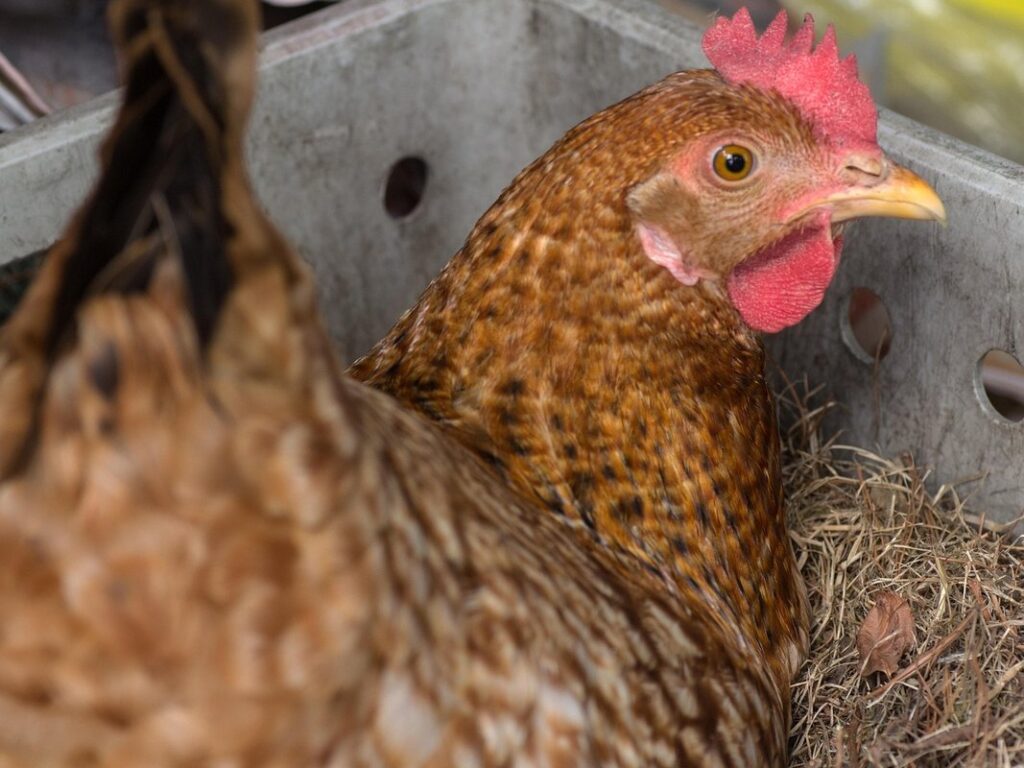
The Biology of Egg Laying
When it comes to laying eggs, hens have a remarkable process that’s both fascinating and essential to their survival. Let’s take a closer look at the intricate biology behind this daily miracle.
How Chickens Produce Eggs
At the heart of every egg-laying hen is a complex reproductive system that works tirelessly to produce eggs. The process begins with the hen’s ovaries, where yolks are released and mature over several days. These yolks then travel through the oviduct, a muscular tube that coils around the cloaca, where they pick up layers of albumen (egg white) and shell membranes.
As the egg moves through the oviduct, it’s shaped by the uterine muscles and receives its final layer of protection – the eggshell. This entire process is regulated by hormones, primarily estrogen and progesterone, which stimulate ovulation and guide the egg’s development.
Egg-laying is a vital function for hens, serving as both a means of reproduction and nutrient replenishment. In fact, it’s not uncommon for hens to lay over 300 eggs in their first year alone! To support healthy egg production, hens need a balanced diet rich in calcium, vitamins, and minerals.
When choosing an egg-laying breed, consider factors like egg size, color, and frequency of lay. Some popular breeds include Leghorns, Rhode Island Reds, and Barred Rocks. By understanding the intricacies of chicken reproductive systems, you’ll be better equipped to provide your flock with optimal care – and enjoy an abundance of fresh eggs in return!
Factors Influencing Egg Production
When it comes to egg production, many factors come into play. The breed of chicken is one significant influencer. Some breeds are bred specifically for high egg production, such as Leghorns, which can lay up to 300 eggs per year. On the other hand, heritage breeds may only lay a fraction of that number.
Age also plays a crucial role in egg production. Hens typically reach their peak egg-laying years between two and five years old. As they age, their egg production will gradually decline. This is why many commercial farms replace hens with new ones after three to four years.
Nutrition and health are also essential factors. A balanced diet that includes a mix of proteins, carbohydrates, and vitamins will support healthy egg-laying. But poor nutrition or underlying health issues can lead to decreased egg production or even stop it altogether. For example, vitamin D deficiency is known to impact eggshell quality and calcium metabolism.
Environmental conditions, such as lighting, temperature, and space, also have an impact on egg production. Hens need adequate light to produce eggs, but too much light can be stressful. Temperature extremes, whether hot or cold, can also affect their ability to lay eggs.
The Life Cycle of an Egg
When a hen lays an egg, it’s not just a sudden event – it’s the culmination of a remarkable process that begins deep within her reproductive system. The life cycle of an egg starts with yolk formation, which occurs in the hen’s ovaries around 24-48 hours before laying. From there, the yolk travels through the oviduct, where it’s surrounded by albumen (egg white) and then a layer of shell membranes.
The entire process from yolk formation to laying can take anywhere from 24 to 26 hours. But what happens if an egg is not laid promptly? If an egg is retained in the hen for too long – typically more than two days – it may be reabsorbed by her body, or it may undergo a process called “retention,” where the shell begins to dissolve and the contents are released back into the oviduct.
In either case, the quality of the egg will degrade significantly, making it unsuitable for consumption. So, to ensure you get the best eggs from your flock, it’s essential to monitor their health and provide a stress-free environment that promotes regular laying cycles.
Types of Eggs and Their Characteristics
Let’s crack open the fascinating world of eggs, where each type boasts unique characteristics that set them apart from one another. We’ll delve into the differences between them in this next section.
Differences Between White, Brown, and Blue Eggs
When it comes to egg color, you might notice that not all eggs are created equal. The most common colors found in hen’s lays are white, brown, and blue eggs. But what causes these differences? It all comes down to genetics.
White eggs owe their color to a lack of pigmentation in the shell membrane. This is often seen in breeds such as Leghorns, which produce eggs that are completely free of any yellow or brown tint. On the other hand, brown eggs get their characteristic color from the presence of two types of melanin: eumelanin and pheomelanin. These pigments are responsible for producing a range of shades, from light golden to deep chocolate.
Blue eggs, on the other hand, have a unique genetic trait that causes the production of a pigment called protoporphyrin IX. This is often seen in breeds such as Araucanas and Ameraucanas. But don’t worry – the differences in egg color don’t affect their nutritional value or taste. So go ahead and try out different varieties to see which one you prefer!
Egg Size: What Does it Mean?
When it comes to egg size, many backyard chicken enthusiasts and consumers alike wonder what factors determine this seemingly simple characteristic. The truth is that several variables come into play, affecting the ultimate size of an egg.
Breed is one of the primary factors influencing egg size. Some breeds, such as Leghorns, tend to lay smaller eggs due to their genetic makeup. On the other hand, larger breeds like Orpingtons and Australorps can produce bigger eggs. This disparity in egg size is directly linked to the breed’s genetic predisposition.
Age also plays a significant role. Younger hens will typically lay smaller eggs than older ones as they mature. Nutritionally, hens require a balanced diet rich in protein and calcium to produce large, healthy eggs. A lack of essential nutrients can lead to smaller egg sizes or affect overall health. Lastly, the health of the hen also impacts egg size – an underweight or stressed hen is less likely to lay large eggs.
Understanding these factors can help you better manage your flock’s productivity and well-being. By optimizing nutrition and ensuring proper health, you may notice improvements in egg size over time.
Chicken Breeds and Egg Production
When it comes to egg production, not all chickens are created equal. Let’s explore how different chicken breeds impact the number of eggs your flock lays each day.
Popular Breeds for Backyard Flocks
When it comes to selecting breeds for your backyard flock, some stand out from the rest when it comes to egg production. Leghorns, for example, are one of the most popular breeds among backyard chicken keepers due to their incredible laying capacity. On average, a healthy Leghorn hen can lay around 300 large white eggs per year, making them an excellent choice for those seeking a high-volume egg supply.
Another top contender is the Rhode Island Red, known for its rich, dark brown eggs and robust laying abilities. These hens typically produce around 200-220 eggs per year, with some exceptional individuals reaching up to 250 or more. Barred Rocks are also a favorite among backyard chicken enthusiasts, with their friendly demeanor and impressive egg-laying capacity of around 200-220 eggs annually.
These breeds not only offer high egg production but also tend to be relatively low-maintenance and easy to care for, making them perfect for beginners or those new to backyard chicken keeping. When choosing the right breed for your flock, consider factors such as climate, space availability, and personal preferences to ensure a harmonious coexistence between you and your feathered friends.
Characteristics of Heritage Breeds
Heritage breeds are often overlooked in favor of commercial egg-layers, but they offer unique characteristics and histories that make them well-suited for small-scale farming. These breeds have been developed over centuries to thrive in specific environments and conditions, making them incredibly resilient.
Some notable examples include the Marans, with their dark chocolate eggs, and the Barnevelder, which lays rich-brown eggs. Both of these breeds are known for their docile nature, making them a great choice for backyard flocks. The Ayam Cemani is another breed worth mentioning, prized for its sleek black plumage and ability to lay large, dark-brown eggs.
When considering heritage breeds for your farm, it’s essential to research the specific needs of each breed. Some may require more space or specialized care than others, so be sure to factor these requirements into your planning. By choosing a heritage breed, you’ll not only be preserving a piece of history but also producing eggs with distinct characteristics that will set them apart from commercial offerings.
Health Considerations and Egg Laying
When it comes to egg laying, some hens may be more prone to health issues due to their genetics or living conditions. Let’s explore how these factors can impact your hen’s overall well-being and egg production.
Common Issues Affecting Egg Production
Hens’ ability to lay eggs can be affected by various health issues that can be easily overlooked. One common problem is external parasites like mites and lice, which feed on the hen’s blood, causing anemia and discomfort. These pests are often brought into the coop on new birds or equipment. To identify them, look for excessive scratching, loss of feathers, or a pungent odor.
Respiratory infections can also impact egg production. Bacterial or viral infections like Avian Influenza can cause hens to stop laying eggs altogether. Symptoms include coughing, sneezing, and labored breathing. If you suspect an infection, isolate affected birds immediately and seek veterinary advice.
Nutritional deficiencies are another common issue. A diet lacking essential vitamins and minerals can lead to reduced egg production or even complete cessation of laying. Common deficiencies include calcium for strong eggshells and vitamin D3 for bone health. Ensure your hens’ feed is rich in these nutrients, and supplement with oyster shells if necessary.
Regular checks for droppings, feathers, and overall appearance will help you catch any issues early on. Keep a keen eye out for unusual behaviors or changes in your flock’s habits to maintain their egg-laying health.
Managing Stress for Optimal Egg Lay
Stress can have a significant impact on hens’ egg production. When hens are under stress, their bodies divert energy away from laying eggs to focus on survival. This is known as the “fight or flight” response, where the body releases hormones like cortisol and adrenaline, causing the hen’s reproductive cycle to slow down.
To minimize stress levels in your flock, it’s essential to create a peaceful environment. Provide ample space for hens to roam, exercise, and engage in natural behaviors such as scratching and foraging. A balanced diet that includes adequate calcium and protein will also help support their overall health and egg production. Regular veterinary check-ups can identify underlying issues before they become major problems.
Some practical tips include:
* Providing a consistent routine and reducing changes in the coop or run
* Reducing noise levels by using quiet feeders or moving them away from high-traffic areas
* Offering plenty of fresh water and clean food to reduce competition and stress related to resource scarcity
By implementing these simple strategies, you can help create a more relaxed environment for your hens, which in turn will support optimal egg production.
Nutrition and Supplements
When it comes to maximizing the nutritional benefits of your chicken eggs, let’s talk about what you can do on the inside and outside to boost their value. We’ll explore essential vitamins and minerals to consider adding to your hen’s diet.
Essential Nutrients for Egg Production
For optimal egg production, hens require a balanced diet rich in essential nutrients. At the top of this list is protein, which makes up approximately 15% of an egg’s dry matter. Adequate protein levels ensure strong eggshell formation and supports overall health. Chickens also need calcium to build and maintain their bones and shells; a hen can absorb around 1-2 grams of calcium per day from her feed.
Vitamins A, D3, E, and K are also crucial for egg production. Vitamin A maintains healthy skin and vision in hens, while vitamin D3 aids in the absorption of calcium. Vitamins E and K help protect against cell damage and support immune function. In terms of minerals, phosphorus supports energy metabolism, magnesium promotes muscle function, and iron ensures proper oxygen delivery to cells.
To ensure your flock receives these essential nutrients, consider offering a balanced layer feed or supplement their diet with fresh fruits and vegetables. Some excellent options include crushed oyster shells for calcium boosters, dark leafy greens like kale and spinach for vitamins A and K, and sunflower seeds for magnesium. Always introduce new foods gradually to prevent digestive upset and ensure optimal absorption.
Homemade Feed Recipes for a Healthy Flock
Creating homemade feeds for your backyard flock is not only cost-effective but also allows you to ensure that your hens are getting the nutrients they need. When using locally sourced ingredients, choose items that are rich in protein, fiber, and vitamins to create a balanced diet.
You can start by mixing together grains like oats, barley, or wheat with legumes such as beans or lentils for added protein. Add some leafy greens like kale or spinach for essential vitamins and minerals. For example, a simple recipe could be: 2 cups of oats, 1 cup of milled barley, 0.5 cups of sunflower seeds, 0.25 cups of flaxseeds, and 0.25 cups of chopped kale.
Some additional tips to keep in mind when creating your own feed are to avoid using moldy or spoiled ingredients, as these can be toxic to hens. Also, it’s essential to provide a source of calcium for strong eggshells, such as crushed oyster shells or dark leafy greens like collard or mustard greens. Regularly switching up the ingredients will also help ensure your flock stays healthy and happy, and that their eggs are full of flavor and nutrients.
Conclusion and Final Tips
Now that you’ve learned all about the incredible journey of a hen laying an egg, let’s summarize what we’ve covered and provide some final tips to make your life easier.
Recap of Key Takeaways
As we conclude our comprehensive guide to chicken eggs, let’s recap the key takeaways from each section. Remember that understanding the amazing world of chicken eggs is just the first step – now it’s time to put this knowledge into practice.
From our discussion on breed selection, you should remember that choosing the right breed for your backyard flock depends on several factors, including climate, available space, and egg-laying goals. Consider breeds like Leghorns or Rhode Island Reds for high egg production or Wyandottes for their unique eggshell colors.
In terms of nutrition and health, remember to provide a balanced diet rich in protein and calcium, as well as regular access to fresh water and opportunities for exercise. A happy and healthy flock will reward you with an abundance of delicious eggs.
Lastly, don’t be afraid to get started – whether it’s building your first coop or improving your existing backyard flock. With proper care and attention, you can enjoy the many benefits of raising chickens and collecting fresh eggs right in your own backyard.
Additional Resources for Further Learning
If you’re eager to dive deeper into the fascinating world of chicken eggs and learn more about hen lays an egg, I’ve got some fantastic resources for you. As a starting point, I recommend checking out “The Backyard Chickens” website, which offers a wealth of information on chicken husbandry, breeding, and health.
For those interested in learning more about egg production, the University of California’s Cooperative Extension provides an excellent guide to backyard poultry management. This comprehensive resource covers topics such as flock selection, nutrition, and disease prevention.
If you’re looking for hands-on experience, consider enrolling in a local chicken-keeping workshop or online course. Websites like Udemy, Coursera, and edX often feature courses on animal husbandry and sustainable agriculture that can provide valuable insights into chicken egg production.
Additionally, the National Poultry Board offers certification programs for backyard flock owners, which can help you improve your knowledge and skills in managing a healthy and productive flock. By taking advantage of these resources, you’ll be well on your way to becoming an expert on chicken eggs and hen lays.
Frequently Asked Questions
Can I start a backyard flock with just one or two chickens, or do I need multiple hens to ensure consistent egg production?
While it’s possible to start with one or two chickens, having a larger flock can help distribute the workload and ensure consistent egg production. A good rule of thumb is to have at least 3-4 hens per person in your household for a reliable supply of eggs.
How long does it take for a new hen to begin laying eggs after introducing her to the flock?
Newly introduced hens typically take around 18-24 weeks to start laying eggs, depending on factors like breed, nutrition, and overall health. Keep in mind that some breeds, like Leghorns, may start producing eggs earlier than others.
What are the most common health issues affecting egg-laying chickens, and how can I prevent them?
Common health issues include respiratory problems, mites, lice, and reproductive issues. To prevent these problems, ensure your flock has access to clean water, a balanced diet, and regular veterinary check-ups. Keeping a clean coop and run, as well as providing adequate ventilation, can also help maintain good health.
Can I use store-bought feed exclusively for my laying hens, or do they require specialized nutrition?
While store-bought feed can provide essential nutrients, it may not offer the optimal balance of vitamins and minerals needed for peak egg production. Consider adding supplements like oyster shells, calcium powder, or probiotics to enhance their diet.
How often should I collect eggs from my coop, and what’s the best way to handle broken or dirty eggs?
Collect eggs daily to prevent damage and maintain cleanliness. Handle broken or dirty eggs carefully to avoid contamination; dispose of them promptly, washing your hands thoroughly after handling any affected eggs.