
Are you considering raising chickens in your backyard? Or maybe you’re just curious about these fascinating creatures? Either way, understanding what makes a hen tick is essential. But before we dive into the world of hens, let’s start with the basics: what exactly is a hen? A hen is essentially an adult female chicken that has reached maturity and can lay eggs. But there’s more to being a hen than just laying eggs – it requires specific care, nutrition, and attention.
In this article, we’ll take you through everything you need to know about hens, from their life cycle and nutritional needs to breeding and egg production. We’ll cover the essential tips for raising happy and healthy hens in your backyard, so whether you’re a seasoned chicken owner or just starting out, you’ll find valuable insights and advice here.
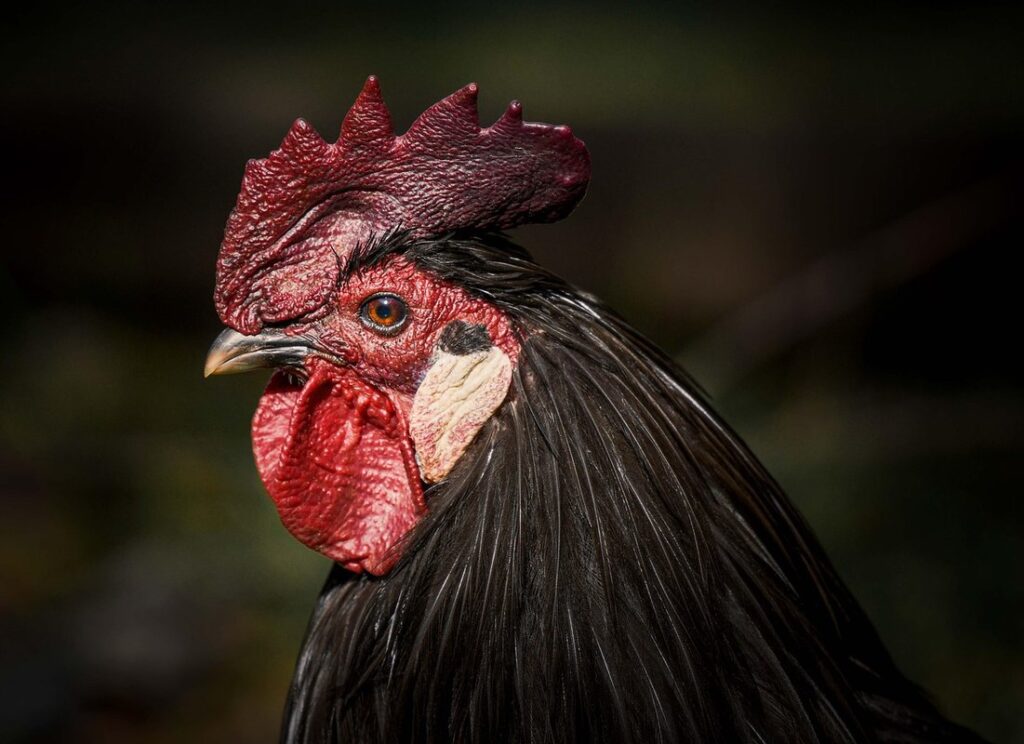
The Basics of Chickens and Hens
Let’s start by understanding the basics of chickens and hens, where we’ll explore the fundamental differences between these two terms and what they mean in a backyard flock. We’ll also cover the essential characteristics of each.
Types of Female Chickens
When it comes to understanding female chickens, it’s essential to know that not all females are hens. A hen is a specific type of mature female chicken, typically over one year old, who has laid eggs and has developed certain characteristics. This sets them apart from younger females, known as pullets, or male chickens, which include roosters.
There are many breeds of hens, each with its unique characteristics, temperaments, and abilities. Some popular breeds include Leghorns, known for their high egg production; Orpingtons, prized for their friendly nature and large size; and Silkies, famous for their fluffy feathers and gentle disposition. Other breeds like Araucanas and Ameraucanas lay blue eggs due to a genetic trait.
When choosing a hen breed, consider factors such as climate, available space, and your personal preferences. For instance, if you live in a hot region, a heat-tolerant breed like the Leghorn might be an excellent choice.
Identifying a Hen
When it comes to identifying a hen, there are several physical and behavioral characteristics you can look out for. One of the most noticeable differences is their plumage. Hens have a more vibrant and varied color palette compared to roosters, with many breeds featuring intricate patterns and designs on their feathers.
In terms of size, hens are generally smaller than roosters, but this can vary depending on breed. On average, a mature hen will weigh between 3-4 pounds and stand around 20-24 inches tall.
Their temperament is also an easy way to tell if you have a hen or not – they tend to be more docile and less aggressive than roosters. You’ll often find them foraging peacefully on the ground, scratching for bugs and seeds.
Another key characteristic of hens is their egg-laying ability. Female chickens are capable of laying eggs, with some breeds producing multiple eggs per day. This can make them incredibly valuable assets to backyard chicken keepers and farmers alike.
If you’re still unsure whether you have a hen or not, simply observe its behavior over time. Hens tend to be more laid-back and less dominant than roosters, making them easier to get along with – especially if you’re new to raising chickens.
The Life Cycle of a Hen
A hen’s life cycle is a remarkable journey that spans several stages, each with its own unique characteristics and developments. It all begins when a hen lays an egg, which is then incubated for about 21 days until it hatches into a chick. At this stage, the chick is completely dependent on its mother for warmth, food, and protection.
As the chick grows, it develops feathers, learns to scratch and peck, and becomes more mobile. Around 4-6 weeks old, the chick starts to leave the nest and explore its surroundings. This is a critical period in a hen’s life, as she begins to learn important survival skills and establish her place within the flock.
By around 16-20 weeks, the young hen has matured into a juvenile bird, with most of its adult features developed. At this stage, it’s essential for the owner to ensure proper nutrition, healthcare, and socialization to help her grow into a healthy and well-adjusted adult hen. With regular care and attention, a hen can live up to 5-7 years or more in ideal conditions.
Nutrition and Diet for Hens
To keep your hens healthy and happy, it’s essential to understand their dietary needs, which can vary depending on age, breed, and purpose. We’ll explore what a hen’s ideal diet looks like in this section.
Understanding Your Hen’s Dietary Needs
When it comes to keeping hens, providing a balanced diet that meets their nutritional requirements is crucial for their overall health and well-being. A hen’s dietary needs are often overlooked, but understanding what they require will help ensure you’re giving them the best possible start in life.
Protein is an essential nutrient for hens, and it plays a vital role in maintaining their muscles, feathers, and egg production. Laying hens need around 16-18% protein in their diet, while meat birds require about 22%. You can provide this by feeding them high-protein grains like oats or barley, as well as including treats like mealworms or sunflower seeds.
Calcium is also a vital nutrient for hens, particularly those that are laying eggs. It’s essential for building strong bones and eggshell development. To ensure your hen gets enough calcium, add crushed oyster shells or limestone to their feed, or provide a separate block of calcium-rich grit.
By providing a balanced diet rich in protein and calcium, you’ll be giving your hens the best possible chance at a happy and healthy life.
Types of Food for Hens
When it comes to feeding your hens, you have several options to consider. Commercial feed is a popular choice and provides a balanced diet for hens. However, many backyard chicken keepers opt for adding fruits, vegetables, and grains to their flock’s menu. For example, leafy greens like kale and spinach are rich in calcium and vitamins A and K, making them an excellent addition to your hens’ diet.
You can also give your hens treats like apples, carrots, and sweet potatoes, but be sure to introduce new foods gradually to prevent digestive issues. Grains such as oats and barley provide fiber and nutrients, while supplements like oyster shells offer a calcium boost for strong eggshell production.
Consider the following tips when feeding your hens:
* Rotate fruits and vegetables regularly to ensure a diverse diet
* Limit treats to 10% of their daily intake to avoid overfeeding
* Store feed and supplements in dry areas to maintain freshness
* Consult with a veterinarian or poultry expert if you have specific dietary concerns
Feeding Tips and Best Practices
When it comes to feeding your hen, there are several factors to consider to ensure she’s getting all the nutrients she needs. First and foremost, you’ll want to establish a regular feeding schedule. Most hens require two main meals per day, but some may prefer three smaller meals. It’s essential to observe your hen’s behavior and adjust her feeding schedule accordingly.
A good rule of thumb is to provide 1/4 cup of layer feed per pound of body weight per day. For example, if you have a 3-pound hen, she’ll need about 3/4 cup of layer feed per day. However, this amount may vary depending on your hen’s age, breed, and level of activity.
In addition to providing enough food, it’s also crucial to introduce fresh fruits and vegetables into her diet. These can be given as treats or mixed with her regular feed. Some examples of healthy options include leafy greens like kale and spinach, carrots, apples, and berries. Always make sure to introduce new foods gradually to prevent digestive upset.
It’s also worth noting that hens have different nutritional needs at various stages of their lives. For example, young pullets require a starter feed rich in protein, while laying hens need a balanced layer feed with calcium for strong eggshell production.
Health and Hygiene for Happy Hens
To ensure your hens live happy, healthy lives, it’s essential to provide them with a clean environment, fresh food, and regular veterinary care to prevent common health issues. We’ll cover these crucial aspects next.
Common Health Issues in Hens
Hens can be prone to various health issues if not properly cared for. One common problem is parasites such as mites and lice, which feed on their blood and cause discomfort. To prevent this, it’s essential to regularly check your hens’ feathers and provide a clean living environment.
Respiratory issues are another concern, particularly in areas with high humidity or poor ventilation. Pneumonia and bronchitis can be caused by bacteria, viruses, or even environmental toxins. Keeping the coop well-ventilated and ensuring access to fresh air can help mitigate this risk.
Egg-binding is a critical issue that can lead to serious health complications if left untreated. This occurs when an egg becomes stuck in the hen’s reproductive tract, causing pain and distress. To avoid egg-binding, provide a balanced diet rich in calcium and maintain a clean environment. Monitor your hens’ behavior and take prompt action if you notice any signs of discomfort or lethargy. Regular veterinary check-ups can also help identify potential health issues early on.
Maintaining a Clean Coop
When it comes to keeping your hens happy and healthy, maintaining a clean living environment is crucial. A dirty coop can lead to diseases, stress, and even the spread of parasites among your flock. That’s why regular cleaning and disinfection are essential tasks for every backyard chicken keeper.
Create a schedule to clean your coop at least once a week, depending on the size of your flock and the space available. Set aside time to remove soiled bedding, droppings, and any uneaten food from the previous day. Disinfect all surfaces with a solution of 1 part white vinegar to 9 parts water or a commercial disinfectant specifically designed for poultry coops.
Effective waste management is also vital in maintaining a clean coop. Consider using a separate bin for soiled bedding and droppings, making it easier to remove them during cleaning sessions. Additionally, ensure proper ventilation by installing windows or vents to allow fresh air to circulate within the coop. By following these steps, you’ll create a healthy living environment that promotes your hens’ well-being and keeps diseases at bay.
Providing Adequate Ventilation and Light
When it comes to creating a happy and healthy environment for your hens, proper ventilation and lighting are crucial. A well-ventilated coop ensures that stale air is removed and fresh air circulates, which helps to prevent respiratory problems such as ammonia poisoning and cold stress.
To ensure adequate airflow, consider installing windows or vents in the coop that allow for natural light and air circulation. You can also use fans to supplement ventilation during hot summer months. It’s essential to maintain a balance between air exchange and temperature control to keep your hens comfortable.
In addition to ventilation, proper lighting is vital for your hens’ overall health. Natural light helps regulate their circadian rhythms, while artificial lighting provides supplemental illumination when natural light is scarce. Consider installing LED lights or using sunlight-enhancing windows to provide a balanced lighting environment.
Aim for at least 10-15 minutes of direct sunlight per day, and supplement with artificial lighting during the winter months. This will help promote egg-laying, reduce stress, and keep your hens happy and healthy.
Breeding and Rearing Hens
When it comes to raising hens, understanding their breeding and rearing is crucial for any backyard flock owner looking to produce healthy and happy birds. This process starts with selecting suitable parents for your flock.
Choosing the Right Breed
When it comes to choosing the right breed of hen for your needs, there are several factors to consider. If you’re looking to raise hens for egg production, you’ll want to choose a breed that’s known for its high egg-laying capacity. Some popular breeds include Leghorns, which can lay up to 300 eggs per year, and Orpingtons, which produce around 200-220 eggs annually.
On the other hand, if you’re interested in raising hens for meat production, you’ll want to choose a breed that’s specifically bred for its size and weight. Breeds like Plymouth Rock and Cornish Cross are popular choices due to their fast growth rate and high yields.
Ornamental breeds, on the other hand, are often chosen for their unique appearance or feather patterns. These hens may not be as productive in terms of eggs or meat, but they can add a decorative touch to your backyard flock.
Before making a decision, consider factors like climate, space, and personal preference when selecting the right breed of hen for you.
Caring for Young Chicks
Young chicks require specialized care during their first few weeks of life. Brooding, which involves providing a warm and safe environment for them to grow, is crucial. A heat source such as a heat lamp or brooder should be positioned near the chicks at all times, especially during the first week when they’re most vulnerable to cold stress.
Feedings are another vital aspect of caring for young chicks. Starter feed, which has higher protein levels than layer feed, is recommended until about four weeks old. Provide plenty of fresh water at all times and ensure the feeding troughs are clean and easily accessible.
Socialization is also essential for young chicks. They need to be handled gently but regularly from a young age to help them become tame and friendly adult hens. Start by placing your hands in the brooder for short periods, then gradually increase handling time as they grow more confident.
Integrating New Hens into Your Flock
Introducing new hens into an existing flock can be a challenging process. It’s essential to do it correctly to minimize stress and conflicts among the birds. When bringing home a new hen, start by keeping her separate from the rest of the flock for a few days. This allows you to monitor her behavior and acclimate her to your environment without causing chaos.
During this initial separation period, provide the new hen with all the necessities, including food, water, and shelter. Ensure that she has access to a clean and safe area where she can eat and rest without feeling threatened or intimidated.
Once the new hen seems comfortable in her temporary quarters, start introducing her to the existing flock under close supervision. Begin by allowing them to see each other through a fence or gate, gradually increasing their interaction time over the next few days. Watch for signs of aggression or stress, such as hissing, growling, or fighting. If you notice any of these behaviors, separate the birds immediately and restart the introduction process.
Remember that integrating new hens into your flock requires patience and persistence. With careful planning and gradual introductions, you can create a harmonious and happy community among your feathered friends.
Egg Production and Handling
Understanding how hens produce eggs and are handled is essential for any aspiring chicken keeper, so let’s dive into the world of egg production. We’ll explore the fascinating process behind egg laying and what you can do to ensure your girls stay happy and healthy.
Understanding Egg Laying Cycles
When it comes to egg production, hens have an intricate process that involves hormones, nutrition, and overall health. The laying cycle typically lasts around 24-26 hours, during which the hen’s ovary releases a yolk, and the oviduct produces a shell. However, factors such as breed, age, diet, and stress levels can significantly influence laying frequency and quality.
For example, Leghorn hens are known to lay eggs more frequently than heavier breeds like Orpingtons. Younger hens will also produce more eggs per year compared to older ones. Nutritional deficiencies or excesses can also impact egg production – a diet rich in calcium and protein is essential for healthy laying. Stressors like overcrowding, disease, or extreme temperatures can cause a hen’s laying cycle to slow down or even stop.
To promote optimal egg production, provide your hens with a balanced diet, plenty of space to roam, and maintain good flock health practices. This includes regular vaccinations, parasite control, and monitoring for signs of stress or illness.
Collecting and Storing Eggs
Collecting and storing eggs correctly is crucial to maintaining their quality and ensuring they remain safe for consumption. When collecting eggs from the coop, it’s essential to handle them gently to avoid cracking the shells. Start by checking the nesting boxes frequently to catch any newly laid eggs before other hens may sit on them. Gently pick up the eggs with your clean hands or a slotted spoon, taking care not to touch the eggshells directly.
For safe storage, it’s recommended to store eggs in their original cartons or containers at a consistent refrigerator temperature of 40°F (4°C) or below. Keep the eggs pointed end down and don’t overcrowd them, as this can cause moisture buildup and lead to spoilage. Store them on the middle or bottom shelf of the fridge for optimal preservation.
To maintain egg freshness, store eggs away from strong-smelling foods like fish and onions, which can transfer odors to the eggs. Regularly cleaning and disinfecting your coop and storage containers will also help prevent bacterial contamination and keep your eggs fresh for a longer period.
Tips for Increasing Egg Production
To optimize your hen’s performance and increase egg production, it’s essential to create an environment that supports their natural behaviors. Start by providing a balanced diet rich in protein, calcium, and other essential nutrients. Ensure they have access to fresh water at all times, as dehydration can significantly impact egg production.
Regular exercise is also crucial for hens’ health and productivity. Allow them to free-range or provide a spacious enclosure where they can roam freely. This will not only keep them active but also stimulate their natural behaviors, such as foraging and scratching.
Another critical factor is maintaining a comfortable temperature range between 40°F and 80°F (4°C and 27°C). Extreme temperatures can cause stress, leading to decreased egg production. Monitor your hens’ health closely and implement measures to prevent common issues like mites, lice, and respiratory infections.
Lastly, ensure adequate lighting, as it regulates the hens’ circadian rhythms. Aim for a photoperiod of 14 hours of light and 10 hours of darkness to promote egg-laying. By implementing these simple tips, you can significantly boost your hen’s egg production and overall well-being.
Conclusion: The Joy of Keeping Hens
Now that you’ve learned all about what makes a hen so unique, let’s wrap up by exploring the simple joys and benefits of keeping hens as backyard companions.
Recap of Key Takeaways
As we wrap up our comprehensive guide to understanding these amazing birds, let’s take a moment to recap the key takeaways. You now have a solid foundation of knowledge about what makes a hen so unique and special.
We’ve explored the fascinating world of chicken domestication, from their wild ancestors to the incredible diversity of breeds that exist today. You know how hens are social creatures that thrive in flocks, communicating with each other through a complex system of clucks, chirps, and body language.
You also understand the importance of nutrition and health, recognizing the vital role that quality feed plays in keeping your feathered friends happy and healthy. We’ve discussed the basics of hen behavior, including their natural foraging habits and instinct to scratch and peck at the ground.
As a result of this newfound knowledge, you’re now better equipped to provide your hens with the best possible care. Whether you’re a seasoned backyard farmer or just starting out, we hope you’ll find joy in keeping hens and appreciate the many benefits they bring to our lives – eggs, companionship, and endless entertainment!
Encouraging New Backyard Chicken Keepers
If you’ve made it through this comprehensive guide and are now itching to join the world of backyard chicken keeping, congratulations! You’re not alone. Many people are drawn to the joys of raising hens for their eggs, companionship, or simply the satisfaction of caring for a living creature.
First and foremost, welcome to the flock! If you’re new to chicken keeping, it’s essential to start with the basics: research local regulations regarding backyard chickens in your area. Some municipalities have specific rules about the number of hens allowed per household, noise restrictions, or other requirements. Be sure to check with your local government before bringing home your first feathered friend.
Once you’ve cleared that hurdle, it’s time to start thinking about the logistics of keeping a flock. Consider the size of your yard, the climate in your area, and how much space and resources you can devote to caring for your hens. Don’t forget to factor in the initial investment, including coop and run construction, as well as ongoing expenses like feed and supplies.
As you embark on this new adventure, remember that it’s okay to start small. Begin with a few hens and learn as you go. You can always add more birds or expand your flock as you gain experience and confidence. With patience, practice, and a willingness to learn, you’ll be well on your way to becoming a seasoned chicken keeper in no time.
Frequently Asked Questions
Can I raise hens with other pets, such as dogs or cats?
Yes, it’s possible to integrate hens with other pets, but it requires careful consideration of their compatibility. Make sure your existing pets are not hunting birds or causing stress to the hens. Also, ensure the coop is safe and secure for both the pets and the hens.
How often should I collect eggs from my hens?
Collecting eggs regularly can help maintain a clean environment and encourage hens to continue laying eggs. It’s recommended to check for eggs daily, ideally morning or evening when hens are most active. Clean and store eggs properly to prevent breakage and contamination.
What should I do if my hen stops laying eggs?
If your hen suddenly stops laying eggs, it could be due to various reasons such as nutritional deficiencies, stress, or health issues. Check the hen’s diet and ensure access to balanced nutrition. Also, provide a stress-free environment by maintaining a clean coop and adequate ventilation.
Can I keep hens in small spaces like apartments or balconies?
Yes, you can keep hens in small spaces if you choose breeds suitable for confined areas, such as bantams or dwarf chickens. However, ensure the space provides enough room for movement, access to natural light, and adequate ventilation to maintain a healthy environment.
How do I introduce new hens to an existing flock?
Introducing new hens to an existing flock requires careful planning to avoid conflicts. Quarantine the new birds before introducing them to the main flock. Also, ensure the coop has enough space for all hens and provide separate feeding areas to reduce competition and stress.