
If you’re raising laying hens, you’re likely curious about their egg-laying abilities. After all, knowing how many eggs to expect from your flock can help you plan and optimize your poultry farm’s output. But did you know that different breeds of chickens have varying capacities for daily egg production? Some hens can lay up to 300 eggs per year, while others may produce as few as 100. Factors like nutrition, health, and breed type all play a role in determining the average daily egg yield. In this article, we’ll delve into the world of laying hens and explore the factors that affect their egg production, providing valuable insights to help you maximize your flock’s productivity and get the most out of your poultry farm.
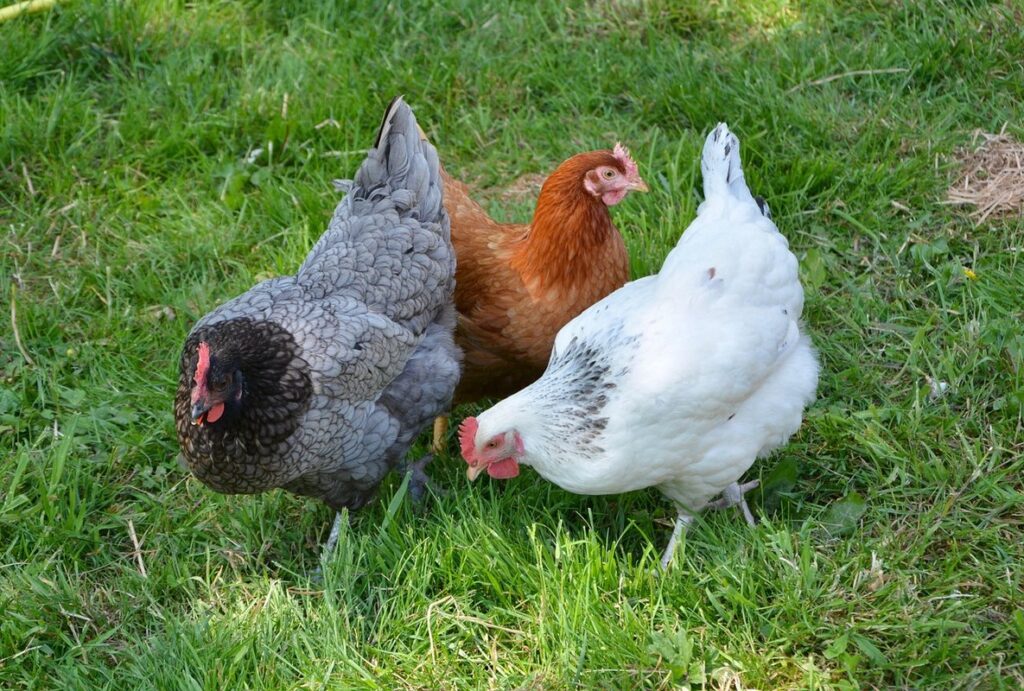
The Basics of Egg Production
To understand how many eggs a laying hen lays per day, let’s first cover some essential basics about egg production and the factors that influence it.
The Biology of Laying Hens
To understand how many eggs a laying hen lays per day, it’s essential to grasp the biology behind egg production. Laying hens’ reproductive systems are specifically designed for this purpose.
At the core of their reproductive system are the ovaries and oviducts. The ovaries produce yolks, which then travel through the oviduct where they’re surrounded by a membrane called the albumen, or egg white. The final step in egg production is the formation of the shell, which is made up of calcium carbonate.
The number of eggs a hen lays per day is largely dependent on her reproductive cycle. Most commercial laying hens go through a reproductive cycle every 24-26 hours, where they release an egg from their ovary and begin producing another yolk in preparation for its release. This process can be affected by factors such as nutrition, light exposure, and stress levels.
While individual breed variations exist, most healthy laying hens will lay around one large brown egg per day. However, this number may vary depending on the specific breed of hen and its production capacity.
Age and Breed Factors
A laying hen’s age and breed can significantly impact its egg-laying capacity. As hens mature, their egg production increases until they reach their peak at around 18-24 months of age. However, this peak is often followed by a gradual decline in egg production.
Some breeds are known for their exceptional egg-laying abilities. For example, Leghorns can lay up to 300 eggs per year, while Rhode Island Reds and Barred Plymouth Rock hens can produce around 200-220 eggs annually. On the other hand, some breeds like Orpingtons and Sussex hens tend to be more laid-back and may only lay around 150-180 eggs per year.
When choosing a breed for your flock, consider their egg-laying capacity as well as other factors such as temperament and hardiness. If you’re looking for high egg production, opt for breeds like Leghorns or Rhode Island Reds. However, if you prefer more gentle and docile hens, breeds like Orpingtons may be a better fit.
Keep in mind that individual results can vary depending on nutrition, health, and living conditions. Provide your flock with optimal care, including a balanced diet and adequate space, to support their egg-laying potential.
Factors Affecting Egg Production
Several key factors influence how many eggs a laying hen lays per day, and understanding these can help you manage your flock effectively. Let’s explore what affects egg production.
Nutrition and Diet
A laying hen’s diet plays a crucial role in determining her daily egg production. Hens require a balanced mix of essential nutrients to maintain their health and fertility. Key vitamins and minerals such as calcium, phosphorus, vitamin D3, and biotin are vital for strong eggshell formation and overall reproductive function.
Proper feeding practices can significantly impact egg yield. For example, providing access to fresh water at all times ensures the hen stays hydrated, which is essential for maintaining a healthy metabolism. It’s also crucial to offer a diverse diet that includes a mix of grains, proteins, and vegetables.
Potential nutrient deficiencies or supplements can influence egg production. A deficiency in calcium, for instance, may lead to soft-shelled eggs or irregular laying patterns. On the other hand, excessive protein intake can cause the hen to redirect energy from egg production towards muscle growth, leading to decreased egg yield.
Health and Hygiene
Maintaining good health and hygiene practices is crucial for ensuring a laying hen’s ability to lay eggs regularly. Diseases, parasites, and environmental factors can significantly impact egg production.
Diseases such as avian influenza, Newcastle disease, and salmonella can spread quickly through contaminated feed, water, or contact with infected birds. Parasites like mites, lice, and internal worms can also weaken the immune system of laying hens, making them more susceptible to disease.
Poor ventilation, overcrowding, and inadequate sanitation in poultry farms contribute to a stressful environment for laying hens, further compromising their ability to produce eggs efficiently. For example, according to a study by the University of California, a hen’s egg-laying performance can decline by up to 30% due to poor living conditions.
To mitigate these risks, poultry farmers should implement robust biosecurity measures, including regular cleaning and disinfection of coops, adequate ventilation systems, and isolation procedures for new birds. Regular health checks, vaccination programs, and parasite control methods are also essential for maintaining a healthy flock. By prioritizing the well-being of laying hens, farmers can optimize egg production and ensure a consistent supply of high-quality eggs.
Average Egg Laying Capacity
The average egg laying capacity of a hen can vary greatly depending on several factors, including breed and individual health. Let’s take a closer look at what to expect from your backyard flock.
Breed-Specific Egg Production
When it comes to egg-laying capacity, different breeds have varying abilities. Commercial breeds like Leghorns are known for their high production rates, laying around 280-300 eggs per year on average. In contrast, Heritage breeds such as Plymouth Rock and Wyandotte produce significantly fewer eggs, with estimates ranging from 200-220 per year.
Other popular breeds like Rhode Island Reds and Barred Rocks fall somewhere in between, producing around 250-270 eggs annually. It’s essential to consider the specific breed when planning for your flock’s egg production needs.
Some breeds are also known for their unique characteristics that impact their egg-laying abilities. For example, Orpingtons have a slower start-up period but continue laying eggs at a steady rate throughout their lives. Meanwhile, Easter Eggers and Ameraucanas produce larger eggs due to their Araucana heritage.
To give you a better idea of the average egg-laying capacity for each breed, here are some estimates based on research:
* Leghorns: 280-300 eggs/year
* Plymouth Rock: 200-220 eggs/year
* Rhode Island Reds: 250-270 eggs/year
* Barred Rocks: 250-270 eggs/year
* Orpingtons: 180-200 eggs/year
Keep in mind that these estimates can vary depending on factors like nutrition, living conditions, and individual bird health.
Factors Affecting Daily Egg Yield
A laying hen’s daily egg production is significantly influenced by various factors that can either boost or hinder her ability to lay eggs. As a responsible backyard chicken keeper, it’s essential to understand these factors and create an optimal environment for your hens.
Firstly, age plays a crucial role in determining a hen’s daily egg yield. Most commercial laying breeds reach their peak production between 18-24 months of age, producing around 280-300 eggs per year. However, individual hens may start laying earlier or later than this average timeframe. It’s also worth noting that as hens get older, their egg production slows down significantly.
Another critical factor is light exposure. Hens need an adequate amount of natural daylight to produce eggs efficiently. A minimum of 14 hours of daylight is recommended for optimal egg production. Conversely, too little or too much light can negatively impact a hen’s ability to lay eggs.
Stress levels and space availability also play a significant role in determining daily egg yield. Hens under stress will not only lay fewer eggs but may also become ill more frequently. Ensure your flock has sufficient space to roam, exercise, and engage in natural behaviors to minimize stress.
On average, a well-cared-for hen will produce around 5-6 eggs per week. However, this number can vary depending on breed, age, nutrition, and environmental factors. By understanding these variables and creating an optimal environment for your hens, you’ll be able to maximize their daily egg production.
Seasonal Variations in Egg Laying
As you explore the daily egg-laying habits of your hens, it’s essential to consider how seasonal changes can impact their productivity. Let’s examine how variations in temperature and daylight hours affect their egg production.
Effects of Light Exposure
When it comes to egg-laying capacity, daylight hours play a significant role. As the days get shorter during winter months, hens may lay fewer eggs due to reduced light exposure. Research suggests that for every hour of daylight lost, egg production decreases by about 1-2%. This means that if your hens are getting an average of 10 hours of daylight in the summer, they might only get 8-9 hours during winter.
To mitigate this effect, many farmers and backyard chicken keepers use lighting systems or supplemental light sources to optimize production. These can be as simple as installing extra lamps in the coop or using specialized grow lights specifically designed for chickens. For example, a study found that hens exposed to 14 hours of supplemental light laid up to 20% more eggs than those without.
When choosing a lighting system, consider the type and duration of light, as well as the age and breed of your hens. Some popular options include LED lights, fluorescent lights, and incandescent bulbs. Experiment with different setups to find what works best for your flock. By providing adequate light exposure, you can help maintain consistent egg production even during the shortest winter days.
Temperature and Humidity Considerations
When it comes to egg production, temperature and humidity levels play a significant role. Temperature fluctuations can impact a hen’s ability to produce eggs, with optimal temperatures ranging from 60°F to 80°F (15°C to 27°C). Temperatures above or below this range can lead to stress, which may cause hens to reduce their egg laying.
For instance, high temperatures can cause hens to stop laying altogether. In a study on heat stress in poultry, researchers found that when temperatures reached 90°F (32°C), egg production dropped by as much as 40%. To maintain optimal conditions, it’s essential to ensure proper ventilation and shade in the coop.
Humidity levels also affect egg production. Hens prefer a relative humidity of around 50-60%, but high humidity can lead to respiratory problems. Low humidity, on the other hand, can cause hens’ skin to dry out and crack. To maintain healthy humidity levels, consider using misting systems or adding water-rich bedding materials like straw.
By paying attention to temperature and humidity fluctuations, you can create an environment that promotes optimal egg production in your laying hens. Remember to monitor temperatures regularly, especially during extreme weather conditions, and adjust the coop accordingly. This will help ensure your hens stay healthy and productive throughout the year.
Managing Egg Production
Now that we’ve discussed how egg-laying hens produce eggs, let’s dive into some practical tips for managing their daily output and maintaining a steady supply.
Flock Management Strategies
To optimize egg production and keep your flock thriving, effective management strategies are essential. Monitoring fertility rates is crucial to maintain a healthy flock. Regular checks on the number of fertile eggs laid can help you identify issues with feed quality or stress levels within the flock. Aim for at least 90% fertility rate to ensure maximum egg production.
Feeding practices also play a significant role in maintaining optimal egg production. A balanced diet rich in nutrients, particularly calcium and protein, will keep your hens healthy and laying eggs regularly. Consider adjusting feeding schedules to accommodate your flock’s growth stages or breeding cycles. For example, layer pellets are designed for mature hens, but younger birds require a starter ration.
Stress levels can significantly impact egg production. Implement stress-reducing measures such as providing adequate space per bird (around 3-4 square feet), rotating the flock to fresh pastures, and ensuring clean living conditions. This will help maintain your flock’s overall health and optimize egg production.
Record Keeping and Monitoring
As you strive to optimize egg production from your laying hens, it’s crucial to prioritize record keeping and regular monitoring. By doing so, you’ll be able to identify areas of improvement, address potential health issues, and make data-driven decisions for the well-being of your flock.
To start with, keep a detailed calendar or spreadsheet that tracks the following:
* The number of eggs laid per day
* Any changes in egg production patterns (e.g., sudden drop-off)
* Health issues or illnesses among hens
* Vaccination schedules and treatments administered
Regular monitoring involves observing your hens’ behavior, diet, and environment. This includes:
* Checking for signs of stress or illness, such as lethargy, changes in droppings, or feather loss
* Monitoring feed consumption and adjusting amounts accordingly
* Maintaining a clean and well-ventilated coop to prevent disease
By keeping these records and monitoring your flock regularly, you’ll be able to identify trends, make adjustments, and ensure the overall health and productivity of your laying hens.
Frequently Asked Questions
How do I determine the optimal breed for my egg-laying needs?
When selecting a breed, consider factors such as climate, available space, and desired egg production levels. Look for breeds that excel in your specific conditions, like Leghorns for high-temperature areas or Orpingtons for smaller spaces.
Can I expect consistent egg production from my hens throughout the year?
No, egg production can vary depending on factors like seasonal changes, nutrition, and health. Monitor your flock’s performance closely and adjust their care accordingly to minimize dips in productivity.
How often should I collect eggs to prevent breakage and maintain cleanliness?
Regular egg collection is crucial for maintaining a clean coop and preventing damage to eggs. Aim to collect eggs at least twice a day, especially during peak laying seasons.
What can I do if my hens’ egg production slows down as they age?
As hens mature, their egg-laying abilities naturally decrease. To minimize this decline, ensure your flock receives a balanced diet rich in calcium and protein. Consider supplementing with vitamins or probiotics to support their aging bodies.
Can I mix different breeds of chickens to maximize egg production diversity?
Yes, mixing breeds can introduce new genetic traits that may enhance overall egg production. However, be cautious when introducing new birds to your flock, as this can also lead to conflicts and stress.