
Are you looking for a reliable and high-performing chicken breed to add to your backyard flock or farm? Look no further than the Rhode Island Red. This beloved breed has been a favorite among farmers and homesteaders for over a century, and it’s easy to see why.
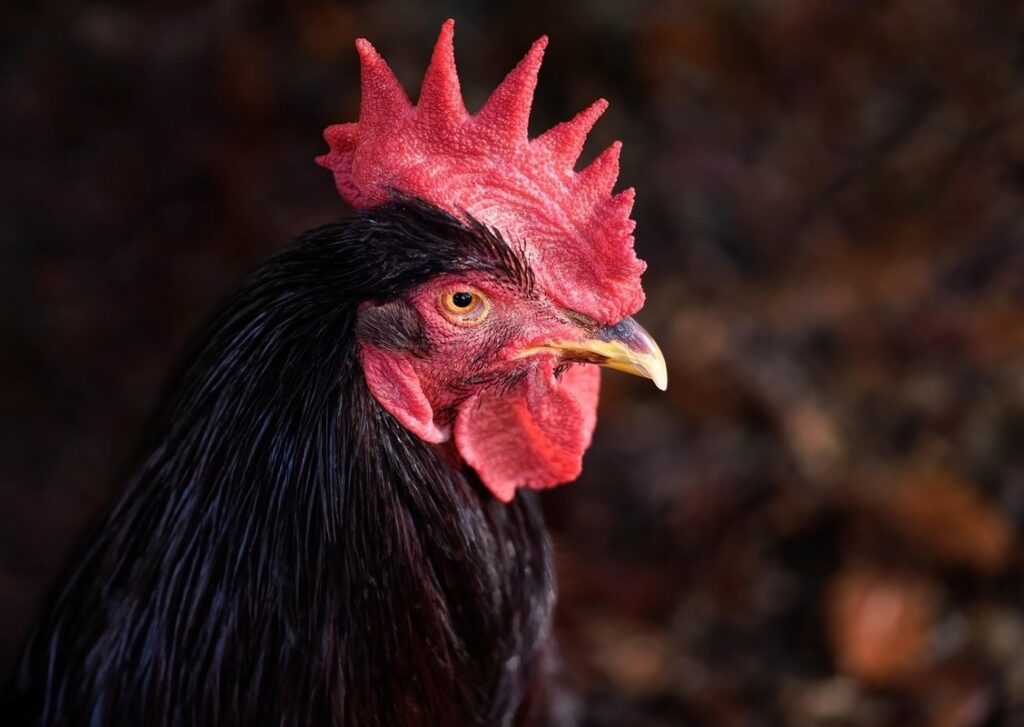
The Rhode Island Red is not only stunning to look at, with its distinctive reddish-brown feathers and striking comb, but it’s also an excellent layer of large, brown eggs. But what really sets this breed apart is its friendly, curious nature – making them a joy to have around the farm or yard.
In this article, we’ll take a closer look at the history, temperament, and egg-laying capacity of the Rhode Island Red chicken breed. Whether you’re just starting out with backyard chickens or are a seasoned farmer looking for a reliable workhorse, this breed is definitely worth considering.
History and Origins of the Breed
The Rhode Island Red has a rich history that spans centuries, originating from the crossbreeding of different fowl species in New England. Let’s take a step back to uncover its fascinating roots.
Early Development in the USA
The Rhode Island Red’s history in the United States began to take shape in the late 19th century. The breed was developed from a combination of game fowl and other chicken breeds, which were brought over by English settlers to the New World. These early birds were valued for their hardiness, adaptability, and impressive egg-laying abilities.
As the Rhode Island Red’s popularity grew, farmers began to recognize its potential as a dual-purpose breed. Not only did it produce an abundance of high-quality eggs, but it also provided meat that was both flavorful and nutritious. The breed’s early development in the USA was largely driven by its ability to thrive in a variety of environments, from small farms to larger commercial operations.
By the mid-1800s, the Rhode Island Red had become a staple on many American farms, with its distinctive red plumage and friendly demeanor making it an instant favorite among farmers and their families. Its adaptability and hardiness also made it an attractive choice for backyard flocks, where it remains a popular breed to this day.
Introduction to the American Poultry Association
The American Poultry Association (APA) has played a pivotal role in recognizing and promoting the Rhode Island Red breed since its inception. Established in 1873, the APA is one of the most esteemed poultry organizations in the United States, dedicated to advancing the art and science of poultry husbandry.
One key aspect of the APA’s involvement with the Rhode Island Red breed is its recognition by the organization as a distinct breed. In fact, the Rhode Island Red was one of the first breeds recognized by the APA, reflecting its early popularity among American farmers and backyard chicken enthusiasts alike. The APA’s certification process involves thorough evaluation of each bird’s conformation, temperament, and production capabilities.
The APA’s promotion of the Rhode Island Red has undoubtedly contributed to its widespread adoption as a favorite breed in America. Today, it remains one of the most popular breeds in the country, prized for its rich history, exceptional egg-laying ability, and endearing personality.
Physical Characteristics and Breed Standards
When it comes to identifying a purebred Rhode Island Red, there are several key physical characteristics and breed standards to look out for. Let’s take a closer look at these distinguishing features together.
Size, Weight, and Plumage
The Rhode Island Red is a medium to large-sized breed, with roosters typically weighing between 7-12 pounds (3.2-5.4 kg) and hens weighing between 6-9 pounds (2.7-4 kg). Their sturdy build and compact frame make them well-suited for small farms or backyards with limited space.
One of the breed’s most striking features is its distinctive red-brown plumage, which is a deep reddish-brown color with black wings and tail feathers. The hackle (neck feathers) and saddle (back feathers) are also adorned with white or light-colored markings, adding to the bird’s unique appearance. When molting, the Rhode Island Red will often retain some of its vibrant red feathers, giving it a stunning layered look.
For backyard chicken keepers, achieving this beautiful plumage is relatively easy: simply provide a balanced diet rich in protein and ensure access to fresh water and adequate sunlight. Regular grooming also helps maintain the bird’s overall health and appearance.
Comb Type and Beak Shape
When it comes to the physical characteristics of the Rhode Island Red chicken breed, one notable feature is their comb type and beak shape. According to the American Poultry Association (APA) breed standard, Rhode Island Reds are classified as having a single-comb, which means they have a single, upright comb on top of their head. This comb is typically bright red in color and should be symmetrical in shape.
In terms of beak shape, Rhode Island Reds are known for having a medium-length, curved beak that is also reddish-brown in color. The APA breed standard notes that the beak should be neither too long nor too short, and should be free from any signs of deformity or crookedness.
It’s worth noting that while these characteristics are defined within the breed standard, individual birds may exhibit some variation. However, when selecting a Rhode Island Red for your flock, look for birds with a well-formed single-comb and a straight, curved beak to ensure you’re getting a bird that meets the breed standard.
Temperament and Personality
When it comes to temperament, Rhode Island Reds are known for being friendly and outgoing, making them a great addition to any backyard flock. But what does that really mean in terms of their personality?
Friendly and Docile Nature
One of the most endearing qualities of the Rhode Island Red breed is their friendly and docile nature. This temperament makes them an excellent choice for families with children, as they are gentle and patient. In fact, many Rhode Island Reds have been known to form strong bonds with their owners, often following them around the yard in search of attention and treats.
Their calm demeanor also makes them a great addition to backyard flocks, as they tend to get along well with other breeds. This is especially important for families who want to raise multiple chickens together. With proper introduction and socialization, Rhode Island Reds can live harmoniously alongside other birds, creating a peaceful and thriving flock.
If you’re considering bringing home a Rhode Island Red, be prepared for their affectionate nature. They love human interaction and will often seek out pets and scratches behind the ears. This breed is truly one of the most charismatic and lovable chicken breeds around, making them a great choice for anyone looking to add some personality to their backyard flock.
Active and Curious
One of the defining characteristics of the Rhode Island Red breed is their boundless energy and curiosity. If you’re considering bringing a Rhode Island Red into your flock, be prepared to provide regular exercise and mental stimulation to keep them engaged and happy.
These birds are not content with simply pecking around in a small backyard or coop – they need room to run, explore, and forage. A daily walk or playtime outside of their enclosure is essential to burn off excess energy and prevent boredom-related behaviors like feather plucking or egg laying disorders.
To keep your Rhode Island Red’s curious nature satisfied, try incorporating activities that mimic their natural behavior in the wild. For example, you can create a scavenger hunt with hidden treats or toys, or set up a “foraging station” with plants and materials for them to peck at. This will not only provide mental stimulation but also keep them physically active and engaged. By catering to their high energy level and curiosity, you’ll be rewarded with a happy, healthy, and charismatic Rhode Island Red companion.
Egg-Laying Capacity and Broodiness
One of the most exciting aspects of owning a Rhode Island Red is their incredible egg-laying capacity, which can be as high as 200 brown eggs per year. Let’s take a closer look at what makes these birds such prolific layers.
High-Egg Production
One of the most appealing characteristics of the Rhode Island Red breed is their impressive egg-laying capacity. On average, a healthy Rhode Island Red hen will lay around 200-220 eggs per year, which translates to about 5-6 eggs per week. This is quite remarkable considering the breed’s moderate size and gentle nature.
In terms of daily production, Rhode Island Reds are known to lay an egg almost every other day, with some hens producing up to 7 eggs in a single week. To give you a better idea, a study conducted by the American Poultry Association found that out of 100 Rhode Island Red hens, 75% laid more than 200 eggs per year.
If you’re planning to keep Rhode Island Reds on your farm or backyard flock, it’s essential to provide them with a balanced diet and adequate space to roam. A well-cared-for Rhode Island Red hen will not only reward you with an abundance of fresh eggs but also become a beloved member of your flock. By understanding their egg-laying capacity and providing the necessary care, you can enjoy the benefits of having these charming birds on your property.
Broodiness and Motherly Instincts
One of the most appealing aspects of owning a Rhode Island Red is their strong motherly instincts. This characteristic makes them an excellent choice for backyard chicken keepers who want to breed and raise chicks naturally. If you’re considering adding this breed to your flock, it’s essential to understand their broody behavior.
Rhode Island Reds are known to be prolific layers, but they also have a natural instinct to incubate eggs. This can lead to some delightful surprises for backyard chicken enthusiasts! If you notice one of your Rhode Island Reds is showing signs of broodiness – such as excessive dust bathing, pacing, and clucking – it’s likely she’s preparing to nest.
To encourage this behavior in your flock, provide a safe and comfortable nesting box with plenty of soft bedding. Also, make sure the nesting box is easily accessible and quiet from other areas of the coop. By doing so, you can help your Rhode Island Reds feel secure enough to go into full broodiness. This will allow them to take care of their eggs naturally and give you the chance to observe this fascinating process up close.
Health Considerations and Lifespan
When it comes to owning a Rhode Island Red, understanding their health needs and average lifespan is crucial for providing optimal care and making informed decisions as a responsible pet owner. Let’s dive into some essential considerations.
Common Health Issues
Like all chicken breeds, the Rhode Island Red is prone to certain health issues that you should be aware of as a responsible owner. Marek’s disease is one such issue that can affect this breed, particularly young chickens. This viral disease can cause a range of symptoms including loss of coordination, paralysis, and even death. To prevent Marek’s disease, ensure your flock is vaccinated regularly and maintain good hygiene practices.
Another common health issue affecting the Rhode Island Red is frostbite. In cold climates, it’s essential to provide adequate shelter and protection from wind and rain. This means investing in a sturdy coop with insulation, bedding, and enough ventilation. You can also take steps to protect your birds’ extremities by providing extra warmth during extreme weather conditions.
Regular health checks are crucial for identifying potential problems early on. Keep an eye out for signs of illness, such as changes in appetite, behavior, or droppings. Consult with a veterinarian if you notice any unusual symptoms, and ensure they have the necessary vaccinations to prevent common diseases like Marek’s. By taking proactive steps towards maintaining your Rhode Island Red’s health, you can enjoy their lively company for many years to come.
Average Lifespan
As a proud owner of a Rhode Island Red chicken breed, it’s essential to understand their average lifespan and the factors that can affect their longevity. On average, a healthy Rhode Island Red chicken can live for about 8-12 years, but with proper care and management, some have been known to live up to 15 years or more.
A well-balanced diet is crucial in ensuring your Rhode Island Red’s longevity. Provide them with high-quality commercial feed, supplemented with fresh fruits and vegetables, and ensure access to clean water at all times. Avoid overfeeding, as this can lead to obesity and related health issues.
Living conditions also play a significant role in determining the lifespan of your Rhode Island Red. Ensure they have ample space to roam, exercise, and engage in natural behaviors like foraging and scratching. A safe and secure coop with adequate ventilation is essential to protect them from predators and harsh weather conditions.
Proper management practices can also help extend their lifespan. Regular health checks, vaccinations, and parasite control measures can prevent diseases and ensure your bird’s overall well-being. With the right care and attention, you can enjoy many happy years with your charismatic Rhode Island Red companion.
Conclusion: Why Keep Rhode Island Reds?
Now that you’ve learned more about this beloved breed, it’s time to weigh the benefits of keeping Rhode Island Reds as a part of your flock. We’ll explore why these birds are worth keeping around.
Summary of Key Points
In summary, we’ve explored why the Rhode Island Red chicken breed stands out from the rest. Their unique characteristics, including their rich history, stunning appearance, and exceptional egg-laying abilities, make them a popular choice among backyard flock owners.
We’ve discussed how these birds are not only beautiful to look at but also possess excellent foraging skills, making them a great addition to any homestead or farm. Additionally, we touched on the breed’s friendly and docile nature, which makes them an ideal choice for families with children.
Their adaptability to different climates and environments is another key benefit of keeping Rhode Island Reds. Whether you live in a small backyard or a large farm, these birds can thrive in a variety of settings. By considering their specific needs and requirements, you can create a happy and healthy environment for your flock.
Overall, the Rhode Island Red chicken breed offers numerous benefits that make them an excellent choice for anyone looking to add some charm to their backyard or farm.
Final Thoughts on the Breed’s Appeal
If you’re still wondering why the Rhode Island Red has won so many hearts among backyard chicken keepers and commercial farmers alike, let’s summarize its appeal. This breed’s unique combination of desirable traits makes it an ideal choice for various types of poultry enthusiasts.
For one, the Rhode Island Red’s impressive egg-laying capacity means that you’ll have a steady supply of eggs throughout the year. With around 200-220 brown eggs per year, this breed is perfect for families or individuals who want to enjoy fresh eggs daily. Additionally, its friendly and docile temperament makes it an excellent choice for beginners or those with children, as they are easy to handle and can even be kept in smaller spaces.
The Rhode Island Red’s popularity also stems from its hardiness and adaptability. With proper care, these birds can thrive in a variety of environments, making them suitable for both small-scale backyard farms and large commercial operations. Overall, the Rhode Island Red’s charm lies in its impressive balance of productivity, temperament, and versatility, which is why it remains one of the most popular breeds among chicken enthusiasts worldwide.
Frequently Asked Questions
How do I introduce Rhode Island Reds to my existing flock?
Introducing new chickens to your existing flock requires patience, careful planning, and gradual integration. Start by keeping the Rhode Island Reds separate for a few days to allow them to get familiar with their surroundings. Then, begin introducing them to each other under close supervision, ensuring they have a safe space to retreat if needed.
Can Rhode Island Reds be kept in smaller backyard spaces?
While Rhode Island Reds are active and curious birds, they can thrive in smaller backyard spaces provided you offer enough space for exercise and movement. A minimum of 2-3 square feet per bird is recommended, with adequate shelter, food, and water facilities.
How often should I collect eggs from my Rhode Island Red hens?
Rhode Island Reds are prolific egg layers, producing an average of 200-220 large brown eggs per year. Collecting eggs regularly will help prevent breakage and keep your coop clean. Aim to check on your flock daily for fresh eggs and collect them as soon as possible.
Can I breed Rhode Island Reds if I’m a beginner chicken keeper?
Breeding chickens requires experience, knowledge of genetics, and attention to health considerations. Unless you have prior experience with chicken breeding or are willing to invest time in learning, it’s recommended to focus on keeping Rhode Island Reds for their excellent egg-laying capacity rather than breeding them.
What kind of nutrition should I provide for my Rhode Island Red chickens?
A balanced diet is crucial for maintaining the health and productivity of your Rhode Island Reds. Provide a high-quality layer feed as the main staple, supplemented with fresh fruits, vegetables, and calcium sources (e.g., crushed oyster shells) to support strong eggshell production.