
As a backyard chicken owner or aspiring enthusiast, you’re probably wondering how long your feathered friends will keep laying those delicious eggs. You’ve invested time and effort into raising your flock, but now you want to know when their egg-laying prime will come to an end. The good news is that many breeds of chickens can continue producing eggs for several years with proper care and management. In this article, we’ll delve into the world of chicken egg production, exploring factors like age, breed, nutrition, and health that affect their laying cycles. We’ll also share tips on how to extend your flock’s egg-laying days and ensure they stay productive well into their golden years. By the end of this post, you’ll have a better understanding of what to expect from your chickens’ egg production.
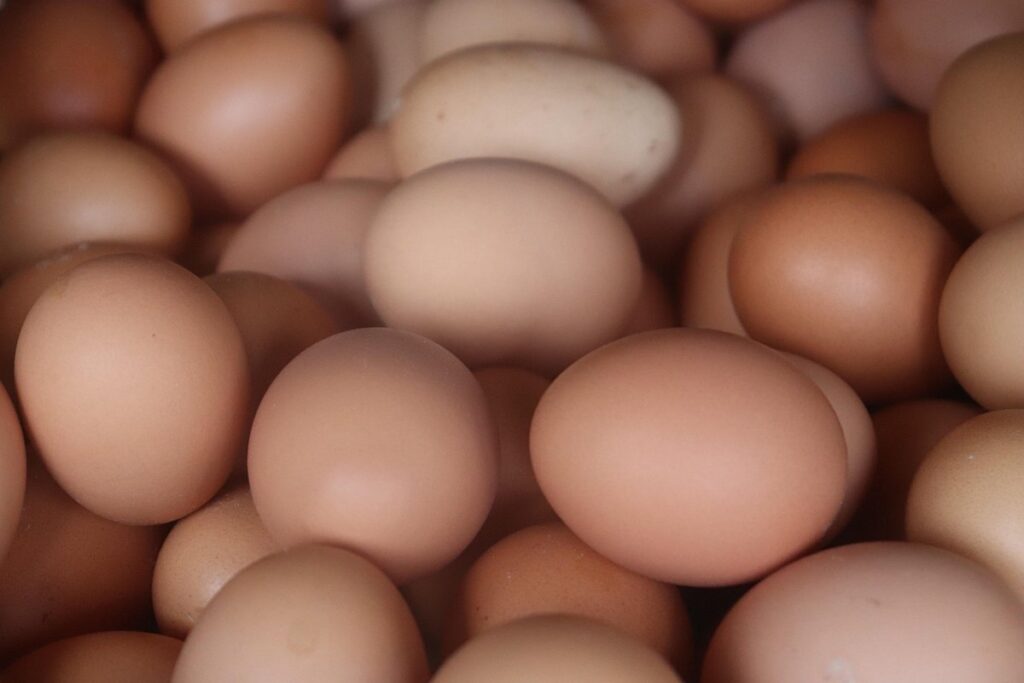
Understanding Chicken Egg Production Cycles
Let’s take a closer look at how chickens produce eggs, including the egg-laying process and factors that affect their productivity. This cycle is crucial to understanding how long your hens will keep producing eggs.
Factors Affecting Egg Production
Chickens’ ability to produce eggs is influenced by several factors that can impact their overall egg-laying performance. One of the most significant factors is age. A chicken’s egg production peaks at around 18-24 months, after which it gradually declines. For example, a Leghorn hen might lay around 300 eggs in its first year but reduce to about 200 eggs by the time it reaches three years old.
Breed also plays a crucial role in determining a chicken’s egg-laying capacity. Some breeds like Leghorns and Rhode Island Reds are prolific layers, producing hundreds of eggs per year, while others like Orpingtons and Plymouth Rock may lay fewer eggs. Nutrition is another vital factor that affects egg production. A balanced diet rich in protein, calcium, and other essential nutrients ensures healthy egg-laying.
Health conditions can also impact a chicken’s ability to produce eggs. Factors such as stress, disease, and parasites can all reduce a hen’s egg production. Environmental conditions like light exposure, temperature, and humidity levels can also influence a chicken’s reproductive cycle. Providing adequate shelter, ventilation, and nutrition can help support optimal egg-laying performance.
Maintaining healthy flocks is essential for maximizing egg production. This includes ensuring access to clean water, regular vaccinations, and parasite control. It’s also crucial to monitor your flock’s health closely, identifying any potential issues early on to prevent a decline in egg production.
Peak Laying Age and Duration
Most chickens reach their peak laying age between 18 and 24 months of age. However, this can vary depending on factors such as breed, nutrition, and living conditions. Leghorns, for example, may start producing eggs at around 16-18 weeks, while heavier breeds like Orpingtons might take longer to mature.
The duration of egg production at peak laying age typically ranges from 1 to 3 years, with some breeds continuing to produce eggs for up to 5 years. For instance, Marans and Barnevelder chickens are known to maintain their egg-laying capacity for a longer period compared to other breeds.
It’s essential to note that individual birds within the same breed can have varying laying periods. Genetics play a significant role in determining an egg layer’s lifespan. Proper nutrition, stress management, and regular health checks also contribute to maintaining peak production levels.
Factors Influencing Egg Production Decline
So, you’re wondering what causes chickens to stop laying eggs? Let’s take a closer look at some key factors influencing egg production decline.
Age-Related Decline in Egg Production
As chickens age, their egg production naturally declines. This is a normal process that affects most breeds and can be attributed to several factors. One primary reason for this decline is the decrease in hormone levels responsible for regulating ovulation. As hens mature, their reproductive system undergoes changes, leading to a reduction in egg production.
For example, Leghorn hens typically reach peak production between 18-24 months of age, producing an average of 300 eggs per year. However, by 3 years old, they may produce around 200 eggs annually. Factors such as nutrition, health, and living conditions also play a significant role in maintaining egg-laying performance.
To prolong egg-laying capacity, ensure your hens receive a balanced diet rich in calcium and essential vitamins. Provide adequate light, space, and maintain optimal flock management practices to minimize stress and disease. Regular veterinary check-ups can also help identify potential issues early on. By understanding the age-related decline in egg production, you can better plan for your flock’s future needs and make informed decisions about breeding or replacement hens.
Nutrition and Health Factors
A chicken’s ability to lay eggs at an optimal rate can be significantly influenced by its diet and health. A balanced and nutritious diet is essential for maintaining a hen’s overall health and fertility. Laying hens require a mix of protein, carbohydrates, and fiber-rich foods to produce eggs. For example, laying hens need about 16-18% crude protein in their feed to maintain egg production.
On the other hand, a poor diet can lead to a decline in egg production. For instance, if a hen’s feed lacks essential nutrients like calcium or vitamin D3, it may experience weakened bones and decreased fertility. Similarly, health issues such as respiratory problems, parasites, and diseases can also impact a chicken’s ability to lay eggs.
To maintain optimal egg production, ensure your hens have access to fresh water, a balanced diet, and regular veterinary check-ups. Monitor their droppings for any signs of illness or nutritional deficiencies. With proper care and attention, you can help your chickens stay healthy and productive for longer periods. Regularly inspecting their living conditions and adjusting their feed accordingly will also contribute to sustained egg production.
Breed-Specific Egg Laying Patterns
When it comes to egg laying, different chicken breeds have unique patterns that can affect how long they produce eggs. Let’s take a look at some of these breed-specific characteristics.
Commercial Breeds
Commercial breeds are popular choices for backyard flocks and commercial egg producers alike. Among these breeds, Leghorns, Rhode Island Reds, and Plymouth Rock are some of the most well-known for their impressive egg-laying abilities.
Leghorns, in particular, are known for their high egg production. On average, a healthy Leghorn hen will lay around 280-300 eggs per year. This is due to their small size and efficient metabolism, which allows them to devote more energy towards laying eggs rather than growing feathers or maintaining body heat.
Rhode Island Reds, on the other hand, are a bit larger than Leghorns but still produce an impressive number of eggs. They typically lay around 200-220 eggs per year. Plymouth Rock chickens are also known for their friendly and docile nature, and they average around 180-200 eggs per year.
It’s worth noting that egg production will slow down significantly after the hen reaches around 3-4 years of age. By this point, most commercial breeds have reached peak production and will start to decline gradually.
Heritage and Specialty Breeds
When it comes to heritage and specialty breeds, their egg-laying abilities can vary significantly from those of commercial layers. This is due to selective breeding for specific characteristics, such as unique feather patterns, eggshell colors, or even temperament. For instance, the Araucana breed is prized for its blue eggs, but these birds tend to lay fewer eggs overall compared to other breeds.
Heritage breeds like the Marans and the Barnevelder are known for their rich, dark-brown eggs, but they often take longer to mature and may produce eggs at a slower rate. On the other hand, some specialty breeds, such as the Silkies or Polish, are bred more for their charming appearances than their egg-laying abilities.
If you’re considering raising heritage or specialty breeds, it’s essential to research their specific needs and temperaments before making a decision. This includes understanding their egg-laying patterns and production rates. With proper care and management, these birds can still provide you with an excellent supply of eggs – just be prepared for potentially smaller yields than with commercial layers.
Managing Egg Production in Backyard Flocks
If you’re a backyard flock owner, learning how to manage your chickens’ egg production can be key to maximizing your harvest. Let’s explore some tips on keeping your hens laying strong.
Nutritional Requirements for Optimal Laying
Providing the necessary nutrients is crucial to maintaining optimal egg production in backyard flocks. A well-balanced diet that includes a mix of protein-rich feeds and calcium supplements is essential for healthy egg-laying.
Layer feed is specifically formulated to meet the nutritional needs of laying hens, but you can also supplement their diet with fresh fruits and vegetables like leafy greens, carrots, and sweet potatoes. However, be sure not to overdo it – excessive amounts of high-fiber foods can lead to digestive issues.
Access to fresh water at all times is also vital for egg production. Ensure that your flock’s watering system is clean and well-maintained to prevent bacterial contamination. A good rule of thumb is to provide about 1-2 cups of water per bird per day, depending on the climate and ambient temperature.
Some important nutritional requirements for optimal laying include:
* Calcium: 3-4% of daily diet
* Protein: 15-18% of daily diet
* Vitamin D3: essential for calcium absorption
By providing a balanced diet that meets these nutritional needs, you can help your backyard flock stay healthy and productive, ensuring a steady supply of fresh eggs.
Health Monitoring and Disease Prevention
Regular health checks and disease prevention are crucial to maintaining a thriving backyard flock. As chickens age, their immune systems can weaken, making them more susceptible to illnesses. A healthy egg-laying hen is essential for consistent production, but neglecting her overall well-being can lead to significant losses in both eggs and birds.
To minimize these risks, it’s vital to establish a regular monitoring routine. Check your flock daily for signs of illness or stress, such as changes in appetite, droppings, or feather condition. Identify any potential health issues early on by keeping an eye out for warning signs like lethargy, labored breathing, or unusual behavior.
In addition to regular checks, implement disease prevention measures proactively. Ensure your flock has access to clean water and a balanced diet, maintain good hygiene practices, and provide adequate shelter from extreme temperatures and weather conditions. Consider consulting with local veterinarians or poultry experts for personalized advice on managing health in backyard flocks. By prioritizing the well-being of your hens, you can protect their egg-laying capacity and enjoy a more sustainable, productive flock.
Tips for Extending Egg Production
To keep your hens laying eggs well into their senior years, it’s essential to provide them with a nutritious diet and plenty of exercise and attention. With these simple tips, you can extend their egg-laying lifespan.
Maintaining Optimal Living Conditions
When it comes to extending egg production, maintaining optimal living conditions is crucial. A suitable environment encourages healthy and happy hens, which in turn leads to continued egg laying. One of the most critical factors is coop size. Ensure that each hen has at least 3-4 square feet of space inside the coop, with adequate ventilation to prevent ammonia buildup and respiratory issues.
Proper lighting is also vital for egg production. Chickens need around 14 hours of light per day, especially during peak laying seasons. Consider using LED lights or natural sunlight exposure. Temperature control is another essential aspect. Hens prefer temperatures between 40°F and 80°F (4°C and 27°C). Avoid placing the coop near drafty areas or windows with direct sunlight.
In addition to these factors, maintaining cleanliness within the coop is vital for continued egg production. Ensure that the coop and nesting boxes are cleaned regularly, and provide a dust bath area for hens to relax and maintain their feathers. By paying attention to these details, you can create an environment that supports optimal egg production and keeps your flock healthy and thriving.
Stress Reduction Strategies
Reducing stress is essential for maintaining a healthy flock and extending their egg-laying ability. When chickens are stressed, their bodies divert energy from laying eggs to cope with the pressure, leading to decreased production and potentially even stopping altogether.
Providing a stress-free environment can significantly impact your hens’ overall health and productivity. Here are some strategies to help reduce stress in your flock:
* Regular exercise: Ensure your chickens have access to enough space for physical activity, such as free-ranging or providing toys and obstacles for them to explore.
* Social interaction: Provide a mix of breeds to encourage socialization, and consider introducing new birds gradually to prevent bullying.
* Environmental enrichment: Offer a varied environment with changes in scenery, feeding routines, and activities to keep your hens engaged.
By implementing these stress reduction strategies, you can help extend your flock’s egg-laying ability and promote overall health. A relaxed flock will not only produce more eggs but also be more resistant to disease and other health issues.
Frequently Asked Questions
Can I expect my chickens to continue laying eggs if I move them to a new coop or location?
Yes, as long as you provide the same level of care, nutrition, and health management, your chickens will continue to lay eggs regardless of their new surroundings. However, it’s essential to ensure they have adequate space, shelter, and access to food and water.
How often should I collect eggs from my flock to encourage continued egg production?
Collecting eggs daily is crucial for maintaining your flock’s health and productivity. Regular egg collection encourages hens to continue laying by preventing the buildup of bacteria that can lead to disease. It also allows you to monitor their egg-laying patterns and identify any potential issues.
Will supplementing my chickens’ diet with extra protein or vitamins boost their egg production?
While a well-balanced diet is essential for maintaining optimal egg production, excessive supplementation may not have a significant impact on egg numbers. Focus on providing a high-quality commercial layer feed as the main staple, supplemented with fresh fruits and vegetables.
Can I expect my chickens to lay eggs year-round, or will there be periods of reduced productivity?
Most breeds of chickens will experience a natural drop in egg production during the winter months due to daylight hours being shorter. This is a normal cycle for hens, but it can be managed by providing supplemental lighting and ensuring they have access to adequate nutrition.
How do I know if my chicken’s decline in egg production is due to age or health issues?
Monitoring your flock’s overall health and behavior will help you determine whether their reduced productivity is age-related or caused by underlying health problems. Keep an eye out for changes in appetite, droppings, or feather condition, and consult a veterinarian if you suspect any health issues.